Korean Dried Radish Greens Perilla Stew
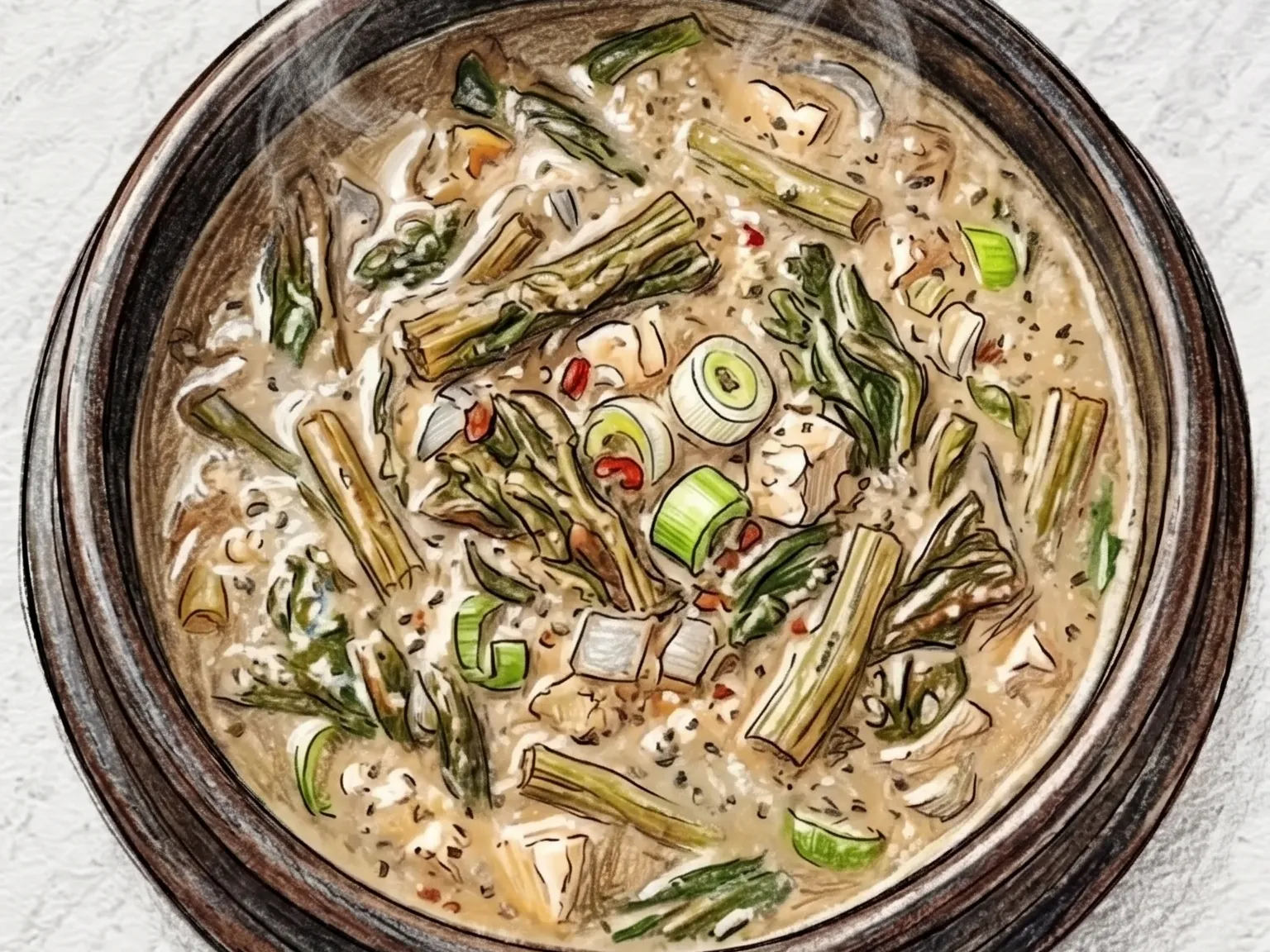
This stew simmers rehydrated dried radish greens in rice-rinse water thickened with a generous four tablespoons of perilla seed powder. A small amount of doenjang and gochujang provides savory depth, while the perilla powder creates a creamy, nutty broth with a pale beige hue. The chewy texture of the greens contrasts with the smooth, rich soup. Onion and green onion add layers of sweetness and fragrance, making it a warming winter staple in Korean home cooking.
Adjust Servings
Instructions
- 1
Peel tough fibers from soaked greens and cut into 4 cm pieces.
- 2
Toss greens with doenjang, gochujang, and garlic to pre-season.
- 3
Boil rice-rinse water with onion, then add the seasoned greens.
- 4
Simmer 20 minutes, then stir in perilla powder once tender.
- 5
Adjust saltiness with soup soy sauce, add green onion, and cook 3 more minutes.
As an Amazon Associate, we may earn from qualifying purchases.
Tips
Nutrition (per serving)
More Recipes

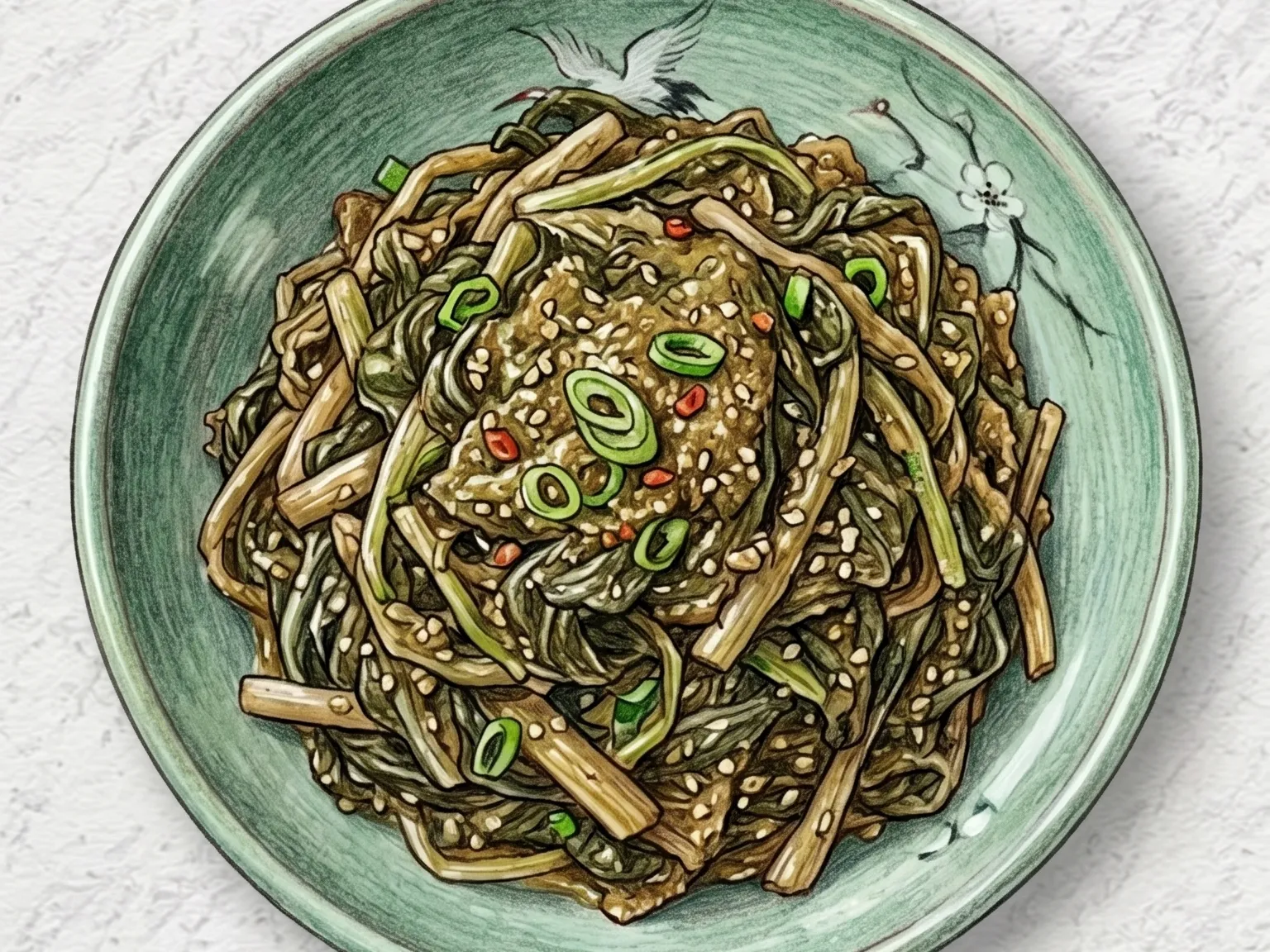
Siraegi Guk (Korean Perilla Radish Greens Soup)
Creamy, nutty, and deeply warming - this siraegi guk (dried radish greens soup) gets its velvety texture from perilla powder stirred into an anchovy-doenjang broth. The greens, which are dried and then rehydrated before use, carry a concentrated, earthy flavor and a fibrous chew that fresh vegetables cannot replicate. Massaging the greens with doenjang, garlic, and soup soy sauce before simmering allows the fermented seasoning to penetrate deep into the fibers over twenty minutes of cooking. Perilla powder added in two separate batches dissolves evenly without clumping, turning the broth an opaque, milky white with a thick, creamy consistency that clings to each spoonful.

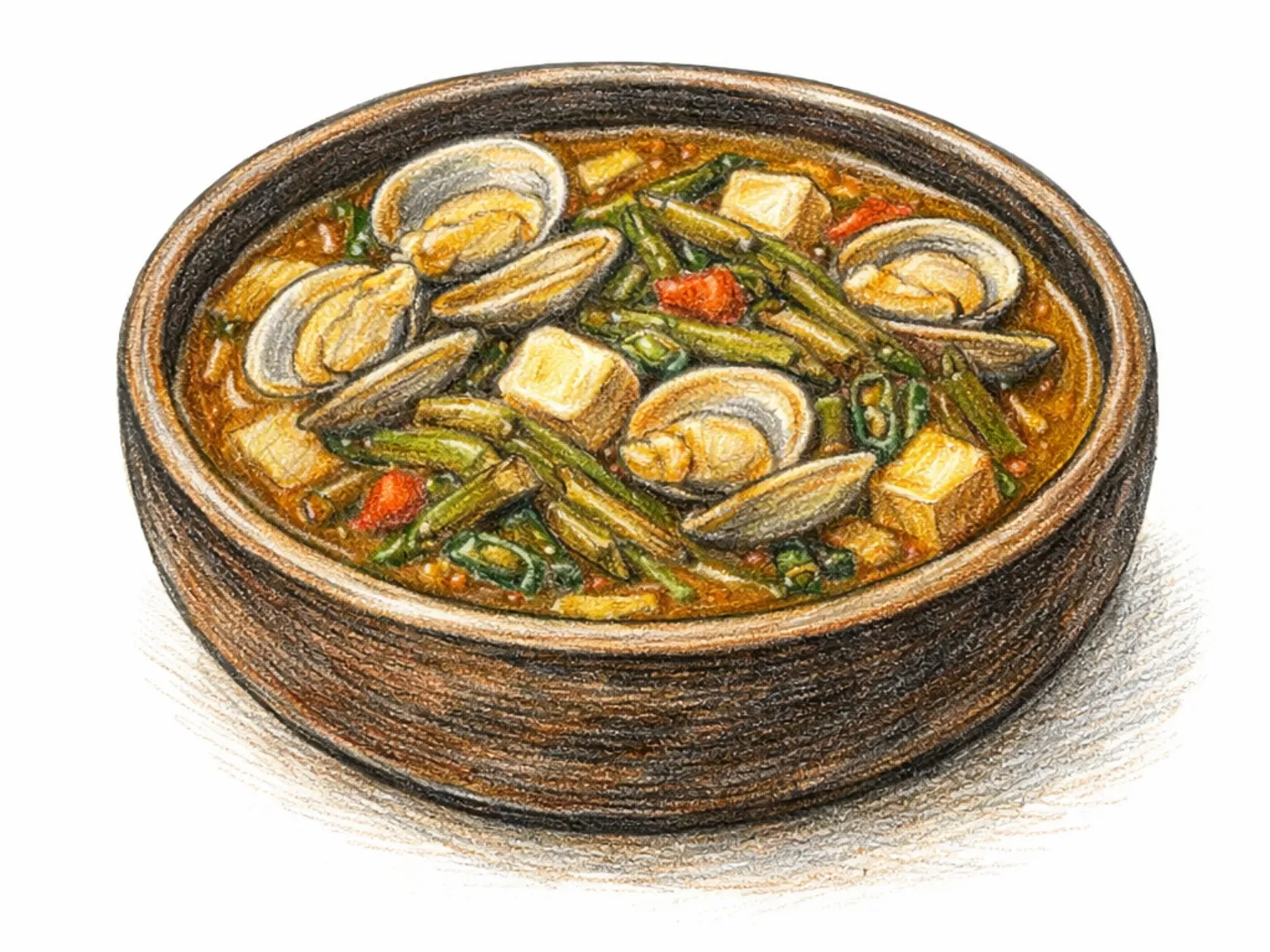
Korean Dried Radish Greens & Clam Soybean Stew
This hearty stew pairs rehydrated dried radish greens with fresh clams in a broth of rice-rinse water flavored with doenjang and a touch of gochujang. The radish greens are first sauteed in perilla oil to deepen their nutty aroma before joining the briny clam broth. Korean radish and onion round out the sweetness, while green onion and garlic add aromatic depth. The rice-rinse water gives the soup a slightly thickened, silky consistency.

Korean Perilla Radish Greens Shrimp Stew
Radish greens and medium shrimp come together in this stew with a rich, nutty broth thickened by four tablespoons of perilla seed powder. The radish greens provide a hearty, slightly fibrous chew that absorbs the savory broth well. Doenjang and soup soy sauce season the anchovy-kelp stock base, while the shrimp release their own briny sweetness as they cook. The result is a deeply flavored, rustic stew that balances the earthiness of perilla with the ocean freshness of shrimp.

Korean Dried Greens Mackerel Stew
This spicy stew brings together mackerel and boiled dried radish greens in a gochugaru-seasoned broth. The oily richness of the mackerel merges with the earthy depth of the radish greens, while Korean radish keeps the broth clean and refreshing. Rice-rinse water serves as the base, taming any fishiness while adding a gentle body to the soup. Seasoned with onion, green onion, garlic, and soup soy sauce, it is a classic Korean home-style dish.

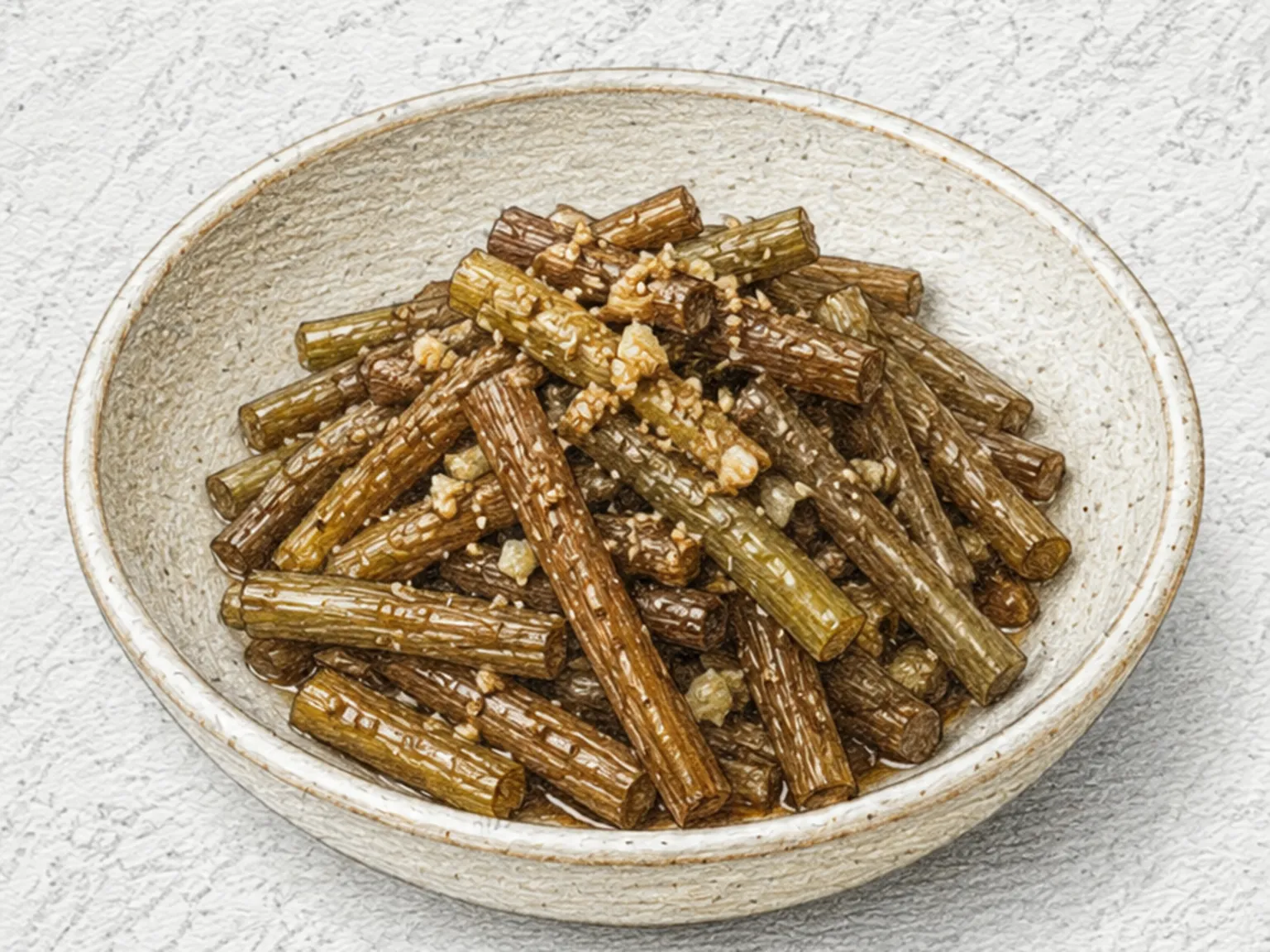
Korean Burdock Perilla Seed Stew
A hearty stew built on burdock root, potatoes, and oyster mushrooms in a perilla seed broth. The burdock root retains a firm, earthy crunch while the potatoes soften and break down slightly to thicken the stew. Anchovy-kelp broth provides the savory base, and generous perilla seed powder creates a creamy, nutty consistency throughout. This meat-free stew is substantial enough to serve as a satisfying main dish.

Korean Dried Radish Greens Doenjang Kalguksu
Siraegi doenjang kalguksu is a Korean noodle soup that combines dried radish greens with a soybean paste broth built on anchovy-kelp stock. The radish greens contribute an earthy, slightly bitter note that complements the fermented depth of doenjang. Onion and zucchini add natural sweetness during simmering, and perilla seed powder stirred in at the end brings a toasted, nutty finish. Fresh kalguksu noodles absorb the broth as they cook, resulting in a soft, chewy texture.