Snickerdoodle Cookies (American Cinnamon-Sugar Baked Cookies)
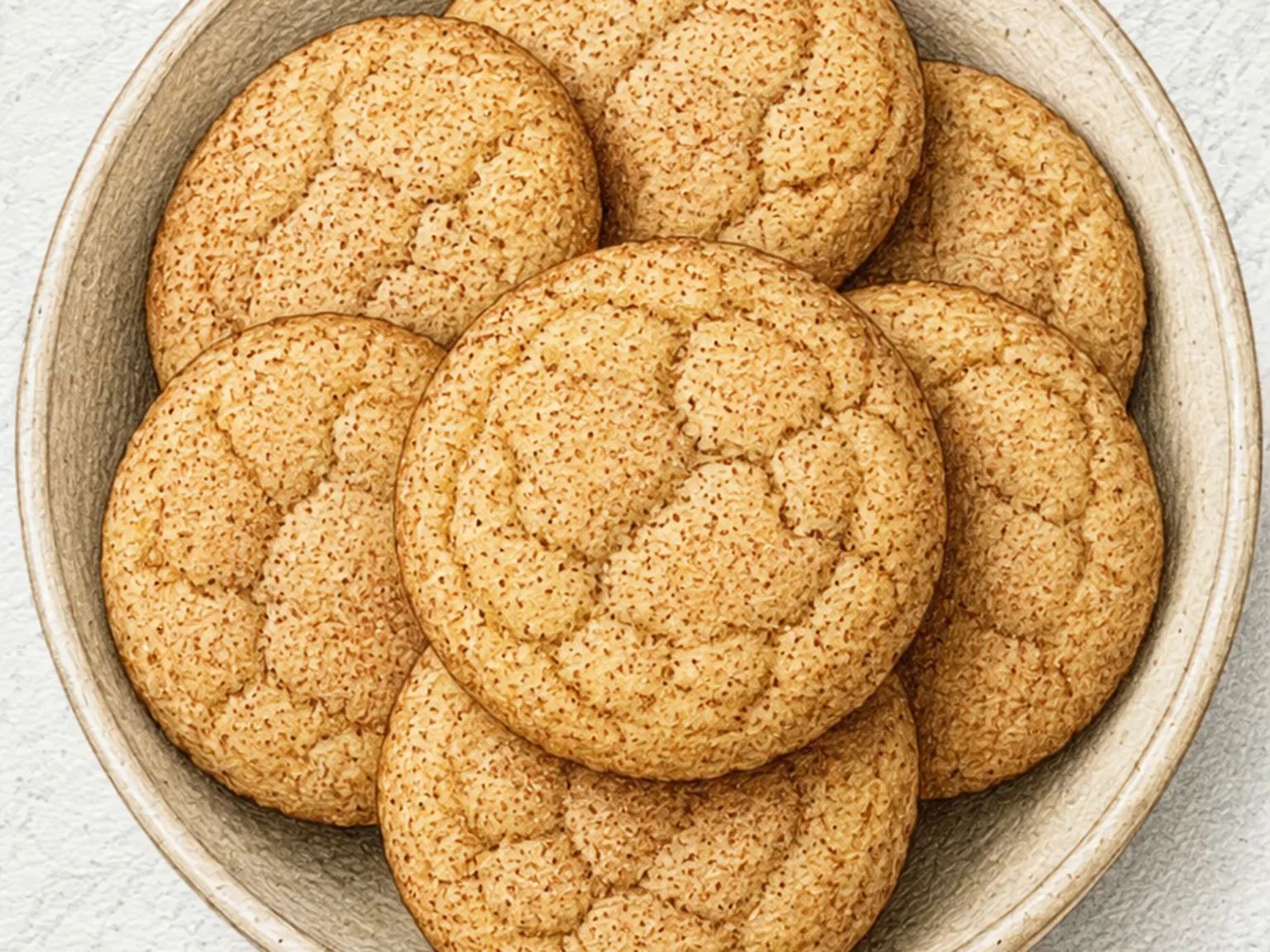
Snickerdoodles are rolled in cinnamon sugar before baking, which creates a crackled, patterned surface and perfumes each cookie with warm spice from edge to center. Cream of tartar in the dough gives snickerdoodles their signature tanginess - a faint, pleasant acidity that distinguishes them from ordinary sugar cookies - and contributes to the soft, pillowy interior that stays chewy even after cooling. The exterior develops a thin, lightly crisp shell where the cinnamon sugar caramelizes, but the center remains dense and yielding. A high butter-to-flour ratio keeps the cookies tender for days. The cinnamon coating also darkens attractively in the oven, producing the distinctive web of cracks across the top. Paired with a glass of cold milk, the warm spice and cool dairy play off each other in a combination that has made snickerdoodles a staple of American home baking.
Adjust Servings
Instructions
- 1
Cream room-temperature butter and sugar until fluffy.
- 2
Add egg and vanilla, mix to combine.
- 3
Sift in flour, cream of tartar, and baking soda, mix into dough.
- 4
Combine cinnamon and sugar for the coating.
- 5
Roll dough into 2cm balls, coat in cinnamon sugar, place on baking sheet.
- 6
Bake at 175°C for 10-12 minutes, removing when edges are just set.
As an Amazon Associate, we may earn from qualifying purchases.
Tips
Nutrition (per serving)
More Recipes

Thumbprint Jam Cookies
A buttery shortbread-style dough is rolled into small balls, each pressed with a thumb to create a shallow well that is then filled with fruit jam before baking. The cookie base is crumbly and melt-in-the-mouth, providing a rich, neutral canvas that lets the jam flavor come forward. Different jams - raspberry, apricot, strawberry - produce different colors, so baking an assorted tray creates a visually striking spread. The thumb impression should be gentle and not too deep; a very thin base cracks during baking and cannot support the filling. Filling each well only halfway prevents the jam from bubbling over the edges in the oven. As the cookies cool, the jam sets into a glossy, jewel-like surface that is slightly tacky and intensely fruity. The final result is a cookie that is simultaneously crunchy from the baked edges, sandy from the shortbread crumb, and chewy from the cooled jam center.

Oatmeal Raisin Cookies
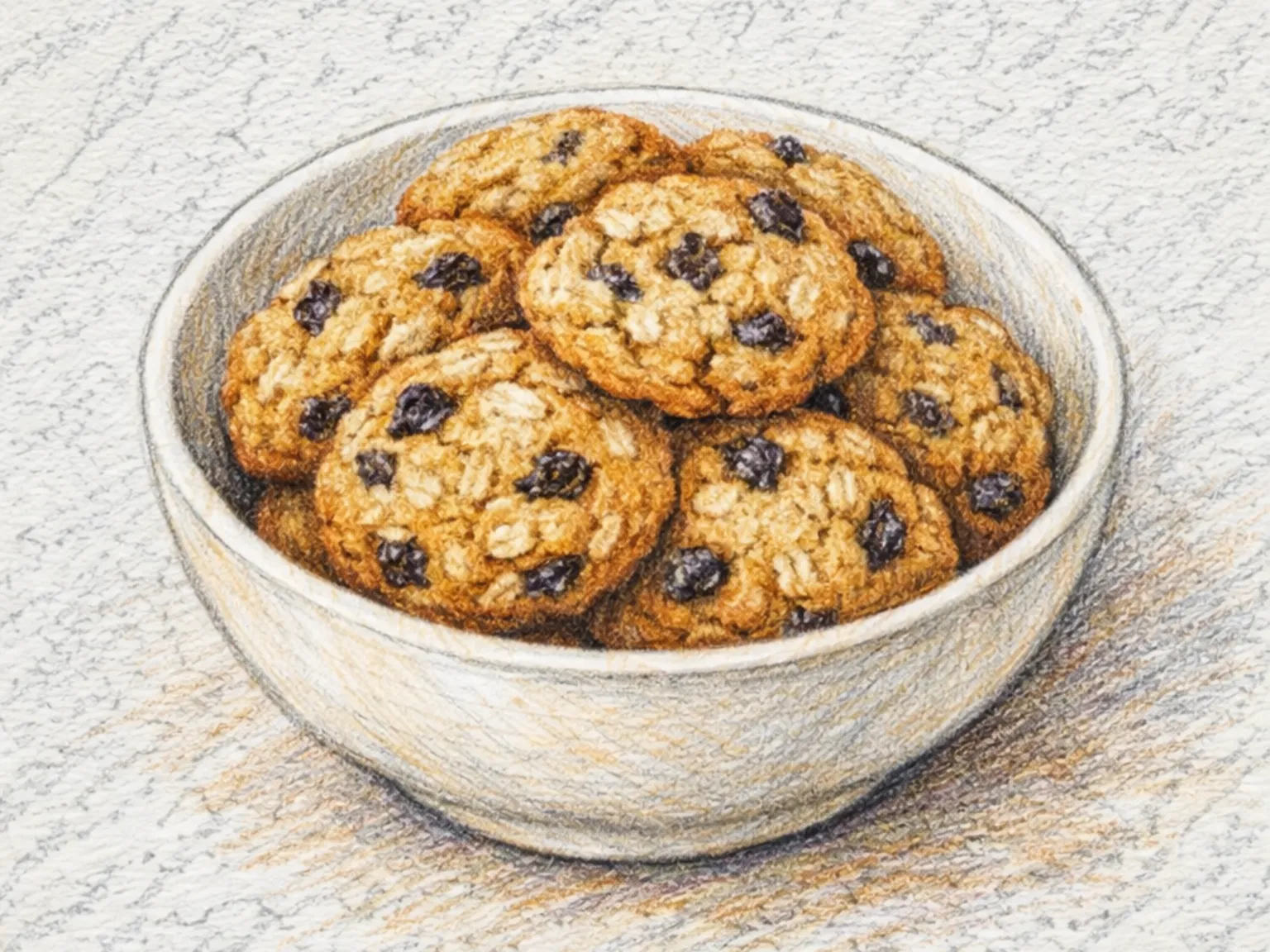
Rolled oats give these cookies a coarse, chewy grain that sets them apart from the uniform smoothness of standard drop cookies. Brown sugar drives the flavor, providing a molasses-tinged depth and keeping the interior moist days after baking. Cinnamon - just enough to warm the nose without dominating - threads through every bite. The raisins shrink slightly in the oven as their moisture evaporates, concentrating their fruity sweetness into small, chewy bursts scattered through the oat-studded crumb. Chilling the dough before baking allows the oats to hydrate, which results in a chewier, denser cookie rather than a crisp one. The finished cookies are sturdy enough for a lunch bag or a road trip and only improve when dunked in cold milk, which softens the oat flakes and amplifies the cinnamon.

Chocolate Chip Cookies
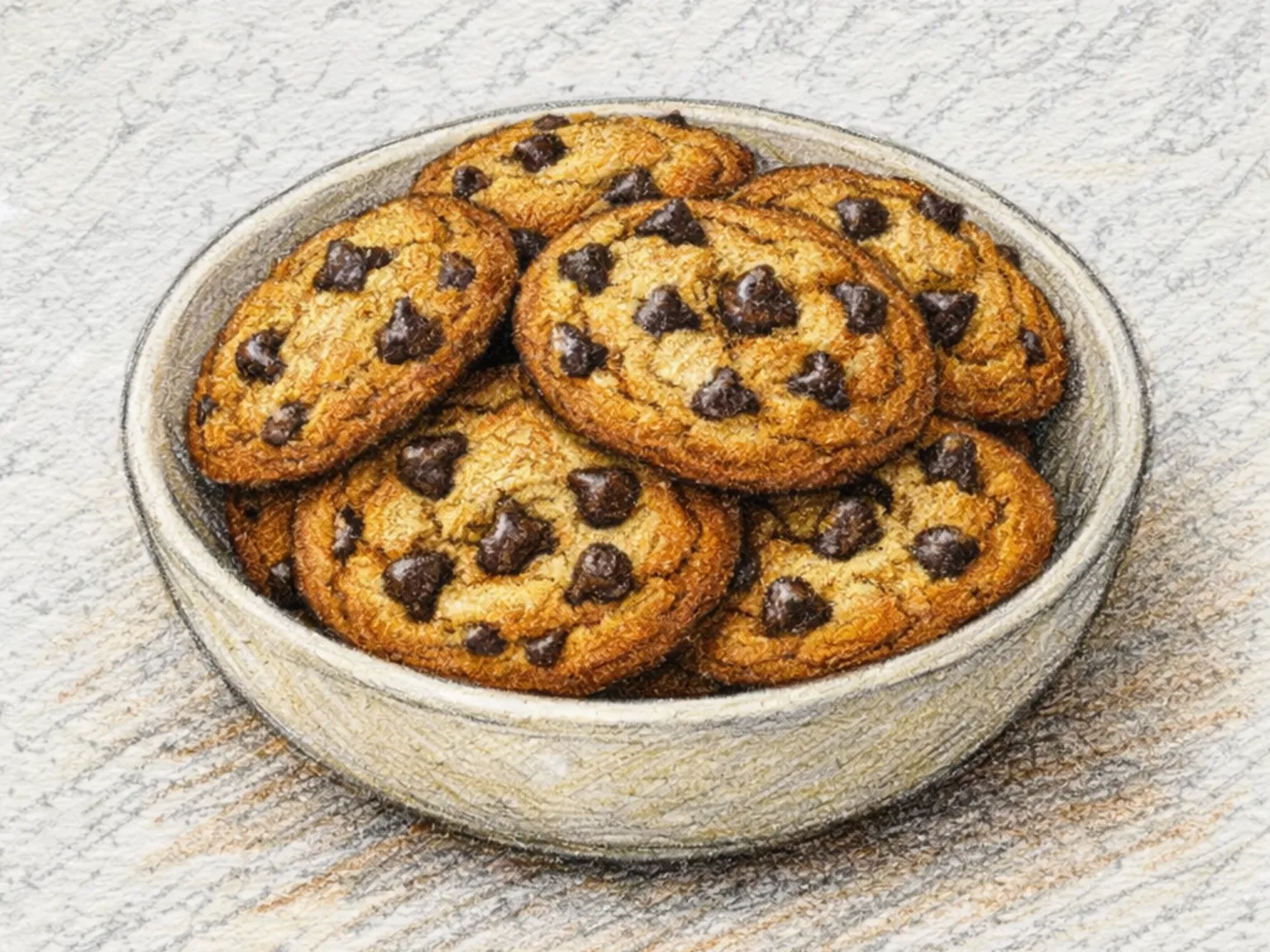
Chocolate chip cookies are the most baked cookie in American kitchens, and their apparent simplicity masks a surprising number of variables. The ratio of brown sugar to white sugar determines the texture - more brown sugar yields chewier cookies, more white sugar makes them crisper. Creaming the butter aerates the dough, giving the baked cookies a slight puff. Chocolate chips, whether milk, dark, or semi-sweet, melt in the oven and resolidify into pockets of concentrated chocolate that contrast with the surrounding dough. The critical moment is knowing when to pull the tray from the oven: the edges should be golden and set while the center still looks underdone, because residual heat will finish the job as the cookies cool on the pan. A pinch of flaky salt pressed into the tops before baking sharpens every flavor. Fresh from the oven, the cookies are barely holding their shape, yielding to the slightest pressure - and that is precisely the point.

Brown Butter Chocolate Chip Cookies
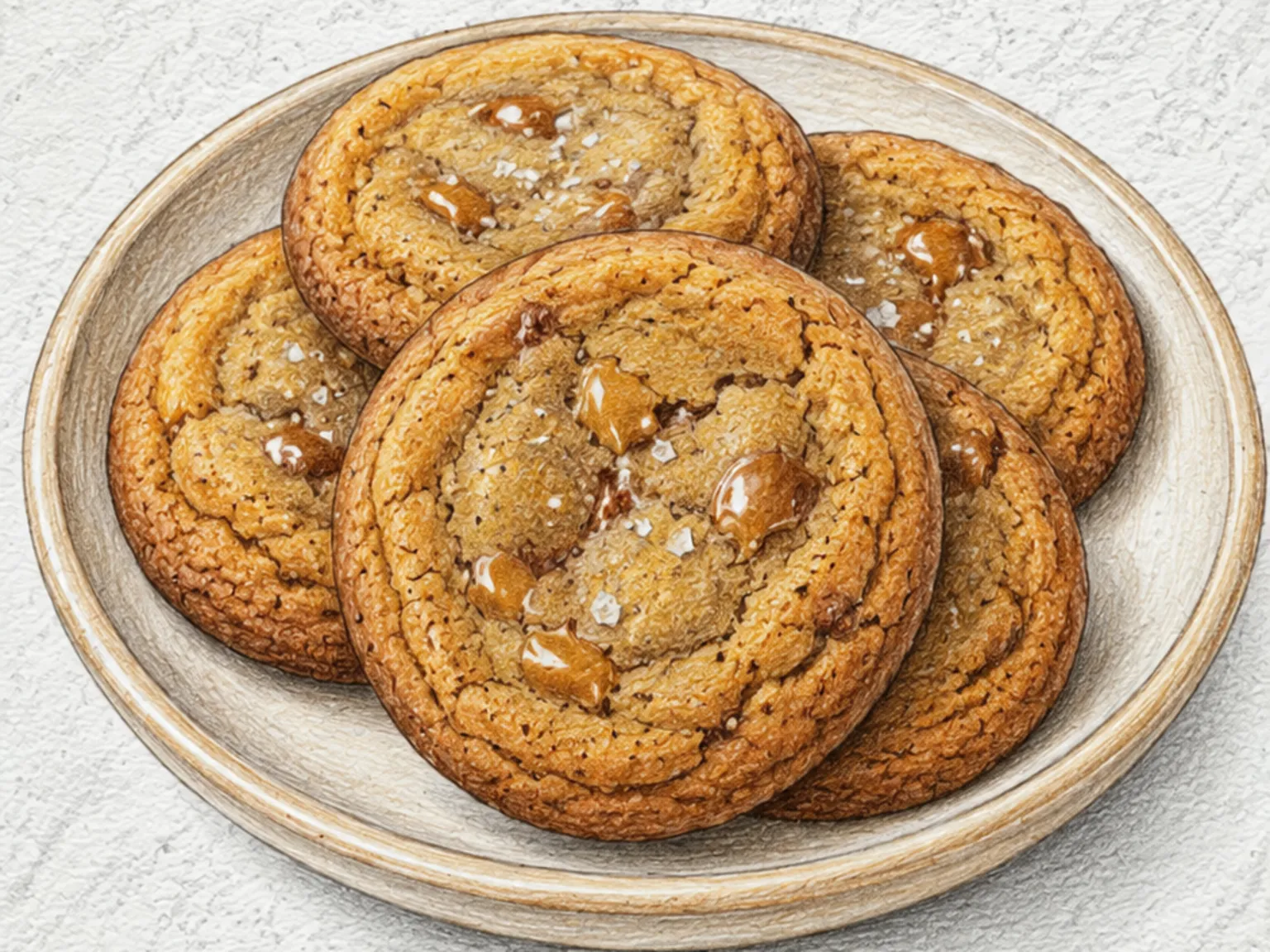
Brown butter chocolate chip cookies elevate the familiar recipe by cooking the butter until its milk solids turn amber, releasing an aroma reminiscent of toasted hazelnuts and toffee. This caramelized butter becomes the dough's foundation, contributing a flavor complexity that standard butter cannot match. A generous ratio of brown sugar produces a cookie with crisp edges and a dense, chewy center. Dark chocolate chunks melt unevenly, creating pockets of liquid chocolate alongside solid pieces. A pinch of flaky sea salt on top sharpens every element. Fresh from the oven, the cookies are barely set; as they cool, the edges firm up while the center remains yielding.

Baked Potato Soup
Baked potato soup replicates the flavor profile of a loaded baked potato in liquid form. Potatoes are first boiled or oven-roasted until soft, then partially mashed and simmered in chicken stock with heavy cream. The base gains depth from onions sweated in butter before the liquid is added. Toppings mirror those of a classic baked potato: crispy bacon bits, shredded cheddar cheese, and finely chopped chives. Leaving some potato chunks intact rather than pureeing everything creates a more interesting texture. The soup thickens as it sits, so reheated portions from the next day tend to be even creamier than the first serving.

Meatloaf
Meatloaf combines ground beef with sauteed onion, breadcrumbs, egg, and Worcestershire sauce, pressed into a loaf pan and topped with a ketchup glaze before baking at 180 degrees Celsius for 50 to 55 minutes. The breadcrumbs absorb and hold moisture, preventing the loaf from drying out, while Worcestershire sauce deepens the savory flavor. Pre-cooking the onion and letting it cool before mixing removes excess moisture that would otherwise make the mixture too wet. Minimal handling is important - overworking the meat compacts the proteins and produces a tough texture. The ketchup glaze caramelizes in the oven to form a sweet-salty crust. Resting the meatloaf for at least 10 minutes after baking lets the internal juices redistribute so the slices hold together cleanly.