Soboro Bread (Korean Sweet Streusel-Topped Bun)
Quick answer
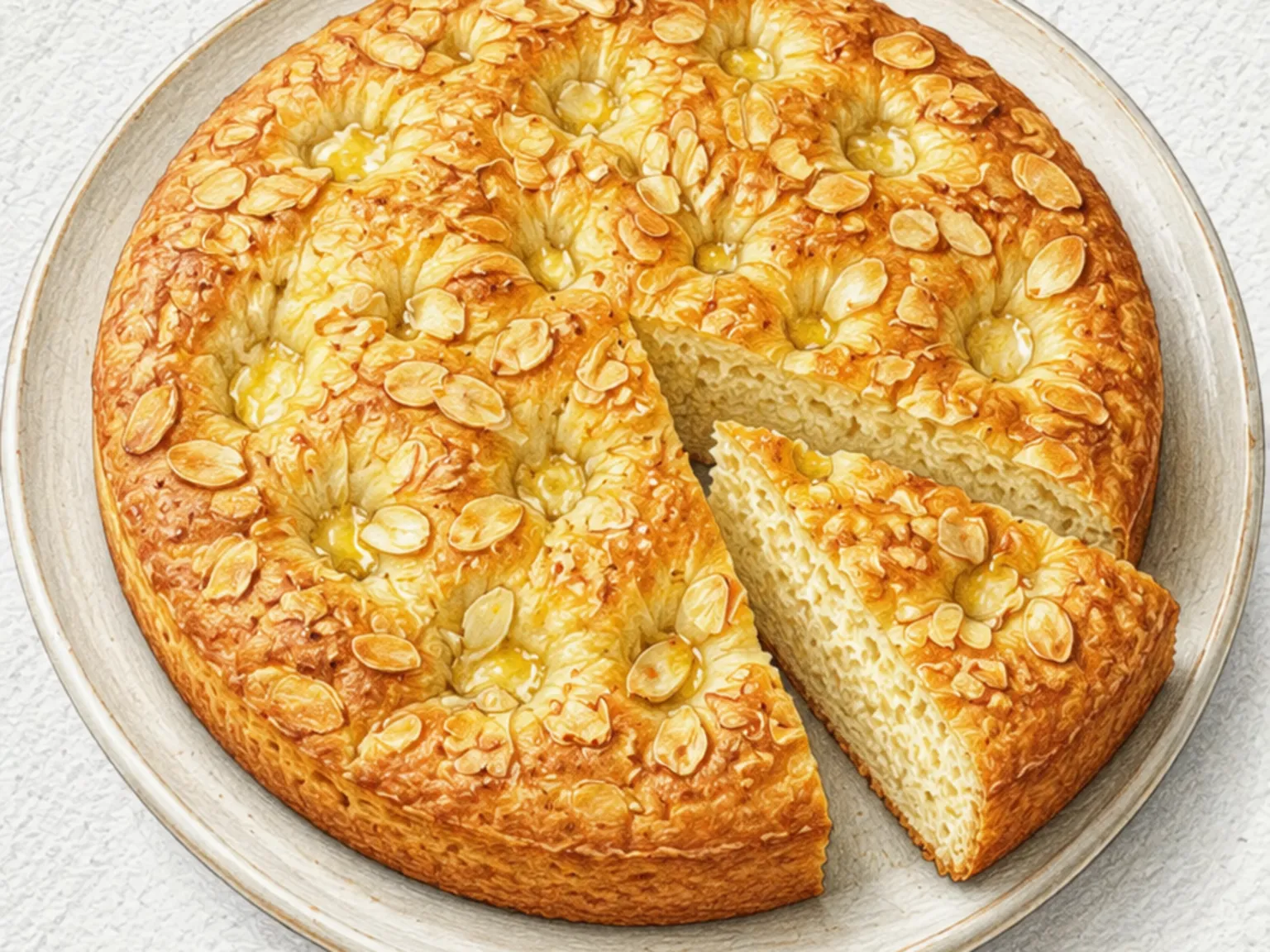
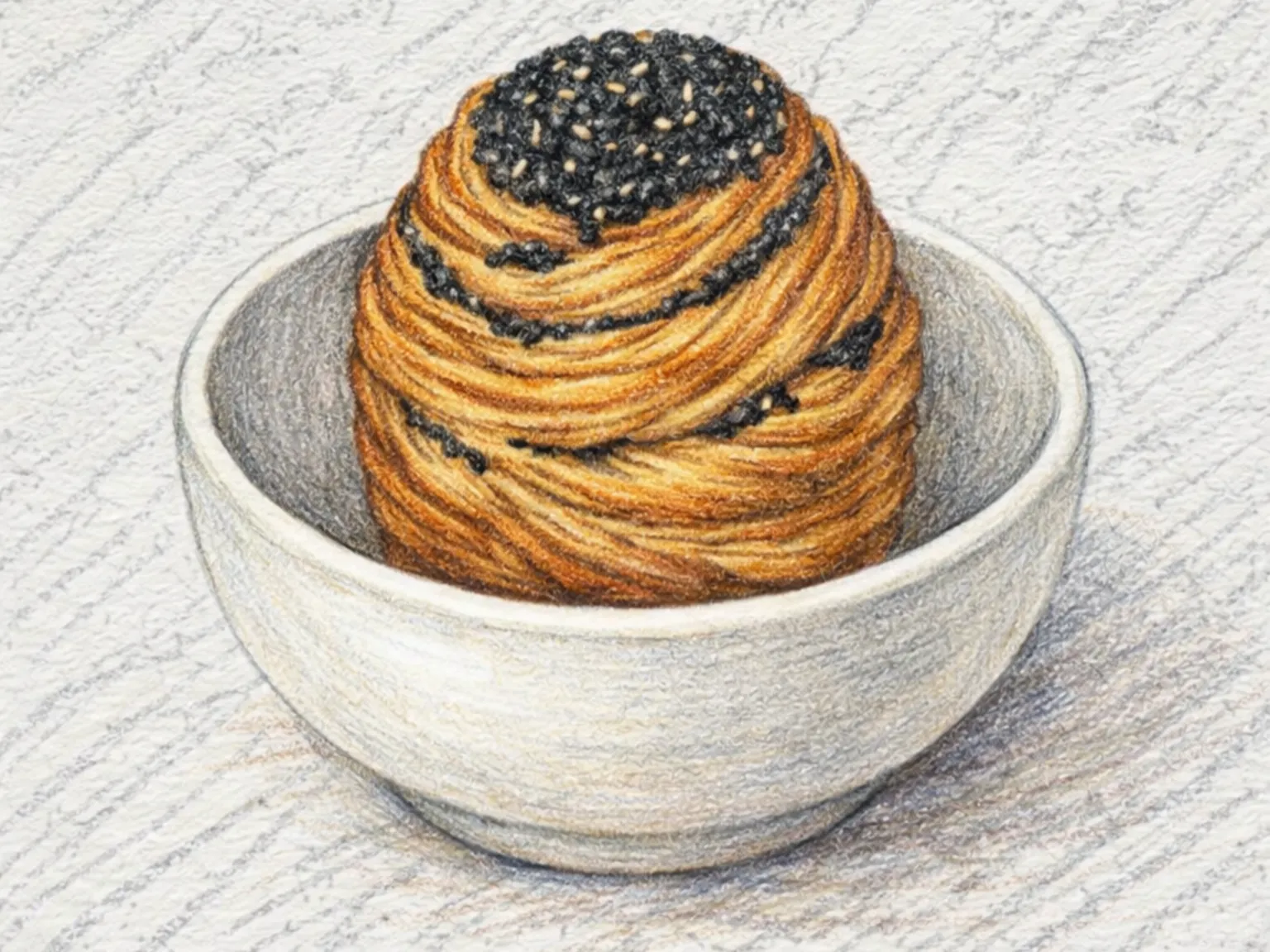
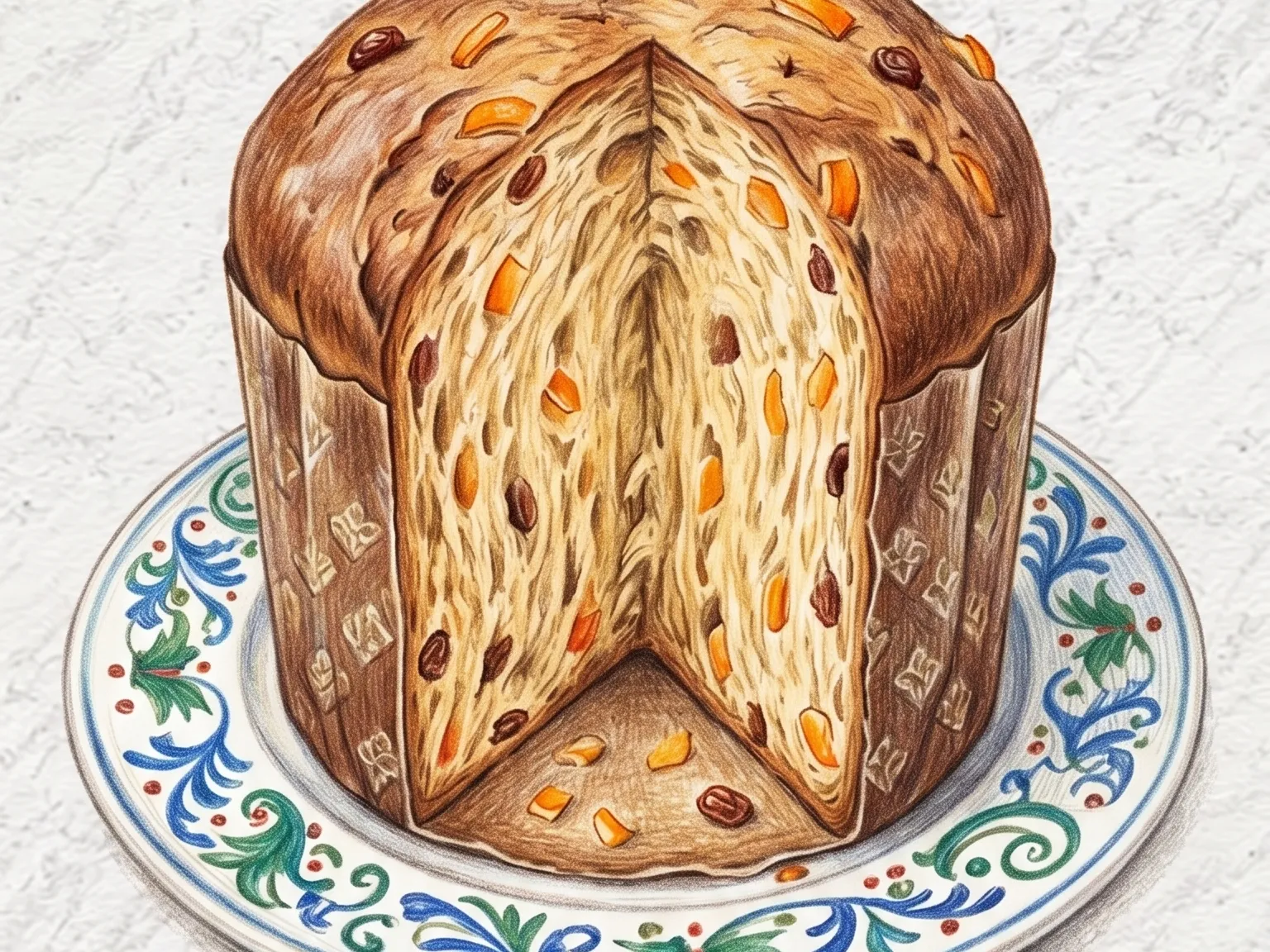
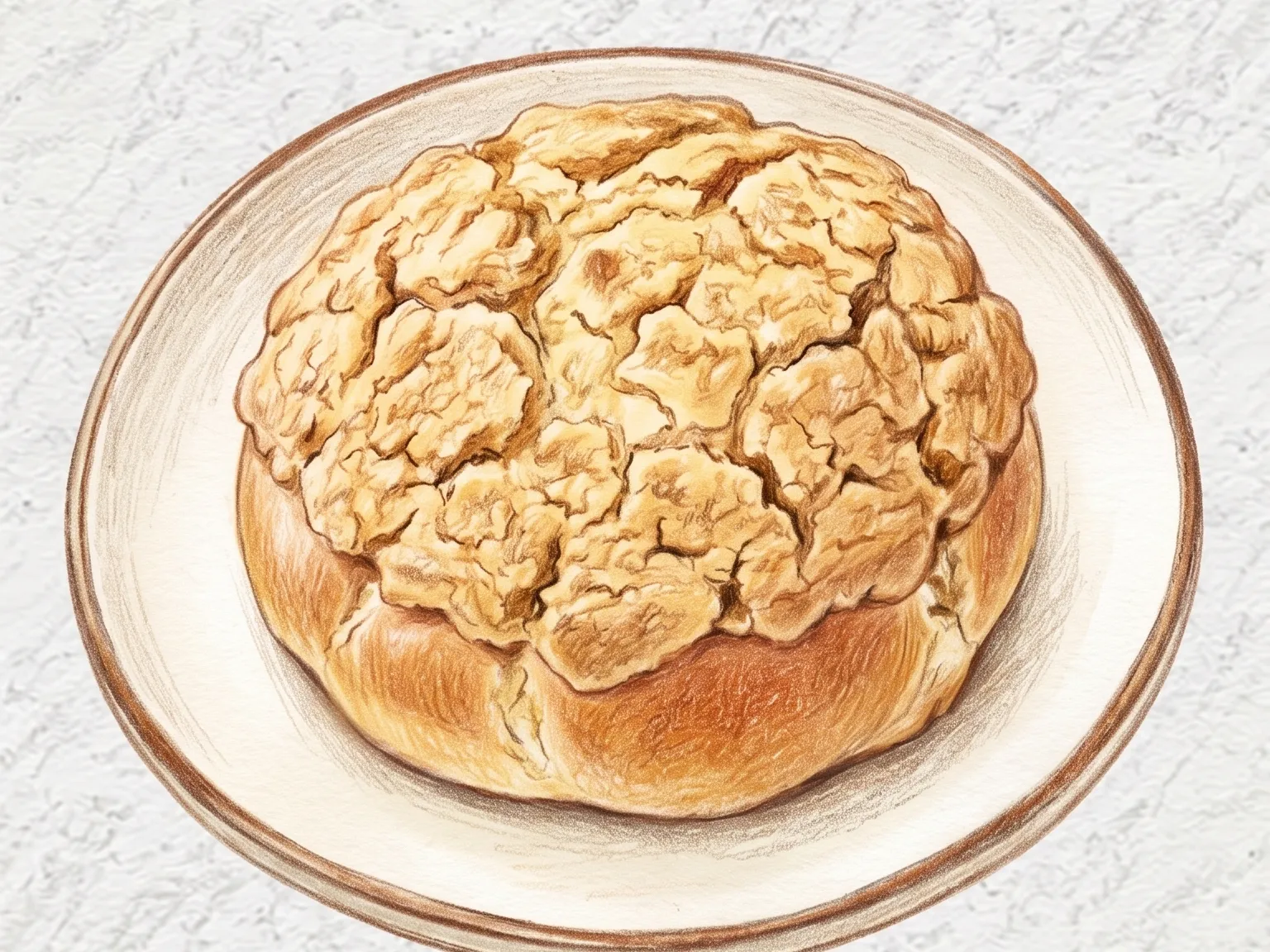
Soboro bread is a Korean bakery staple that tops a soft, milk-enriched yeast bun with a layer of sweet cookie crumble.
What makes this special
- A peanut-flour crumble on top of Soboro Bread contrasts with the pillowy milk bun underneath.
- Fluffy yeasted bun topped with a separate buttery almond streusel
- Almond flour in the streusel adds nuttiness alongside the crisp fracture
Key ingredients
Core cooking flow
- 1 Mix 280 g bread flour with 5 g dry yeast and part of the sugar.
- 2 Place the dough in a bowl, cover it so the surface does not dry, and let it proof in a warm place.
- 3 Rub 90 g cake flour, 30 g almond flour, the remaining sugar, and cold butter...
Soboro bread is a Korean bakery staple that tops a soft, milk-enriched yeast bun with a layer of sweet cookie crumble. The bun interior is pillowy and slightly sweet, with a fine crumb that tears in gentle strands, while the streusel cap - mixed from butter, sugar, egg, and flour - bakes into a crunchy, golden shell that cracks into irregular pieces. The appeal lies in the contrast: each bite delivers both the airy softness of enriched bread and the sandy crunch of a cookie. Applying the crumble after the second proof, rather than before, prevents the rising dough from being weighed down and allows the surface to fracture naturally in the oven's heat. The crumble stays crisp even after the bread cools completely, which is why soboro bread remains satisfying the next day when many other bakery items have gone stale.
Instructions
Read the steps as a cooking flow: prep, heat, seasoning, doneness control, and finish.
- 1Season
Mix 280 g bread flour with 5 g dry yeast and part of the sugar.
Add 160 ml milk and 1 egg, bring the dough together, then knead in some of the butter until the surface turns smooth and elastic.
- 2Control
Place the dough in a bowl, cover it so the surface does not dry, and let it proof in a warm place.
It is ready when it has nearly doubled and a finger mark rises back slowly instead of springing back at once.
- 3Season
Rub 90 g cake flour, 30 g almond flour, the remaining sugar, and cold butter together with your fingertips.
Stop when the mixture forms coarse, sandy crumbs, then chill it so the butter stays firm and the topping bakes crisp.
- 4Heat
After the first proof, press the dough gently to release excess gas, then divide it into even pieces and round each one.
Keep the surface slightly taut so the buns hold their shape as they proof and bake.
- 5Step
Arrange the rounded dough on a tray and let it proof a second time.
Before it over-expands, press the chilled streusel onto the tops; use enough pressure to attach it, but not so much that the dough collapses.
- 6Heat
Bake in a 180C oven until the tops crack and turn golden.
Move the buns to a rack after baking so steam can escape from the bottom, which keeps the bread soft inside and the crumble crisp.
After the steps
Pick a recipe that fits this dish.
Continue with shared ingredients, meal pairings, or a similar method.
Recipes That Go Well With This
More Baking →Based on shared ingredients and meal pairing
Korean Mashed Potato Bread
Korean Mashed Potato Bread is a snack featuring a potato filling wrapped in a chewy dough. The dough combines bread flour and tapioca starch, which prevents the crust from hardening after cooling, maintaining a soft, elastic texture. Boiled potatoes are mashed while hot with sugar and salt before being wrapped in the dough. Varying sugar levels in the filling and the dough create a layered sweetness. The outer surface is coated with roasted soybean powder and black sesame powder to replicate the earthy look of Gangwon potatoes. Small holes are poked on the surface with chopsticks for a realistic appearance. The bread is baked at 170 C for twenty to twenty-five minutes. Adding mayonnaise to the filling yields a creamier and richer taste.
Salt Bread (Sogeum-ppang - Korean Bakery Butter Roll)
Salt bread is a Korean bakery favorite built on a simple premise: yeasted dough enriched with milk is wrapped around a plug of cold butter, shaped into a tapered roll, and baked at high heat. The butter melts during baking and saturates the crumb from the inside out, while the exterior develops a thin, crackling crust. Coarse salt sprinkled on top before the oven amplifies the butter's richness and adds sharp, crystalline bites that punctuate each mouthful. A full second proof is essential - underproofed dough bakes dense and heavy - and a hot oven ensures the outside crisps before the interior dries out. Eaten warm, when the melted butter is still pooled inside the crumb, the bread delivers its full impact: salty, buttery, and gone in four bites.
Flower Rice Pancakes (Glutinous Rice Cakes with Edible Flowers)
Hwajeon is a traditional Korean rice pancake made by kneading glutinous rice flour with salt and warm water, portioning the dough into 30-gram rounds, and pan-frying on low heat with edible flower petals pressed onto the surface. Low heat is not optional: high heat chars the outside while leaving the center gummy, whereas patient cooking at a gentle temperature produces a uniform chew all the way through. The petals must be dried completely before use to avoid oil splatter, and they are pressed in while the top of the pancake is still slightly underdone so they bond firmly rather than sitting loose on the surface. Different flowers shift the character of each batch: azalea delivers a faintly floral note, chrysanthemum a subtler, more herbal impression, and rose a soft sweetness. Served alongside honey and pine nuts, the honey draws out the mild sweetness of the rice dough, and the pine nuts add a resinous, oily richness that rounds out the last bite.
Chewy Potato Bread
This recipe creates potato-shaped bread rolls filled with a sweet and savory mashed potato filling enclosed in a chewy dough. The filling is made by mashing hot boiled potatoes with sugar, salt, and mayonnaise. For the dough, tapioca starch and glutinous rice flour are kneaded with egg, melted butter, and corn syrup, which ensures the bread retains its signature chewy texture even after cooling. Each portion of dough is flattened to wrap the potato filling, then shaped by hand to mimic the irregular form of a real potato. Rolling the shaped dough in roasted soybean powder or black sesame powder replicates the color and texture of dirty potato skin. Indentations are poked with a chopstick to resemble potato eyes before baking at 170 degrees Celsius for twenty minutes. The result is a crisp exterior with a moist filling.
Serve with this
Korean Dalgona Milk (Caramel Puffed Sugar Candy Milk)
Dalgona milk starts with melting sugar in a small pan over low heat until it reaches a deep amber color, then adding baking soda, which causes the hot caramel to foam and aerate instantly into a honeycomb-like structure. Once cooled, the puffed candy is crushed and dissolved into cold milk. The baking soda reaction is what gives dalgona its distinctive lightness: instead of a dense, hard caramel, the aerated structure makes it brittle and easy to break while also helping it dissolve quickly in the milk. The caramelized sugar delivers a deep, toasty sweetness with a slight bitterness at the edges, similar to butterscotch, that spreads through the milk as the pieces melt. A small amount of vanilla extract sharpens the flavor and a pinch of salt rounds it out. Keeping some crushed dalgona pieces separate and dropping them on top of the finished drink as a garnish adds a crunchy contrast to the creamy liquid beneath.
Lotus Root Persimmon Salad
This salad combines blanched lotus root and sliced sweet persimmon to reflect seasonal autumn produce. The lotus root provides a clean and crisp texture that contrasts with the natural sweetness found in the fruit slices. A dressing composed of olive oil, honey, and fresh lemon juice is used to coat the ingredients without masking their individual flavors. Crumbled feta cheese provides a salty and tangy dairy element that balances the sugar content of the persimmon. Toasted walnuts, which are prepared by heating them briefly in a dry pan, contribute earthy fats and a crunchy texture that differs from the softer fruit. The salad is assembled on a base of baby greens to provide a layer of color. Dividing the dressing into two separate additions during the mixing process ensures that the seasoning is distributed evenly across all components. While the recipe typically uses firm persimmons, ripe soft persimmons known as hongsi can be used as an alternative. This variation produces a salad with a sweeter profile and a much softer, more yielding consistency.
Buffalo Wings
Buffalo wings coat chicken wings in baking powder and roast them at high heat for forty-five minutes, producing a crisp skin without deep-frying. The baking powder raises the skin's pH to accelerate the Maillard reaction and drives out moisture faster, yielding a crunch that rivals the fryer. Straight from the oven, the wings are tossed in a sauce of melted butter and hot sauce - the butter tempers the vinegar-based heat into something that coats the tongue rather than burning it, and a touch of white vinegar at the end sharpens the finish. Blue cheese dipping sauce and celery sticks served alongside provide a cooling, creamy contrast and a crisp palate cleanser between bites.
Similar recipes
Goguma Streusel Loaf Bread (Sweet Potato Streusel Loaf)
Sweet potato puree is whisked into a batter enriched with brown sugar, eggs, and neutral oil, then baked in a loaf pan with a generous layer of butter streusel on top. The puree keeps the crumb remarkably moist and dense, while the streusel bakes into crunchy, crumbly clusters that shatter against the soft interior. Cinnamon reinforces the sweet potato's warmth, and brown sugar deepens the flavor with a faint molasses note. The streusel must be prepared with cold butter rubbed by hand into flour and sugar - the coarse, irregular texture is what creates the satisfying crunch after baking. If the puree is particularly wet, reducing the milk by ten milliliters prevents a batter that is too loose. Should the top brown too quickly during the long bake, a loose tent of foil protects the streusel without trapping steam. The loaf slices most neatly after cooling completely on a rack.
Red Bean Pastry (Korean Gyeongju Soft Bun with Anko)
Gyeongju-ppang is a baked Korean pastry made from a yeast-leavened dough enriched with milk and butter, wrapped generously around a core of sweet red bean paste. The dough is rolled thin, formed around the filling with the seam placed down, and baked at 180 degrees Celsius until the top domes up smooth and the surface takes on a pale golden color. Because the filling-to-dough ratio is deliberately high, the dominant flavor in each bite is the dense, sweet red bean, with the thin enriched shell contributing a quiet dairy aroma. The pastry traces its lineage to hwangnam-ppang, originating in the Hwangnam district of Gyeongju, and has become one of the city's defining food souvenirs. It stays moist after cooling, which makes it practical both as a packaged gift and as an everyday snack eaten at room temperature.
Yuja Cheesecake Bars (Citron Cheesecake)
Yuja cheesecake bars are a baked dessert that begins with a pressed crust of cracker crumbs and melted butter, pre-baked for eight minutes to set a firm base before the filling goes in. The filling combines softened cream cheese, eggs, sugar, and yuja citron marmalade, poured over the crust and baked at 170 degrees Celsius until just set. Pre-baking the crust is essential for keeping the layers distinct, and room-temperature cream cheese is non-negotiable for a batter free of lumps. Seventy grams of yuja marmalade introduces the fruit's sharp, floral citrus fragrance alongside clean acidity that cuts through the dense richness of the cheese layer, preventing the aftertaste from feeling heavy or cloying. Chilling for two full hours in the refrigerator before slicing produces straight, clean edges on each bar, and the texture sits between dense and silky, dissolving slowly once it hits the palate.