Korean Beef Napa Cabbage Soup
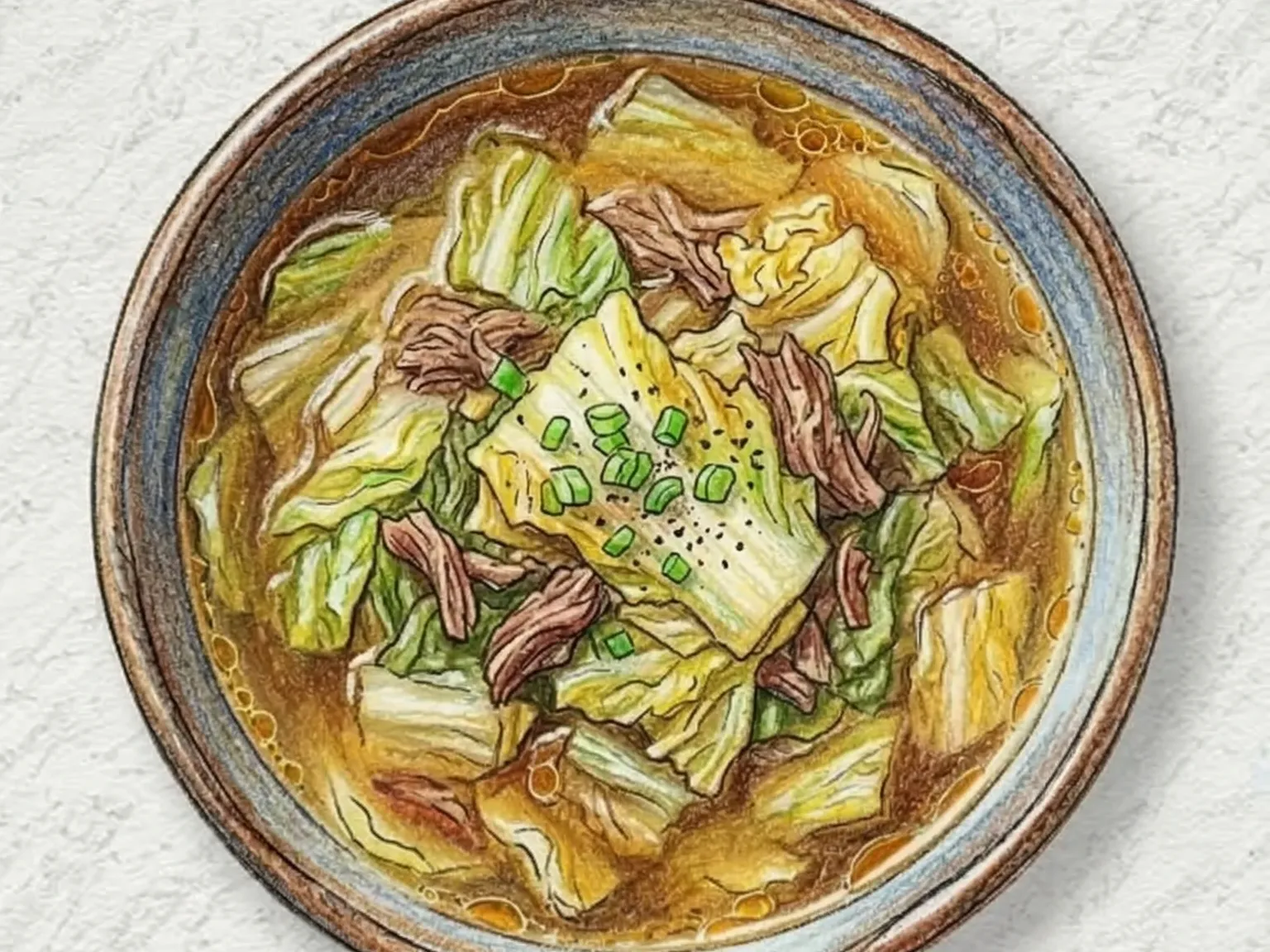
Soegogi baechu-guk begins with beef brisket seared in sesame oil until the edges brown and the pan fills with a toasty fragrance. Napa cabbage goes in next, wilting quickly against the hot fat before water or light stock is poured in to build the broth. As the soup simmers, the thick cabbage stems release a quiet sweetness that tempers the beef's richness, while the thinner leaf sections soften into something almost silky. A thin film of sesame-scented oil floats on the surface, delivering an aromatic note with every spoonful. Seasoned with soup soy sauce rather than salt, the broth stays clear with a light amber tint and tastes more of umami than sodium. Sliced scallion scattered on top just before serving adds a sharp, green brightness that cuts through the mellow base. The soup requires no elaborate stock preparation and comes together in under forty minutes, making it one of the most practical weeknight soups in the Korean home-cooking repertoire.
Adjust Servings
Instructions
- 1
Cut napa cabbage into 4-5 cm pieces and slice beef into bite-size strips.
- 2
Heat sesame oil in a pot and stir-fry beef for 2 minutes until lightly browned.
- 3
Add water and garlic, bring to a boil, and skim off foam.
- 4
Add cabbage and simmer over medium heat for 12 minutes until tender.
- 5
Season with soup soy sauce, then adjust with salt.
- 6
Add green onion, simmer 1 more minute, and serve hot.
As an Amazon Associate, we may earn from qualifying purchases.
Tips
Nutrition (per serving)
More Recipes

Korean Beef and Mushroom Soup
Soegogi beoseot-guk pairs seared beef with a medley of mushrooms in a clear, deeply savory broth. The beef is first stir-fried in sesame oil to develop a caramelized base, then button mushrooms, cut thick so they hold their shape, join the pot along with water or stock. As the soup simmers, the mushrooms leach glutamate into the liquid, layering umami on top of the beef's own juices without any added MSG or bouillon. Enoki mushrooms go in during the final minutes, contributing slippery strands that contrast with the meatier button slices. Soup soy sauce and minced garlic season the broth, keeping it translucent with a faintly woodsy aroma that lingers after each sip. A finish of sliced scallion and cracked black pepper sharpens the bowl just enough to keep the palate engaged from first spoonful to last. It is an understated soup that proves depth of flavor does not require complexity of technique.

Korean Young Napa Beef Soup
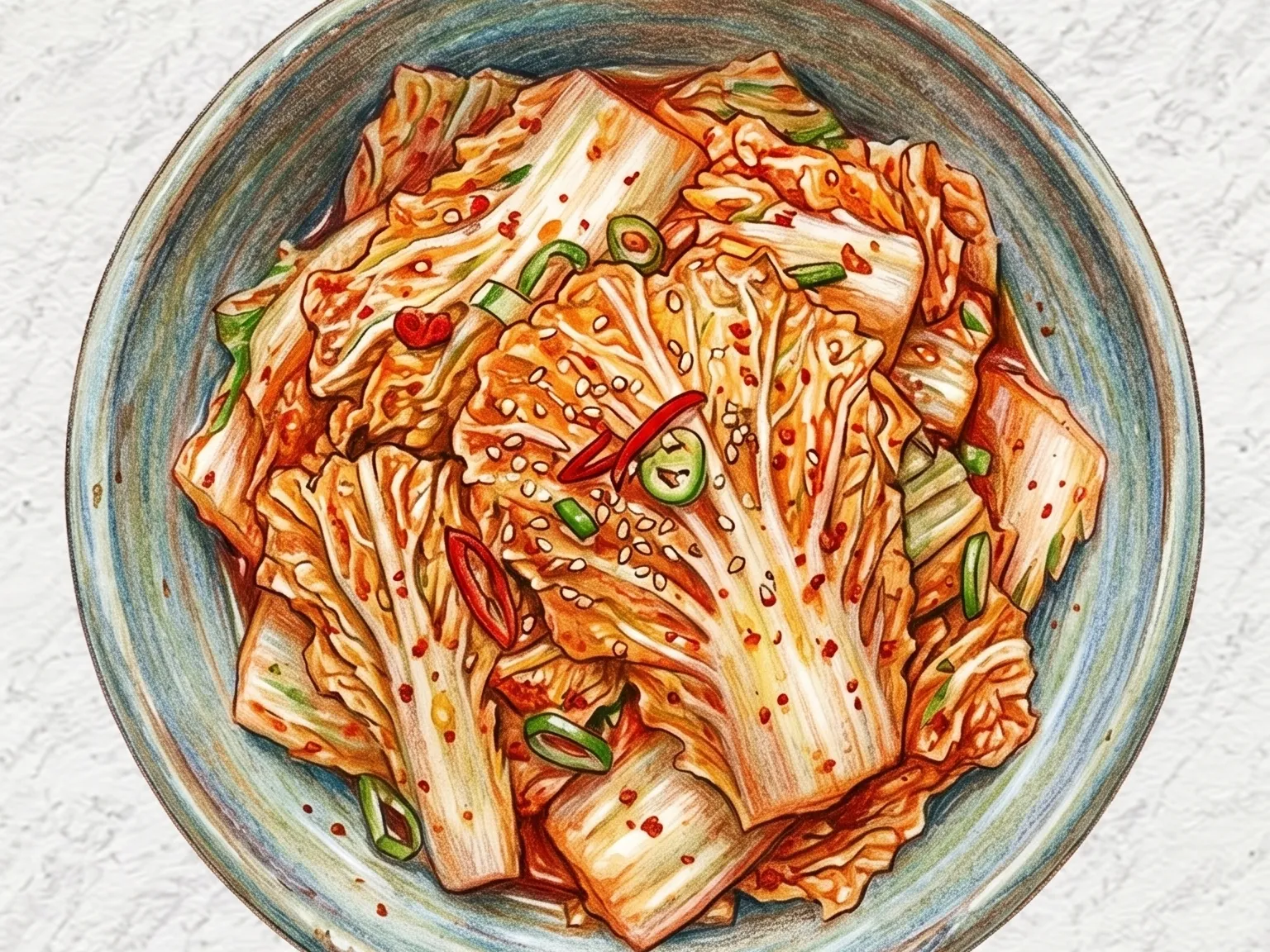
This soup starts by blanching young napa cabbage, then tossing it with doenjang, gochujang, chili flakes, and garlic before it ever meets the broth. Beef is simmered separately in water, skimmed clean, and cooked for fifteen minutes to build a clear, savory stock. The pre-seasoned greens then join the pot, absorbing the beefy liquid over twelve minutes of gentle boiling. Soup soy sauce adjusts the salt, and sliced green onion goes in at the very end, adding a sharp, fresh note that cuts through the layered spice of the broth.

Korean Beef Cabbage Leaf Soup
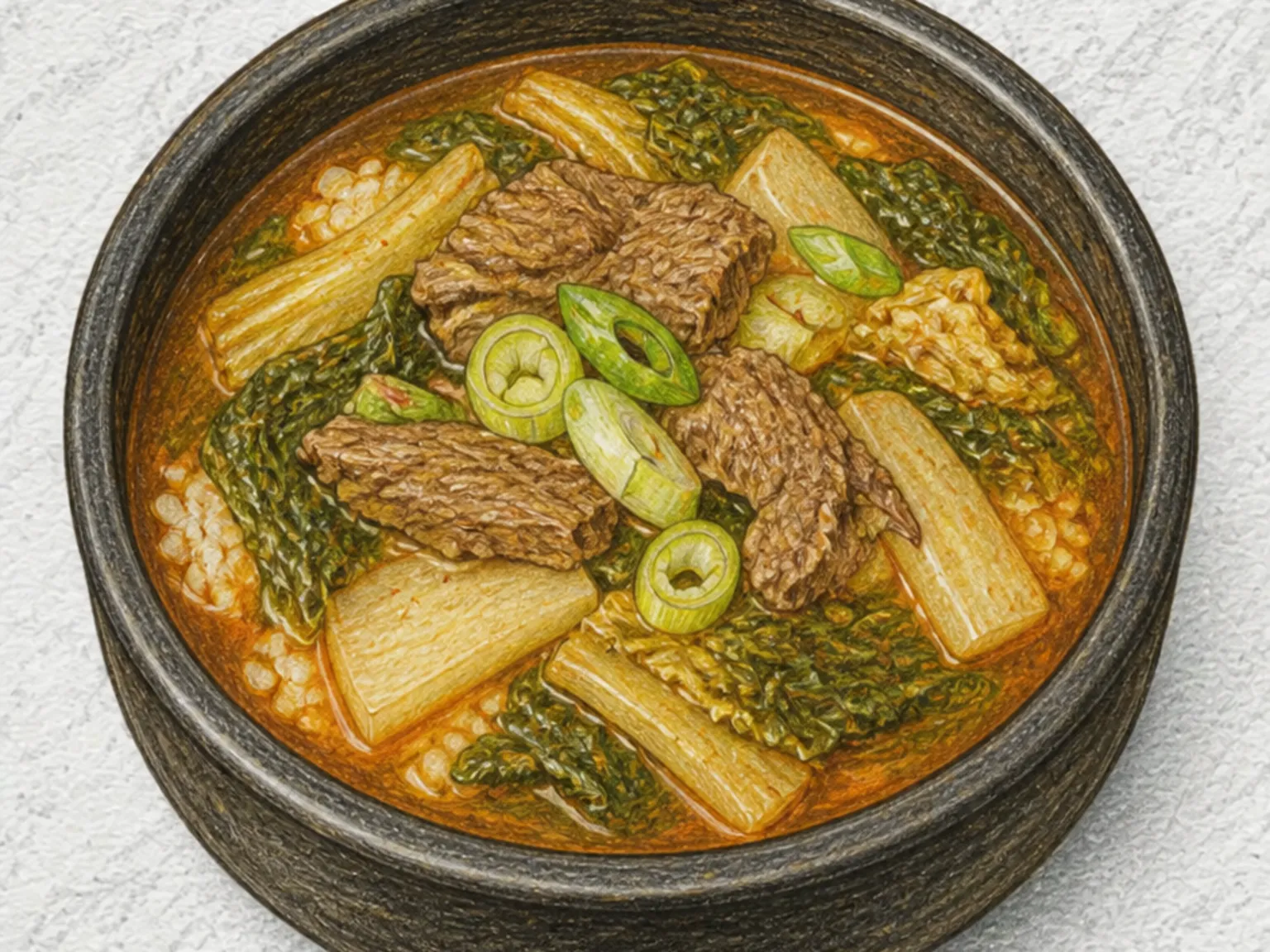
Ugeoji soegogi-guk is a spicy, savory Korean beef soup that draws its character from pre-seasoned napa cabbage outer leaves and a brisket-based broth. The ugeoji is rubbed with doenjang and gochugaru before it enters the pot, so when it meets the simmering beef stock, it releases both fermented soybean depth and a steady chili warmth that stains the broth a ruddy brown. The brisket, simmered until the fibers separate easily, is shredded and returned to the pot, adding lean, clean beef flavor throughout. As the ugeoji softens over extended cooking, it absorbs the surrounding liquid like a sponge, so each bite delivers a concentrated burst of the combined seasoning. Daikon radish, if included, tempers the heat with its natural sweetness, while generous amounts of sliced scallion perfume the entire bowl. The overall effect is a soup that is warming and robust without being aggressive - the spice level is calibrated to soothe rather than overwhelm, which makes it a go-to choice on cold days when the body needs both heat and substance.

Korean Napa Cabbage Doenjang Soup
Baechu doenjang guk is a foundational Korean soup where napa cabbage simmers in anchovy-kelp stock seasoned with doenjang. Straining the doenjang through a sieve as it dissolves into the broth keeps the liquid clear while extracting its full fermented flavor. The cabbage stems go in first and cook for five minutes to release their sweetness before the leaves and cubed tofu are added. A small spoonful of gochujang introduces a mild heat and a reddish tint that adds visual and flavor complexity. Sliced cheongyang chili and scallion enter in the last two minutes, contributing sharpness without becoming soft. Since doenjang saltiness varies between brands, starting with a conservative amount and adjusting by taste prevents over-seasoning. As the cabbage softens completely, its natural sweetness seeps into the broth and balances the deep, earthy character of the fermented paste.

Korean Beef Cabbage Leaf Stew
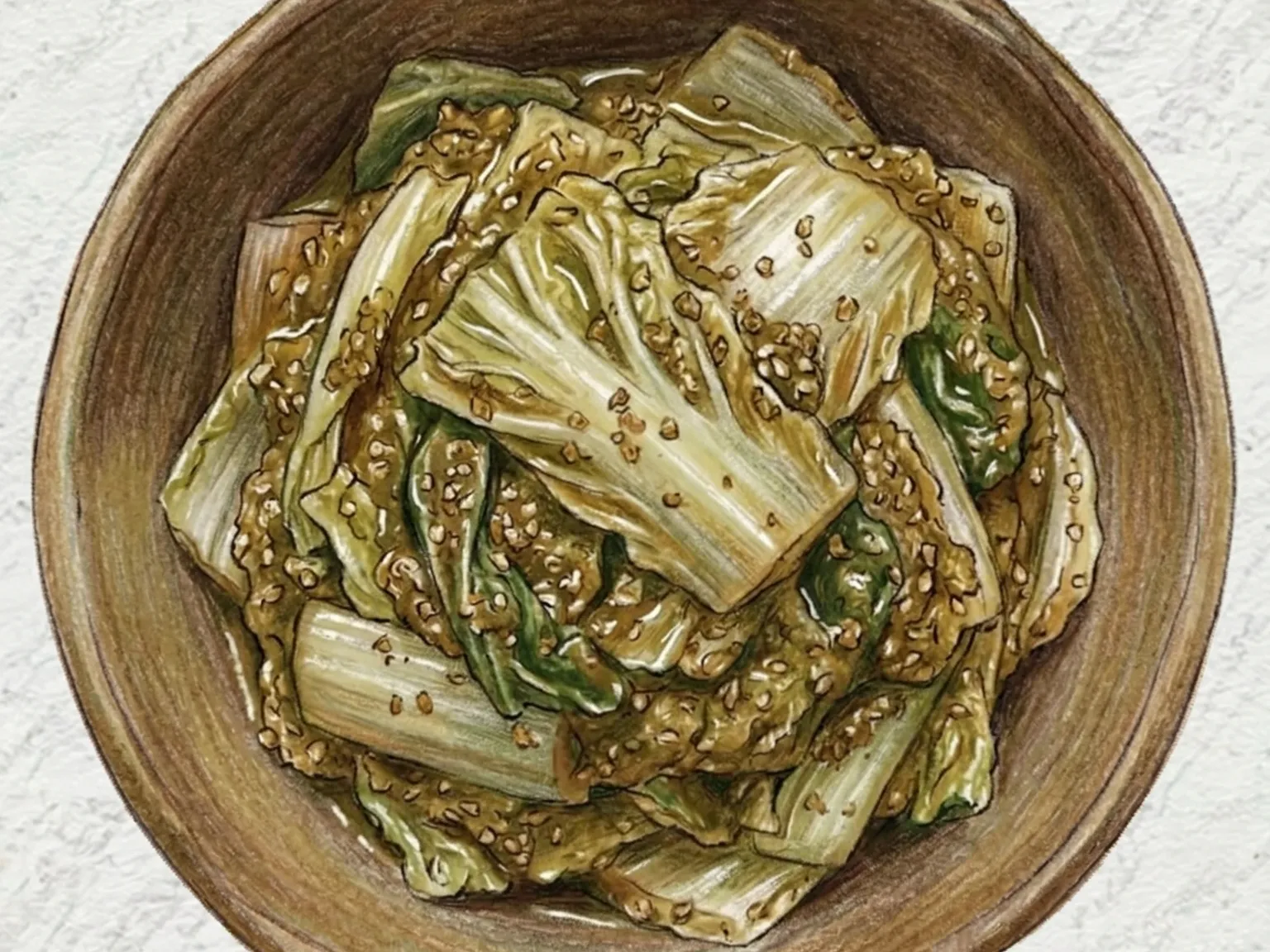
Beef brisket and blanched napa outer leaves are slow-simmered with doenjang in this robust Korean stew. The brisket renders a rich, meaty broth that permeates every strand of the fibrous ugeoji leaves. Gochugaru and perilla oil contribute mild heat and nutty undertones, while soup soy sauce refines the seasoning. Green onion and garlic brighten the deep, long-cooked flavors, making this a nourishing stew built on a foundation of quality beef stock.

Korean Dried Pollock Napa Stew
This stew pairs dried pollock strips with napa cabbage for a mild, comforting bowl built on clean flavors. The pollock releases a savory, slightly sweet depth into the broth as it rehydrates, while the cabbage softens and adds natural sweetness. Firm tofu and zucchini round out the ingredients, and a touch of perilla oil lends a nutty fragrance. Seasoned simply with soup soy sauce, it works well as a hangover remedy or a light weekday meal.