Korean Beef Mushroom Stew
Quick answer
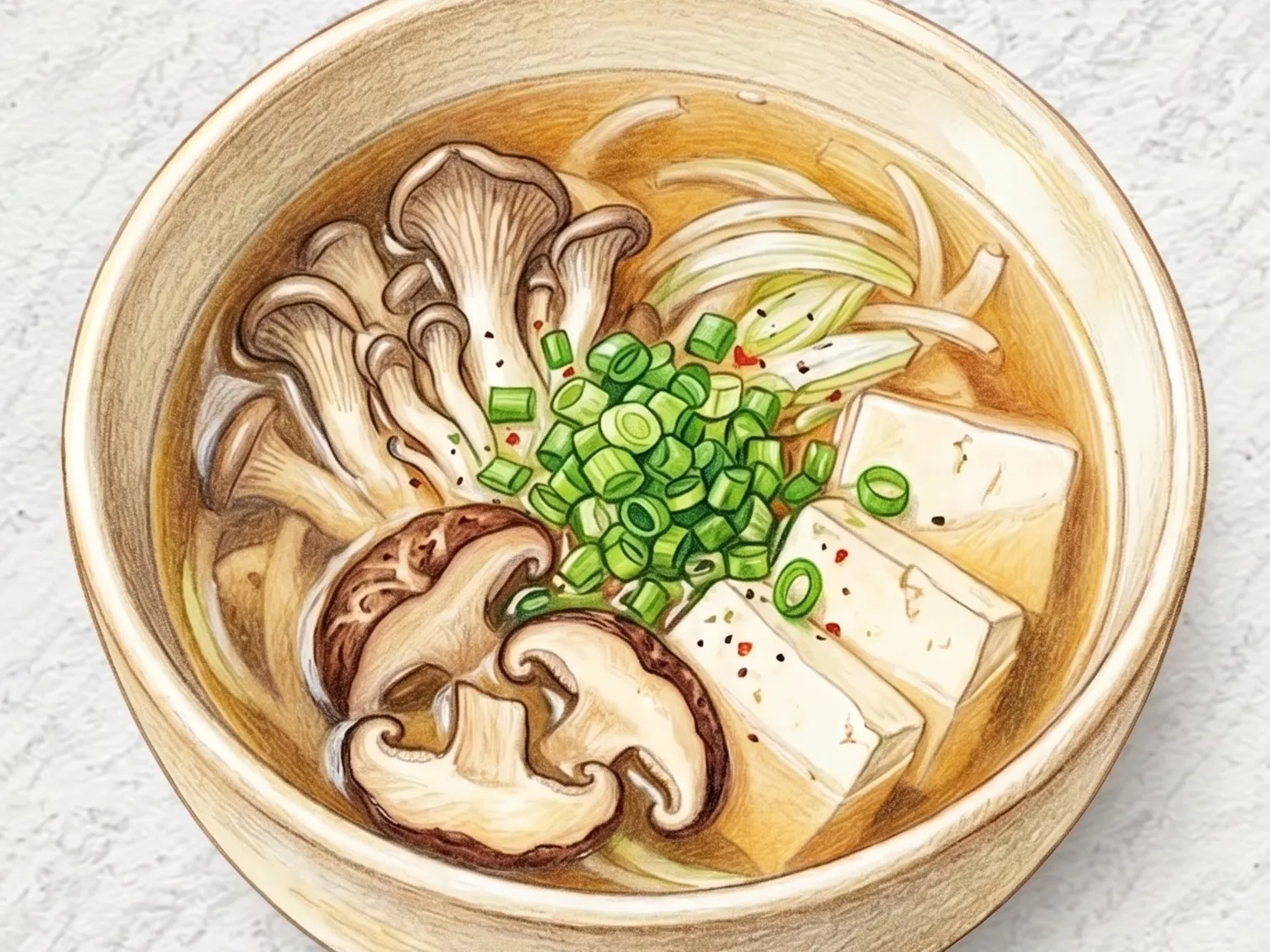
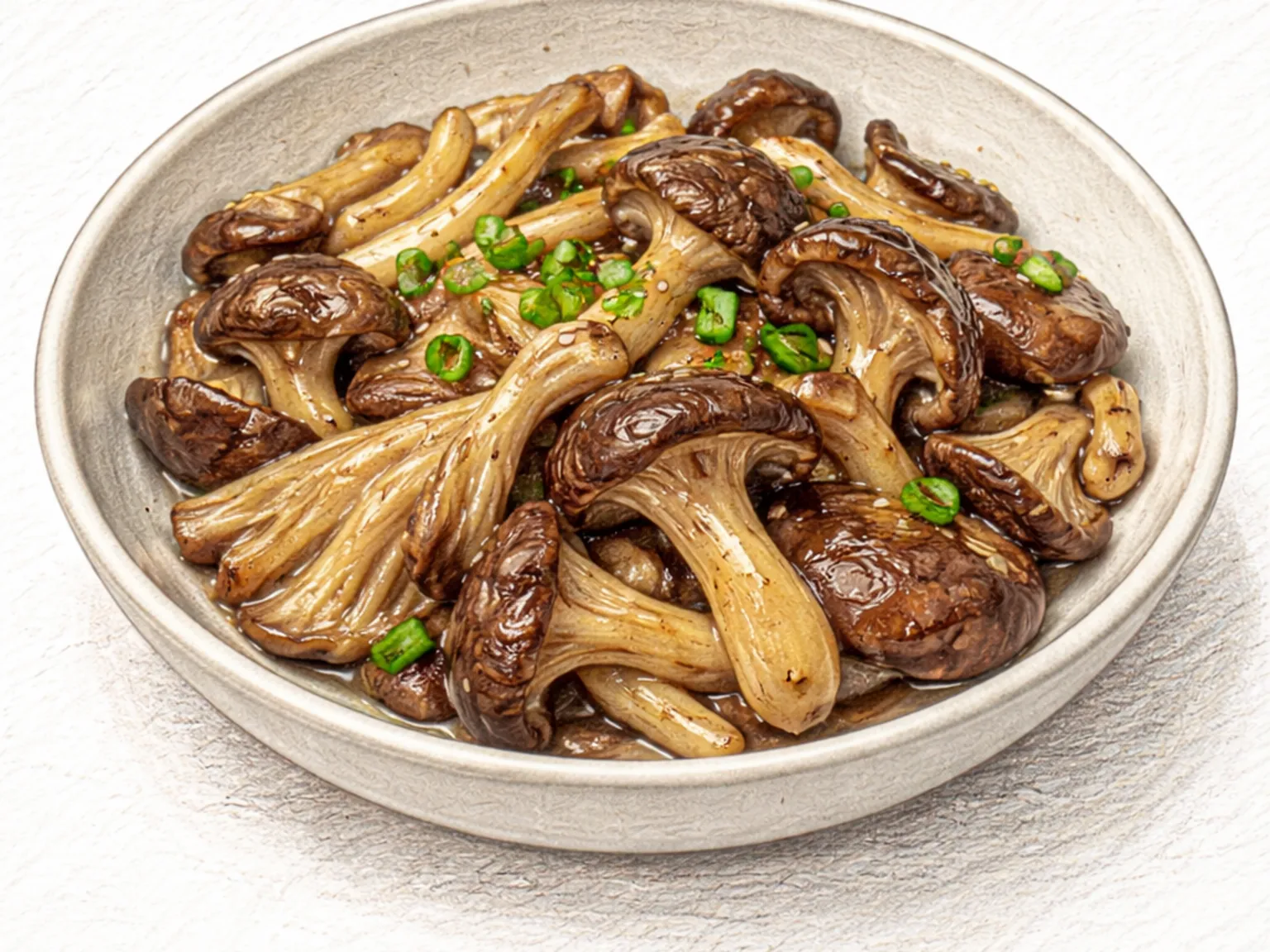
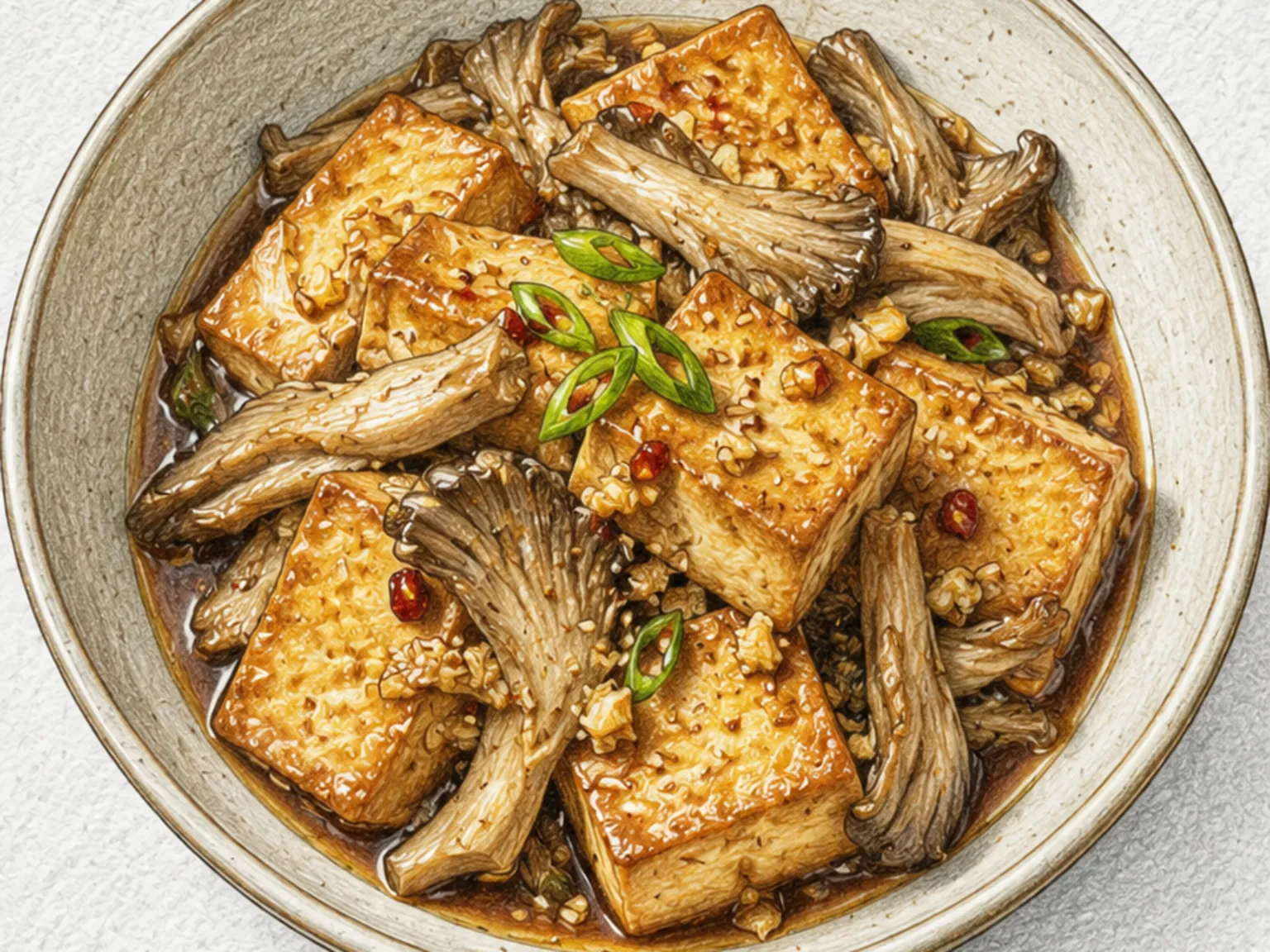
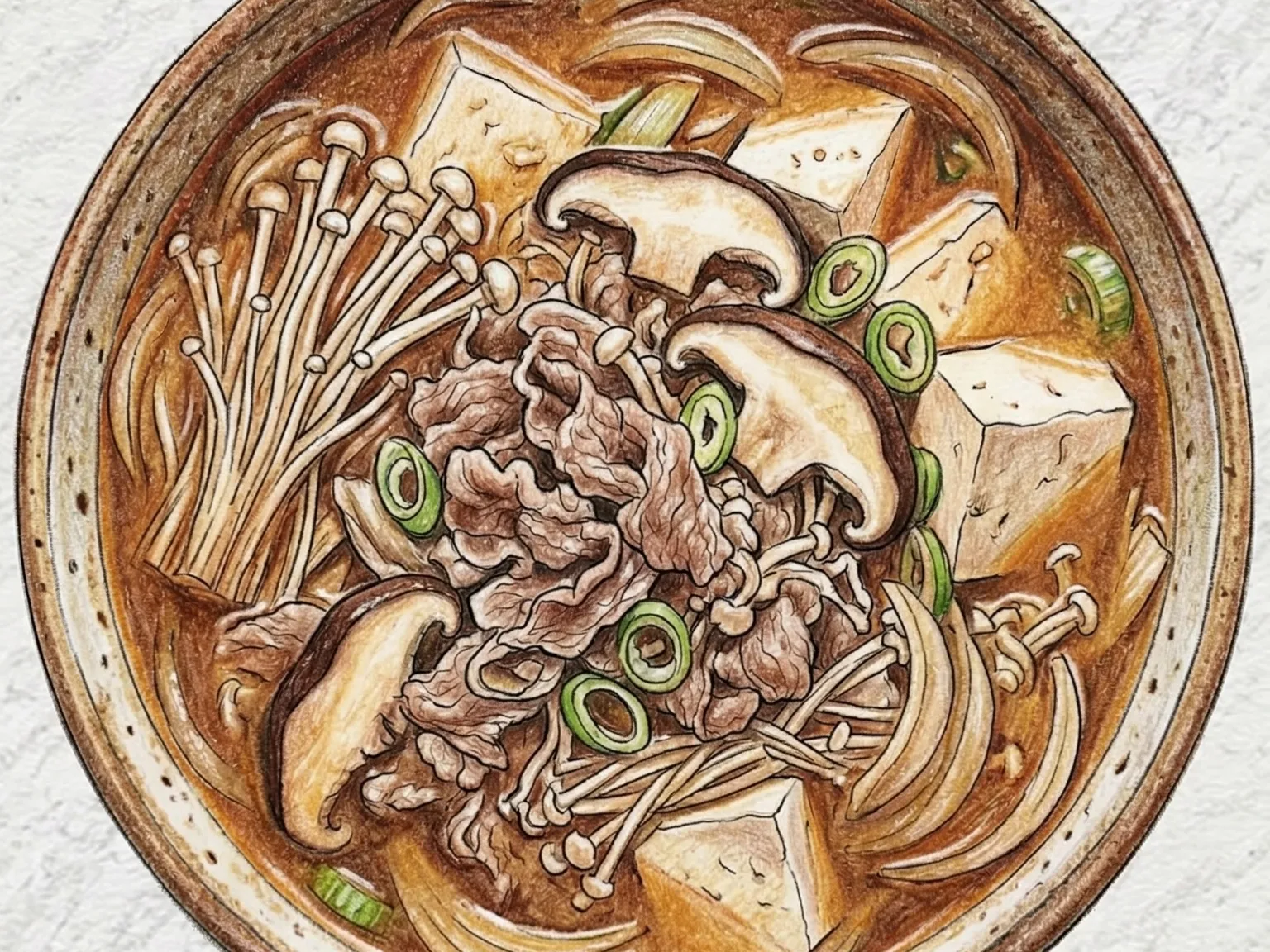
Soegogi-beoseot-jjigae is a Korean stew featuring thinly sliced beef with oyster mushrooms and shiitake mushrooms in a beef stock base.
What makes this special
- Thinly sliced beef and oyster mushrooms simmer together in this savory soegogi beoseot jjigae.
- Oyster mushrooms torn by grain so broth soaks into each fiber
- Shiitake stems removed; caps only give clean umami without bitterness
Key ingredients
Core cooking flow
- 1 Pat 300 g sliced beef dry with a paper towel and cut it into bite-size pieces.
- 2 Tear 180 g oyster mushrooms along the grain, then remove the tough stems fro...
- 3 Heat a pot over high heat until hot, then add the prepared mushrooms and stir for about 1 minute.
Soegogi-beoseot-jjigae is a Korean stew featuring thinly sliced beef with oyster mushrooms and shiitake mushrooms in a beef stock base. The beef stays tender throughout the cooking time because it is cut thin, and the two varieties of mushrooms contribute layered umami that deepens the broth considerably. Firm tofu absorbs the surrounding liquid and takes on the flavors of the stew while adding protein and body to the pot. Onion and green onion provide sweetness and fragrance that round out the savory base. The stew is seasoned simply with soup soy sauce and garlic, which keeps the natural flavors of beef and mushroom prominent. Tearing oyster mushrooms by hand along their grain allows the broth to penetrate the fibers better than cutting, and removing the tough stems from shiitake mushrooms before adding them keeps the broth clean and free of bitterness.
Instructions
Read the steps as a cooking flow: prep, heat, seasoning, doneness control, and finish.
- 1Heat
Pat 300 g sliced beef dry with a paper towel and cut it into bite-size pieces.
If the surface stays wet, the beef will steam instead of browning, so press firmly and keep the pieces separated before cooking.
- 2Prep
Tear 180 g oyster mushrooms along the grain, then remove the tough stems from 120 g shiitake mushrooms and slice the caps.
Cut 220 g tofu into 2 cm cubes, chop the onion coarsely, and slice the green onion diagonally.
- 3Control
Heat a pot over high heat until hot, then add the prepared mushrooms and stir for about 1 minute.
Remove them once their aroma rises and the edges look slightly dry, before too much liquid collects in the pot.
- 4Control
Return the pot to medium heat, add the beef and 1 tablespoon minced garlic, and stir-fry for 3 minutes.
When the surfaces turn brown, skim off only obvious excess fat so the broth stays clean.
- 5Control
Pour in 1000 ml beef stock and 2 tablespoons soup soy sauce, then bring it to a boil over high heat.
Lower to medium, simmer for 8 minutes, and skim foam as it rises to the surface.
- 6Finish
Add the onion and seared mushrooms, simmer for 7 minutes, then add the tofu and green onion and cook 4 minutes more.
Serve when the tofu turns faintly yellow from the broth and any floating fat has been skimmed.
After the steps
Pick a recipe that fits this dish.
Continue with shared ingredients, meal pairings, or a similar method.
Recipes That Go Well With This
More Stews →Based on shared ingredients and meal pairing
Korean Perilla Leaf Beef Stew
Korean perilla leaf beef stew is a savory broth dish that combines thinly sliced beef with perilla leaves. The cooking process starts by marinating the beef with soup soy sauce and minced garlic, then stir-frying it briefly with sliced onions to extract its natural flavors. Anchovy stock is then poured into the pot and brought to a boil. Red pepper flakes, soup soy sauce, and garlic are added to build a spicy broth, followed by cubes of firm tofu that simmer for several minutes to absorb the seasoning. At the very end of cooking, twelve fresh perilla leaves are sliced and added to the pot for just a minute or two along with green onions. This late addition ensures the delicate, herbal aroma of the perilla leaves is preserved, infusing the entire stew. Seasoned primarily with soup soy sauce, the stew highlights the distinct taste of beef and perilla without heavy seasonings.
Korean Beef and Mushroom Rice Bowl
Sogogi-beoseot deopbap is a Korean beef and mushroom rice bowl that sautees sliced beef with king oyster and shiitake mushrooms in soy-butter sauce. The beef is seared first over high heat to develop a golden crust, then the thickly cut mushrooms go in and absorb the rendered juices, forming a naturally concentrated sauce in the pan. A knob of butter melted in at the end adds a creamy richness, while soy sauce ties everything together with a salty umami backbone. Minced garlic and sliced scallion layered into the stir-fry build an aromatic base that makes the topping fragrant the moment it hits the rice. The mushrooms hold their springy bite against the tender beef, giving each mouthful a satisfying textural contrast.
Korean Shepherd's Purse Doenjang Pot Rice
This spring pot rice infuses each grain with the deep, earthy flavor of doenjang dissolved in kelp stock. Naengi, or shepherd's purse, contributes a gentle herbal bitterness that offsets the fermented saltiness, while zucchini and onion bring natural sweetness for balance. Vegetables are first sauteed in perilla oil for fragrance, then doenjang and soaked rice join the pot for a slow cook. Naengi goes in after the pot starts boiling to protect its delicate aroma, and ground sesame seeds finish the dish with a final nutty layer.
Korean Beef & Mung Bean Sprout Stew
Sukju soegogi jjigae is a spicy, clean-finishing Korean stew made by simmering beef brisket and mung bean sprouts together in a gochugaru-seasoned broth. The brisket is soaked in cold water to draw out blood before being briefly boiled and skimmed, which keeps the broth clear and free of off-flavors as it simmers. As the brisket slowly cooks through, it releases a deep, meaty base that forms the backbone of the stew's flavor, seasoned with chili flakes and soup soy sauce for a spicy, savory kick. Korean radish cooked alongside the meat counteracts any heaviness in the broth and contributes a clean, refreshing note to the finish, while oyster mushrooms add a layer of chewy umami. Mung bean sprouts go in last and should cook for no more than two minutes to preserve their snap; prolonged heat softens them completely and removes the textural contrast that defines the dish. Ladled over a bowl of steamed rice, the spicy broth seeps into every grain and turns the whole combination into a satisfying single-bowl meal.
Serve with this
Korean Fresh Cabbage Kimchi
Geotjeori is kimchi's immediate cousin - raw napa cabbage dressed in gochugaru seasoning and eaten right away without any fermentation. The cabbage is salted for about twenty minutes to draw out moisture and soften the texture slightly, then squeezed dry and tossed with red pepper flakes, anchovy fish sauce, minced garlic, minced ginger, sugar, and a finishing drop of sesame oil. The brief salting pulls just enough water from the leaves to let the seasoning coat them evenly while keeping the cabbage noticeably crisper than fermented kimchi. Without the lactic acid produced during aging, the flavor profile is fresher and more direct - the heat of the gochugaru and the savory depth of the fish sauce come through cleanly rather than sitting under layers of fermented complexity. Geotjeori is best eaten the day it is made and should be used within a day or two if refrigerated. Koreans pair it with grilled pork belly, alongside doenjang-jjigae, or as a quick substitute when the aged kimchi jar runs empty.
Korean Pickled Shishito Peppers
Kkwarigochu jangajji is a Korean pickled shishito pepper side dish made by pricking each pepper all over with a toothpick, blanching briefly in salted boiling water for thirty to sixty seconds, and submerging them with sliced garlic and optional cheongyang chili in a brine of soy sauce, vinegar, and sugar brought to a boil. Pricking the peppers before blanching ensures the brine penetrates evenly through the hollow interior, eliminating any difference in seasoning between the skin and the flesh inside. Blanching for only thirty seconds to one minute wilts the peppers just enough to make them pliable while keeping a firm, springy bite and their natural mild heat. Pouring the brine hot, then letting the jar cool before refrigerating, helps the peppers hold their green color rather than browning. Vinegar cuts through the saltiness of the soy sauce and prevents the pickle from tasting heavy, while sugar smooths the sharpness into a balanced, clean finish. Ready after at least one day of refrigeration and keeps well for over a week, making it a reliable banchan to have on hand when the weeknight table needs one more dish.
Korean Dried Radish Greens Pancake
Boiled dried radish greens are combined with doenjang and pan-fried into a dense, rustic jeon with deep fermented character. The fibrous texture of the radish greens gives the pancake a satisfying chew, and the soybean paste saturates the batter so thoroughly that no dipping sauce is necessary. Buckwheat flour adds an earthy coarseness that suits the greens well. Cheongyang chili provides a spicy accent throughout. Minced garlic benefits from a brief saute in oil before being mixed into the batter-the raw edge cooks off and the garlic's savory depth integrates fully into the finished pancake. Cooking over low heat lets the inside set without burning the outside, producing a crisp surface and a tender, flavorful center.
Similar recipes
Korean Tomato Beef Rib Stew
Tomato galbi jjigae is a fusion Korean stew that combines beef short ribs with ripe tomatoes in a spicy broth seasoned with gochujang and gochugaru. The preparation requires soaking the ribs to remove blood, followed by a ten-minute blanching step to eliminate impurities. The ribs are then simmered with onions and minced garlic for twenty-five minutes to extract a golden beef stock. Ripe tomatoes and large potato chunks are added to the pot along with soy sauce, chili paste, and chili powder. As the mixture simmers for twelve minutes, the natural acidity of the tomatoes balances the rich fat from the ribs, creating a thick, savory broth. The potatoes cook until soft and floury, adding substance to the stew. The dish is finished by letting it rest off the heat for three minutes, ensuring the beef ribs become tender throughout.
Korean Bracken Fern and Beef Stew
Gosari-soegogi-jjigae is a Korean stew of parboiled bracken fern and beef brisket simmered together in a clear, gochugaru-seasoned broth. Bracken has a distinctly springy yet tender texture once fully rehydrated, and it absorbs the beefy broth deeply, carrying the earthy, herbal notes of the fern through each piece. Korean radish adds a clean, slightly sweet dimension to the broth, while soup soy sauce and gochugaru together build depth and a moderate heat that defines the stew's character. This stew is closely associated with Korean ceremonial cooking, appearing regularly at holiday tables and ancestral rites where its grounding flavors are particularly valued. Bracken must be thoroughly boiled and soaked in cold water to remove natural toxins and soften the texture before it can be used; brisket should be soaked to draw out the blood before cutting so the broth stays clear and does not turn murky during cooking.
Korean Beef and Mushroom Soup
Soegogi beoseot-guk pairs seared beef with a medley of mushrooms in a clear, deeply savory broth. The beef is first stir-fried in sesame oil to develop a caramelized base, then button mushrooms, cut thick so they hold their shape, join the pot along with water or stock. As the soup simmers, the mushrooms leach glutamate into the liquid, layering umami on top of the beef's own juices without any added MSG or bouillon. Enoki mushrooms go in during the final minutes, contributing slippery strands that contrast with the meatier button slices. Soup soy sauce and minced garlic season the broth, keeping it translucent with a faintly woodsy aroma that lingers after each sip. A finish of sliced scallion and cracked black pepper sharpens the bowl just enough to keep the palate engaged from first spoonful to last. It is an understated soup that proves depth of flavor does not require complexity of technique.