Korean Sogogi Jangjorim (Soy-Braised Beef)
Steamed Medium

Korean Sogogi Jangjorim (Soy-Braised Beef)

Quick answer

Sogogi jangjorim is one of Korea's essential make-ahead side dishes, made by boiling lean beef round until thoroughly tender, shredding it cleanly along the grain, and br...

What makes this special

  • Sogogi jangjorim shreds easily along the grain after a slow braise with quail eggs in a garlic-soy liquid.
  • Slicing against the grain keeps the beef tender and easy to pull apart after braising
  • Low heat for 40 minutes in soy, sugar, and garlic lets the seasoning reach the center
Total time
90 min
Level
Medium
Servings
4 servings
Ingredients
8
Calories
320 kcal
Protein
34 g

Key ingredients

lean beef roundquail eggssoy saucewatersugar

Core cooking flow

  1. 1 Soak 500 g lean beef round in cold water for 20 minutes to draw out blood.
  2. 2 Put the beef in a pot with 900 ml water, 40 g green onion, 20 g garlic, and 2 bay leaves.
  3. 3 When it boils, lower to medium heat and cook for about 30 minutes.

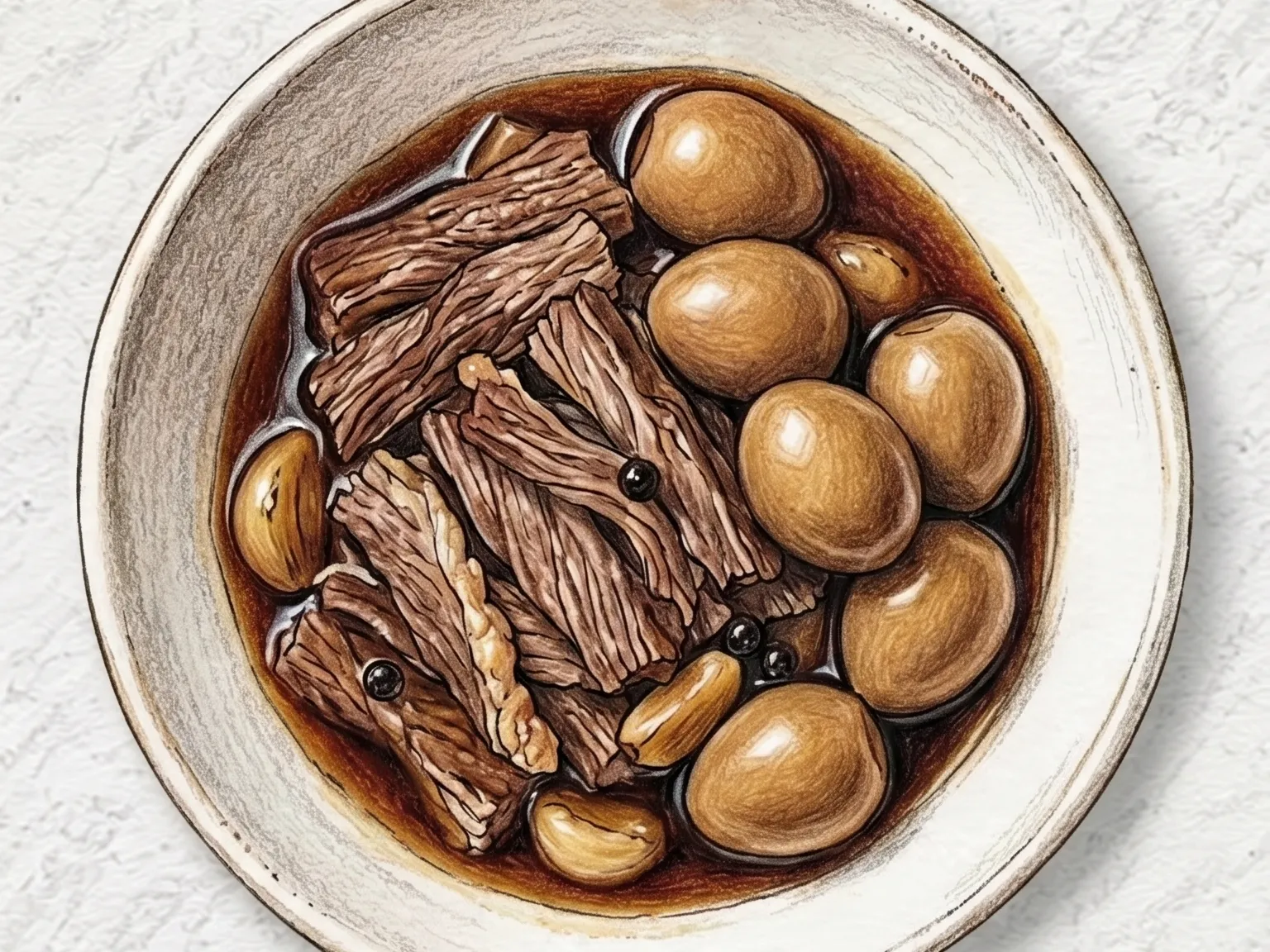
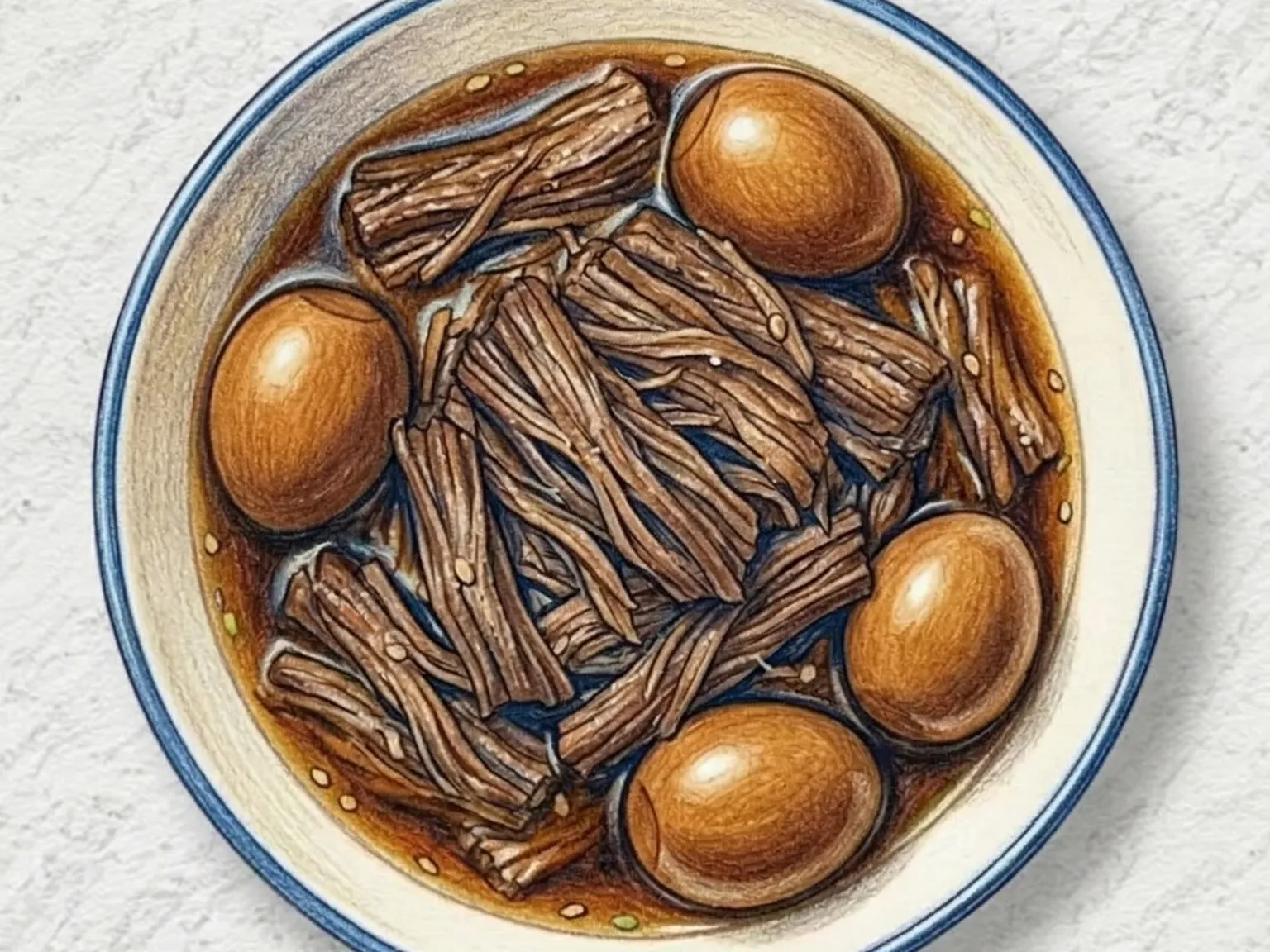
Sogogi jangjorim is one of Korea's essential make-ahead side dishes, made by boiling lean beef round until thoroughly tender, shredding it cleanly along the grain, and braising the shreds with quail eggs in soy sauce, sugar, and garlic. Using the beef cooking broth as the braising base means every spoonful of the liquid carries concentrated, bone-deep meat flavor that plain water could not produce. The quail eggs take on a deep amber-brown color as they simmer, absorbing the soy seasoning all the way through to the yolk rather than just on the surface. Cooling the pot completely before refrigerating is not merely a storage step but a flavor step: both the meat and the eggs continue to draw in seasoning as the temperature drops, resulting in a more uniform taste throughout. Once fully chilled, the braising liquid partially solidifies into a savory coating around each piece of beef and every egg, helping the dish maintain its intensity for days. Refrigerated, this banchan keeps well over a week, making it a staple of Korean weekly meal preparation. The shredded beef tucks easily between grains of rice, and the firm bite of the quail eggs provides a satisfying textural contrast that makes it impossible to stop at just a few bites.

Prep 20min Cook 70min 4 servings
Recipes by ingredient → garlic green onion

Instructions

Read the steps as a cooking flow: prep, heat, seasoning, doneness control, and finish.

6 steps
  1. 1
    Heat

    Soak 500 g lean beef round in cold water for 20 minutes to draw out blood.

    If the water turns very cloudy, replace it once, then cut the beef into large chunks for even boiling.

  2. 2
    Control

    Put the beef in a pot with 900 ml water, 40 g green onion, 20 g garlic, and 2 bay leaves.

    Bring to a boil over high heat, then skim off foam so the broth stays clean.

  3. 3
    Control

    When it boils, lower to medium heat and cook for about 30 minutes.

    Remove the beef when a chopstick can enter the meat with slight resistance, but before the chunks fall apart.

  4. 4
    Heat

    Let the beef cool just until it can be handled, then shred it lengthwise along the grain.

    Strain the cooking broth and measure 500 ml to use as the braising base.

  5. 5
    Control

    Return 500 ml broth to the pot with 140 ml soy sauce, 25 g sugar, the shredded beef, and 20 quail eggs.

    Simmer over medium-low heat for 30 minutes so the eggs slowly darken.

  6. 6
    Season

    Turn off the heat when about one-third of the braising liquid remains and the quail eggs are brown.

    Cool completely so the seasoning settles into the beef and eggs, then refrigerate for storage.

After the steps

Pick a recipe that fits this dish.

Continue with shared ingredients, meal pairings, or a similar method.

Recipes That Go Well With This

More Steamed →

Based on shared ingredients and meal pairing

Korean Beef & Quail Egg Soy Braise
Shared ingredient: lean beef round Side dishes

Korean Beef & Quail Egg Soy Braise

Beef and quail egg jangjorim is a traditional Korean side dish made by simmering beef in a seasoned soy sauce liquid. The preparation starts by boiling beef eye round for twenty minutes to create a clear broth. The cooked beef is then shredded by hand along its natural grain to allow the seasoning to penetrate the fibers. After straining the broth, soy sauce, sugar, minced garlic, black peppercorns, and green onion are boiled to infuse the liquid. The shredded beef and peeled hard-boiled quail eggs are added to this mixture and simmered on low heat for fifteen minutes until the sauce reduces by half. This braising process coats the beef and eggs in a glossy glaze. Once cooled and stored in the refrigerator, this salty side dish is served cold in small portions to accompany bowls of plain rice.

Korean Soy-Braised Quail Eggs
Shared ingredient: quail eggs Steamed

Korean Soy-Braised Quail Eggs

Mechurial-jangjorim is a Korean soy-braised quail egg dish simmered slowly with garlic cloves and shishito peppers in a seasoned soy sauce base. As the eggs steep in the braising liquid, the soy works its way through the egg white and gradually into the yolk, staining the exterior a deep mahogany brown and seasoning the interior evenly throughout. The braising liquid is built from a measured ratio of water, soy sauce, sugar, and cooking wine to keep the saltiness in check and the glaze balanced. Whole garlic cloves soften gently in the liquid and release a mellow, savory depth that enriches the overall flavor without sharpness. Shishito peppers are added partway through rather than at the start so they retain some snap and their mild green aroma, preventing them from going completely soft. The liquid is reduced until just a small amount remains, coating each egg in a glossy, concentrated glaze. Each egg is a single self-contained bite, which makes this banchan a staple in lunchboxes and a popular snack for children, and it remains one of the most recognizable everyday Korean side dishes.

Korean Beef & Shiitake Japchae
Serve together Side dishes

Korean Beef & Shiitake Japchae

Japchae originated as a Joseon royal court dish of stir-fried vegetables before sweet potato glass noodles were added to create the form recognized today. This version pairs glass noodles with soy-marinated beef and sliced shiitake mushrooms. Each component cooks separately: beef and mushrooms stir-fried with garlic, spinach blanched and squeezed dry, carrots and onions sauteed until just tender. A final toss with sesame oil brings everything together. The noodles should be translucent and springy, carrying a sweet-salty soy glaze into each forkful. A standard presence on every Korean holiday table at Chuseok, Seollal, and birthday celebrations alike.

Korean Soy-Braised Beef with Mushrooms
Similar recipe Steamed

Korean Soy-Braised Beef with Mushrooms

Sogogi beoseot jangjorim is a Korean soy-braised banchan of beef eye round, shiitake mushrooms, and whole garlic cloves, simmered down in soy sauce and soup soy sauce. The beef is boiled first and the resulting clear stock becomes the braising liquid, so the soy sauce carries a deep meat flavor from the very beginning. Shiitake mushrooms contribute their own aromatic umami on top of that base, and whole garlic cloves lose their sharp bite during the long simmer, turning mellow and lightly sweet. Shredding the beef along the grain exposes more surface area to the sauce and makes it easier to portion out. An overnight rest in the refrigerator lets every component absorb the seasoning more fully, and the flavor is noticeably richer the next day. It keeps well for over a week refrigerated, making it a practical and reliable make-ahead banchan.

Serve with this

Korean Cockle & Water Parsley Mixed Rice
Rice Medium

Korean Cockle & Water Parsley Mixed Rice

Kkomak-minari bibimbap is a seasonal rice bowl that comes together when cockles are at their peak in early spring, pairing the ocean sweetness of briefly blanched cockle meat with the clean, grassy sharpness of raw water parsley (minari). The cockle meat is rinsed in light salt water to remove any residual sand, then blanched for no more than thirty seconds in boiling water so the flesh stays springy rather than contracting into a rubbery texture. Julienned carrot and zucchini are each stir-fried separately, controlling moisture and flavor independently, then set aside to cool before assembly. A bowl of well-steamed rice is layered with the blanched cockles, the sauteed vegetables, and the raw minari placed on top last to protect its volatile fragrance from the heat below. A bibimbap sauce made from gochujang, sesame oil, minced garlic, and a touch of vinegar ties everything together when mixed, balancing the briny umami of the cockles against the brightness of the parsley. Sesame oil and toasted sesame seeds added at the end round the flavors and give the bowl a warm, nutty finish.

🎉 Special Occasion 🍱 Lunchbox
Prep 20min Cook 15min 2 servings
Korean Bitter Herb Kimchi
Kimchi Hard

Korean Bitter Herb Kimchi

Sseumbagwi kimchi is a traditional spring fermented side dish made from sseumbagwi, a wild bitter herb that grows in Korea during early spring. The herb is soaked in cold water for at least twenty minutes to pull back its pronounced bitterness before being salted to soften the stalks. It is then dressed in a seasoning paste built from gochugaru, sand lance fish sauce, minced garlic, ginger, sweet rice paste, and plum syrup, mixed together with cut scallions. The rice paste adds body to the seasoning so it clings to the herb's thin stems and narrow leaves rather than sliding off. Plum syrup works on both the bitterness and the salt's edge at once, smoothing the overall profile without masking the herb's character. Sand lance fish sauce is preferred over anchovy sauce here because its gentler aroma does not compete with the plant's natural flavor. Five hours of room-temperature fermentation followed by refrigeration sets off lactic acid development, layering tangy depth over the bitter-green base. The flavor peaks around day three when bitterness, acidity, and umami reach the best balance. If the raw herb tastes too sharp, one additional soak in fresh cold water brings it within range before seasoning.

🎉 Special Occasion 🍱 Lunchbox
Prep 45min Cook 5min 4 servings
Gomtang (Slow-Simmered Ox Bone Beef Soup)
Soups Hard

Gomtang (Slow-Simmered Ox Bone Beef Soup)

Gomtang is a Korean bone soup made by simmering beef leg bones and brisket in water for five to six hours or longer until the broth turns opaque and milky white. The prolonged cooking extracts collagen, marrow, and fat from the bones, giving the liquid a creamy texture and a deep beefy flavor that needs only salt and black pepper to taste complete. Before the long simmer begins, the bones should be soaked in cold water for at least an hour to draw out the blood, then parboiled briefly in a fresh pot of water and rinsed clean so that the final broth comes out clear and free of off flavors. The brisket is removed partway through cooking, sliced thin against the grain, and arranged on top of the steaming soup for serving. Sliced green onion and a generous shake of black pepper cut cleanly through the richness of the milky broth. The most common way to eat gomtang is with a bowl of steamed rice submerged directly into the soup, letting the grains soak up all the flavor. This is slow food in the truest sense - the hours of effort yield a pot that can sustain a family across two meals - and it remains one of the dishes Koreans reach for instinctively when the cold sets in.

🏠 Everyday 🎉 Special Occasion
Prep 60min Cook 360min 4 servings

Similar recipes

Korean Soy-Braised Pork Loin Strips
Steamed Medium

Korean Soy-Braised Pork Loin Strips

Dwaejigogi jangjorim is a Korean soy-braised pork dish made by simmering pork loin with whole garlic cloves, ginger, and cooking rice wine until the meat is completely tender. The pork is first boiled whole with enough water to fully submerge it, skimming the foam that rises to keep the braising liquid clean, then shredded along the grain and returned to the reduced soy liquid for a second round of simmering. Shredding along the grain rather than against it gives each strand more surface area to absorb the seasoned liquid, resulting in deeper, more even flavor throughout. The rice wine neutralizes the pork's gaminess from the start, while the whole garlic cloves soften completely during the long braise, turning mellow and spreadable. This dish keeps well refrigerated for several days and is typically served cold or at room temperature, making it a convenient banchan to portion out over multiple meals.

🏠 Everyday 🎉 Special Occasion
Prep 20min Cook 55min 4 servings
Korean Braised Quail Eggs and Shishito Peppers
Steamed Easy

Korean Braised Quail Eggs and Shishito Peppers

Kkwari-mechurial-jorim is a Korean banchan of boiled quail eggs and shishito peppers braised in soy sauce and oligosaccharide syrup until the glaze turns deeply glossy. The quail eggs absorb the soy-based liquid over the heat, gradually browning on the outside while the seasoning penetrates all the way to the yolk, giving every bite a uniform, savory depth. The peppers hold onto their crunch and mild grassy flavor even after cooking, providing a textural and aromatic contrast to the dense richness of the eggs. Oligosaccharide syrup keeps the glaze shiny and adds a gentle, rounded sweetness that does not overwhelm the soy, and sesame oil stirred in at the end along with whole sesame seeds finishes the dish with a clean, nutty aroma. The braising liquid should be cooked down until almost completely reduced -- that is when the glaze adheres firmly to each piece and stays shiny even as the dish cools. Piercing each shishito with a toothpick before cooking lets the seasoning penetrate the interior and prevents the peppers from bursting. Refrigerated, the flavors deepen overnight and the dish stays good for three to four days, which makes it a practical choice for weekly meal prep and packed lunches alike.

🏠 Everyday 🎉 Special Occasion
Prep 12min Cook 20min 4 servings
Korean Soy-braised Beef (Tender Shredded Brisket in Soy Glaze)
Side dishes Medium

Korean Soy-braised Beef (Tender Shredded Brisket in Soy Glaze)

Jangjorim is the soy-braised beef that lives semi-permanently in Korean refrigerators - a make-ahead banchan with a shelf life of roughly two weeks. Beef eye round (hongdukkasal) is the traditional cut because its uniform grain and low fat content allow clean shredding along the fibers, producing the signature stringy texture. The process is unhurried: thirty minutes of soaking to draw out blood, forty minutes of simmering with whole garlic and peppercorns, then shredding and returning to the pot with soy sauce and sugar for another twenty minutes. Hard-boiled eggs and shishito peppers added in the final stage absorb the dark soy broth - the eggs turn mahogany and the peppers contribute a gentle heat to the sauce. Swapping in quail eggs makes each piece lunchbox-sized. Flavor deepens noticeably after a day of refrigeration as the seasoning penetrates fully.

🏠 Everyday 🍱 Lunchbox
Prep 15min Cook 60min 4 servings

Tips

Resting overnight in the fridge deepens the flavor.
If too salty, add 2-3 tbsp water and simmer briefly.

Nutrition (per serving)

Calories
320
kcal
Protein
34
g
Carbs
8
g
Fat
16
g