Korean Marinated Beef Short Rib Grill
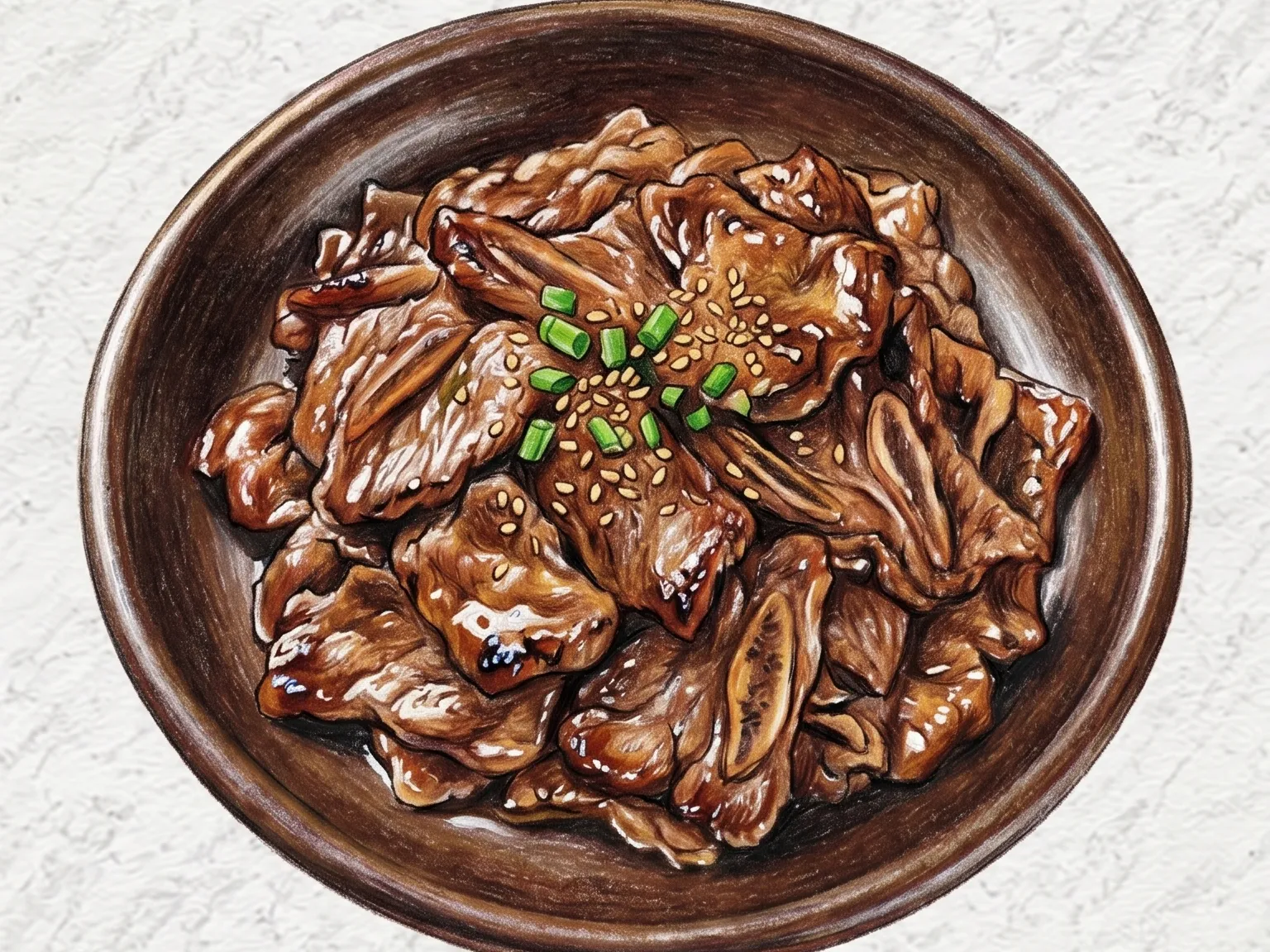
Beef ribs or bulgogi-cut slices are marinated for at least an hour in a blend of soy sauce, Korean pear juice, sugar, minced garlic, sesame oil, and black pepper. The pear's natural enzymes break down connective tissue while the soy-sugar combination penetrates deep into the meat. On a high-heat grill, the sugars in the marinade caramelize rapidly, forming a glossy, dark-brown glaze with visible char marks. Thin-cut pieces cook through in under four minutes total, and the interplay of charcoal smoke with the sweet-salty marinade defines the signature taste of Korean yangnyeom-gui.
Adjust Servings
Instructions
- 1
Mix soy sauce, pear juice, sugar, garlic, sesame oil, and pepper for marinade.
- 2
Marinate beef for at least 1 hour.
- 3
Heat the grill and add the marinated beef.
- 4
Grill over high heat, searing both sides quickly.
- 5
Slice and serve.
As an Amazon Associate, we may earn from qualifying purchases.
Tips
Nutrition (per serving)
More Recipes

Korean Flanken Ribs (Pear-Soy Marinated LA-Cut Beef Short Ribs)
LA-galbi-gui is a Korean grilled short rib dish using flanken-cut beef ribs marinated in a mixture of Asian pear juice, soy sauce, sugar, minced garlic, sesame oil, black pepper, and green onion. The enzymes in the pear juice break down tough connective tissue in the thin-sliced ribs, and the combination of soy sauce and sugar caramelizes over high heat to create a dark, glossy crust. Because the marinade contains significant sugar, cooking over medium heat and flipping frequently prevents charring, with each side needing only three to four minutes to cook through to the bone. Marinating overnight in the refrigerator allows the seasoning to penetrate fully between the bones, deepening the sweet-salty flavor considerably.

Korean Grilled Beef Plate Rib
Beef plate rib - a thick, fatty slab attached to the rib bone - delivers a more intense beef flavor than standard short ribs when grilled. After soaking in cold water to draw out blood, the scored meat marinates for at least thirty minutes in soy sauce, Korean pear juice, cooking wine, minced garlic, sesame oil, black pepper, and green onion. The marinade seeps into the score marks, seasoning the meat to its core. Grilled four to five minutes per side on medium-high heat and glazed with remaining marinade, the surface darkens to a lacquered finish. The meat near the bone has a pronounced chew, while fat-laced sections melt on the tongue with lingering umami.

Korean-Style Sirloin Steak
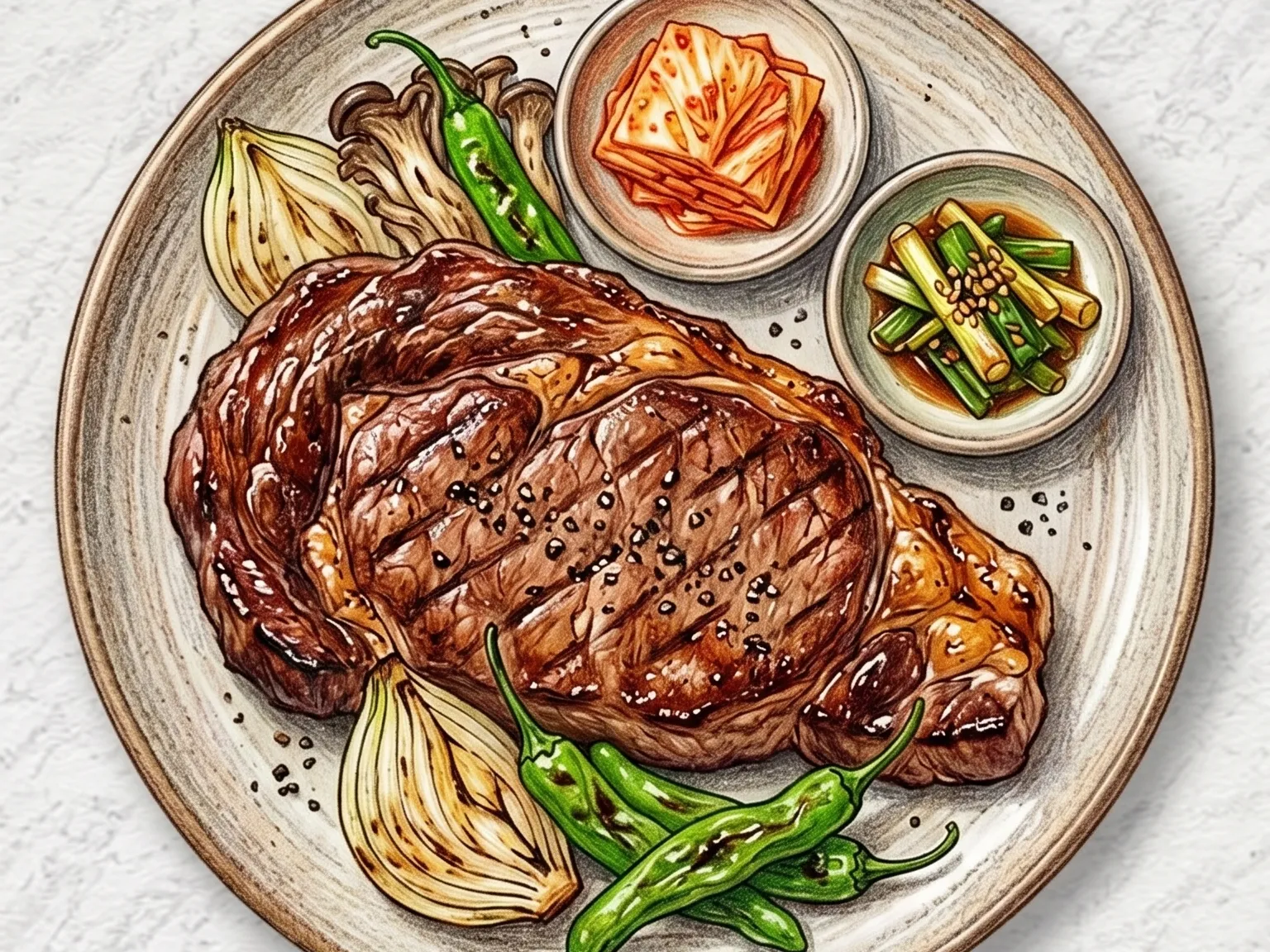
Deungsim steak-gui is a Korean-style sirloin steak marinated in soy sauce, sesame oil, sugar, minced garlic, and Korean pear juice, then seared on a hot pan or grill. The pear juice contains enzymes that tenderize the surface fibers of the meat, but marinating beyond thirty minutes risks making the texture mushy, so timing is key. Unlike Western steaks that rely on salt, pepper, and butter, this version builds its flavor around soy sauce and sesame oil, with sugar caramelizing at high heat to form a sweet-salty crust on the surface. Coarsely cracked black pepper finishes the steak, adding a spicy sharpness that bridges the gap between Korean bulgogi and a classic grilled steak.

Korean Marinated Beef Short Ribs
One kilogram of beef short ribs is soaked in cold water for thirty minutes, then marinated for at least an hour in grated Korean pear, onion juice, soy sauce, sugar, honey, minced garlic, sesame oil, cooking wine, and black pepper. The enzymes in pear and onion tenderize the meat, while soy sauce and honey caramelize on the grill into a dark, lacquered glaze. The ribs are seared on a preheated grill, then cooked at medium heat for three to four minutes per side with a final thin brush of marinade. This is a centerpiece dish for Korean holidays and dinner parties, with portions generous enough for a family of four.

Galbitang (Clear Korean Beef Short Rib Soup)
Galbitang is a clear Korean soup made by simmering beef short ribs in water with radish, garlic, and green onion until the broth develops a deep, beefy depth without becoming cloudy. Unlike the milky-white seolleongtang, galbitang keeps its broth relatively translucent, letting the natural fat from the ribs contribute a subtle richness rather than heavy opacity. The radish cooks down and sweetens the liquid, and the rib meat turns so soft it falls away from the bone with gentle pressure from chopsticks. Seasoning is traditionally minimal - salt and black pepper at the table - so the honest flavor of the beef stands front and center. A garnish of egg strip and sliced green onion adds color and freshness. Galbitang is comfort food for cold evenings and a staple in Korean restaurants year-round, served steaming hot with a bowl of rice on the side.

Korean Braised Short Rib Rice Bowl
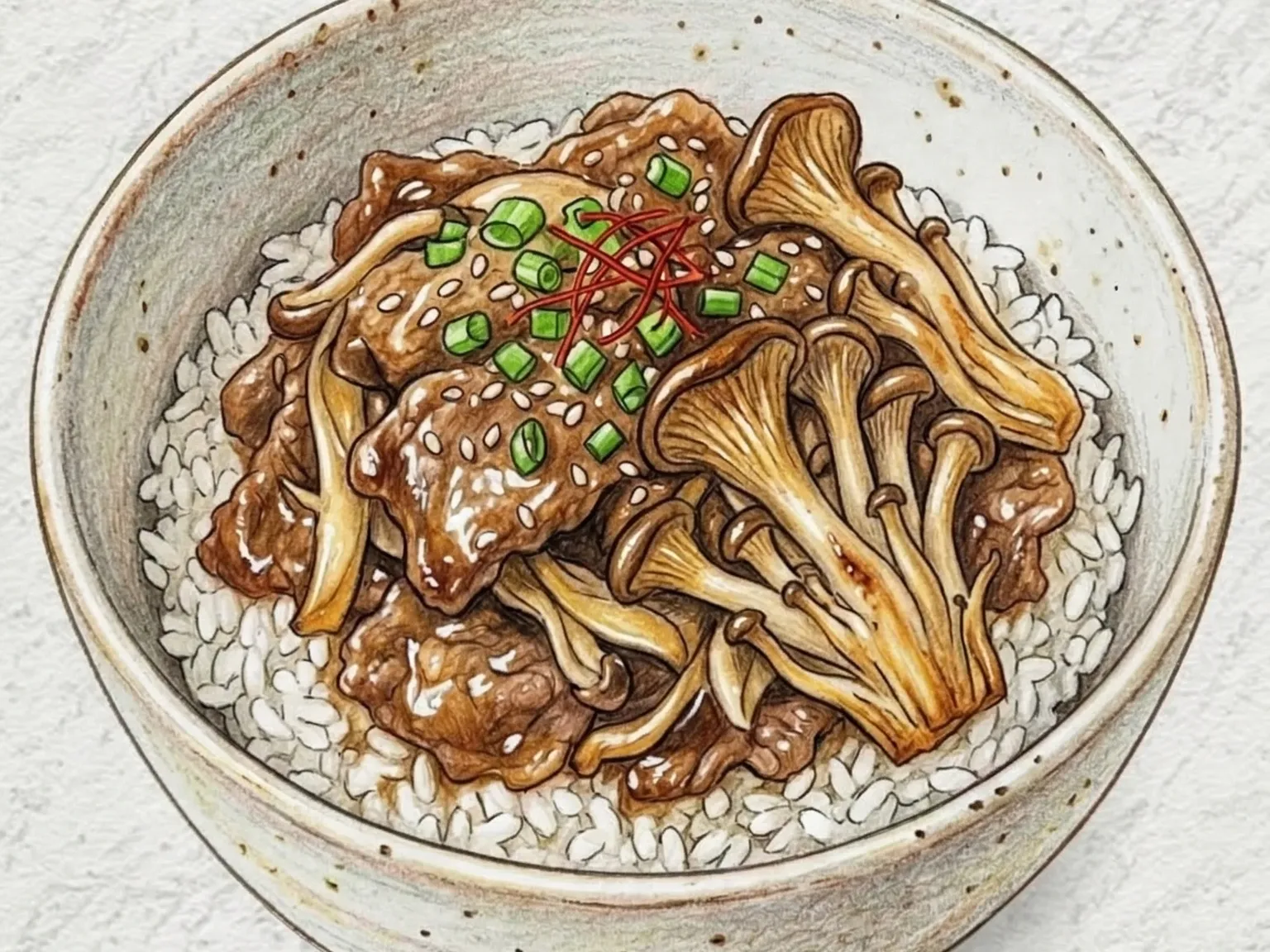
Galbi deopbap is a Korean rice bowl topped with beef short ribs slow-braised in a soy, sugar, and grated Asian pear marinade until the meat slides off the bone. The pear serves a dual purpose: its enzymes break down tough connective tissue while its juice contributes a subtle fruit sweetness that distinguishes galbi from heavier braises. Grated onion dissolves into the sauce during the hour-long simmer, deepening the flavor without leaving visible pieces. As the braising liquid reduces, it concentrates into a glossy, dark sauce that clings to the ribs and drips down onto the rice below. The ribs are placed over steamed rice with the sauce spooned generously on top, so the grains absorb the soy-sweet glaze from the bottom up. Despite the long cooking time, the dish requires minimal active attention - the braise does the work inside the pot. Sliced green onion scattered over the finished bowl adds a crisp, fresh note against the rich meat.