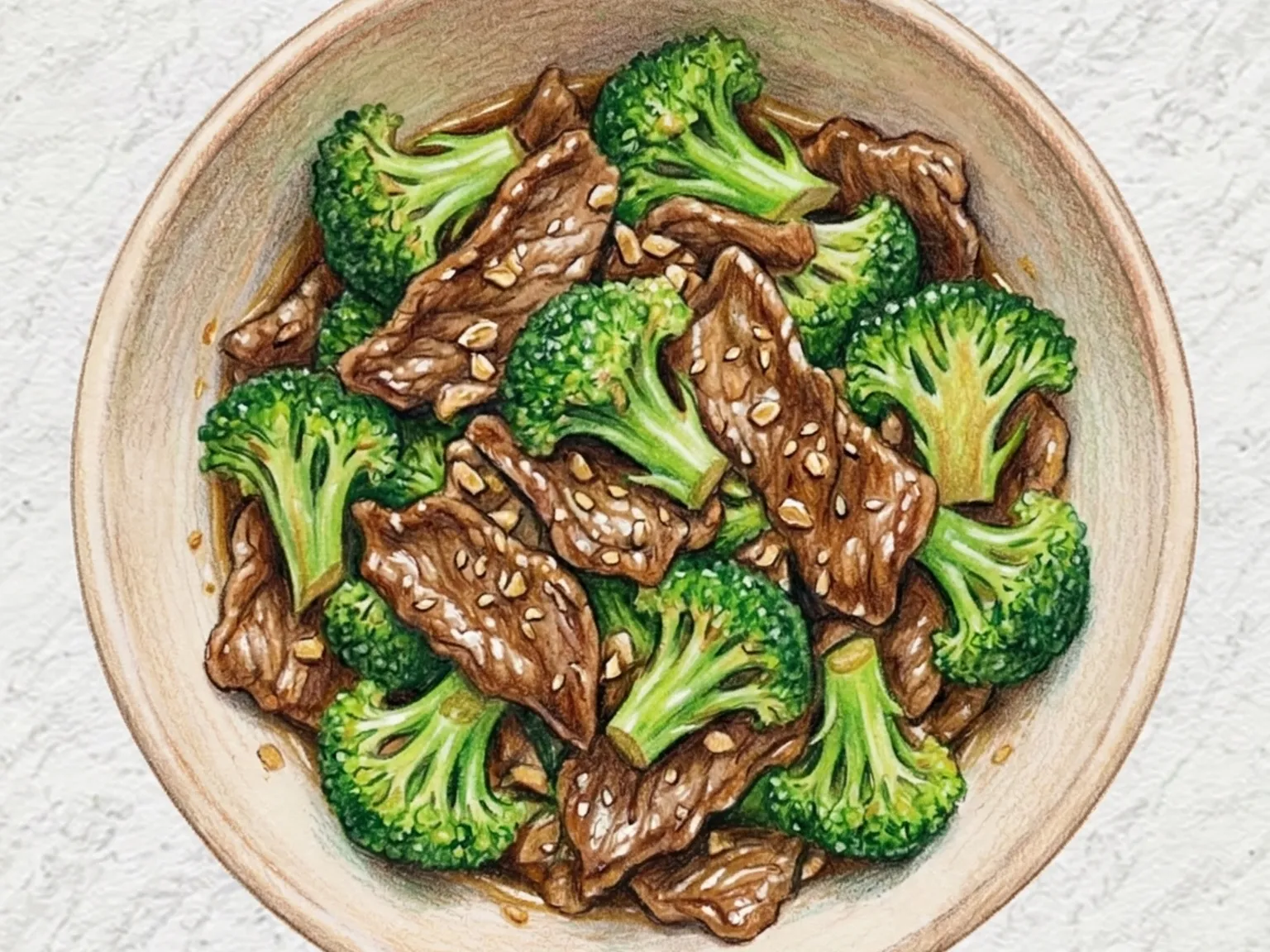
Korean Beef and Broccoli Stir-Fry
Blanch 250 g broccoli florets for 40 seconds to 1 minute and drain them well, so excess water does not thin the sauce. Spread 200 g soy-marinated beef in a pan heated over high heat and leave it mostly undisturbed for about 1 minute to sear, toss in the broccoli for about 30 seconds, then add 2 tbsp oyster sauce and stir-fry for about 1 minute. Turn off the heat and finish with 1 tsp sesame oil.
Quick answer
- Total time
- 25 min
- Level
- Easy
- Servings
- 2 servings
- Ingredients
- 6
About this dish
The broccoli's thick stems are cut smaller than the florets and blanched with them for just 40 seconds to a minute, and after joining the beef it gets only about another minute in the pan, finishing before the green turns yellow.
Ingredients
Instructions
- 1
Spread 200 g of thinly sliced beef out in a shallow layer, coat it evenly with 1 tablespoon soy sauce, and let it stand for about 10 minutes. Separate any clumps so the slices cook at the same speed.
- 2
Cut 250 g broccoli into bite-size florets, trimming any thick stem pieces smaller so they soften evenly.
Blanch in boiling water for 40 seconds to 1 minute, then drain well so excess water does not thin the sauce.
- 3
Measure 2 tablespoons oyster sauce and keep it ready beside the stove, then finely mince 2 garlic cloves.
This stir-fry moves quickly, so keep the drained broccoli and marinated beef within reach before heating the pan.
- 4
Heat a pan well over high heat, then add the garlic and beef and spread the slices into a wide layer.
Leave them mostly undisturbed for about 1 minute so the surface sears before the juices collect.
- 5
When the beef is mostly browned on the outside, add the broccoli and toss for about 30 seconds.
Turn everything with broad motions from the bottom of the pan so the florets stay intact and keep their crunch.
- 6
Add the oyster sauce and stir-fry over high heat for about 1 minute, just until the sauce coats the beef and broccoli with a glossy finish. Turn off the heat, drizzle 1 teaspoon sesame oil, and toss once to finish.
Official cooking and safety guidance
Public-agency cooking and food safety guidance that applies to this recipe.
Official cooking and safety guidance
-
Storage and reheating
Refrigerate leftovers in shallow containers within 2 hours and use them within 3 to 4 days. Reheat the center to 74°C.
Source: USDA Food Safety and Inspection Service. Leftovers and Food Safety
Sources checked 2026-08-03
Use-up ingredient planner
Turn these ingredients into two more meals
The overlap excludes basic seasonings. Open the next recipe and your selected dishes will stay with you.
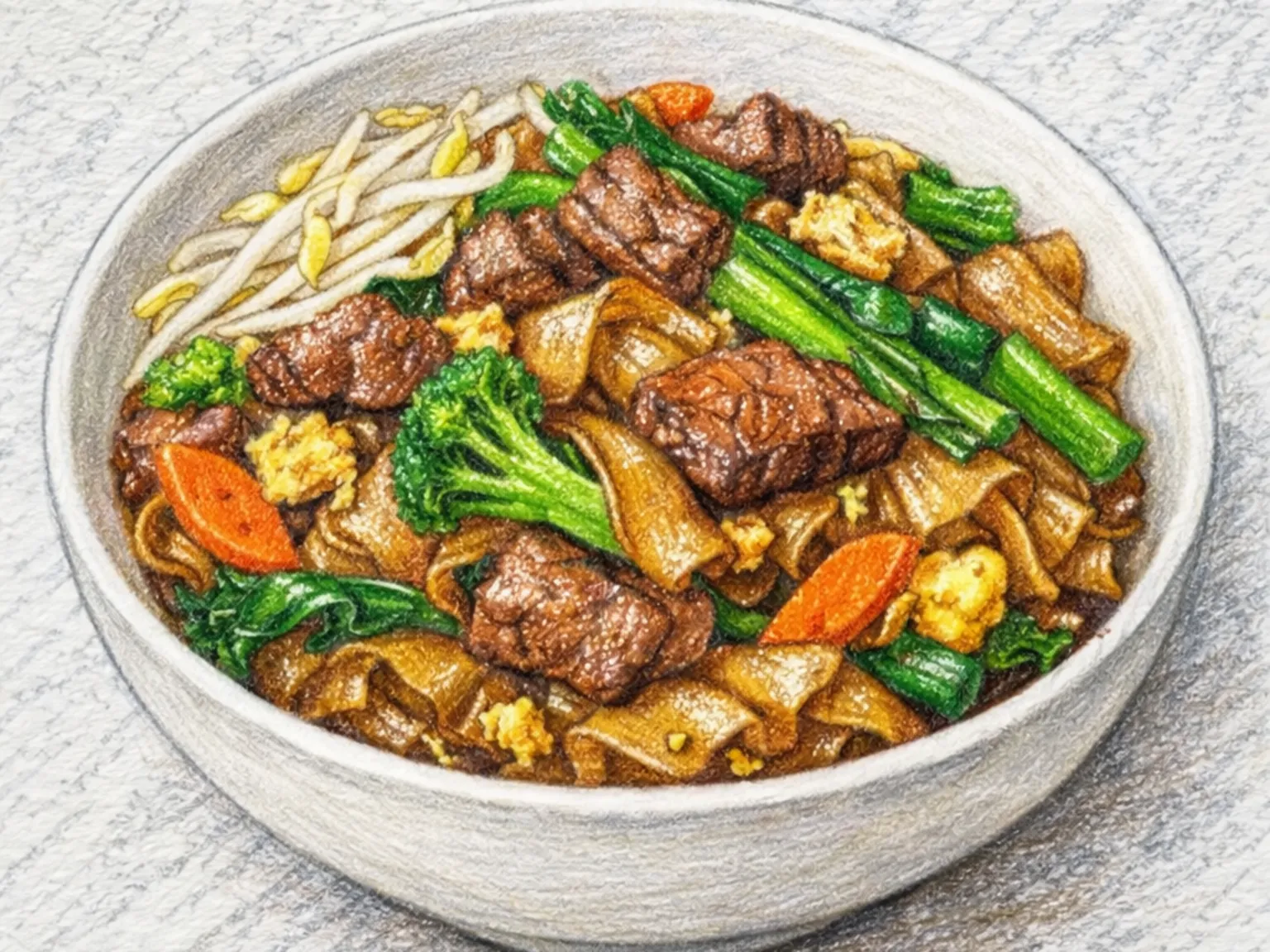
Beef Pad See Ew (Thai Wok-Fried Wide Rice Noodles in Dark Soy)
Beef (thinly sliced), Oyster sauce
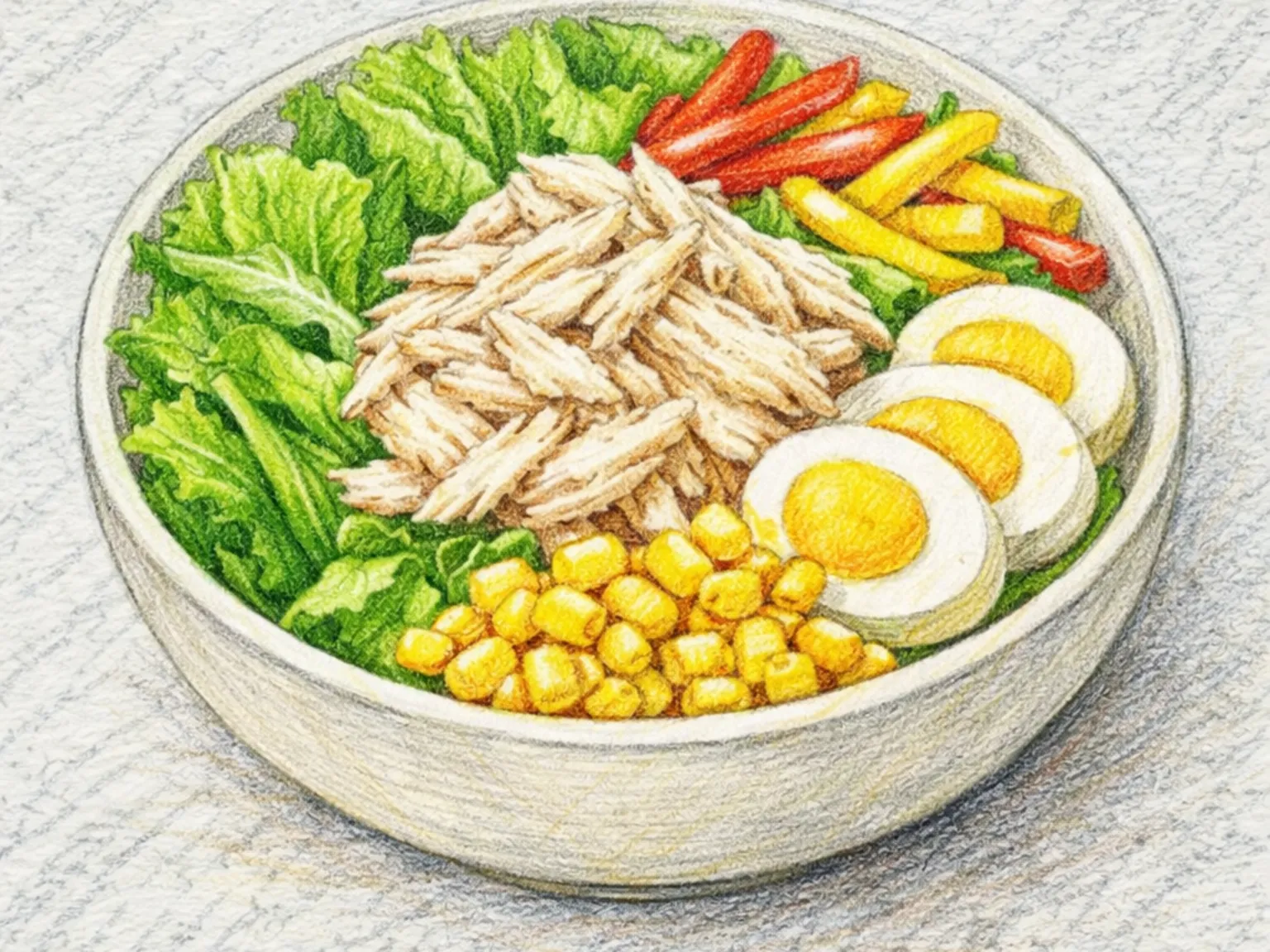
Chinese Lo Mein
Broccoli, Oyster sauce
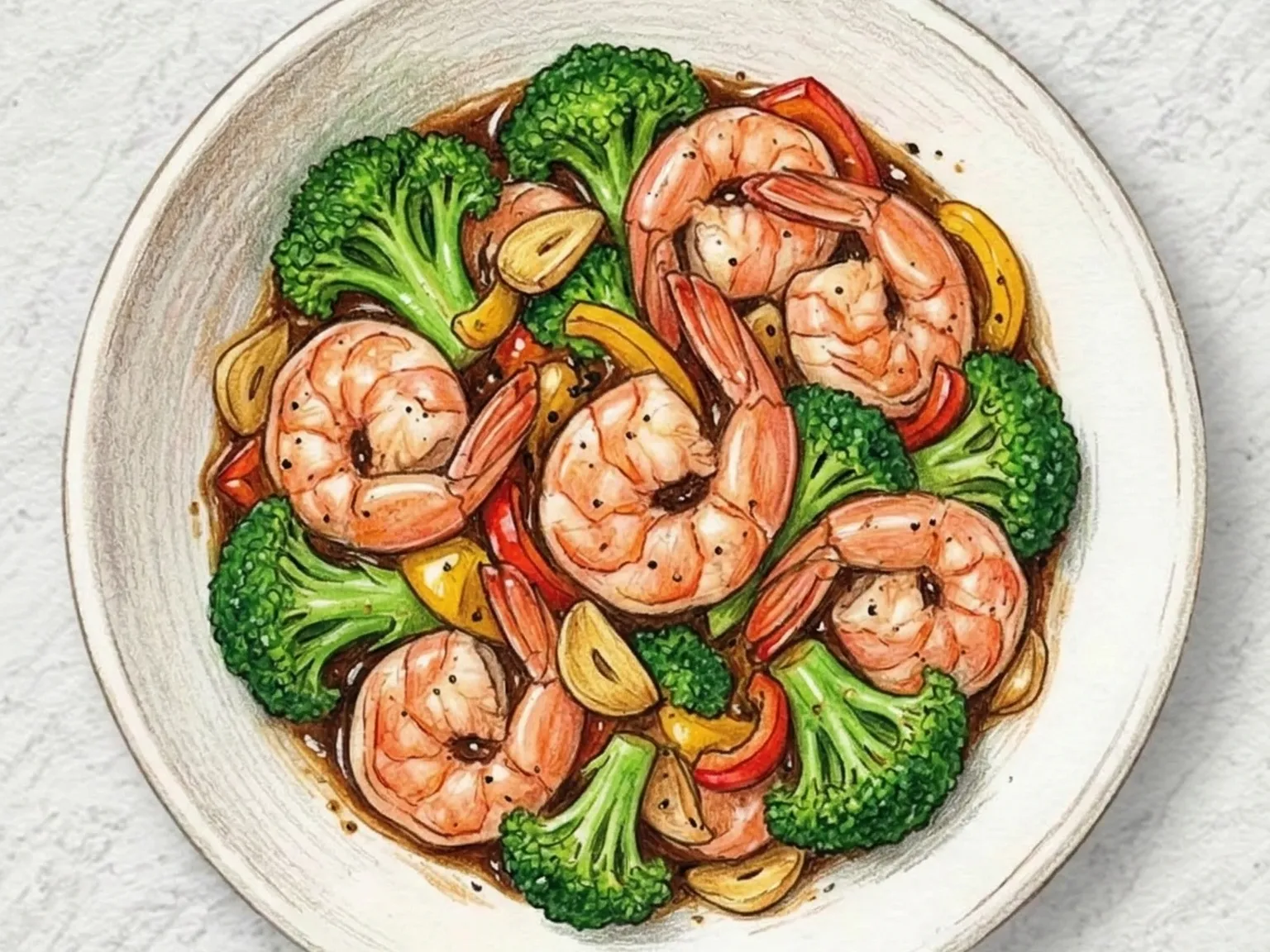
Korean Beurokolli Saeu Bokkeum (Broccoli Shrimp Stir-fry)
Broccoli, Oyster sauce