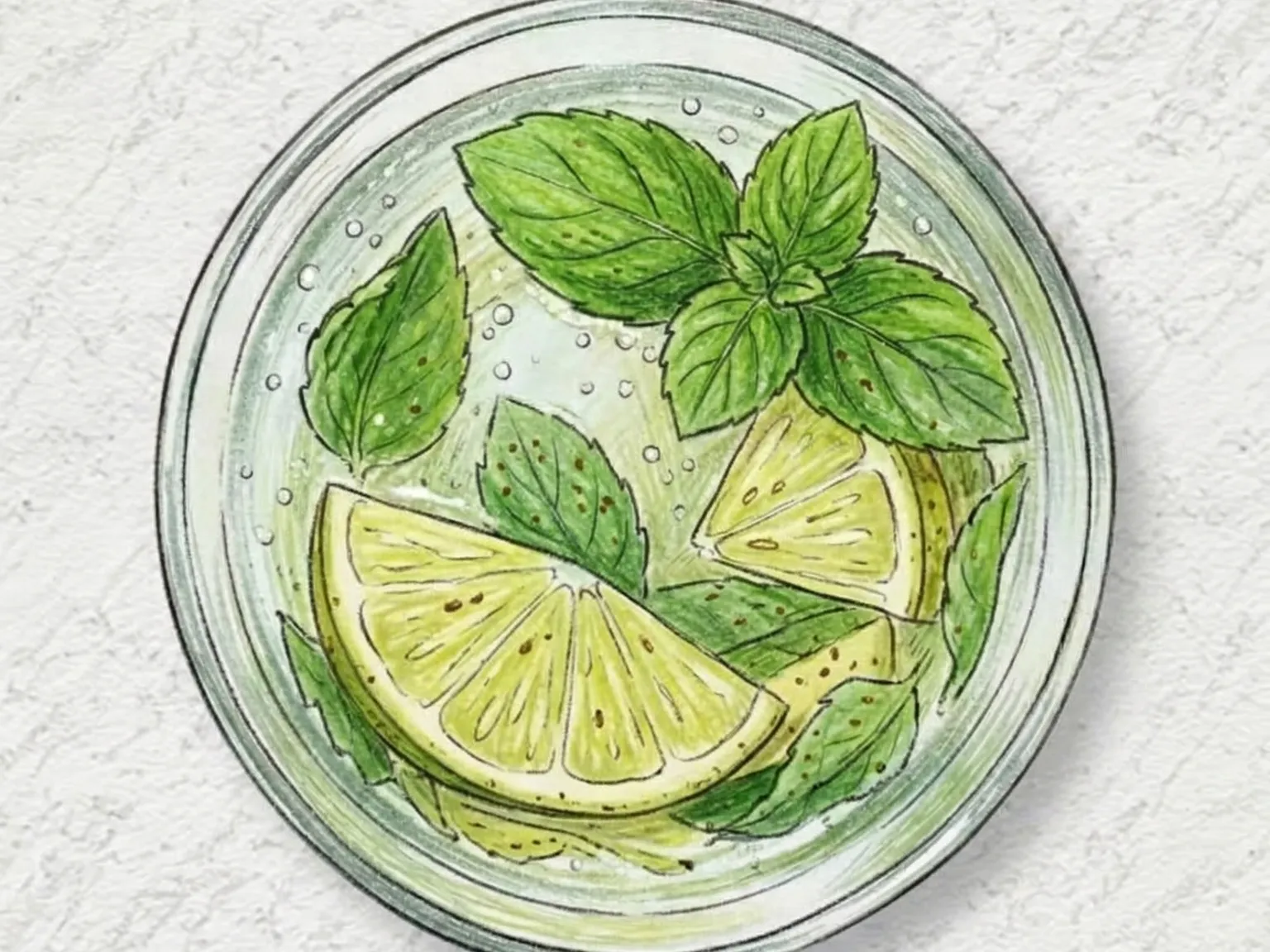
Korean Soju Tonic (Soju Lime Cucumber Highball)
Soju tonic is a Korean highball-style drink that pairs soju with tonic water and lime, layering the spirit's clean, neutral body with the bitter quinine edge of tonic and the bright acidity of fresh citrus. Lime juice goes in first along with soju and a touch of simple syrup, and the tonic water is poured last and slowly to keep the carbonation intact as long as possible. Cucumber slices over ice add a vegetal freshness that makes the drink especially cooling in hot weather, and omitting the syrup produces a drier version with more pronounced bitterness. The lightweight character of soju makes this highball less heavy than gin or vodka equivalents, pairing well with rich, oily bar food.
Adjust Servings
Instructions
- 1
Juice half the lime and cut the rest into wedges.
- 2
Add ice and cucumber slices to each glass.
- 3
Pour in soju, lime juice, and syrup, then stir gently.
- 4
Top with tonic water slowly to preserve carbonation.
- 5
Garnish with lime wedges and serve right away.
As an Amazon Associate, we may earn from qualifying purchases.
Tips
Nutrition (per serving)
More Recipes

Korean Soju Beer Mix (Soju Lager Lemon Highball)
Somaek is Korea's most popular mixed drink, made by combining soju and lager beer in a single glass so that the spirit's alcohol strength meets the beer's crisp carbonation. The standard ratio is one part soju to three parts beer, and both liquids should be thoroughly chilled beforehand for the cleanest taste. Ice goes in first, followed by a splash of lemon juice, then the soju, and finally the beer poured slowly down the side of a tall glass to manage the foam and preserve carbonation. A small addition of sparkling water lightens the drink and drops the alcohol level slightly, while a lemon slice on top releases citrus oils with each sip.

Korean Makgeolli Punch (Rice Wine Yuja Citrus Bowl)
Makgeolli punch is a fruity Korean rice wine cocktail that combines makgeolli with yuja marmalade, lemon juice, and lemon-lime soda in a large bowl over plenty of ice. The creamy grain character of makgeolli merges with the bright citrus of yuja to create a light, festive drink. Thinly sliced apple floated in the bowl adds crisp bites of fruit between each ladle. A single gentle stir just before serving keeps the carbonation intact and the flavors evenly distributed.

Korean Grilled Dried Pollack
Hwangtae-po-gui is a grilled dried pollack snack prepared by brushing seasoning paste onto semi-dried hwangtae fillets and cooking them over medium-low heat. Hwangtae is pollack that has been freeze-dried repeatedly through winter cycles, a process that puffs up the flesh and gives it a softer grain and chewier texture than ordinary dried fish. A paste of gochujang, soy sauce, and oligosaccharide syrup is spread on both sides and grilled slowly so the sugars caramelize into a glossy, sticky coating. Minced garlic, sesame oil, and sesame seeds add roasted richness, and each torn piece delivers alternating salty and sweet notes.

Korean Mixed Fruit Punch
Modum hwa-chae is a Korean fruit punch made by dicing several types of fruit - apple, pear, and green grapes - into similar-sized pieces and immersing them in a mixture of honey water and sparkling water. The apple and pear provide a firm, crunchy bite, while the grapes pop with juicy bursts of flavor. Honey dissolved in cold water merges with the fruits' own juices to create a naturally sweet base, and the carbonation from sparkling water rises through the fruit pieces, adding effervescence. Plenty of ice keeps the punch thoroughly chilled, making it a staple summer refreshment in Korea.

Korean BBQ Beef
Bulgogi is Korea's signature marinated beef dish, made by soaking thinly sliced sirloin or chuck in a mixture of soy sauce, grated pear, sugar, minced garlic, and sesame oil, then searing it quickly over high heat. The pear serves as a natural tenderizer-its enzymes break down the meat's proteins so each slice pulls apart easily-while its fructose merges with the soy sauce into a balanced sweet-salty glaze. Cooking in small batches is essential: overcrowding the pan drops the temperature and steams the meat instead of searing it, producing a gray, chewy result rather than caramelized brown edges. A final drizzle of sesame oil and a scatter of sesame seeds before plating adds a roasted, nutty finish.

Korean Mushroom Pancake (Crispy Shiitake and King Oyster Jeon)
Beoseot-jeon is a Korean mushroom pancake made by slicing king oyster and shiitake mushrooms thin, coating them in a light batter of Korean pancake mix, egg, and water, then pan-frying until golden. King oyster mushrooms contribute a firm, chewy bite from their thick stems, while shiitake caps trap batter in their natural ridges, creating extra-crispy edges. The key is to keep the batter coating thin so the earthy mushroom flavor comes through clearly, and to blot the sliced mushrooms dry before mixing-excess moisture makes the pancake soggy instead of crisp. Dipping in cho-ganjang, a mix of soy sauce and vinegar, brings out the mushrooms' natural umami.