Charim

2686 Korean & World Recipes

2686+ Korean recipes, clean and organized. Ingredients to instructions, all at a glance.

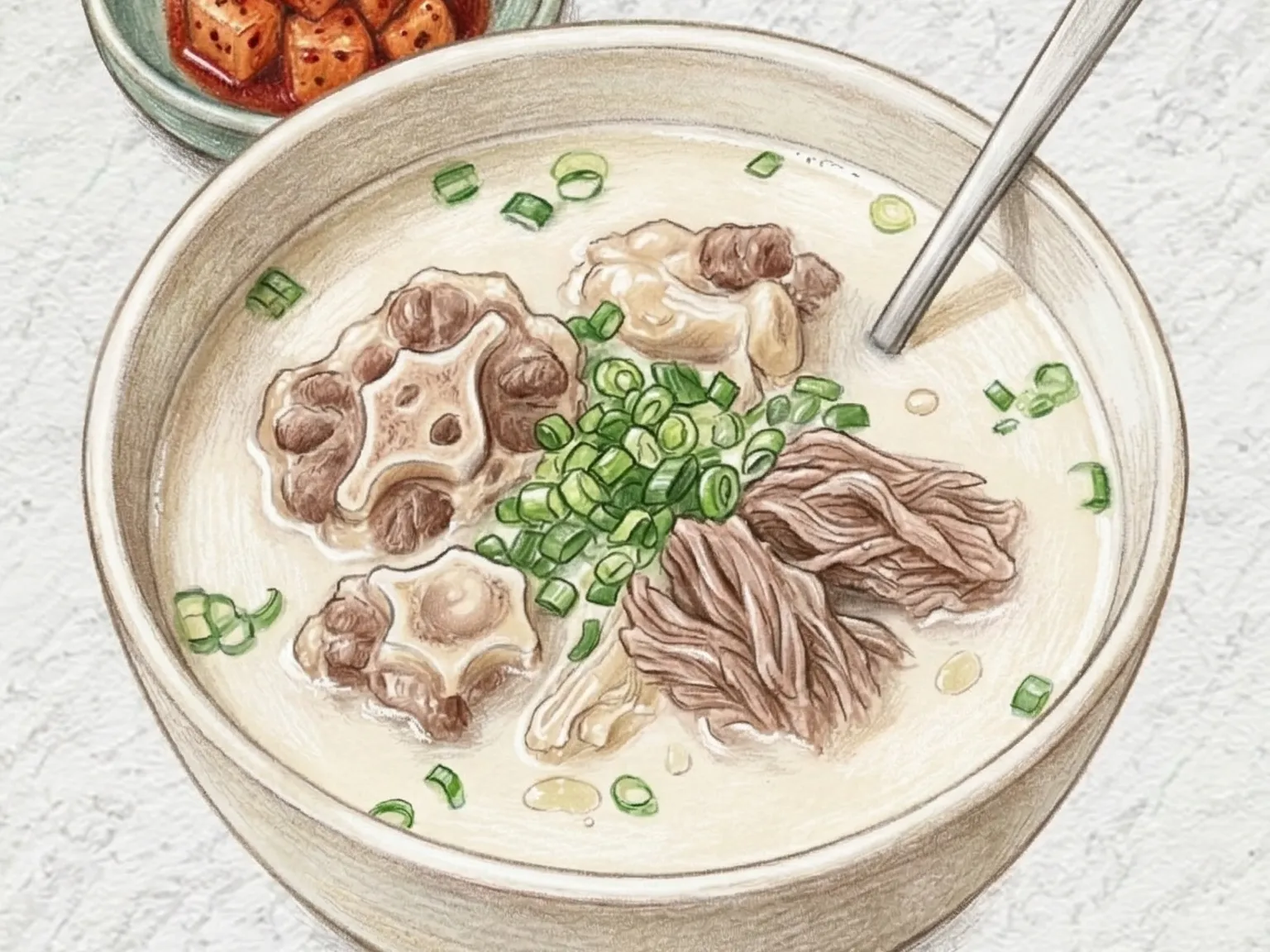
Korean Oxtail Soup
SoupsHard

Korean Oxtail Soup

Sokori-guk demands patience - oxtail pieces are soaked in cold water to draw out blood, then placed in a heavy pot with enough water to cover and simmered for at least three to four hours. During that long, slow cook, collagen buried in the joints and connective tissue dissolves into the liquid, producing a broth so rich in gelatin that it sets into a solid block when refrigerated. Skimming fat and foam at regular intervals keeps the final broth a clean, milky white with no greasy residue. The meat, once it slides easily off the bone, is torn along the grain into shreds that are impossibly soft, while the tendon segments offer a pleasantly bouncy chew. Seasoning is deliberately minimal - coarse salt, black pepper, and sliced scallion - because the bones themselves have already contributed all the depth the soup needs. Served with a bowl of steamed rice and a side of kkakdugi, the cubed radish kimchi's sharp tang provides the only counterpoint this quietly powerful broth requires.

Prep 25minCook 210min4 servings

Adjust Servings

2servings
servings

Instructions

  1. 1

    Soak oxtail in cold water for 1 hour.

  2. 2

    Blanch for 7 minutes and rinse clean.

  3. 3

    Boil oxtail in fresh water and skim foam.

  4. 4

    Add radish, onion, garlic, and green onion, then simmer for 3 hours.

  5. 5

    Slice the meat, return it to the broth, and season with salt.

🛒Shop Ingredients on Amazon

As an Amazon Associate, we may earn from qualifying purchases.

Tips

Skim fat during simmering for a cleaner broth.
Chill overnight and remove fat for a lighter soup.

Nutrition (per serving)

Calories
455
kcal
Protein
35
g
Carbs
6
g
Fat
32
g

More Recipes

Korean Beef Trotter Soup (Silky Collagen-Rich Slow-Cooked Broth)
SoupsHard

Korean Beef Trotter Soup (Silky Collagen-Rich Slow-Cooked Broth)

Ujok-tang is a slow-cooked Korean soup made from beef trotters, prized for the extraordinary amount of collagen packed into the bones, tendons, and skin of the cut. The trotters are first soaked for hours in cold water to purge blood and any off-flavors, then placed in a deep pot and simmered at a gentle roll for four to six hours. During that time, the collagen gradually dissolves into the cooking liquid, transforming it from plain water into a milky, opaque broth with a viscous body that coats the spoon and sets firm when chilled. Regular skimming of fat and foam throughout the process ensures the final broth tastes clean rather than greasy. The trotter meat itself falls into two distinct textures: the skin and tendons turn gelatinous and springy, offering a bouncy chew, while the small pockets of muscle between the bones are meltingly soft. Traditional seasoning is limited to coarse salt and freshly ground pepper, allowing the broth's natural richness to speak. A dab of hot mustard or a spoonful of salted shrimp paste on the side provides a sharp contrast that keeps each mouthful interesting. Ujok-tang has long been regarded as a restorative food, particularly valued for its supposed benefits to joints and skin.

🏠 Everyday🎉 Special Occasion
Prep 30minCook 240min4 servings
Kimchi Soegogi-guk (Fermented Kimchi Beef Soup)
SoupsEasy

Kimchi Soegogi-guk (Fermented Kimchi Beef Soup)

Kimchi-soegogi-guk is a Korean soup that unites two powerhouse ingredients-well-fermented kimchi and beef-in a ruddy, aromatic broth. The beef is stir-fried in sesame oil first, building a savory foundation, then chopped kimchi joins the pan and cooks until its acidity mellows and merges with the rendered fat. Water is added, and as the pot simmers, the kimchi continues to break down, thickening the liquid and staining it a deep red. Soup soy sauce and garlic adjust the seasoning, while blocks of tofu absorb the surrounding flavors and provide a soft counterpoint to the chewy beef. The finished soup is robust and warming, with the tangy complexity of aged kimchi meeting the clean savoriness of beef in every spoonful. It pairs inseparably with a bowl of steamed rice, which soaks up the broth and balances the heat.

🏠 Everyday
Prep 10minCook 30min4 servings
Naju Gomtang (Naju Clear Brisket Beef Soup)
SoupsMedium

Naju Gomtang (Naju Clear Brisket Beef Soup)

Naju-gomtang is a traditional beef soup from Naju in Korea's Jeolla Province, renowned for its clear yet profoundly savory broth. Beef brisket and shank are simmered together at a gentle, sustained heat for at least two hours - never a hard boil, which would cloud the liquid. The extended low simmer draws collagen and flavor from the connective tissue, producing a broth that appears light but coats the palate with rich, beefy depth. The meat is removed, shredded or thinly sliced, and returned to the strained broth. Seasoning is minimal - soup soy sauce and salt - because the entire point is the pure, unadorned taste of long-simmered beef. Sliced green onion and a crack of black pepper go on just before serving, adding brightness without complicating the broth.

🏠 Everyday
Prep 20minCook 140min4 servings
Korean Beef Bean Sprout Soup
SoupsMedium

Korean Beef Bean Sprout Soup

Sogogi sukju-guk is a quick Korean soup where seared beef and crisp mung bean sprouts come together in a clear, invigorating broth. The beef brisket is first stir-fried in sesame oil to render its fat and deepen its flavor, then water is added and brought to a rolling boil. Bean sprouts enter the pot only in the final minutes so they retain their signature crunch - the plump heads snap between the teeth while the slender tails wilt just enough to release moisture that lightens and clarifies the broth. The contrast between the beefy richness and the sprouts' clean, almost grassy freshness keeps the soup feeling bright rather than heavy. Soup soy sauce and a spoonful of minced garlic round out the seasoning without masking the main ingredients. Because bean sprouts lose their texture quickly once overcooked, the soup is best ladled into bowls the moment it is done. Koreans often spoon it over steamed rice for a fast, satisfying meal that feels both nourishing and easy on the stomach.

🏠 Everyday
Prep 15minCook 30min4 servings
Korean Braised Oxtail (Soy Collagen Radish Braise)
SteamedHard

Korean Braised Oxtail (Soy Collagen Radish Braise)

Kkori-jjim is a Korean braised oxtail dish that begins with a long initial boil to tenderize the joints, followed by a second braise in soy sauce, sugar, and garlic. The collagen in the oxtail joints melts during the extended cooking, thickening the sauce into a glossy, gelatinous consistency while the meat becomes fork-tender. Korean radish and carrot cook alongside the tail pieces, contributing sweetness, while jujubes and ginkgo nuts add an understated elegance. This is a celebratory dish, typically reserved for holidays and special occasions, prized for its deep beef flavor and rich mouthfeel.

🎉 Special Occasion
Prep 30minCook 150min4 servings
Korean Andong Guksi (Clear Beef Broth Celebration Noodles)
NoodlesMedium

Korean Andong Guksi (Clear Beef Broth Celebration Noodles)

Andong guksi is a noodle tradition from the city of Andong in North Gyeongsang Province, where it has been served at weddings, ancestral rites, and important family events for centuries - in Korean culture, long noodles symbolize longevity. The broth is made by simmering beef brisket and bones for hours until the liquid is clear yet deeply flavored, with a clean gelatin richness that coats the lips. Wheat noodles - historically hand-pulled but now usually dried - are boiled separately, rinsed, and placed in the strained broth. The toppings are deliberately understated: thin strips of egg jidan, julienned zucchini, and perhaps a few slices of the boiled brisket. Seasoning with soup soy sauce and a touch of garlic keeps the broth transparent and lets the beef flavor speak. Unlike the bold, chili-heavy soups of Andong's other famous dish (jjimdak), guksi is an exercise in restraint and clarity.

🎉 Special Occasion
Prep 25minCook 90min4 servings
More Soups