Korean Soybean Sprout Stew
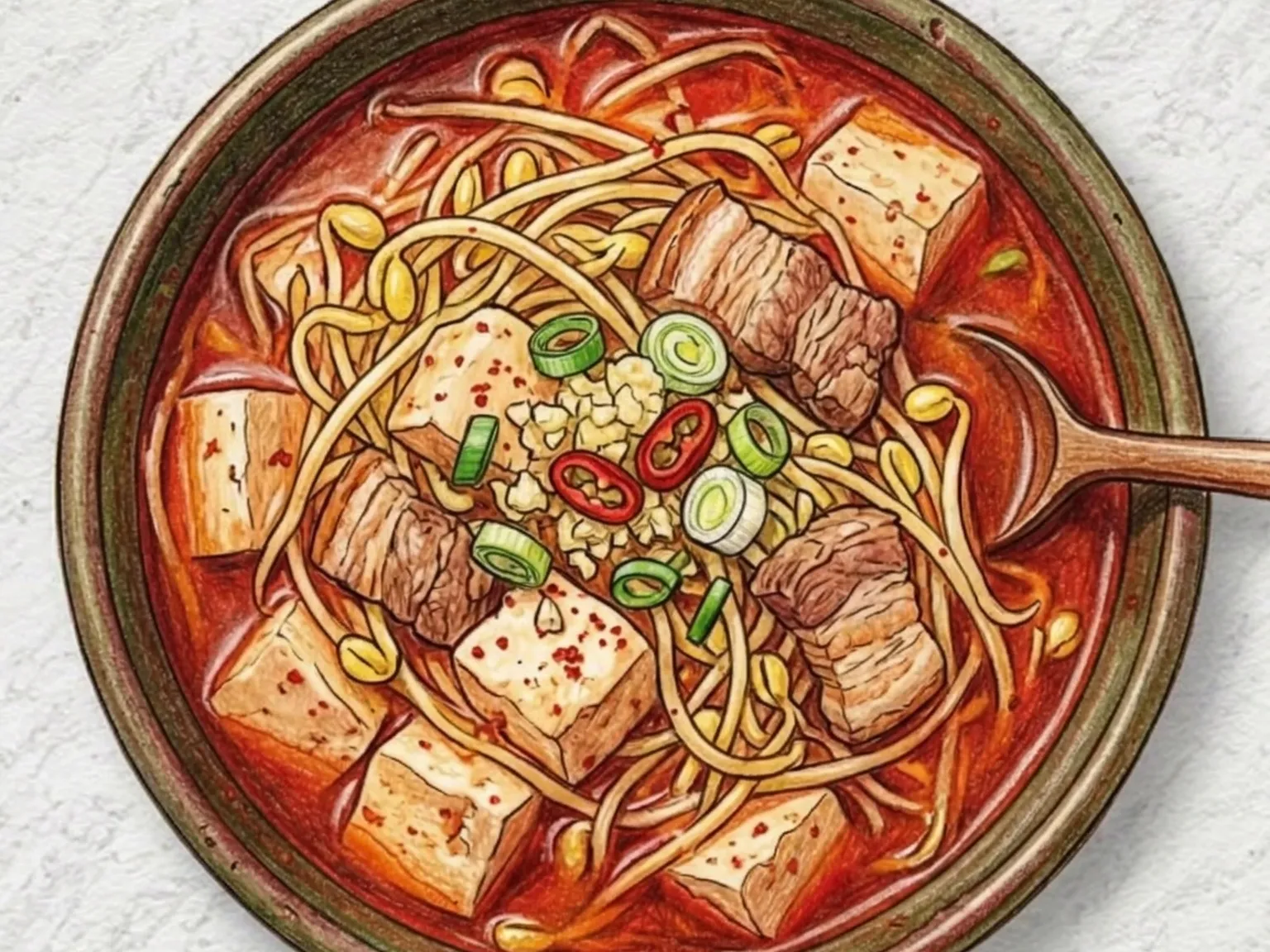
This spicy stew features soybean sprouts as the star, with tofu and optional pork in a broth seasoned with Korean chili flakes and soup soy sauce. The sprouts release a clean, refreshing liquid that balances the heat of the gochugaru. Tofu soaks up the broth and provides a soft contrast, while the pork adds savory depth. Finished with green onion and minced garlic, it is a straightforward home-style stew known as a hangover remedy.
Adjust Servings
Instructions
- 1
Sauté pork briefly in a pot, then add water and bring to a boil.
- 2
Season with chili flakes, soup soy sauce, and garlic.
- 3
Add soybean sprouts, cover, and boil 5 minutes.
- 4
Add tofu and simmer 2 more minutes.
- 5
Top with green onion and serve.
As an Amazon Associate, we may earn from qualifying purchases.
Tips
Nutrition (per serving)
More Recipes

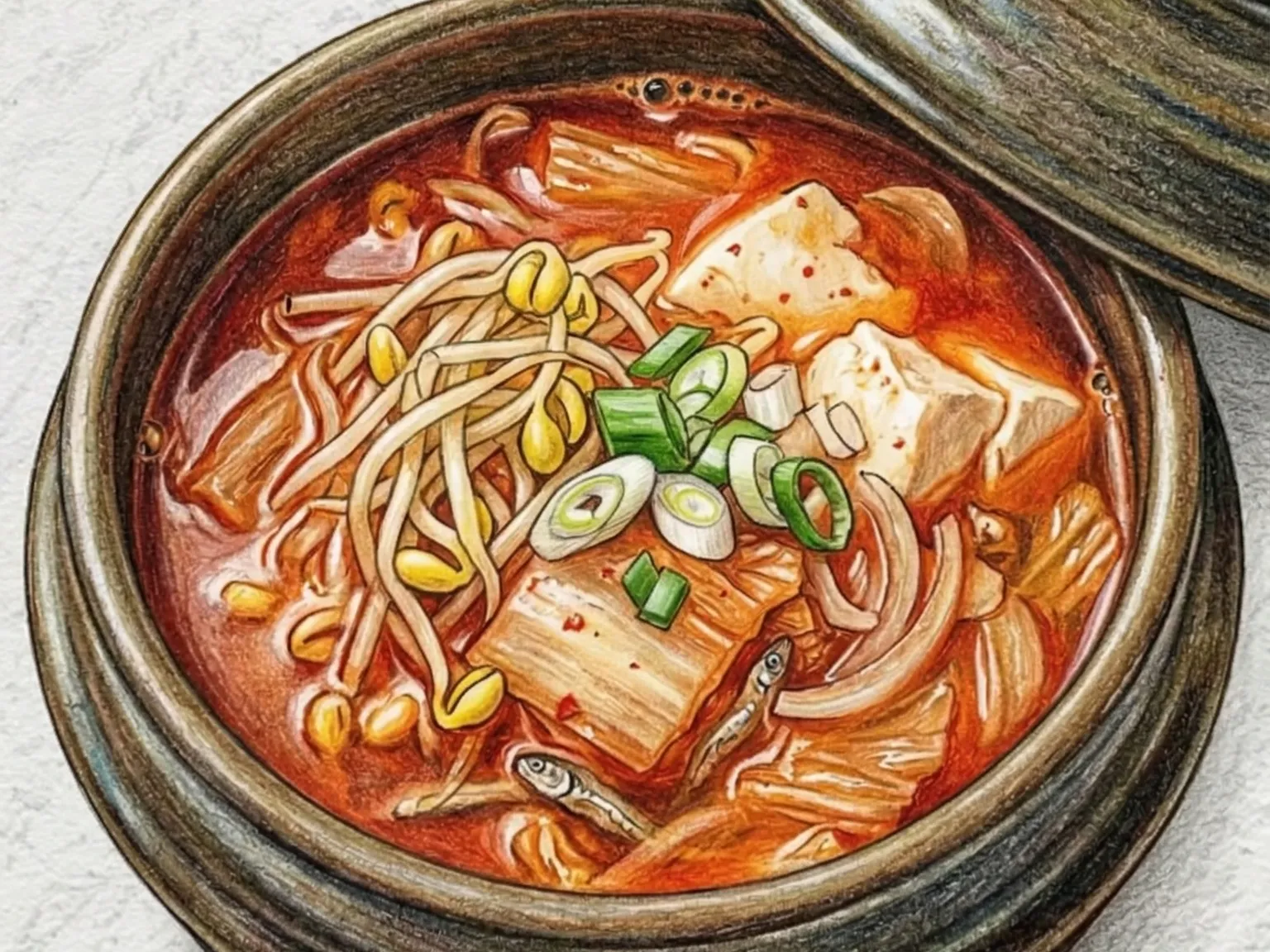
Korean Kimchi Bean Sprout Stew
This stew brings together fermented kimchi and soybean sprouts in an anchovy stock base for a broth that is both refreshing and spicy. The sprouts retain a slight crunch and release a clean flavor that tempers the kimchi's sharp tang. Soft tofu melts into the stew, providing creaminess, while onion and green onion add background sweetness. Seasoned with soup soy sauce and gochugaru, it is a lighter-style jjigae often enjoyed as a morning-after remedy.

Korean Clear Broth Tofu Stew
Tofu simmers in a deep beef stock alongside shiitake mushrooms and zucchini in this clean-flavored stew. The quality of the beef stock drives the entire dish, with shiitake mushrooms reinforcing the umami depth. Soft tofu cubes absorb the rich broth, while zucchini contributes a mild sweetness. Seasoned only with soup soy sauce and salt, this stew showcases a restrained, elegant approach to Korean jjigae without any chili heat.

Korean Soybean Paste Stew
Doenjang jjigae is one of the most iconic stews in Korean home cooking. Fermented soybean paste is dissolved into a simple broth and simmered with tofu, potato, zucchini, and onion until everything melds together. Garlic and a Cheongyang chili add aromatic warmth and a mild kick that lifts the rich, earthy base. This is the kind of everyday stew that anchors a Korean meal, pairing effortlessly with rice and any combination of banchan.

Korean Yeolmu Doenjang Stew
Young radish greens, zucchini, and tofu are simmered in doenjang-based anchovy-kelp stock in this light summer stew. The tender radish greens bring a fresh, slightly bitter note that mellows in the fermented soybean broth. Onion contributes natural sweetness, while gochugaru provides gentle warmth and color. With its clean finish from the kelp-infused stock, this stew pairs especially well with barley rice during the hot summer months.

Korean Soft Tofu Soup (Mild Clear Broth with Silken Tofu)
Sundubu-guk is the gentler sibling of the more widely known sundubu-jjigae, trading the latter's fiery red broth for a clear, mild soup that puts silken tofu front and center. The base is a simple anchovy and kelp stock, seasoned with soup soy sauce and nothing more assertive, so the broth stays transparent and clean on the palate. Blocks of unpressed soft tofu are slipped into the simmering liquid and heated just until they are warmed through - overcooked sundubu loses the trembling, custard-like texture that defines the dish. Each spoonful collapses gently on the tongue, releasing a faint, sweet soybean flavor that pairs effortlessly with the umami-rich stock. A small addition of salted shrimp paste can be stirred in at the table to introduce a subtle marine depth without disrupting the soup's calm character. This is the soup Koreans turn to when appetite is low, digestion needs rest, or the body simply craves something warm and uncomplicated. It is equally suitable for young children and elderly diners, and its quiet simplicity is precisely its strength.

Kongnamul-guk (Bean Sprout Anchovy Soup)
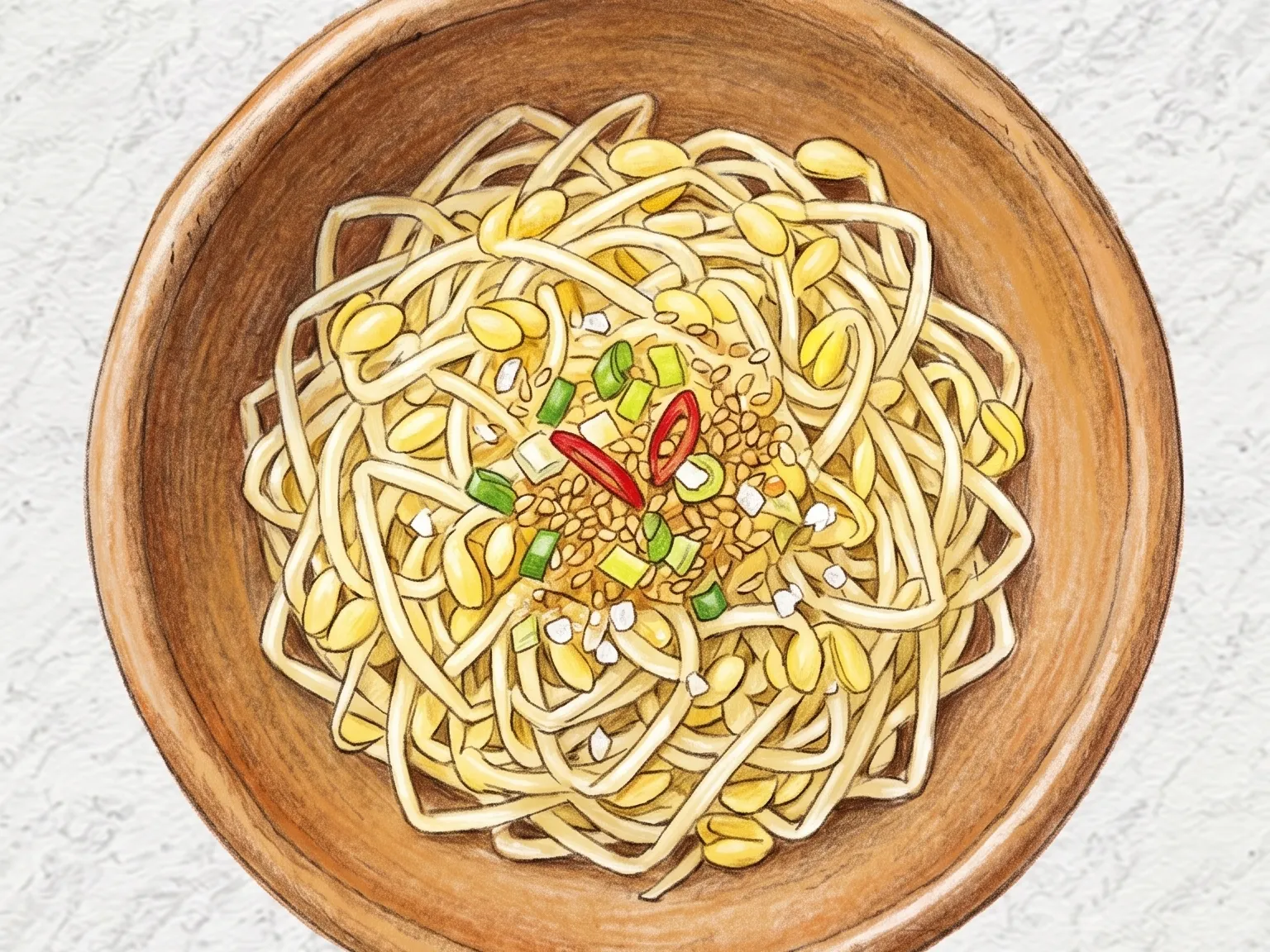
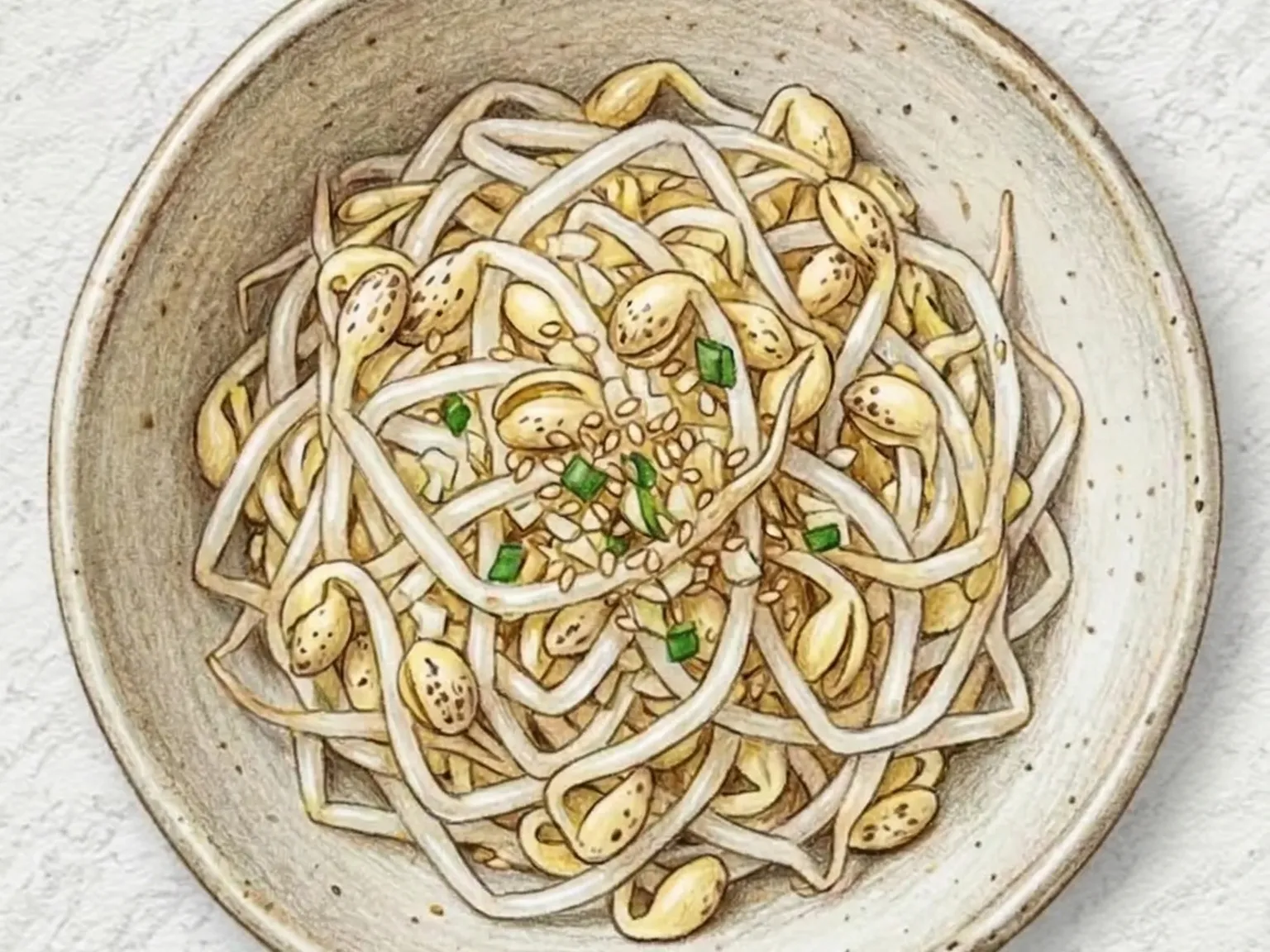
Kongnamul-guk is one of the simplest Korean soups, built on nothing more than bean sprouts, water, soup soy sauce, and garlic. The key step is boiling the sprouts with the lid firmly closed for seven minutes, which eliminates the raw beany smell that would otherwise persist. Green onion goes in at the very end, contributing a mild bite without overpowering the broth's clean, vegetal character. Adding chili flakes and a cracked egg transforms it into a spicy hangover-cure version, but the plain form is just as satisfying alongside rice and a few side dishes.