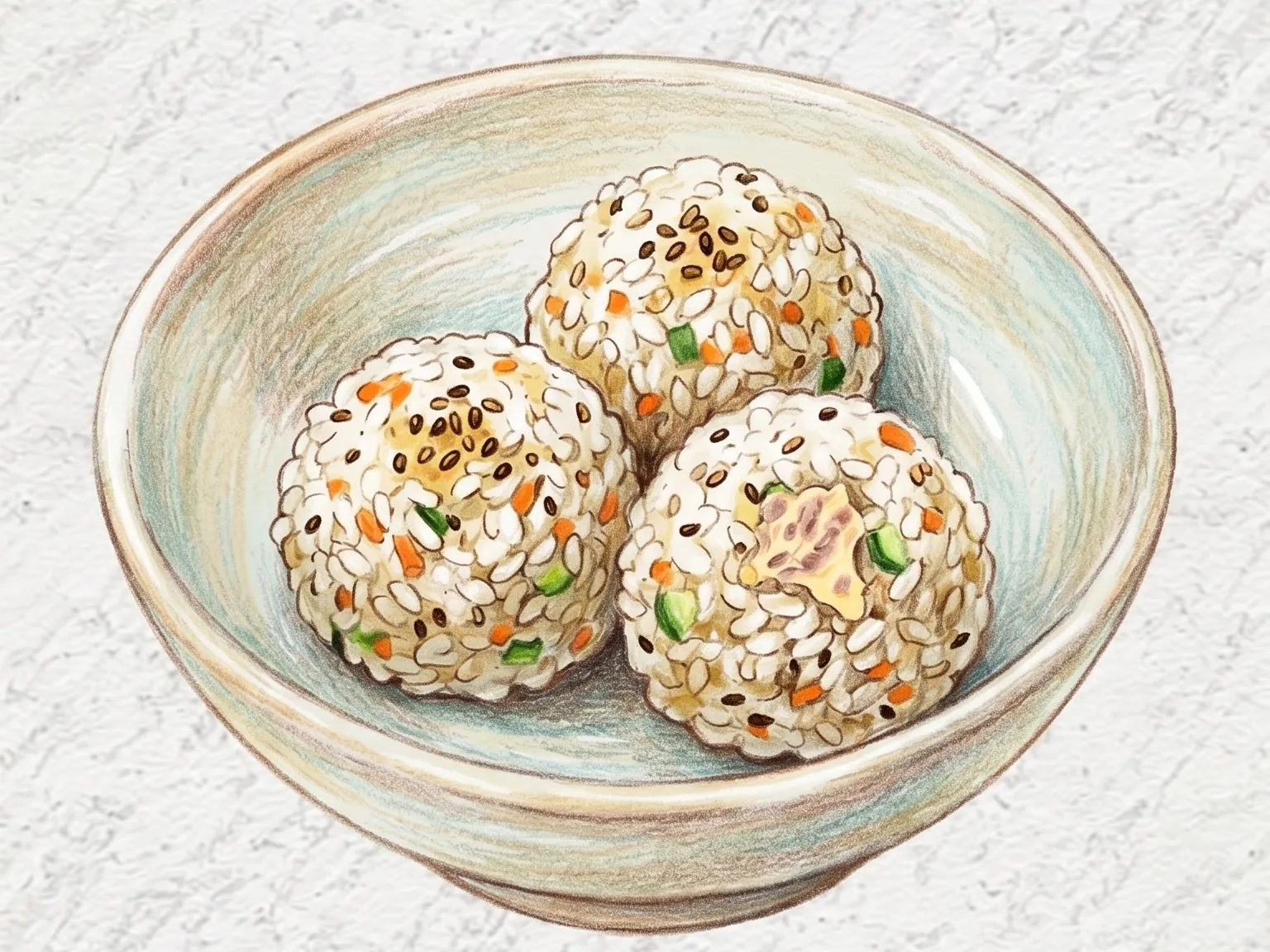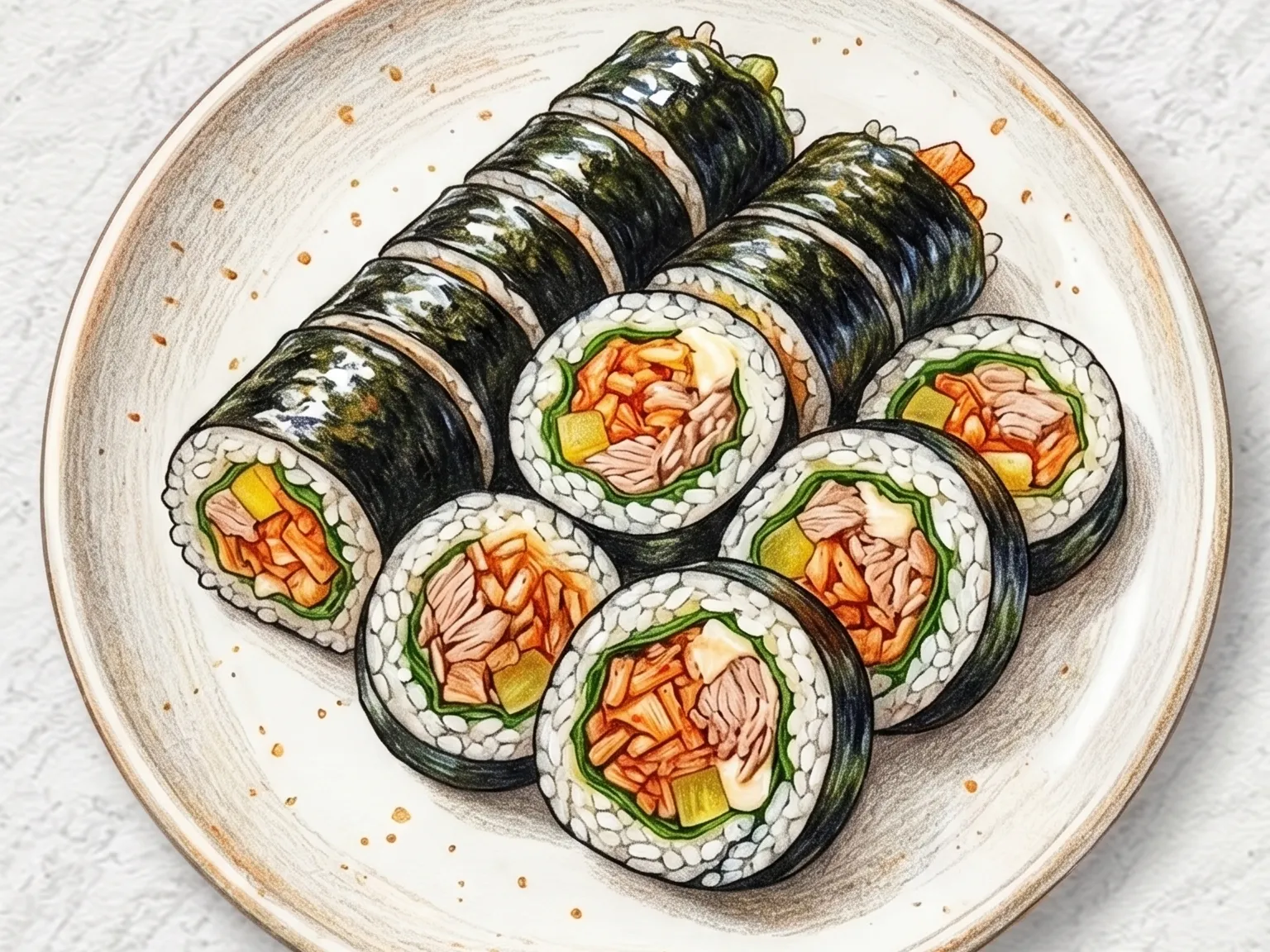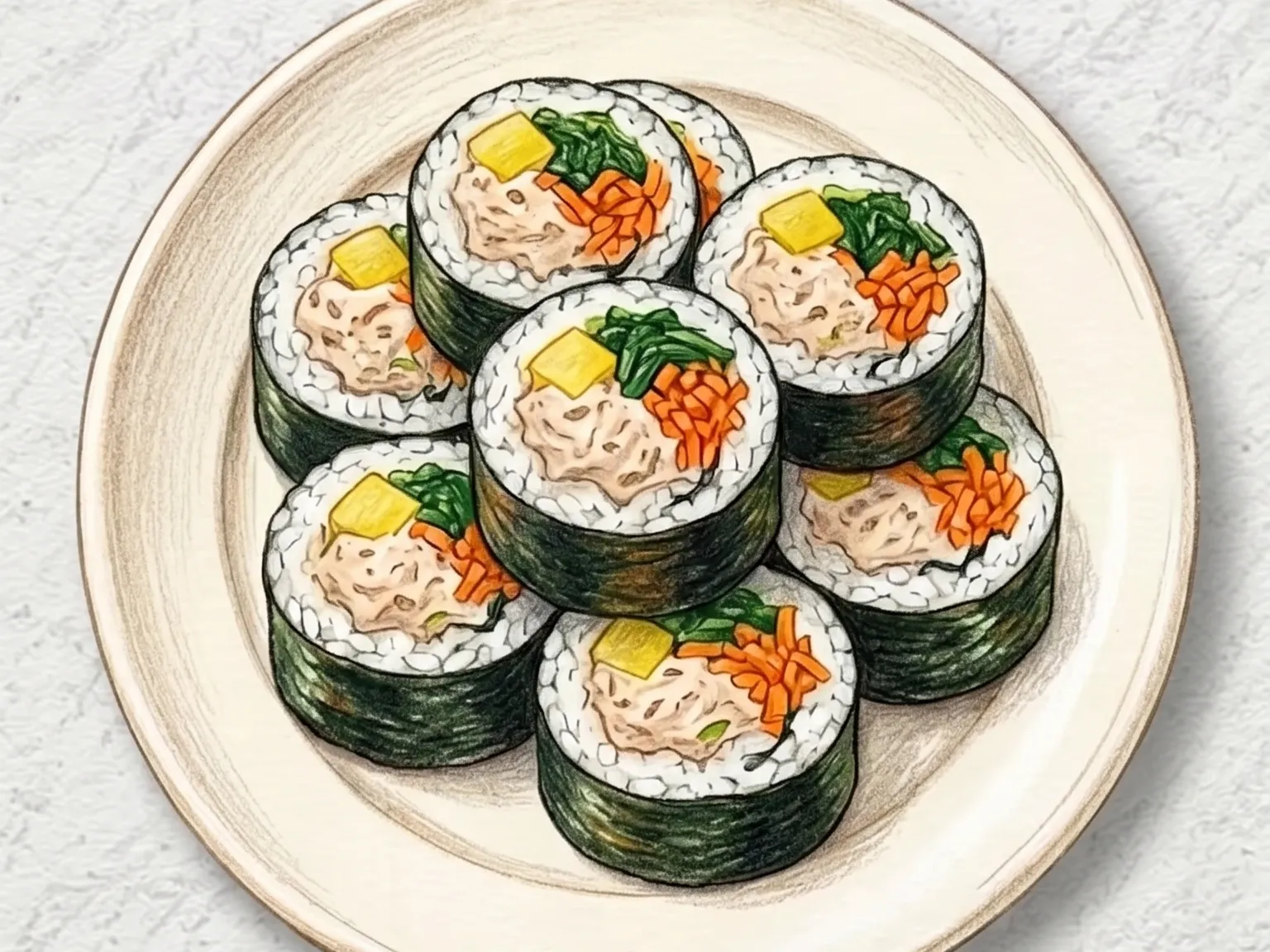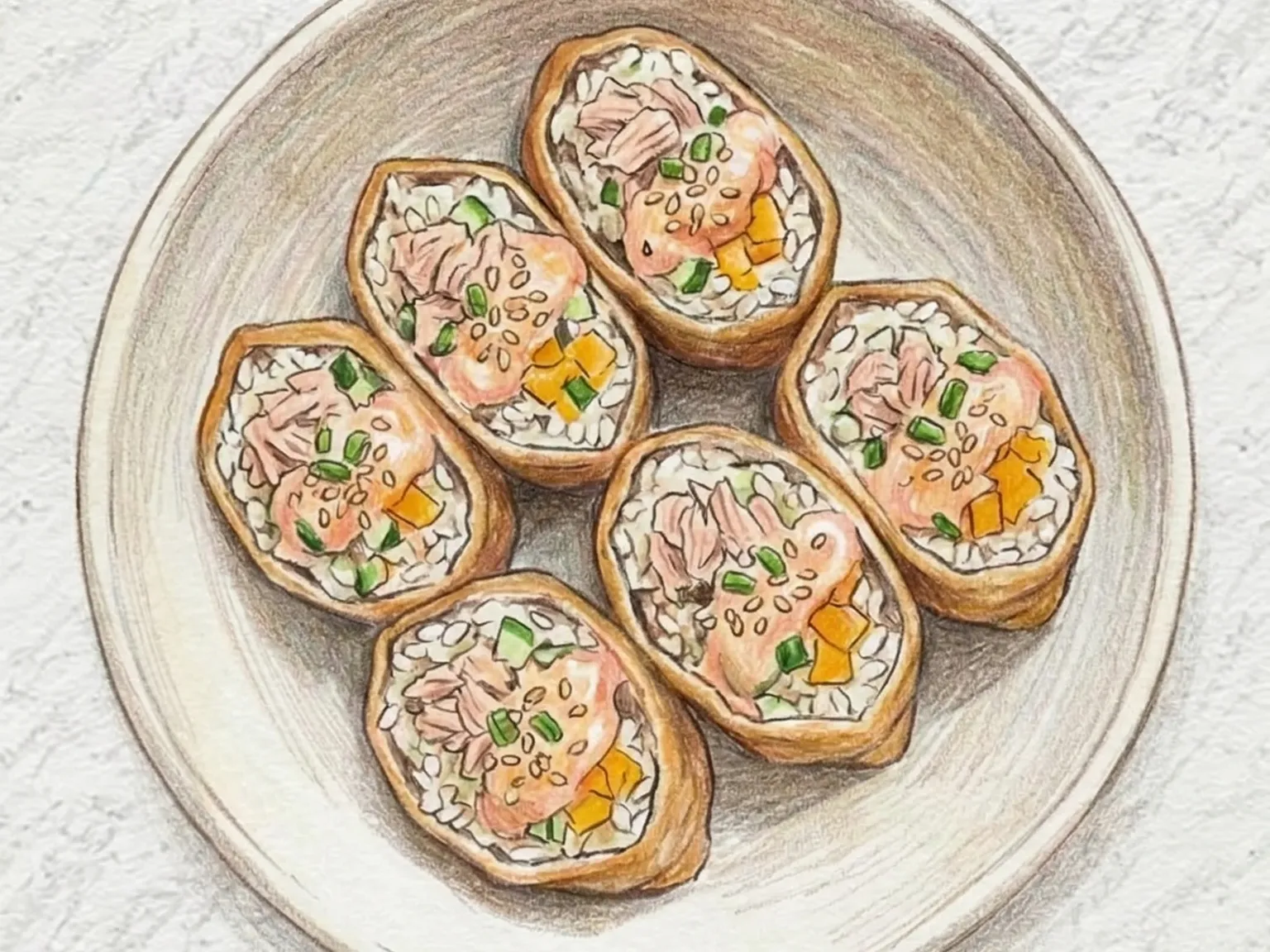
Korean Maekom Mayo Yubu Pocket (Spicy Mayo Tofu Pockets)

Korean Maekom Mayo Yubu Pocket (Spicy Mayo Tofu Pockets)

Quick answer

Spicy mayo yubu pockets are seasoned tofu pouches stuffed with rice, canned tuna, chopped pickled radish, and cucumber, all bound together with a gochujang-mayonnaise sauce.

What makes this special

  • Seasoned tofu pouches filled with spicy gochujang-mayo tuna and rice: Maekom Mayo Yubu.
  • Oil-drained tuna with gochujang and mayo gives spicy-nutty filling
  • Lukewarm rice prevents tearing the delicate tofu skin pocket
Total time
26 min
Level
Easy
Servings
4 servings
Ingredients
9
Calories
244 kcal
Protein
9 g

Key ingredients

seasoned tofu pocketscooked ricecanned tunamayonnaisegochujang

Core cooking flow

  1. 1 Remove 12 seasoned tofu pockets from the package, gently shake off excess br...
  2. 2 Drain 120 g canned tuna in a sieve, pressing lightly so excess oil does not loosen the filling later.
  3. 3 In a small bowl, loosen 3 tablespoons mayonnaise with 1 tablespoon gochujang before adding it to the rice.

Spicy mayo yubu pockets are seasoned tofu pouches stuffed with rice, canned tuna, chopped pickled radish, and cucumber, all bound together with a gochujang-mayonnaise sauce. The tuna must be thoroughly drained before mixing so the mayonnaise coats evenly, and the ratio of gochujang to mayo controls both the heat level and the creamy consistency of the filling. Diced pickled radish and cucumber introduce a satisfying crunch that keeps each bite from feeling heavy. Sesame oil and toasted sesame seeds mixed into the rice build a nutty foundation that balances the spice from the sauce. The sweet and salty braised tofu pouch wraps around everything, delivering multiple layers of flavor in a single bite. These pouches pack well for lunch boxes and hold up in the refrigerator, where the tofu slowly absorbs moisture from the filling and becomes even softer.

Prep 18min Cook 8min 4 servings

Instructions

Read the steps as a cooking flow: prep, heat, seasoning, doneness control, and finish.

6 steps
  1. 1
    Season

    Remove 12 seasoned tofu pockets from the package, gently shake off excess braising liquid, and check for torn edges.

    Prepare 360 g cooked rice while it is lukewarm, not hot, so the pockets stay intact when filled.

  2. 2
    Prep

    Drain 120 g canned tuna in a sieve, pressing lightly so excess oil does not loosen the filling later.

    Finely chop 50 g pickled radish and 50 g cucumber into rice-grain-sized pieces, keeping the mixture crunchy rather than watery.

  3. 3
    Step

    In a small bowl, loosen 3 tablespoons mayonnaise with 1 tablespoon gochujang before adding it to the rice.

    Stir until the color is even and no thick streaks remain, which prevents one pocket from tasting much spicier than another.

  4. 4
    Season

    Add 1 teaspoon sesame oil and 1 teaspoon sesame seeds to the lukewarm rice, then fold with a rice paddle.

    Use a cutting motion instead of pressing, so the grains stay separate and the nutty seasoning spreads evenly.

  5. 5
    Prep

    Add the drained tuna, pickled radish, and cucumber to the rice and mix once before adding the spicy mayo in portions.

    Fold until the filling holds together moistly, but stop before it becomes pasty or wet.

  6. 6
    Finish

    Open each tofu pocket slowly with your fingertips and divide the filling into 12 portions.

    Press it into the corners without tearing the tofu, then serve right away or chill for 5 minutes so the pockets firm slightly.

After the steps

Pick a recipe that fits this dish.

Continue with shared ingredients, meal pairings, or a similar method.

Recipes That Go Well With This

More Street food →

Based on shared ingredients and meal pairing

Korean Tuna Kimchi Gimbap
Shared ingredient: cooked short-grain rice Street food

Korean Tuna Kimchi Gimbap

Tuna-kimchi gimbap rolls together drained canned tuna, stir-fried kimchi, and mayonnaise inside seasoned rice and roasted seaweed sheets. Stir-frying the kimchi for two minutes drives off excess liquid and concentrates its fermented tang into a deeper, more savory flavor. Perilla leaves layered directly on the rice add a herbal, slightly minty fragrance that offsets the richness of the tuna-mayo filling. A light brush of sesame oil on the finished roll preserves the seaweed's crispness while adding a final nutty aroma to every slice. Matching tuna and cooked kimchi in a one-to-one ratio keeps the salt and umami in balance, and adding just enough mayonnaise to bind the filling prevents the rice from turning soggy during rolling.

Tuna Mayo Rice Bowl (Chamchi Mayo Cupbap)  -  Easy Korean Bunsik Recipe
Shared ingredient: cooked short-grain rice Street food

Tuna Mayo Rice Bowl (Chamchi Mayo Cupbap) - Easy Korean Bunsik Recipe

Chamchi mayo cupbap is Korea's well-loved quick meal of seasoned tuna and mayo spooned over steaming hot rice, assembled in about eighteen minutes. The canned tuna must be drained and pressed dry through a strainer before anything else: residual liquid from the can dilutes the soy and sugar seasoning and turns the rice soggy within minutes. Onion and scallion are stir-fried first to draw out their natural sweetness, and the tuna is folded in afterward so the fish picks up the developed flavor of the aromatics rather than sitting raw-tasting on top. Mayonnaise goes in only after the heat is turned off; adding it while the pan is still hot breaks the emulsion and produces a greasy finish. A generous scatter of crushed dried seaweed over the finished bowl adds a roasted oceanic note and textural contrast. Mixing everything together before eating is the correct approach: the tuna-mayo sauce coats every grain of rice evenly, so each spoonful carries the full range of flavors rather than alternating between plain rice and heavily sauced bites.

Korean Seasoned Wild Chive
Serve together Side dishes

Korean Seasoned Wild Chive

Dallae-muchim is a raw spring side dish made from Korean wild chives dressed in soy sauce, gochugaru, vinegar, sugar, and sesame oil -- one of the clearest markers that spring has arrived. Dallae emerges from hillsides in March, finer in stem than cultivated chives and carrying an intensely sharp, garlic-like aroma that vanishes almost immediately when cooked, which is why the herb is always used raw. The small bulbs and slender leaves are washed root-and-all, cut to three or four centimeters, and tossed in the seasoning just before serving. The result is a pungent, nose-clearing mouthful that contrasts directly with the deep, fermented warmth of doenjang-jjigae when the two are eaten together. The season for dallae is brief -- a few weeks in early spring -- making this banchan one of the more fleeting pleasures of the Korean table.

Korean Spicy Pork Rice Cup
Similar recipe Street food

Korean Spicy Pork Rice Cup

Jeyuk cupbap is a Korean street-style rice cup topped with pork shoulder stir-fried in gochujang, soy sauce, sugar, and garlic, layered over steamed rice with onion and cabbage. The gochujang-sugar combination forms a spicy-sweet glaze on the pork that caramelizes quickly under high heat, sealing in the meat's juices and creating a lacquered surface. Cabbage goes in last to keep its snap, and the slow-cooked onion contributes a gentle sweetness that tempers the chili heat. Slightly cooled rice keeps the cup from turning soggy, and the tight, portable format makes this a defining item of Korean street-food culture, equally at home in a pojangmacha stall and a school cafeteria. A soft-boiled egg or a slice of processed cheese on top adds a rich, creamy note.

Serve with this

Korean Warm Noodles with Kimchi Dumplings
Noodles Easy

Korean Warm Noodles with Kimchi Dumplings

Kimchi mandu onmyeon is a Korean warm noodle dish that combines kimchi dumplings simmered in anchovy-kelp stock with thin wheat noodles served in the hot broth. The filling of kimchi and pork inside each dumpling gradually releases savory depth into the clean dashi as the dumplings cook, building a broth that feels substantive without requiring heavy seasoning. Soup soy sauce and minced garlic are the only seasoning additions, keeping the overall flavor clear and well-defined. Thin wheat noodles are boiled separately and rinsed under cold water before serving, which prevents the cooking starch from clouding the broth and keeps the noodles smooth and springy in texture rather than swollen and soft. Julienned zucchini added to the broth and a thin stream of beaten egg swirled in just before serving add color and textural variety to the finished bowl. Since the sodium content of kimchi dumplings varies considerably by brand, soup soy sauce should be added in small increments at the end rather than all at once. Overcooking the dumplings causes the wrapper to loosen and the broth to cloud, so once the dumplings float to the surface the noodles should go in and the dish brought together quickly. Gochugaru or sliced cheongyang chili transforms the bowl into a spicier version, and a drop of sesame oil stirred in just before eating rounds out the nuttiness of the broth. Equally suited as a late-night solo meal or a warming bowl on a cold day.

🏠 Everyday ⚡ Quick
Prep 10min Cook 18min 2 servings
Schisandra Fruit Punch (Korean Cold-Brewed Berry Fruit Bowl)
Desserts Easy

Schisandra Fruit Punch (Korean Cold-Brewed Berry Fruit Bowl)

Omija hwachae is a traditional Korean fruit punch made by cold-infusing dried schisandra berries in water for at least two hours to extract a vivid red liquid, then sweetening with honey. Cold extraction is not optional: hot water pulls excess astringency from the berries and makes the liquid harsh rather than bright. Only a small portion of the infusion is gently warmed to dissolve the honey before the two are combined. Scooped balls of Korean pear and watermelon sit submerged in the chilled omija broth, so each spoonful delivers a crisp, juice-filled bite against the tart-sweet liquid. Pine nuts floated on the surface add a mild fatty richness that tempers the sharpness of the schisandra acid, and serving the hwachae over generous ice keeps every component at its most vivid.

🧒 Kid-Friendly ⚡ Quick
Prep 15min Cook 5min 4 servings
Korean Spicy Sea Snail Salad
Drinks Easy

Korean Spicy Sea Snail Salad

Golbaengi-muchim is a Korean spicy sea snail salad made with canned sea snails drained thoroughly and tossed with sliced cucumber, onion, and green onion in a sauce of gochujang, gochugaru, rice vinegar, and sugar. The snails are firm and bouncy with a dense chew that stands apart from almost every other seafood in Korean cooking, and the sharpness of the gochujang-vinegar dressing cuts through their richness without overpowering the texture. Soaking the sliced onion in cold water for five minutes removes its harsh pungency, leaving it with a milder sweetness that integrates more smoothly into the dressing. Cucumber and green onion bring contrasting crunch and freshness. Sesame oil and sesame seeds are added at the end, coating everything in a nutty fragrance that softens the heat slightly. The dish must be served immediately after mixing, before the salt in the dressing draws moisture from the vegetables and turns the whole thing wet and limp. Laying a bed of thin somyeon noodles in the bowl before spooning the dressed snails on top produces golbaengi-somyeon, a preparation that shifts the dish from a snack into a more substantial accompaniment that works as both drinking food and a light meal. The noodles absorb the dressing and become coated in the gochujang-sesame sauce.

🍺 Bar Snacks ⚡ Quick
Prep 15min Cook 3min 2 servings

Similar recipes

Korean Grilled Rice Cake Skewers
Street food Easy

Korean Grilled Rice Cake Skewers

Tteokkochi are pan-seared rice cake skewers glazed in a thick gochujang-based sauce that builds depth through a combination of ketchup, oligosaccharide syrup, soy sauce, and minced garlic simmered down until the sauce reduces and concentrates. The rice cakes are first seared in a thin layer of oil until a lightly crisp shell forms across the surface before any sauce is applied, creating a textural contrast between the outer crust and the soft, chewy interior that defines what a good tteokkochi should feel like. The ketchup introduces a mild tomato acidity that tempers and rounds the raw heat of the gochujang, while the syrup adds sweetness without the grainy texture of sugar. After the sauce is brushed on, rolling the skewers over low heat for another minute fuses the glaze to the rice cake surface so it adheres firmly and does not peel off as the skewers cool. Adjusting the ratio of ketchup to syrup shifts the balance between sweetness and acidity, making it straightforward to tailor the sauce to individual preference. Making the sauce in a larger batch and storing it separately saves time on repeat preparations.

🧒 Kid-Friendly 🌙 Late Night
Prep 10min Cook 10min 2 servings
Korean Tuna Fried Rice (Quick Canned Tuna Stir-Fried Rice)
Rice Easy

Korean Tuna Fried Rice (Quick Canned Tuna Stir-Fried Rice)

Chamchi bokkeumbap is a staple Korean home-style fried rice made by stir-frying canned tuna together with its oil alongside diced onion, carrot, and green onion, then folding in cooked rice and seasoning with soy sauce and sesame oil. The tuna oil distributes through the rice during frying, coating each grain and building a savory, nutty richness that needs little else to feel complete. It is the kind of meal that comes together from pantry and fridge staples with no advance planning: one can of tuna plus whatever vegetables are on hand covers the whole recipe. Cold leftover rice works better than freshly cooked because lower moisture content keeps the grains separate and gives the fried rice its characteristic loose texture. Maintaining high heat throughout prevents clumping and develops a slight char on the rice that adds depth.

⚡ Quick 🏠 Everyday
Prep 5min Cook 10min 2 servings
Korean Tteok Kkochi Yangnyeom Gui (Grilled Rice Cake Skewers)
Grilled Easy

Korean Tteok Kkochi Yangnyeom Gui (Grilled Rice Cake Skewers)

Cylinder rice cakes are threaded onto skewers, lightly brushed with oil, and rolled on a grill pan over medium heat for six to seven minutes until the exterior turns golden. A sauce of gochujang, ketchup, oligosaccharide syrup, soy sauce, and minced garlic is applied in two rounds, building a glossy red glaze that clings to the surface. The outer layer develops a slight crispness while the inside remains stretchy and dense - that textural duality is the hallmark of this dish. A light dusting of cheese powder turns it into a kid-friendly snack, and it stands as one of the most iconic items in Korean street-food culture.

🍺 Bar Snacks 🧒 Kid-Friendly
Prep 15min Cook 14min 4 servings

Tips

Use lukewarm rice so the tofu pockets do not tear.
Use sriracha instead of gochujang for a brighter heat.

Nutrition (per serving)

Calories
244
kcal
Protein
9
g
Carbs
26
g
Fat
11
g