Rice Flour Walnut Biscuit Bars
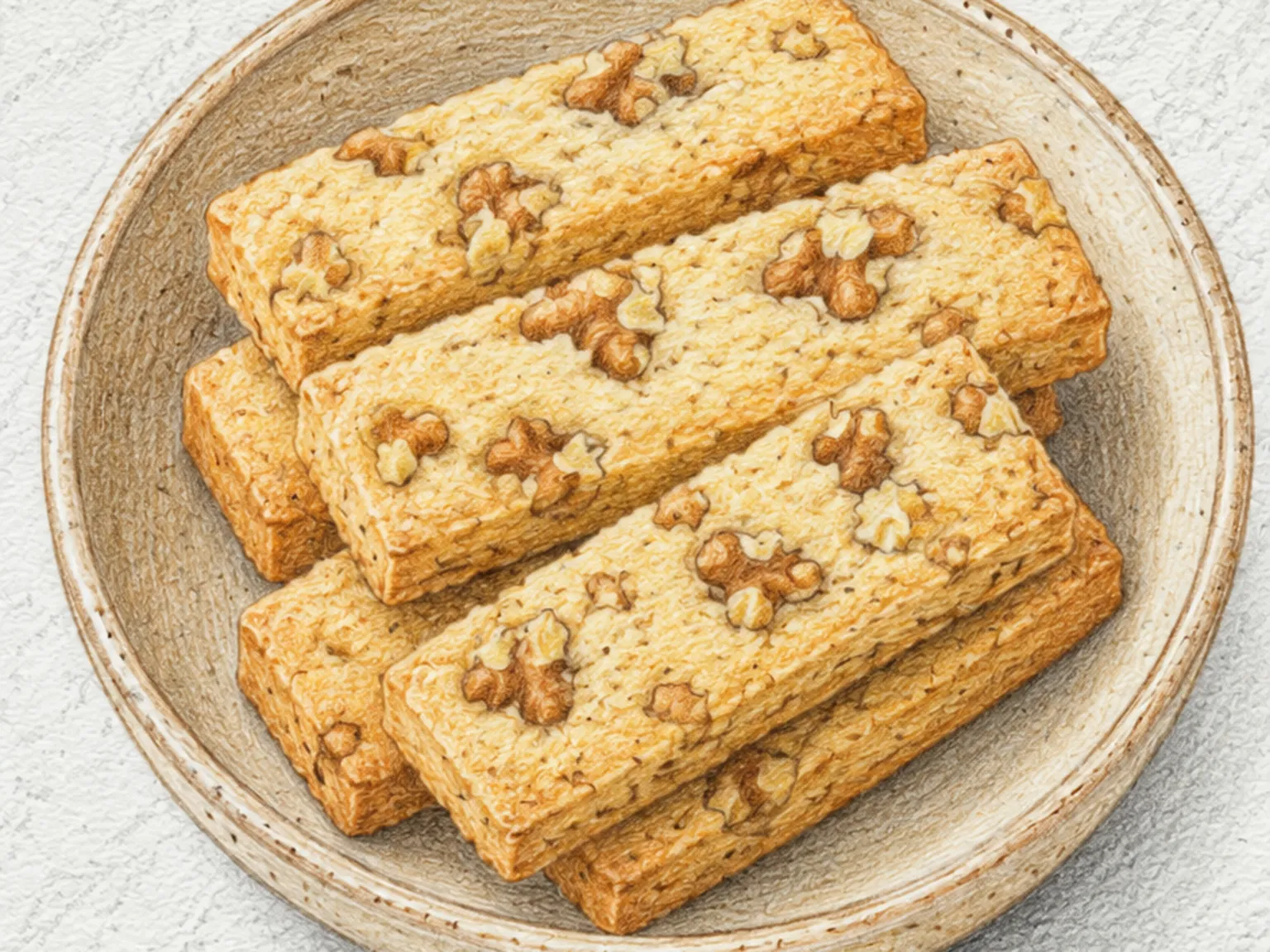
These biscuit bars are built on rice flour and almond flour rather than wheat, producing a crumb that is tender and crumbly with minimal gluten development. Chopped walnuts folded into the dough contribute a firm, nutty crunch that punctuates the otherwise delicate texture. Brown sugar provides a caramel-like depth of sweetness, and vanilla extract ties the flavors together with a gentle warmth. Toasting the walnuts before adding them to the batter intensifies their flavor significantly - the roasted oils become more fragrant and the nuts take on a slightly bitter edge that balances the sugar. Pressing the dough evenly into the pan is important for uniform baking; uneven thickness means burnt corners and pale centers. The bars must cool completely in the pan before slicing, or they will crumble apart at the cut. Stored in an airtight container, they maintain their snap for several days. The near-absence of gluten makes these bars lighter than a traditional shortbread while still delivering the satisfying richness that butter and nuts provide.
Adjust Servings
Instructions
- 1
Preheat oven to 175C and line a 20 cm square pan.
- 2
Combine rice flour, almond flour, baking powder, and salt.
- 3
Cream butter and sugar, then beat in egg and vanilla.
- 4
Add dry ingredients to form dough, then fold in chopped walnuts.
- 5
Press into the pan evenly and bake for 24-26 minutes.
- 6
Cool completely before slicing into bars.
As an Amazon Associate, we may earn from qualifying purchases.
Tips
Nutrition (per serving)
Goes Well With

Korean Sweet Corn Latte (Butter Sauteed Corn Milk Drink)
Sweet corn latte begins by sauteing cooked corn kernels in butter until fragrant, then simmering them in milk to draw out the corn's natural sugars before blending everything smooth. The butter amplifies the starchy, roasted aroma during the initial saute, coating each kernel so that the fat-soluble flavor compounds dissolve fully into the milk during the five-minute simmer. Blending the mixture until completely smooth and then straining it through a fine sieve removes any remaining hull pieces, producing a texture as silky as a custard sauce. This straining step makes a noticeable difference in the final quality. Condensed milk adds a rounded sweetness, and a small amount of white pepper introduces a faint spiced warmth that gives the drink depth beneath the sweetness. It works equally well served hot in a ceramic mug or chilled and poured over ice; the corn aroma remains vivid in both versions.

Steamed White Rice Cake (Soft Crumbly Korean Traditional Rice Dessert)
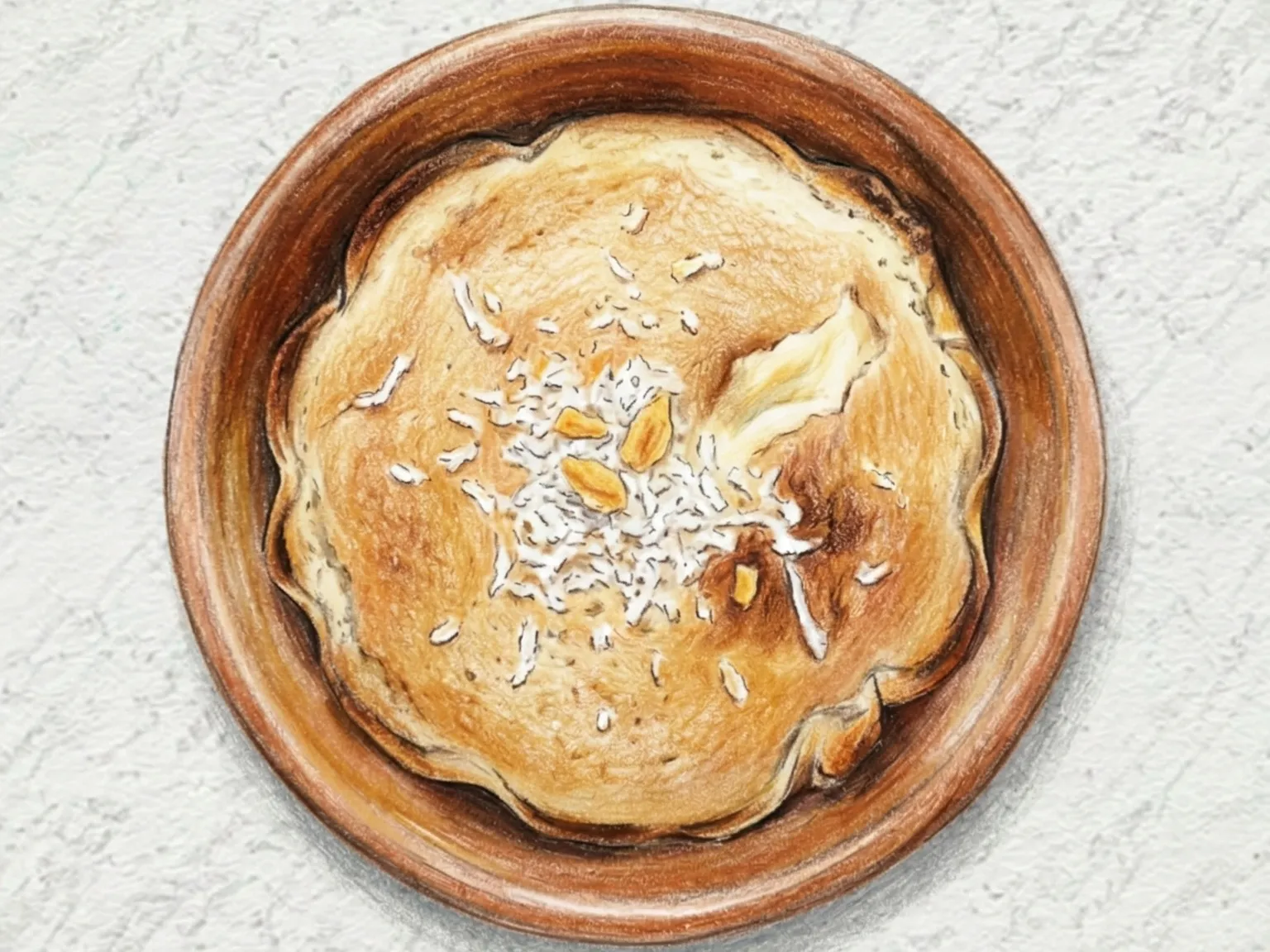
Baekseolgi is a white steamed rice cake made entirely from non-glutinous rice flour, with modest sugar and salt added. The ingredient list is short, which means technique determines the result. Sifting the flour two to three times builds air into the fine particles; that incorporated air produces the characteristic crumbly, soft texture after steaming. Skip the sifting and the cake steams dense and coarse. Moisture level is checked by hand: the flour should clump when squeezed but fall apart with a light touch. Too dry and the inside comes out powdery even after steaming; too wet and the surface turns sticky. The steamer must be fully boiling before the flour goes in, and strong steam maintained continuously for twenty to twenty-five minutes without lifting the lid. A cotton cloth laid under the lid catches condensation before it can drip onto the surface - those drops create wet patches that spoil the even white finish. Sugar is kept low, letting the clean, neutral sweetness of the rice come through. The cake firms up as it cools, so it is best eaten warm. Dried jujube slices or pumpkin seeds pressed into the surface before steaming add color to the otherwise plain white top.

Fruit Salad (Fresh Seasonal Fruit in Yogurt)
Fruit salad dices apple, banana, kiwi, strawberries, and blueberries into uniform bite-sized pieces and folds them gently into a light dressing of plain yogurt, honey, and lemon juice. Cutting everything to a similar size ensures an even mix of crisp, soft, and juicy textures in every spoonful. The lemon juice serves two purposes - it adds a bright acidity that ties the different fruits together and slows the oxidation that turns apple flesh brown. Banana should be added last to prevent it from turning mushy under the weight of the other ingredients. Using unsweetened yogurt lets the natural sweetness of the fruit stand out more clearly, and chilling the finished salad for about ten minutes allows the fruit juices to merge with the dressing for a more cohesive flavor.

Ground Beef Tacos
Beef tacos season ground beef with chili powder, cumin, garlic powder, and smoked paprika, then cook it in a skillet until the moisture cooks off and every granule of meat is coated in a concentrated spice crust. Spooned into crispy taco shells, the filling creates an immediate textural contrast as the shell cracks and the seasoned meat gives a dense, juicy resistance underneath. Salsa adds tomato acidity and chili heat on top, while avocado slices provide a cooling, fatty layer that moderates the spice without neutralizing it. Sour cream contributes a mild dairy tang, and a squeeze of lime over everything sharpens all the other flavors at once. The handheld format makes it easy to eat a second and third shell, since each one delivers the full range of spicy, tangy, creamy, and savory in a few bites.
More Recipes

Black Rice Coconut Muffins
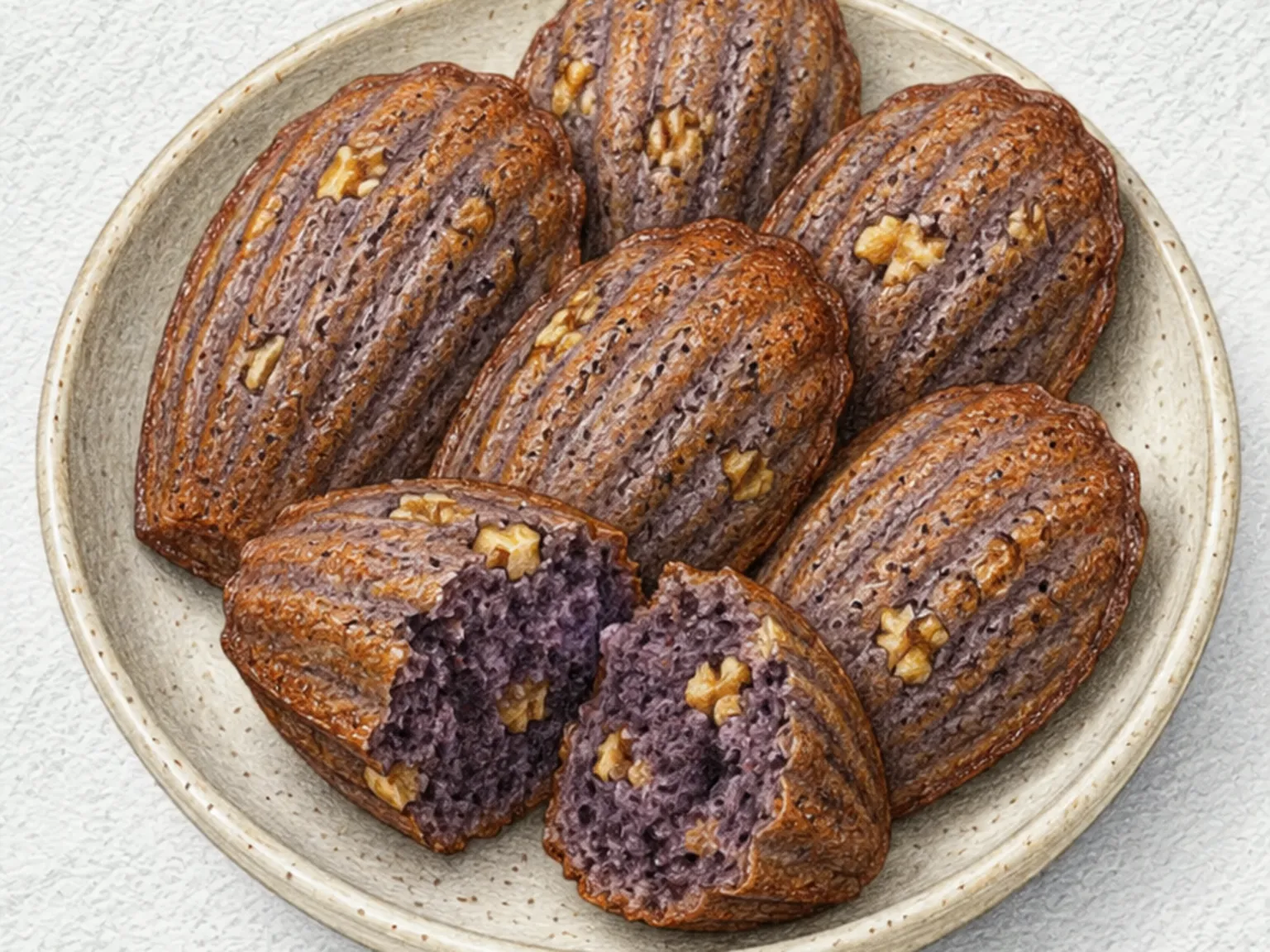
Black rice flour is blended into all-purpose flour until the batter takes on a distinctive purple-gray hue, and the grain brings a toasted, nutty quality that plain flour cannot provide on its own. Coconut milk stands in for regular dairy, producing a crumb that is noticeably more moist and tender than a standard muffin while the tropical scent settles into the batter without the need for any extract or flavoring. Desiccated coconut folded in before baking survives the oven and creates small chewy pockets throughout the finished crumb, varying the texture bite by bite. The anthocyanin pigments in the black rice deepen visibly on the muffin tops during baking, giving them a pronounced purple that signals the presence of the grain before a single bite is taken. Both ingredients reinforce the nutty note from their own direction, one earthy and grainy, the other sweet and tropical, and together they give the muffin more depth than a recipe built on white flour alone.

Walnut Cakes (Korean Bite-Sized Red Bean Walnut Pastries)
Hodu-gwaja are bite-sized Korean walnut cakes baked in a dedicated walnut-shaped cast iron mold, made from a batter of cake flour, baking powder, eggs, milk, and melted butter. Each cavity is half-filled with batter, then topped with sweet red bean paste and a toasted walnut half, sealed with a second pour of batter, and cooked over medium-low heat for six to eight minutes per side. The result is a thin, lightly browned shell encasing a moist, soft interior. Toasting the walnut halves at 160 degrees Celsius for five minutes beforehand makes a noticeable difference: the finished cakes carry a deeper, more fragrant nut aroma compared to those made with untoasted walnuts. Resting the batter for ten minutes before using it relaxes the gluten, which reduces air pockets during pouring and produces a smoother exterior surface. The cake originated as a regional specialty of Cheonan in South Chungcheong Province and has since become one of the most recognized snacks sold at highway rest stops and traditional markets across the country.

Ssuk Bam Crumble Bars (Mugwort Chestnut Bars)
A cookie-like base made with mugwort powder supports a layer of roasted chestnut pieces, all blanketed by a crumbly butter streusel and baked until golden. The mugwort infuses the entire bar with a subtle, herbal earthiness - green and faintly bitter, reminiscent of fresh spring grass - while the chestnuts lose moisture in the oven and concentrate into pockets of dense, natural sweetness. The bottom layer bakes firm and crisp, providing structural integrity, while the crumble on top breaks apart irregularly, delivering varying bursts of buttery crunch with every bite. Sugar and butter in the dough temper the mugwort's bitterness so it reads as aromatic depth rather than sharpness. Pairing these bars with warm green tea creates a resonance between the herbal notes, each reinforcing the other.

Injeolmi Mochi Brownies (Chewy Rice Flour Cocoa Bars)
Glutinous rice flour replaces wheat flour in these brownies, producing a chewy, mochi-like texture coated in roasted soybean powder for an injeolmi twist. The cocoa and brown sugar create a deep chocolate flavor while the rice flour gives the crumb an elastic, stretchy quality that regular brownies lack entirely. After baking, a generous coating of toasted soybean powder adds the signature nutty aroma of injeolmi rice cakes. The combination of chocolate and roasted soybean may sound unusual, but the flavors share a common toasty warmth that binds them together naturally. Eaten cold from the refrigerator, the chew becomes firmer and more pronounced. At room temperature, the brownie softens and stretches, offering a completely different mouthfeel from the same recipe.

Gangjeong Crunch Cookies (Korean Rice Flour Nut Cookies)
Gangjeong crunch cookies translate the airy, shattering texture of traditional Korean gangjeong into a baked cookie that can be made at home and carried anywhere. Blending glutinous rice flour into the dough changes the bake fundamentally: the cookies spread thinner than all-wheat versions and develop a brittle, cracker-like snap that sets them apart from soft or chewy alternatives. Rice syrup or honey serves as the sweetening binder in place of plain sugar, contributing a faint grain fragrance and enough tackiness to fix toppings of sesame seeds, sunflower seeds, or pumpkin seeds firmly to the surface before baking. The cookies look done before they are, so trusting the timer matters; pulling them too early results in a soft center that never fully crisps. Crunch solidifies completely only once the cookies have cooled for fifteen minutes outside the oven. Swapping butter for vegetable oil thins the spread further and amplifies the crunch. With every chew the toasted grain and nut flavors deepen gradually, making each bite more satisfying than the last. Stored in an airtight container after fully cooling, they hold their snap for three days or more, making them practical for gifting. The cookies carry the spirit of a Korean holiday confection in a lightweight, portable format.

Yuja Cheesecake Bars (Citron Cheesecake)
Yuja cheesecake bars are a baked dessert that begins with a pressed crust of cracker crumbs and melted butter, pre-baked for eight minutes to set a firm base before the filling goes in. The filling combines softened cream cheese, eggs, sugar, and yuja citron marmalade, poured over the crust and baked at 170 degrees Celsius until just set. Pre-baking the crust is essential for keeping the layers distinct, and room-temperature cream cheese is non-negotiable for a batter free of lumps. Seventy grams of yuja marmalade introduces the fruit's sharp, floral citrus fragrance alongside clean acidity that cuts through the dense richness of the cheese layer, preventing the aftertaste from feeling heavy or cloying. Chilling for two full hours in the refrigerator before slicing produces straight, clean edges on each bar, and the texture sits between dense and silky, dissolving slowly once it hits the palate.