Pan-Seared Steak
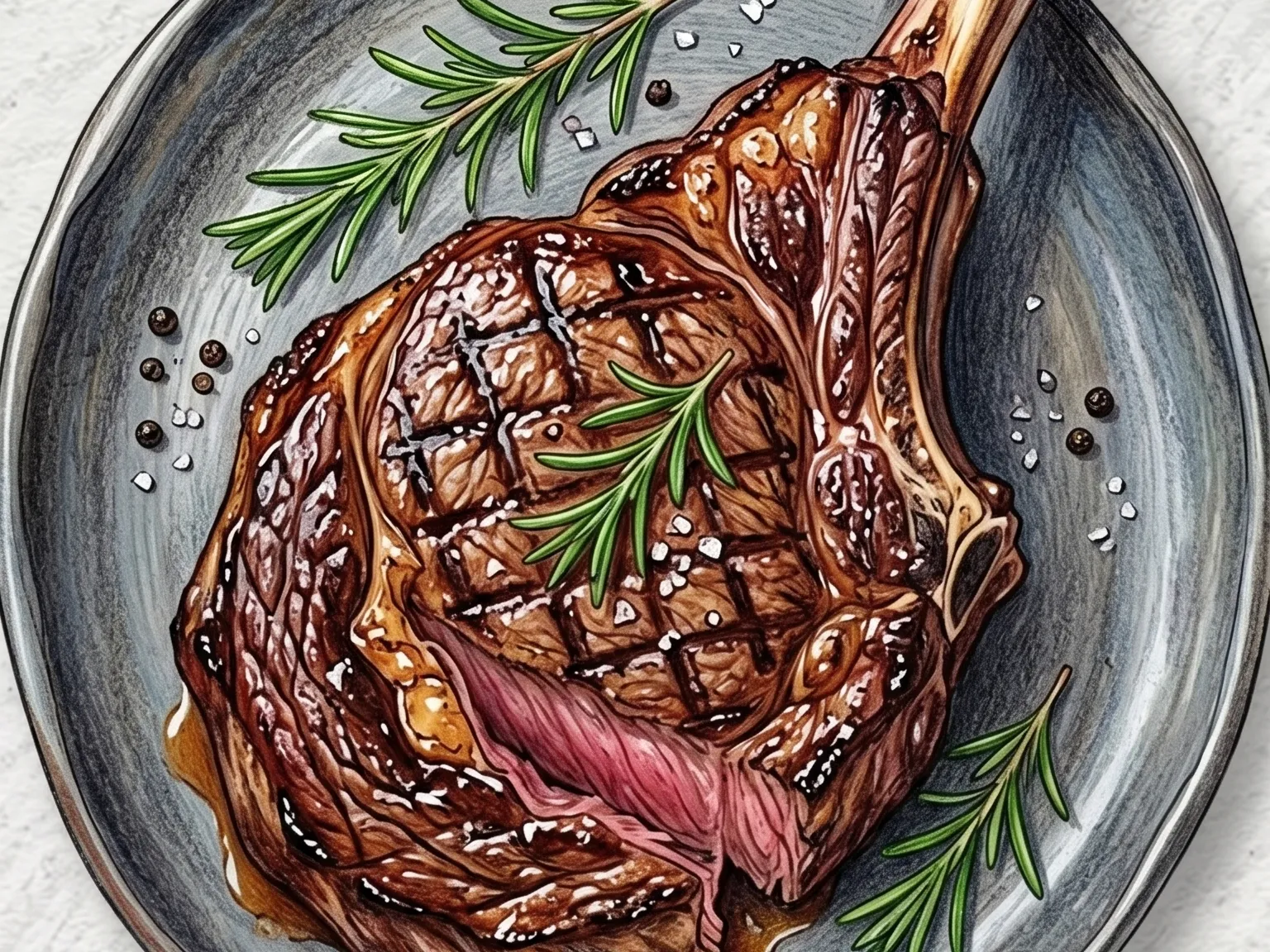
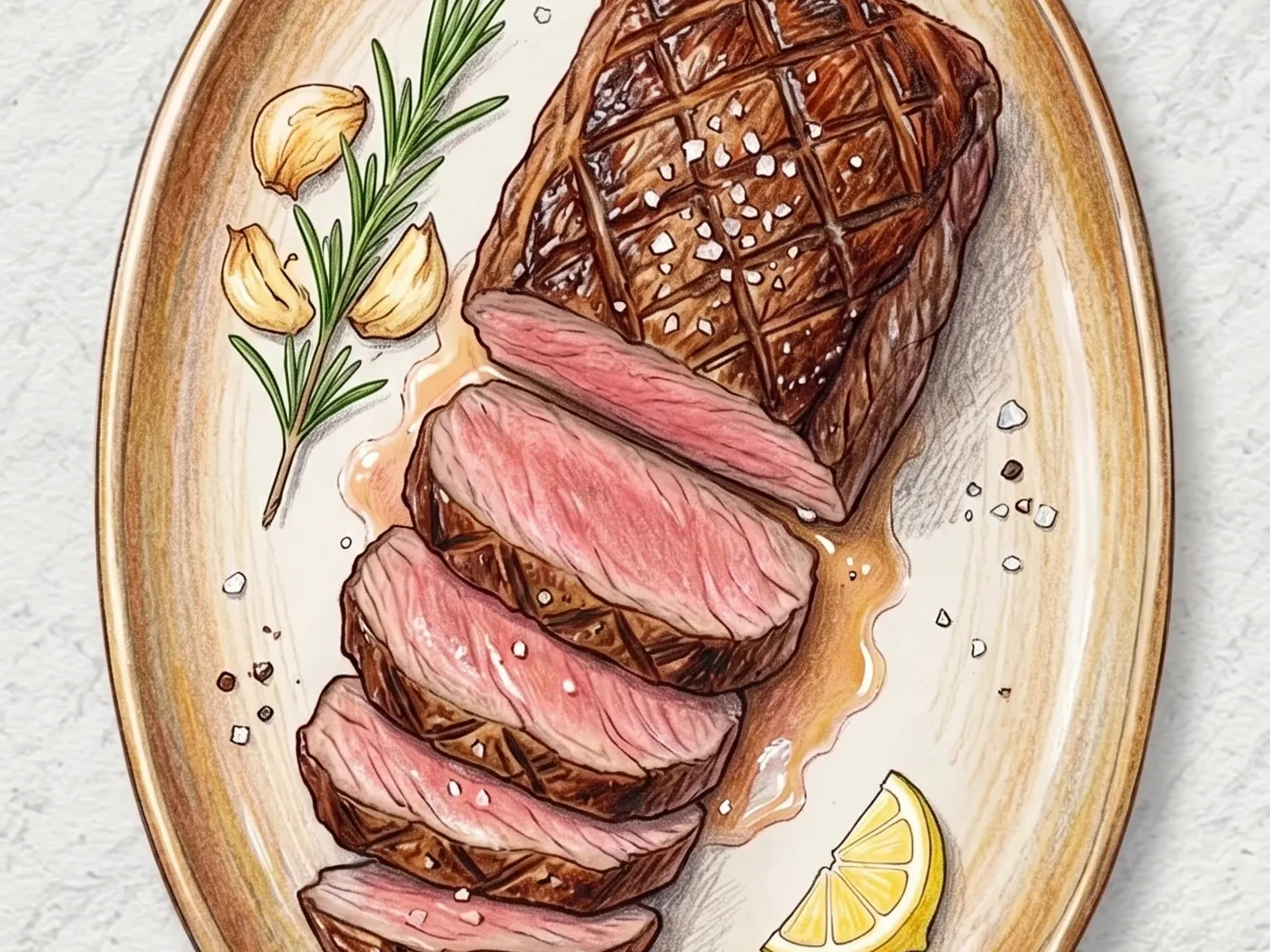
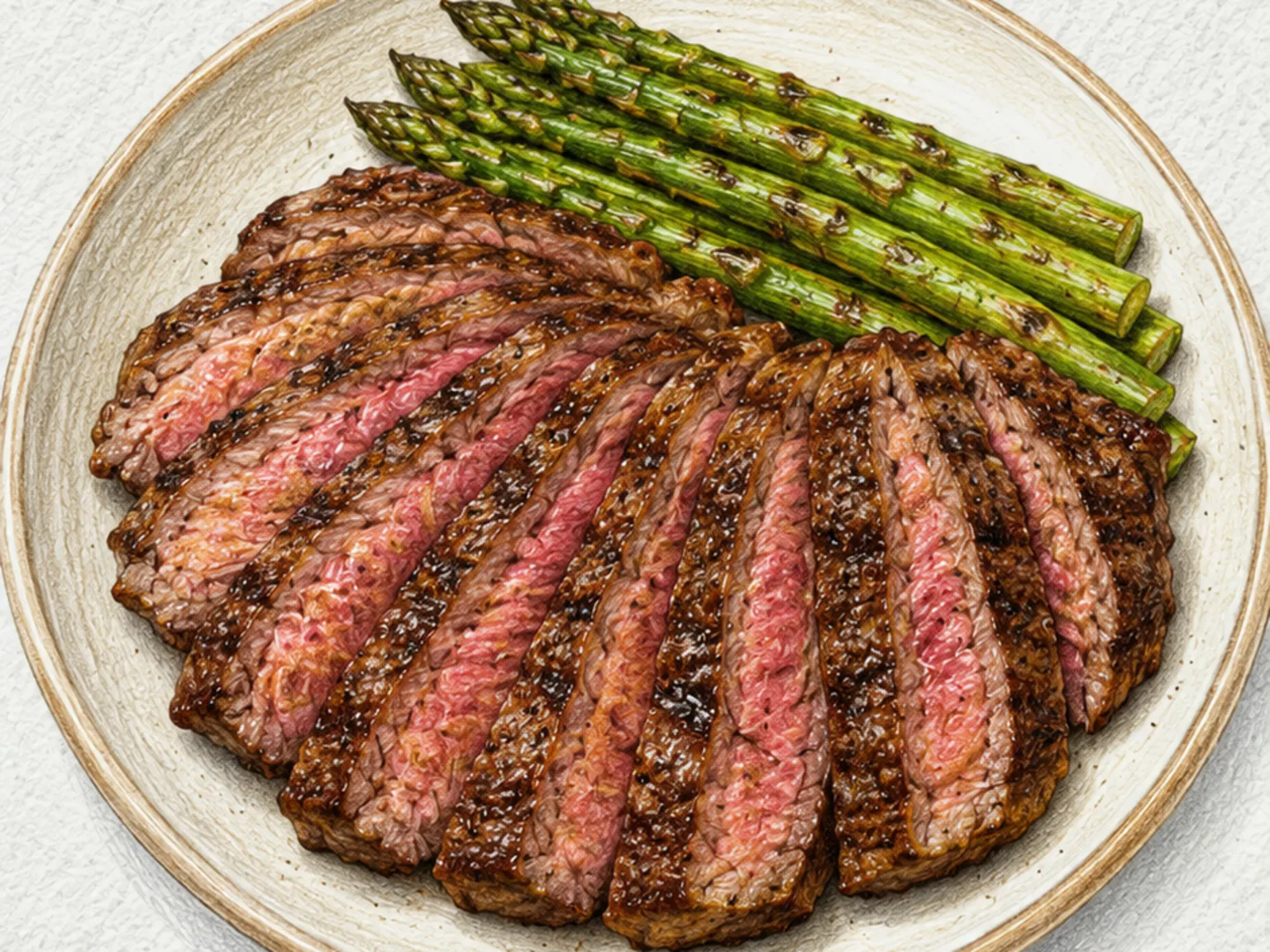
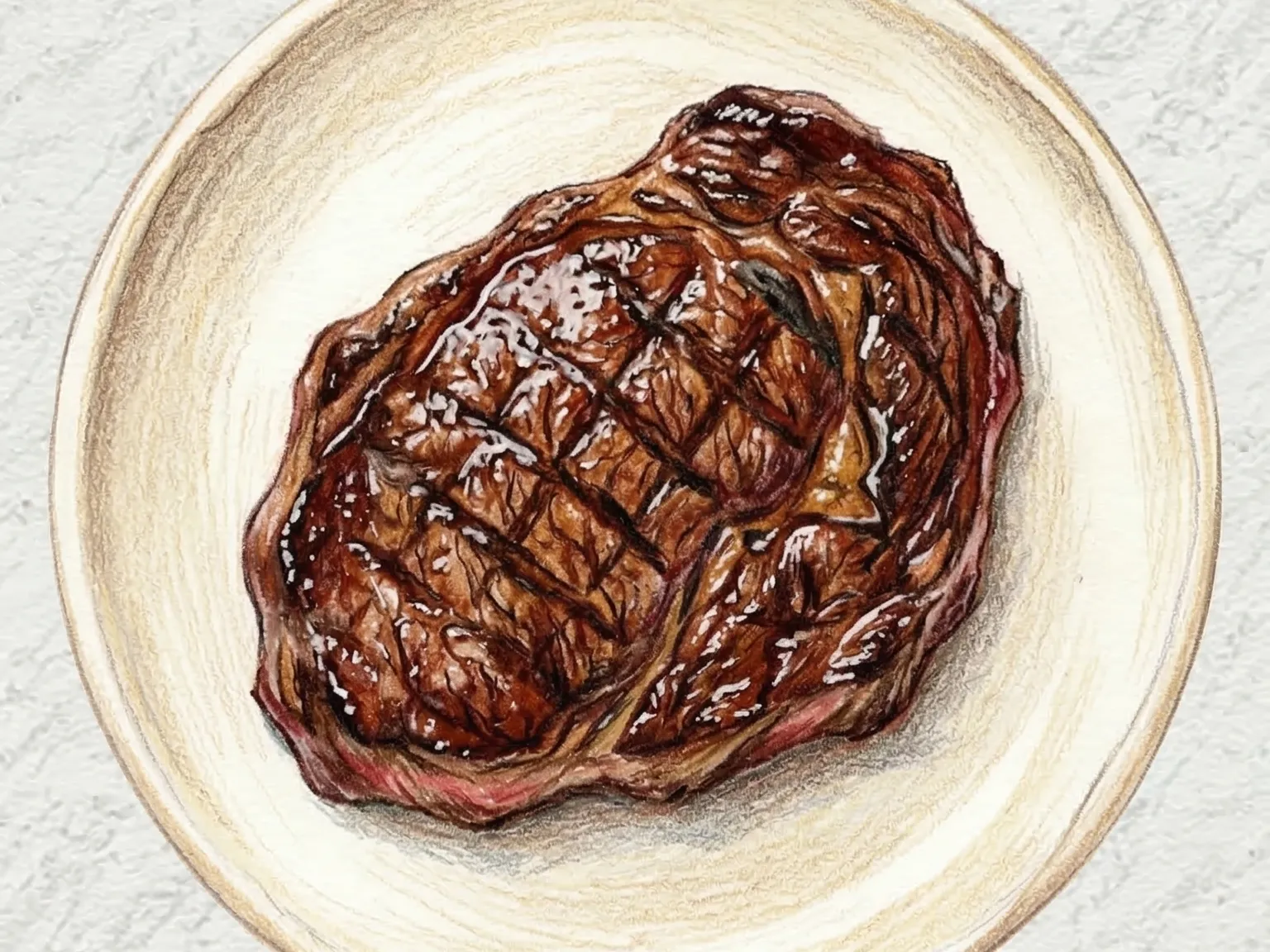
Pan-seared steak starts with bringing the beef to room temperature for 30 minutes and patting the surface completely dry with paper towels - residual moisture prevents the Maillard reaction that builds the deep brown crust responsible for both flavor and juice retention. Seasoning is kept to salt and pepper so the beef's own character leads. The pan must be heated until it smokes before the oiled steak goes in, and each side sears for two to three minutes without moving the meat. Reducing the heat and adding butter, garlic, and rosemary creates an aromatic basting liquid that infuses the surface as it cooks to the target doneness. Resting the steak off heat for a full five minutes lets the muscle fibers relax and reabsorb their juices - skipping this step means the liquid pools on the plate instead of staying inside the meat.
Adjust Servings
Instructions
- 1
Remove steak from the fridge 30 minutes before cooking to reach room temperature.
- 2
Pat dry with paper towels and season generously with salt and pepper.
- 3
Heat pan on high until smoking hot, then add oil.
- 4
Sear steak for 2-3 minutes per side.
- 5
Reduce heat, add butter, garlic, and rosemary. Baste steak with melted butter.
- 6
Remove when desired doneness is reached and rest for 5 minutes.
- 7
Serve with boiled or roasted potatoes.
As an Amazon Associate, we may earn from qualifying purchases.
Tips
Nutrition (per serving)
Goes Well With

Seven Layer Salad
Seven layer salad stacks romaine lettuce, sliced cucumber, halved cherry tomatoes, cooked green peas, chopped boiled egg, and thinly sliced red onion in a clear glass bowl, then seals the top with a smooth layer of Greek yogurt mixed with lemon juice. The yogurt cap acts as a moisture barrier, preventing the lower layers from turning soggy and making the salad suitable for advance preparation. Boiled eggs contribute a mild richness and peas add a starchy sweetness that rounds out the crisp vegetable layers, while red onion's sharp bite creates a contrast against the creamy, tangy dressing. Serving requires scooping deep to the bottom so every portion captures all seven layers at once.

Citrus Espresso Tonic with Orange
Espresso tonic is a carbonated coffee drink built by slowly pouring espresso over chilled tonic water to form two distinct layers. The tonic must be thoroughly cold to maintain stable carbonation throughout; cooling the espresso for about thirty seconds before pouring it over a spoon produces a clean separation between the two liquids. The quinine bitterness in the tonic water meets the espresso's roast bitterness, creating a balanced interplay rather than one-note sharpness. Orange slices and lemon peel garnish the glass, releasing citrus oils that rise with the bubbles. Specialty espresso with pronounced fruit acidity works particularly well here, harmonizing with the tonic's effervescence and lending natural sweetness without added sugar. Pre-chilling the glass with ice before adding the tonic helps preserve carbonation. The drink gained popularity in Scandinavian coffee culture during the 2010s before spreading worldwide.

Black Sesame Brownies
Black sesame brownies are built on a base of dark chocolate and butter melted together over a double boiler, with roasted black sesame powder sifted in before folding. The bitter edge of the chocolate meets the toasted, grain-like aroma of the sesame, adding a nutty depth that standard brownies lack. The cake flour ratio is kept low to produce a fudgy, dense center that stays slightly underdone-looking even after the full bake at 175 degrees Celsius for twenty to twenty-five minutes. Because black sesame powder is naturally oily and prone to clumping, it must be sifted together with the flour and salt before going into the batter - skipping this step leaves uneven pockets of undistributed sesame. Pull them from the oven with a faint wobble at the center, and the residual heat finishes the interior as the pan cools. Wait until fully cool before cutting for clean edges.

Kimchi Bacon Mac and Cheese
Kimchi bacon mac and cheese layers aged kimchi's lactic tang and smoky bacon into a classic American cheddar cheese sauce over elbow macaroni. A butter-flour roux forms the base, with milk whisked in to build a béchamel before cheddar is melted into a thick, clinging sauce. Crisp bacon pieces add salt and crunch throughout, while chopped ripe kimchi introduces fermented acidity that counteracts the richness of the cheese. A pinch of gochugaru runs underneath with mild, warming heat. The tubular macaroni shape traps sauce inside and out, ensuring each forkful carries the full spectrum of creamy, tangy, and smoky flavors.
More Recipes

Chaekkeut Seuteikeu (Sirloin Steak)
Sirloin steak is seasoned simply with salt and pepper, then seared in a smoking-hot pan for two to three minutes per side to build a deep brown crust through the Maillard reaction. Bringing the steak to room temperature for twenty minutes before cooking and patting the surface completely dry are both essential - cold, wet meat steams rather than sears, producing a pale, soft exterior instead of a caramelized shell. Once the crust is set, the heat is lowered and butter, crushed garlic, and rosemary are added to the pan for basting, which layers aromatic richness onto the already flavorful surface. Resting the steak on a cutting board for five minutes after cooking allows the muscle fibers to relax and reabsorb their juices, so slicing produces clean cuts rather than a pool of liquid on the plate.

Beef Fajitas Skillet
Skirt steak is marinated in lime juice, cumin, chili powder, and garlic, then placed onto a cast iron pan heated until it is smoking to develop a dark crust on the surface while the interior stays pink and retains its juices. The mass of the pan sustains the high heat even when the cold meat is added, which is what produces the crust rather than a steam. After the steak rests and is sliced, bell peppers and onion go into the same pan and are cooked quickly so they pick up the drippings without going limp. The earthy weight of cumin combines with the sharp citrus of lime to produce the specific, forceful aroma that defines fajitas, and chili powder adds a sustained heat alongside the deep red color. The components are loaded into warm tortillas with salsa, guacamole, and sour cream so each mouthful carries smokiness, acid, heat, and cool creaminess together.

Beef Stroganoff
Beef stroganoff sears thin strips of sirloin over high heat just long enough to brown the surface while keeping the interior pink and tender, then folds them into a pan sauce built from sauteed mushrooms, onions, and sour cream. The mushrooms must cook until properly browned in the pan, not just softened, to lose their excess moisture and concentrate their savory depth alongside the beef. Sour cream is stirred into the hot pan drippings at the end, transforming them into a sauce that is simultaneously creamy and subtly tangy without curdling. A touch of mustard sharpens the finish without announcing itself. Spooned over egg noodles or mashed potatoes, the cream sauce soaks into the starch below, pulling every element of the plate together into a rich, cohesive meal that traces its origins to nineteenth-century Russian cuisine.

Pork Chops with Apple Cider Pan Sauce
Apple Cider Pork Chops represent a traditional American one-pan cooking method where thick-cut pork loin chops are cooked in a single skillet to create a deep golden exterior crust. The preparation involves a pan sauce that utilizes the flavorful fond left behind in the skillet after searing the meat. For the best results, the pork chops should sit at room temperature for approximately thirty minutes before they are placed in the pan. This step is important because it allows the heat to penetrate the meat evenly from the outer edges to the center. It is also essential to use a paper towel to pat the surface of the pork until it is completely dry, which facilitates the chemical reaction needed for thorough browning. Once the pork has been seared and removed from the heat, finely chopped shallots and garlic are added to the rendered pork fat and sautéed until they become fragrant. Apple cider is then poured into the hot skillet to deglaze the surface, loosening the caramelized bits that remain attached to the bottom. The liquid is simmered and reduced until the natural sugars and acidic components of the cider become more concentrated and intense. To build additional layers of flavor, Dijon mustard is whisked into the reduction to provide a sharp and slightly peppery character. The final texture of the sauce is achieved by swirling in a piece of cold unsalted butter at the very end of the cooking process, which creates a glossy appearance and a smooth consistency. A whole sprig of fresh thyme is included during the simmering stage to provide an herbal element that connects the flavor profiles of the apple cider and the pork meat.

Tuna Steak
Chamchi steak is a pan-seared fresh tuna dish where a thick block of tuna is seasoned with olive oil, salt, and black pepper, then pressed onto a smoking-hot pan for under thirty seconds per side. This extreme brevity is deliberate: it produces a dark, caramelized Maillard crust on the surface while leaving the interior a vivid, translucent pink that is barely cooked through. Temperature control is the central technique - if the pan is not hot enough, the tuna releases moisture and steams rather than sears, so the oil should be at the point of just-visible smoke before the fish goes in. A squeeze of lemon at the end brightens the rich, iron-forward flavor of the raw center.

Chiffon Cake (Oil Meringue Airy American Tube Cake)
Chiffon cake sits between the density of a butter cake and the airy fragility of an angel food cake, and the difference comes down to one substitution: vegetable oil instead of butter. Oil stays liquid at room temperature, which means the crumb never firms up as it cools. The result is a cake that remains just as tender straight from the refrigerator as it is warm from the oven. The batter is built in two stages. A smooth base of egg yolks, oil, flour, and liquid comes together first, then a stiff meringue of whipped egg whites is folded in carefully to preserve as much trapped air as possible. That air is what makes the finished cake so light. After baking, the pan is immediately inverted and left to cool upside down; if the cake rests right-side up while still hot, its own weight will compress the tender crumb before it sets. Once fully cooled, the cake springs back cleanly when pressed, with a texture that is simultaneously light and moist. The neutral flavor of the base makes chiffon a versatile foundation: vanilla, matcha, yuzu, lemon, and black sesame are all common variations. It is typically served with whipped cream and fresh fruit, though a simple dusting of powdered sugar is enough when the cake itself is made well.