Stollen
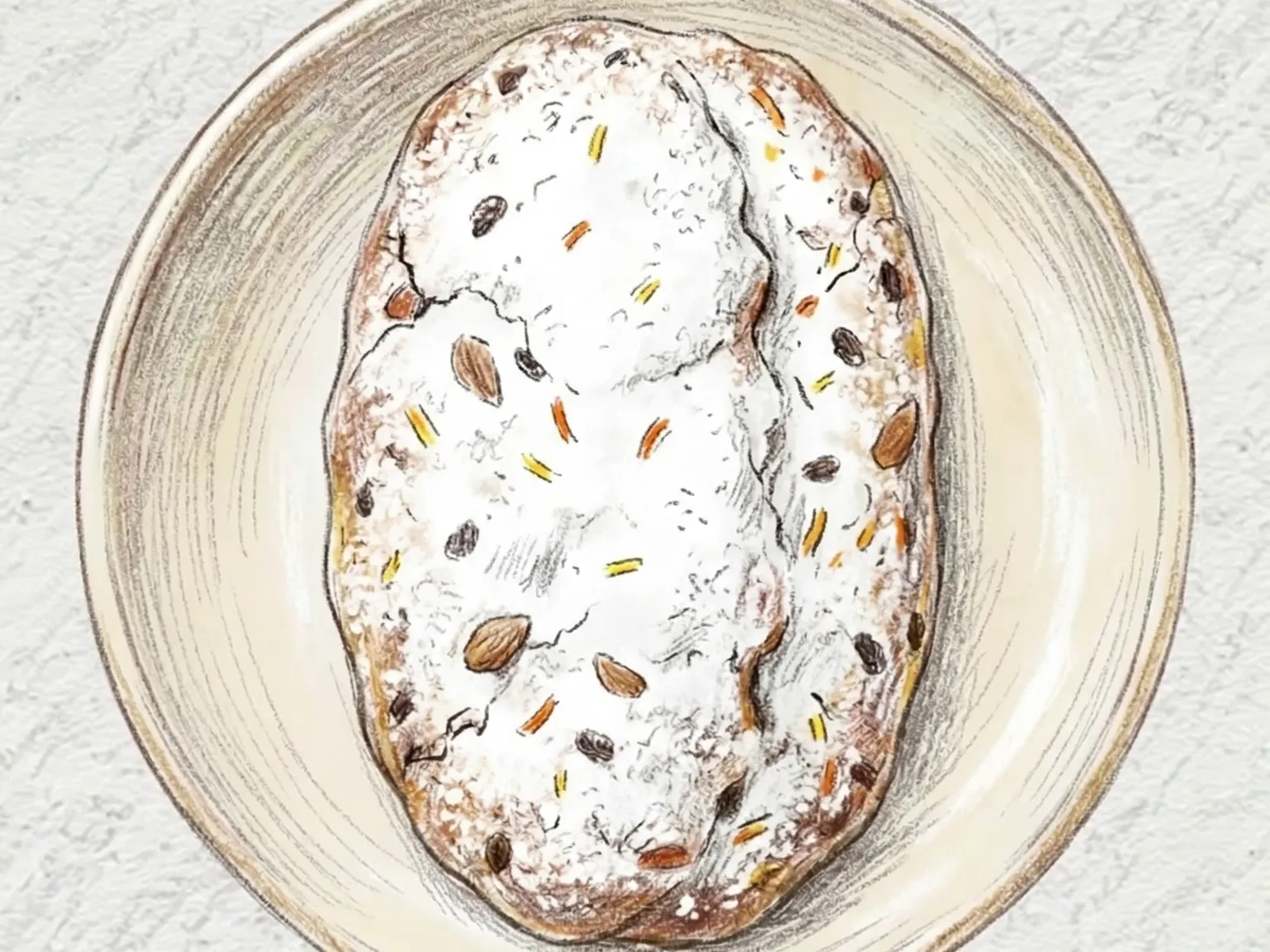
Stollen is a traditional German Christmas bread loaded with mixed dried fruits, almonds, and a generous amount of butter kneaded into a yeasted dough. The loaf is shaped into a distinctive oval, baked until golden, and then brushed with melted butter while still hot to seal in moisture. A thick coating of powdered sugar applied over the butter layer gives the finished bread its signature snow-white appearance. The interior is dense and rich, with pockets of rum-soaked raisins and candied peel appearing at every slice. Soaking the dried fruits overnight in rum or fruit juice before mixing them into the dough ensures they remain plump and soft after baking rather than turning hard and chewy. The bread improves with age - resting for at least a day after baking allows the butter, spice, and fruit flavors to meld and permeate the crumb, which is why many German families bake their stollen weeks before Christmas. Wrapped tightly, it keeps for well over a week without losing quality, making it an ideal gift or make-ahead holiday preparation.
Adjust Servings
Instructions
- 1
Bloom yeast with lukewarm milk and a little sugar for 10 minutes.
- 2
Mix flour, remaining sugar, and butter, then knead until smooth.
- 3
Fold in dried fruit and almonds, then let the dough rise for 60 minutes.
- 4
Shape into an oval loaf and bake at 180C for 40-45 minutes.
- 5
Brush with butter while hot, coat with powdered sugar, and cool completely.
As an Amazon Associate, we may earn from qualifying purchases.
Tips
Nutrition (per serving)
More Recipes

German Butter Cake (Yeasted Sheet Cake with Almond Topping)
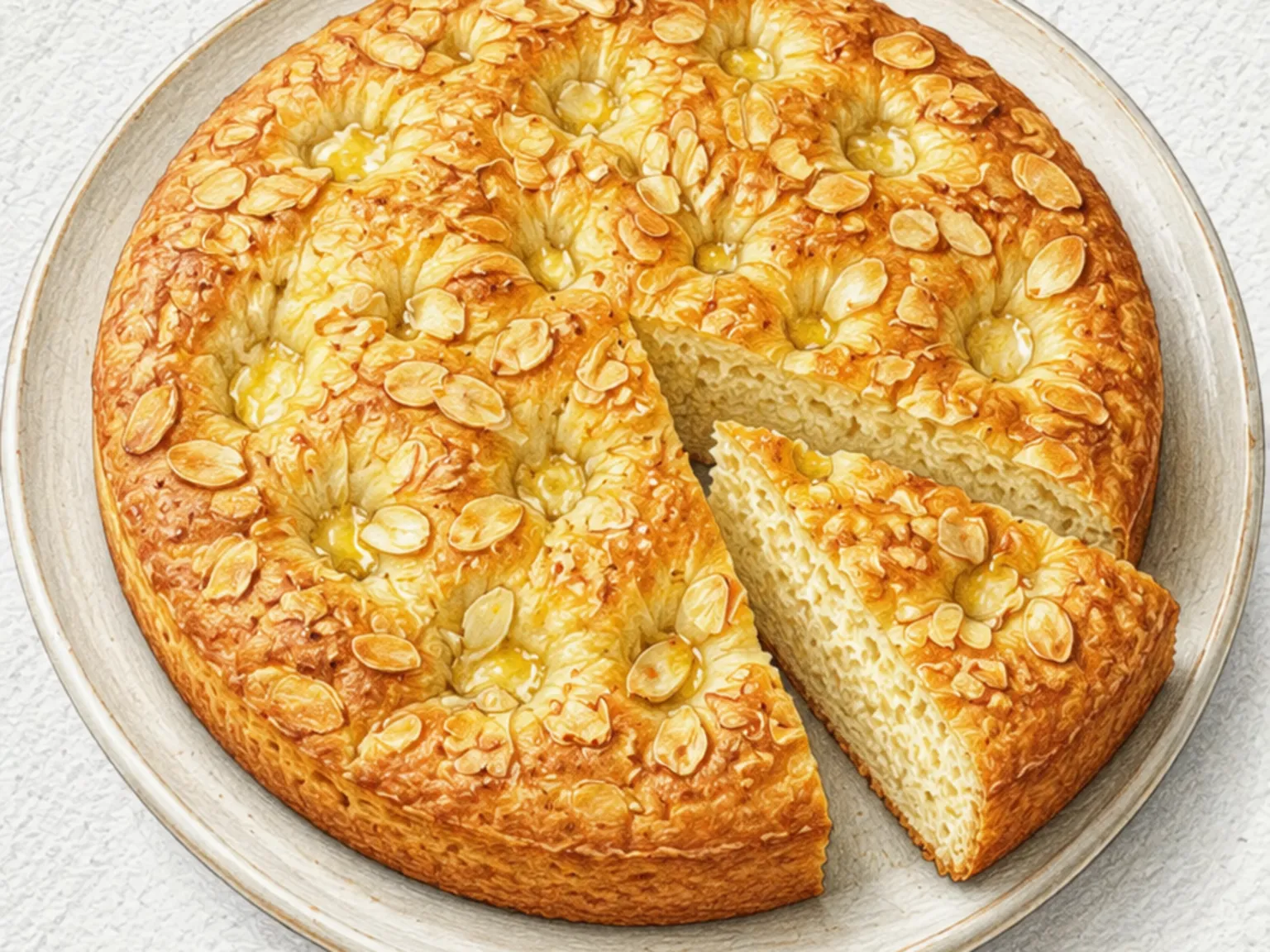
Butterkuchen is a traditional German yeasted cake that relies on generous amounts of butter for its character. The dough is a soft, enriched bread base - similar to brioche - that rises into a pillowy sheet. Before baking, the surface is dimpled with fingertips and small pieces of cold butter are pressed into each hollow. As the cake bakes, the butter melts into caramelized pools, creating pockets of salty-sweet richness across the top. Sliced almonds scattered over the surface toast golden and crunchy, adding textural contrast to the soft crumb beneath. The finished cake is tender and buttery without being heavy, designed for slicing into squares alongside afternoon coffee. It is a staple of northern German bakeries and family kitchens, where simplicity of ingredients is the point rather than the limitation.

Soft Pretzel
Yeasted dough is shaped into the classic pretzel twist, briefly dipped in a boiling baking-soda bath, and baked at high heat. The alkaline solution triggers an accelerated Maillard reaction on the surface, producing the deep mahogany crust and slightly bitter, complex flavor that separates a true pretzel from ordinary bread rolls. Beneath that thin, chewy shell, the interior stays soft, airy, and faintly sweet. Coarse salt crystals pressed into the surface before baking deliver sharp, salty bursts that contrast with the mellow dough. The dip in the alkaline bath must be brief - thirty seconds at most - or the exterior turns slimy and the texture suffers. Mustard is the traditional accompaniment, its acidity and heat cutting through the bread's richness, though warm cheese sauce has become an equally popular pairing.

Doenjang Maple Pull-Apart Bread
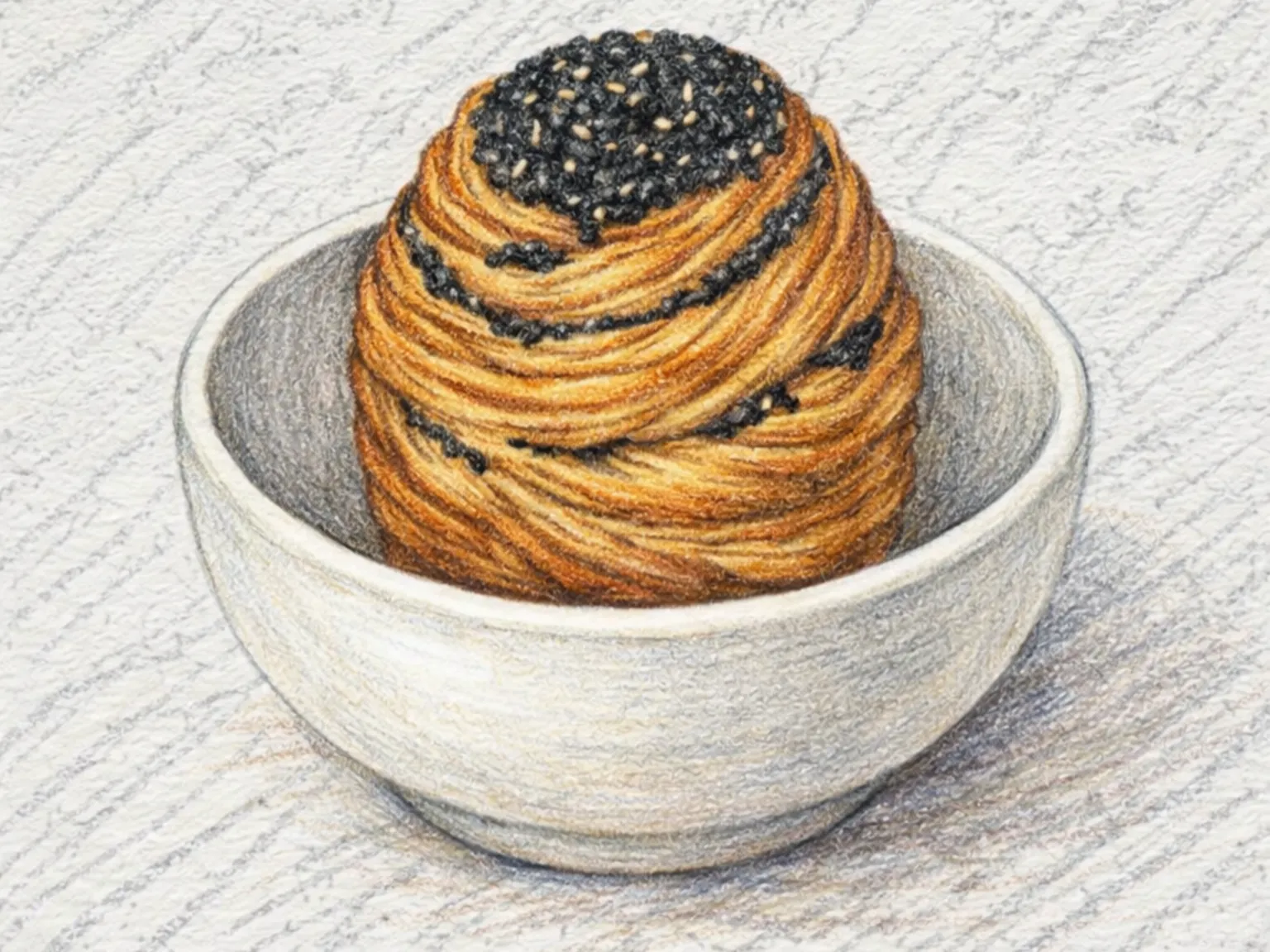
Enriched yeast dough is rolled thin, spread with a mixture of doenjang and maple syrup, then stacked and packed into a loaf pan so that each layer bakes into a tearable, fluffy sheet loaded with flavor. The doenjang contributes a fermented saltiness that deepens the bread's own yeast character, while the maple syrup caramelizes during baking and pools at the bottom of the pan, forming a sticky glaze that coats the loaf when inverted. Butter in the dough provides a rich, tender crumb that pulls apart in long, soft strands. The interplay between salty fermented paste and sweet caramel sits in a zone that is neither strictly dessert nor savory bread, making it versatile enough to accompany a meal or stand on its own as an afternoon snack. Eating it warm, when the layers separate most easily, is the best way to experience the full range of textures.

Panettone
Studded with candied orange peel and raisins, this tall Italian holiday bread rises dramatically in a cylindrical mold to a dome that often extends above the rim. The crumb is open-textured and pulls apart in long, buttery strands, with pockets of dried fruit appearing at every tear. Orange peel contributes a bright, citrus fragrance that cuts through the richness of the egg-and-butter dough, while raisins add concentrated sweetness in scattered bursts. Cooling the baked loaf upside down, suspended by skewers, prevents the heavy dough from collapsing under its own weight and preserves the lofty height. Wrapped tightly, panettone stays moist for three to four days, and many consider it even better on the second day as the flavors meld.

Pork Schnitzel
Pork Schnitzel is a definitive cutlet dish from Germany and Austria, made by pounding pork loin thin and even with a mallet, then coating it in flour, beaten egg, and breadcrumbs before frying in oil. The meat must be pounded to five millimeters or thinner so it cooks through quickly without the breading burning, and the hallmark of a proper schnitzel is a crust that puffs away from the meat rather than clinging flat. Achieving this requires generous oil - enough to submerge the cutlet halfway - and gently shaking the pan so oil flows beneath the breading to lift it. Fine breadcrumbs produce a delicate, even crust, and they should be pressed on lightly rather than compacted to maintain crispness over time. Paprika mixed into the flour adds a faint smoky warmth, and a fresh squeeze of lemon over the finished schnitzel cuts through the richness with bright acidity.

Currywurst (Sliced Sausage in Curry Ketchup)
Currywurst is a German street food built around a homemade curry-tomato sauce ladled over sliced bratwurst. Finely chopped onion is sautéed until translucent, then tomato paste is cooked for one minute to mellow its raw acidity. Ketchup, curry powder, paprika, sugar, Worcestershire sauce, and apple cider vinegar are stirred in and simmered for eight minutes until the sauce thickens and the spices meld. Bratwurst is browned separately in a pan, rolled to crisp all sides, then sliced into bite-size rounds. A final dusting of curry powder over the sauced sausage intensifies the spice aroma, and the sauce improves noticeably after resting overnight.