Charim

2686 Korean & World Recipes

2686+ Korean recipes, clean and organized. Ingredients to instructions, all at a glance.

Strawberry Shortcake
Baking Medium

Strawberry Shortcake

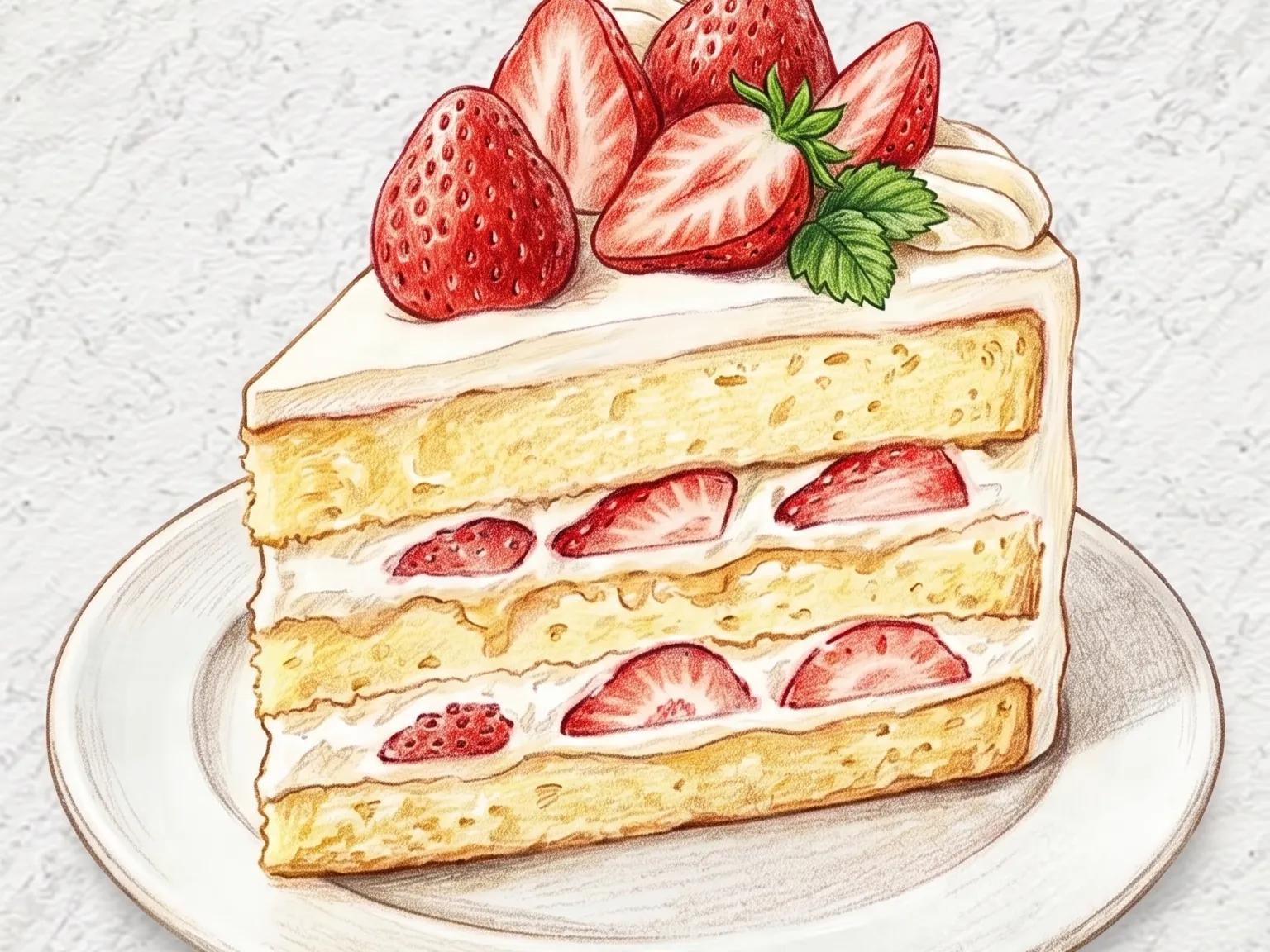
Three layers of airy chiffon sponge are stacked with generous swirls of whipped cream and halved fresh strawberries in the style of Japanese patisseries. The sponge is made by warming eggs and sugar over a water bath before whipping to ribbon stage, which traps enough air to give each slice a pillowy, cloud-like texture. Cream is whipped to roughly eighty percent - firm enough to hold its shape between layers yet soft enough to feel silky on the tongue. Strawberry acidity cuts through the fat in the cream, keeping every bite bright rather than cloying. A light brush of simple syrup on each sponge layer before assembly adds moisture that sustains the cake through refrigeration overnight. The whole cake is then coated in cream and decorated with berries on top. This is the default birthday cake in many Japanese and Korean households, and its clean, fruit-forward flavor makes it adaptable to any seasonal fruit.

Prep 30min Cook 30min 8 servings

Adjust Servings

2servings
servings

Instructions

  1. 1

    Warm eggs and sugar over a water bath to 40°C, then whip to ribbon stage.

  2. 2

    Fold in sifted flour gently, then add melted butter and milk.

  3. 3

    Pour into an 18cm round pan and bake at 170°C for 28-30 minutes.

  4. 4

    Cool completely and slice horizontally into 3 layers.

  5. 5

    Whip cream to 80%, layer each sponge with cream and sliced strawberries.

  6. 6

    Frost entire cake with cream, decorate with strawberries, and refrigerate.

🛒Shop Ingredients on Amazon

As an Amazon Associate, we may earn from qualifying purchases.

Tips

Brush a thin layer of simple syrup on sponge layers for extra moisture.
Stop whipping cream at 80% to keep it smooth; overwhipping makes it grainy.

Nutrition (per serving)

Calories
310
kcal
Protein
6
g
Carbs
28
g
Fat
20
g

More Recipes

Earl Grey Roll Cake (Tea-Infused Chiffon Cream Roll)
BakingMedium

Earl Grey Roll Cake (Tea-Infused Chiffon Cream Roll)

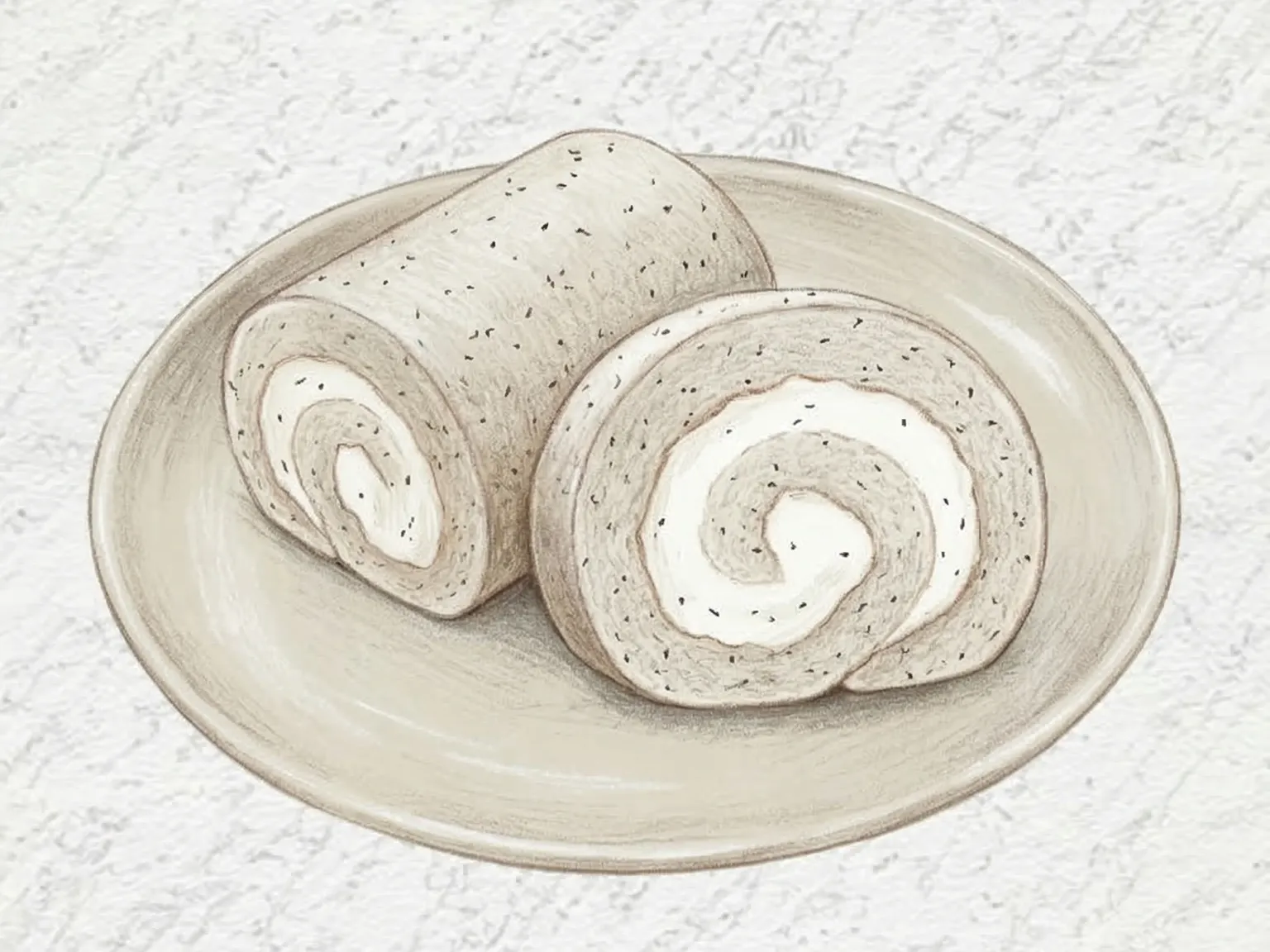
Earl Grey roll cake is a chiffon sponge sheet baked with finely ground tea leaves folded directly into the batter, then spread with whipped cream and rolled into a spiral. The egg white meringue in the batter gives the sponge enough elasticity to roll without cracking, while the tea leaf particles embedded throughout release bergamot fragrance with every bite. The whipped cream filling is kept deliberately light in sweetness so it supports rather than masks the tea flavor. When sliced, the cross-section reveals a clean spiral of pale brown sponge and white cream. The bergamot aroma is most vivid when the cake is slightly cool, making it ideal to prepare ahead and serve chilled.

🧒 Kid-Friendly
Prep 25minCook 15min8 servings
Matcha Roll Cake (Green Tea Chiffon Sponge with Cream)
BakingMedium

Matcha Roll Cake (Green Tea Chiffon Sponge with Cream)

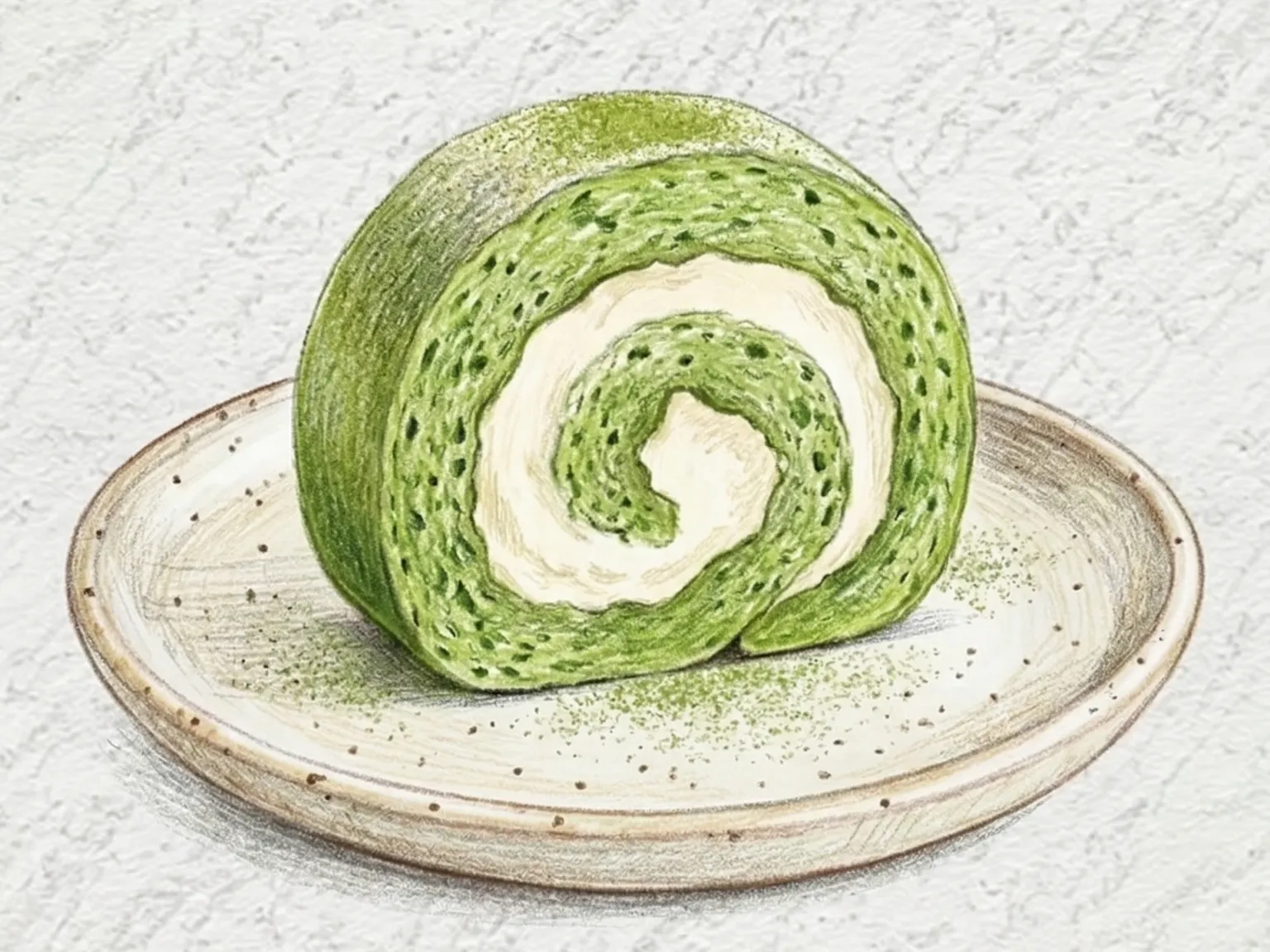
A Japanese-style roll cake built on a matcha chiffon sponge and filled with softly whipped cream. Sifting matcha powder into the egg yolk batter distributes the vivid green color evenly, while a stiff meringue folded in three additions preserves the air bubbles that give the sheet its light, springy structure. Baking at 180 degrees Celsius for 12 to 15 minutes, just until the surface springs back to the touch, keeps the sponge pliable enough to roll without cracking. After inverting and cooling, cream whipped to about 80 percent stiffness is spread across the sheet, thinner at the edges and thicker down the center so the finished cross-section shows a uniform spiral. Rolling tightly in plastic wrap and refrigerating for at least two hours sets the shape and allows the matcha flavor to meld with the cream. Slicing with a hot, damp knife produces clean edges. The matcha's gentle bitterness lingers after the cream's sweetness fades, leaving a layered aftertaste that distinguishes this roll from vanilla or chocolate versions.

🎉 Special Occasion🧒 Kid-Friendly
Prep 25minCook 15min8 servings
Castella Cake (Japanese Honey Egg Sponge Cake)
BakingMedium

Castella Cake (Japanese Honey Egg Sponge Cake)

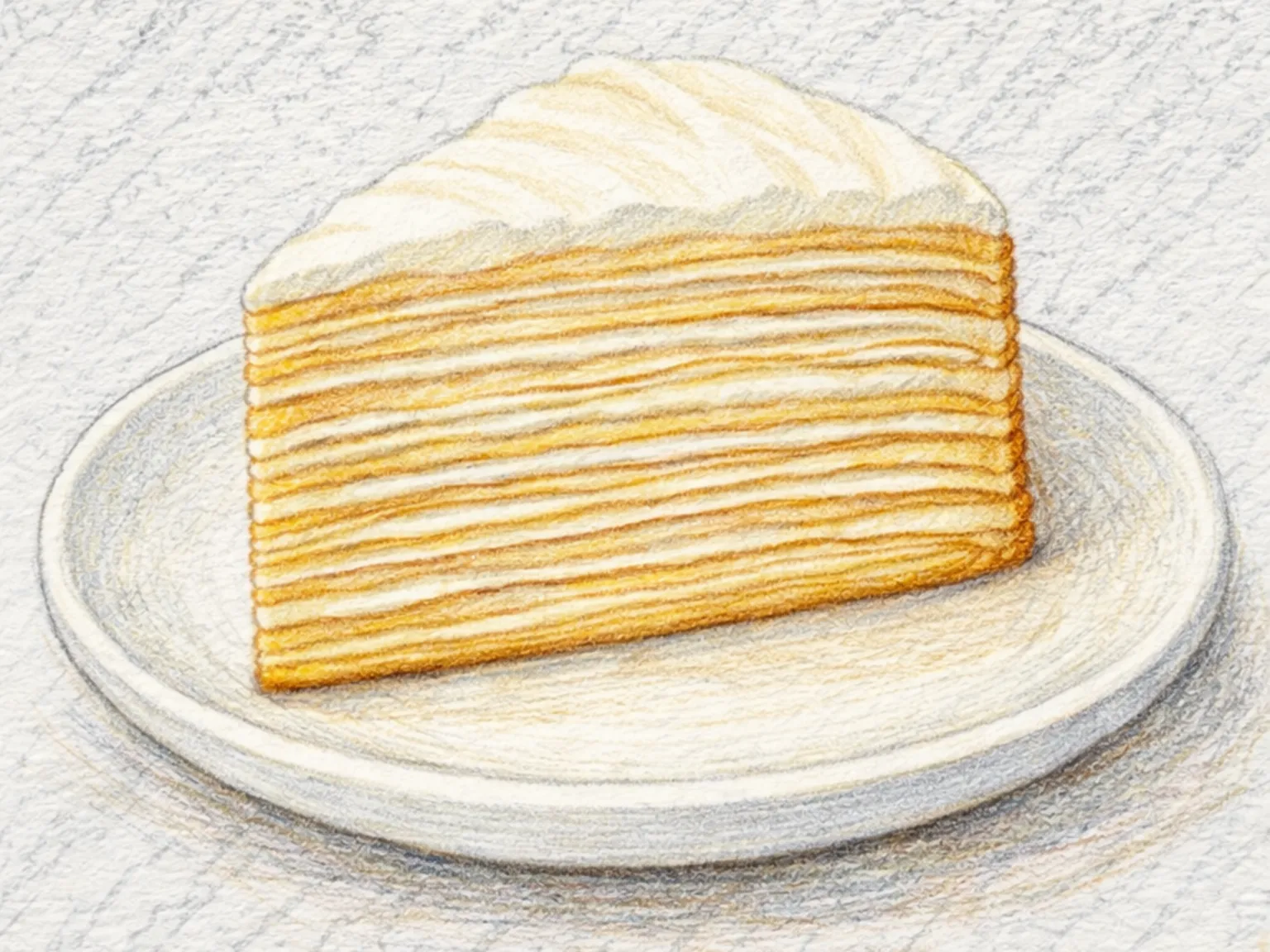
Castella is a sponge cake that traveled from Portugal to Japan in the sixteenth century and evolved into something distinctly Japanese. The batter relies on extended whisking of whole eggs to incorporate air - no baking powder is used - and honey and millet jelly keep the crumb moist days after baking. Flour is kept to a minimum, yielding a fine, even texture that springs back slowly when pressed. A hallmark of a well-made castella is the thin, slightly sticky caramelized layer on the bottom, formed by sugar settling and browning during baking. This dense base contrasts with the airy body above. The cake is baked in a rectangular mold lined with parchment and typically sold in long, brick-shaped loaves. It tastes better the day after baking, once the moisture has distributed evenly and the honey flavor has deepened. Green tea is its traditional companion, the bitterness of the tea drawing out the cake's subtle sweetness.

🧒 Kid-Friendly
Prep 20minCook 45min4 servings
Mochi Daifuku (Soft Rice Cake Stuffed with Red Bean Paste)
BakingEasy

Mochi Daifuku (Soft Rice Cake Stuffed with Red Bean Paste)

Glutinous rice flour is mixed with water and sugar, steamed or microwaved until it becomes a translucent, stretchy mass, then dusted with starch and wrapped around a ball of sweet red bean paste. The outer mochi shell is soft and pliable, yielding to the teeth with a slow, elastic pull before giving way to the dense sweetness of the filling inside. Because the dough begins to firm and lose its characteristic chew within hours, daifuku is best eaten the day it is made. Swapping the red bean for fresh strawberry or ice cream produces popular seasonal and modern variations. The starch coating - typically potato or cornstarch - serves a dual purpose: preventing the pieces from sticking to each other and adding a dry, powdery contrast to the otherwise tacky surface.

🧒 Kid-Friendly
Prep 20minCook 10min4 servings
Mentaiko Yuzu Cream Udon
NoodlesMedium

Mentaiko Yuzu Cream Udon

Myeongran yuja cream udon is a Japanese-style cream udon that layers salted pollock roe with yuzu marmalade in a sauce built from heavy cream, milk, and butter. Garlic is sauteed in butter first, then cream and milk simmer on low heat for two to three minutes to thicken before yuzu marmalade and black pepper are stirred in. Two-thirds of the roe goes in off heat so residual warmth cooks it gently without making it tough, while the remaining third is placed raw on top for bursts of briny texture. The yuzu is added gradually to control acidity, and its citrus fragrance lifts the heavy cream base, keeping the dish from feeling overly rich. Shredded nori on top provides a roasted, oceanic contrast.

🎉 Special Occasion🌙 Late Night
Prep 12minCook 15min2 servings
Gyoza
AsianMedium

Gyoza

Gyoza are Japanese pan-fried dumplings that evolved from Chinese jiaozi, brought back to Japan by soldiers and civilians returning from Manchuria after World War II, who recreated the dumplings they had eaten abroad. A thin wheat-flour wrapper encloses a filling of ground pork, napa cabbage (or regular cabbage), garlic chives, garlic, and ginger, pleated into a crescent shape. The dumplings are placed flat-side down in an oiled skillet, seared until golden, then water - sometimes mixed with a touch of flour - is added and the lid goes on to steam them through; as the water evaporates, the bottoms re-crisp and form the thin, lacy skirt called hanetsuki that connects all the dumplings in the pan. Each piece delivers three textures in one bite: the chewy steamed top, the crackling golden base, and the juicy meat filling inside. A dipping sauce of soy sauce, rice vinegar, and la-yu (chili oil) adds sharpness, salt, and heat atop the dumpling's savory richness. Gyoza are served as a ramen-shop side dish, an izakaya beer snack, and a weekend home-cooking staple - one of the most versatile foods in the Japanese repertoire.

🍺 Bar Snacks🎉 Special Occasion
Prep 40minCook 15min4 servings
More Baking →