Suanlafen (Sichuan Hot-and-Sour Sweet Potato Noodle Soup)
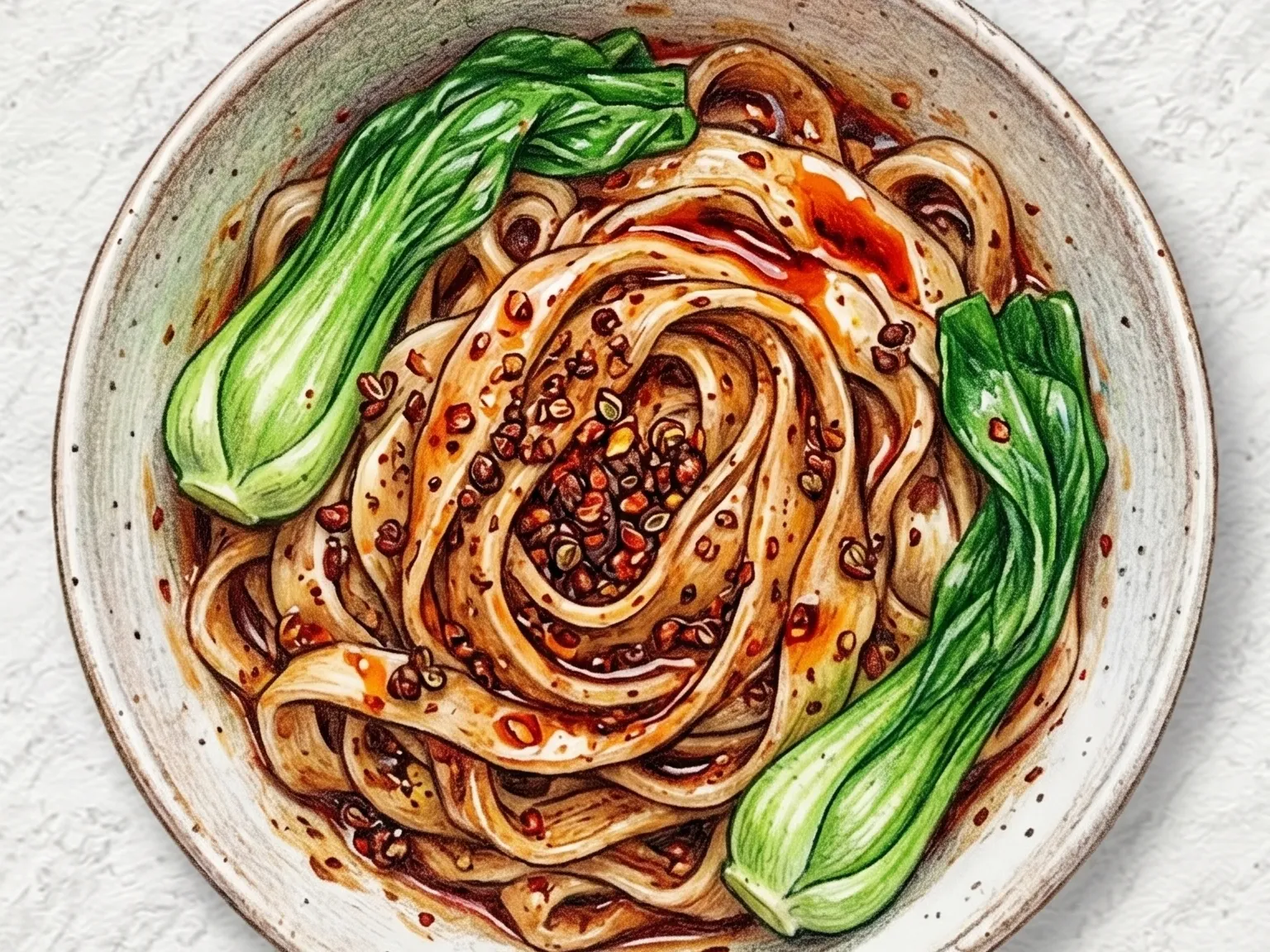
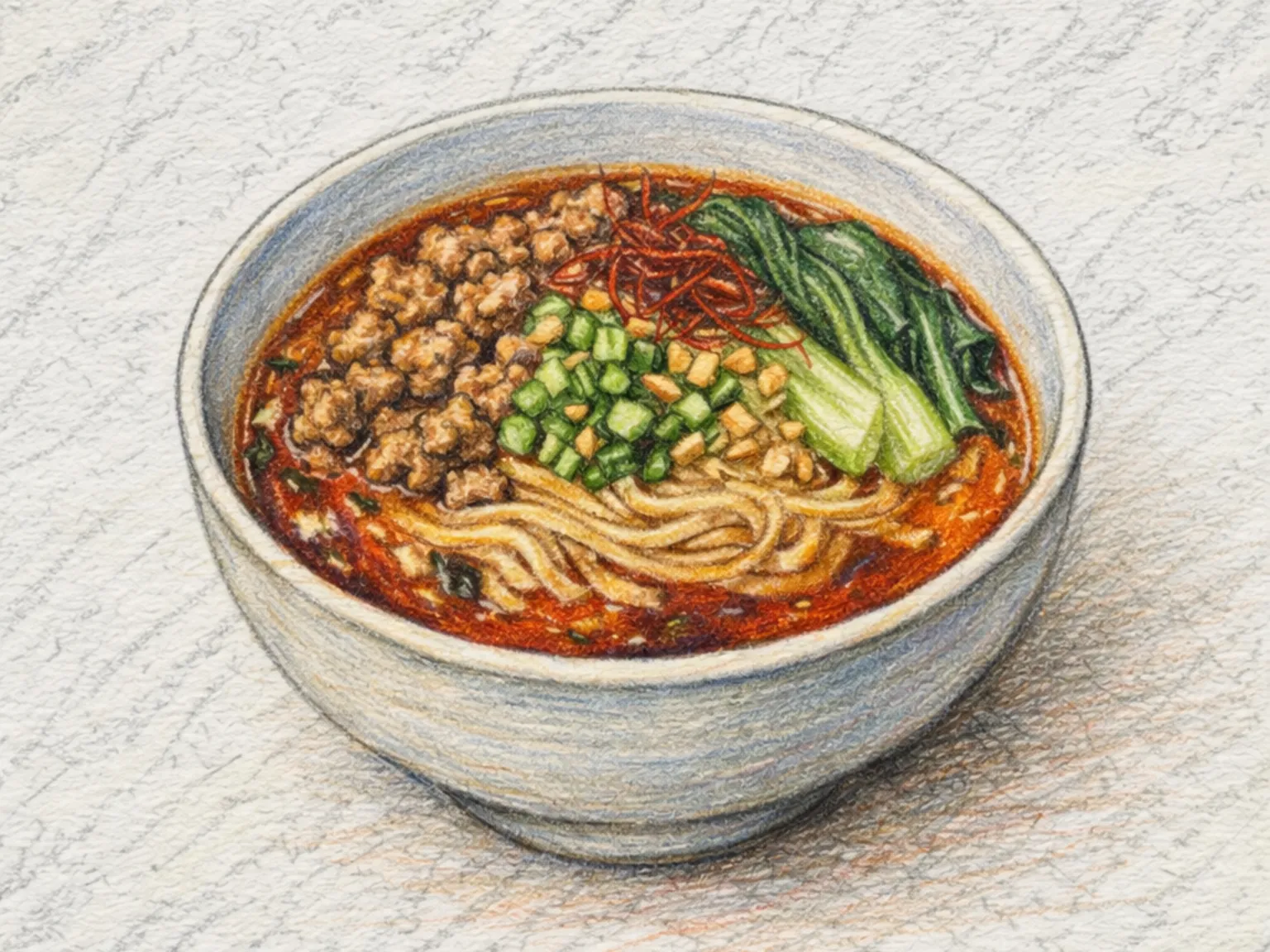
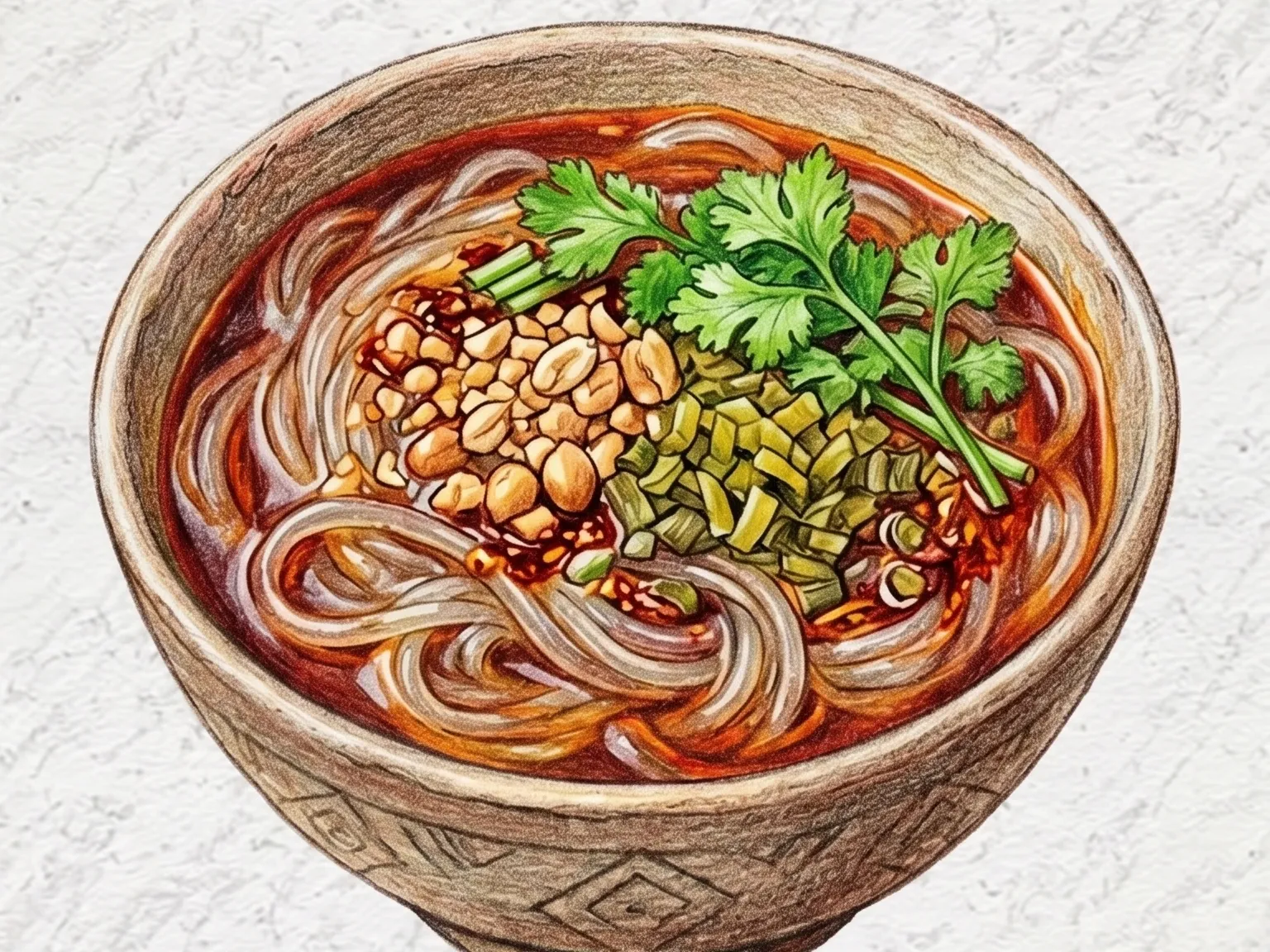
Suanlafen is a Sichuan street noodle soup featuring sweet potato glass noodles in a hot-and-sour broth. The broth gets its sharpness from black vinegar and its heat from chili oil and ground Sichuan pepper. Chewy, translucent noodles absorb the broth while maintaining a springy bite. Toppings typically include crushed peanuts, pickled mustard greens, and cilantro. The dish takes roughly 35 minutes to prepare and allows easy adjustment of sourness and spice levels to taste.
Adjust Servings
Instructions
- 1
Soak sweet potato noodles in lukewarm water for 10 minutes.
- 2
Boil stock and season with soy sauce and garlic.
- 3
Add noodles and bok choy; cook for 4 to 5 minutes.
- 4
Transfer to bowls and stir in black vinegar and chili oil.
- 5
Finish with crushed peanuts on top.
As an Amazon Associate, we may earn from qualifying purchases.
Tips
Nutrition (per serving)
More Recipes

Korean Spicy Seafood Noodle Soup
Jjamppong is a fiery Korean-Chinese noodle soup where squid, mussels, and vegetables are stir-fried in chili-infused oil before being flooded with chicken stock and brought to a rolling boil. The high-heat frying step blooms the gochugaru in oil, embedding a smoky, roasted spice into the broth that raw chili powder alone cannot achieve. Cabbage, onion, and green onion soften into the liquid and release their natural sugars, while soy sauce ties the seasoning together. Springy fresh wheat noodles absorb the vivid red broth, delivering intense heat and deep seafood flavor in every mouthful.

Wonton Noodle Soup
Wonton noodle soup is a Cantonese classic that pairs thin egg noodles with shrimp-and-pork wontons in a clear pork bone broth. The broth is deliberately kept light and clean, relying on long simmering rather than heavy seasoning for its flavor. Each wonton has a thin wrapper that barely conceals a filling with noticeable shrimp texture. The egg noodles are springy and slightly alkaline, a hallmark of Hong Kong-style noodle making. Wrapping wontons from scratch adds about 30 minutes of prep, though pre-made wontons shorten the process significantly.

Lanzhou Beef Noodles (Clear Spiced Beef Shank Soup Noodles)
Lanzhou beef noodles are a clear-broth noodle soup originating from Lanzhou in China's Gansu province. Beef shank is soaked in cold water for thirty minutes to draw out blood, blanched, then simmered for two hours with star anise, a cinnamon stick, ginger, and garlic. Diligent skimming during the early stages of simmering is what keeps the broth transparent despite its long cooking time. Daikon radish is added to the strained broth and simmered until translucent, and the seasoning is kept to soy sauce and salt. The cooked beef is sliced thin and arranged over noodles in the bowl, with green onion, cilantro, and a drizzle of chili oil on top. Traditional versions use hand-pulled noodles stretched to order, but store-bought Chinese wheat noodles work as a practical substitute at home.

Tomato Egg Lamian (Chinese Home-Style Tomato Scrambled Egg Noodle Soup)
Tomato egg lamian is a Chinese home-style noodle soup where ripe tomatoes are sauteed until they break down into a tangy, slightly sweet broth. Soft-scrambled eggs are folded in, adding mild richness. Fresh wheat noodles go directly into the pot, picking up the broth's flavor as they cook. No heavy spices are involved - the dish relies on the natural taste of its few ingredients. It takes about 27 minutes total and is widely eaten across China as an everyday meal.

Sesame Spicy Tantanmen (Chinese Creamy Sesame Chili Oil Noodle Soup)
Tantanmen is a Chinese-origin noodle soup that combines a creamy sesame-based broth with the heat of chili oil to produce a bowl that is simultaneously nutty, spicy, and deeply savory. The broth begins with chicken stock into which sesame paste is whisked until fully dissolved, creating a thick, tan-colored liquid with a pronounced roasted-nut fragrance. Ground pork is fried separately with garlic, ginger, and doubanjiang-a fermented chili bean paste-until the meat is browned and crumbly, then spooned over the noodles as a rich, salty topping. Blanched bok choy adds a crisp, vegetal note that breaks up the heaviness of the broth, and a final drizzle of chili oil pools on the surface, releasing its fragrance with every sip. The noodles should be cooked just short of fully done so they maintain their chew in the hot liquid. Each component-sesame, chili, fermented bean, and pork-contributes a distinct layer of flavor, and the bowl rewards slow eating as they gradually merge.

Hokkien Lor Mee (Braised Gravy Noodles)
Hokkien lor mee is a thick-gravy noodle dish from the Chinese communities of Singapore and Malaysia, built on chicken stock seasoned with dark soy sauce and five-spice powder. The dark soy gives the broth its deep mahogany color and intense saltiness, while five-spice, with its blend of star anise and cinnamon, layers in aromatic complexity. A cornstarch slurry is added gradually to thicken the broth to a glossy, almost sauce-like consistency that coats the yellow noodles completely. Bean sprouts are blanched for just one minute to retain their crunch, and halved boiled eggs provide a creamy element. The traditional finishing touch is raw minced garlic and a splash of black vinegar, both of which cut through the heavy gravy and keep each spoonful from becoming monotonous.