Kanto-Style Sukiyaki (Japanese Beef Hot Pot in Sweet Soy Warishita Broth)
Asian Easy

Kanto-Style Sukiyaki (Japanese Beef Hot Pot in Sweet Soy Warishita Broth)

Quick answer

Kanto-style sukiyaki is a Japanese hot pot in which thinly sliced beef, vegetables, and tofu simmer together in a pre-made broth called warishita-a mixture of soy sauce...

What makes this special

  • Kanto-style Sukiyaki simmers thinly sliced beef and leeks in a sweet soy and mirin warishita broth.
  • Leeks charred in fat first build a sweet base before warishita goes in
  • Warishita of soy sauce, mirin, sugar, and sake soaks into each ingredient
Total time
35 min
Level
Easy
Servings
3 servings
Ingredients
11
Calories
550 kcal
Protein
36 g

Key ingredients

thinly sliced beef (sukiyaki cut)negi (Japanese leek)shirataki noodlesgrilled tofu (yakidofu)napa cabbage

Core cooking flow

  1. 1 Combine 100 ml soy sauce, 100 ml mirin, 3 tablespoons sugar, and 50 ml sake in a bowl.
  2. 2 Slice the negi thickly on the diagonal, then cut the napa cabbage, shiitake...
  3. 3 Blanch 200 g shirataki noodles in boiling water for about 1 minute to remove their odor.

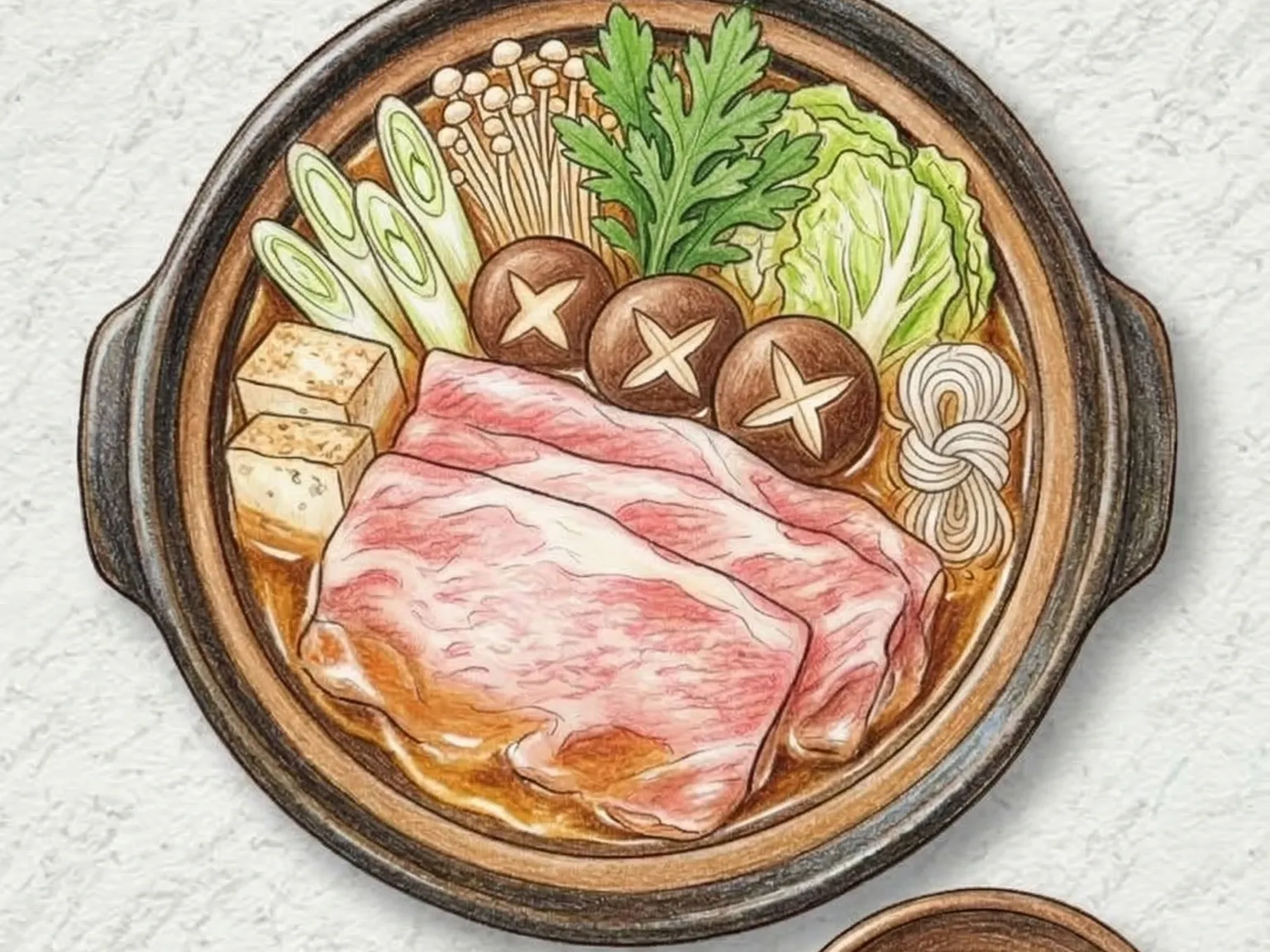
Kanto-style sukiyaki is a Japanese hot pot in which thinly sliced beef, vegetables, and tofu simmer together in a pre-made broth called warishita-a mixture of soy sauce, mirin, sugar, and sake. The preparation begins by searing thick-cut leek in beef fat to release its sweetness, then pouring in the warishita and adding the remaining ingredients: napa cabbage, shiitake mushrooms, grilled tofu, and shirataki noodles. Each component absorbs the sweet-salty broth differently-the cabbage wilts and soaks it up, the mushrooms intensify their earthiness, and the tofu becomes a sponge for the surrounding liquid. The signature ritual is dipping each cooked morsel into a bowl of beaten raw egg before eating; the egg forms a silky coat that tempers the concentrated sauce and adds richness. Sukiyaki is a fixture of Japanese winter cooking, prepared at the table over a portable burner so the pot stays bubbling throughout the meal.

Prep 15min Cook 20min 3 servings

Instructions

Read the steps as a cooking flow: prep, heat, seasoning, doneness control, and finish.

6 steps
  1. 1
    Season

    Combine 100 ml soy sauce, 100 ml mirin, 3 tablespoons sugar, and 50 ml sake in a bowl.

    Stir until no sugar remains on the bottom, so the warishita seasons the pot evenly.

  2. 2
    Heat

    Slice the negi thickly on the diagonal, then cut the napa cabbage, shiitake mushrooms, and grilled tofu into easy-to-eat pieces.

    Loosen the 400 g beef slices gently so they can be added one by one without clumping.

  3. 3
    Heat

    Blanch 200 g shirataki noodles in boiling water for about 1 minute to remove their odor.

    Drain well, cut into manageable lengths, and keep them away from the beef so the meat does not toughen.

  4. 4
    Control

    Heat the pot over medium heat and coat it lightly with beef fat or neutral oil.

    Sear the negi first for about 2 minutes, until the edges turn lightly browned and its aroma comes up.

  5. 5
    Control

    Pour in the warishita, and once it starts to bubble, arrange the napa cabbage, shiitake mushrooms, grilled tofu, and shirataki in separate areas. Simmer over medium-low heat for about 4 minutes so the broth soaks into them.

  6. 6
    Heat

    Add the beef in small batches, only as much as you will eat soon, and lift it out as soon as it turns brown.

    Beat the 3 eggs in individual bowls, then dip the hot cooked ingredients before eating.

After the steps

Pick a recipe that fits this dish.

Continue with shared ingredients, meal pairings, or a similar method.

Recipes That Go Well With This

More Asian →

Based on shared ingredients and meal pairing

Shabu Shabu (Japanese Hot Pot with Thin-Sliced Beef in Kombu Broth)
Shared ingredient: napa cabbage Asian

Shabu Shabu (Japanese Hot Pot with Thin-Sliced Beef in Kombu Broth)

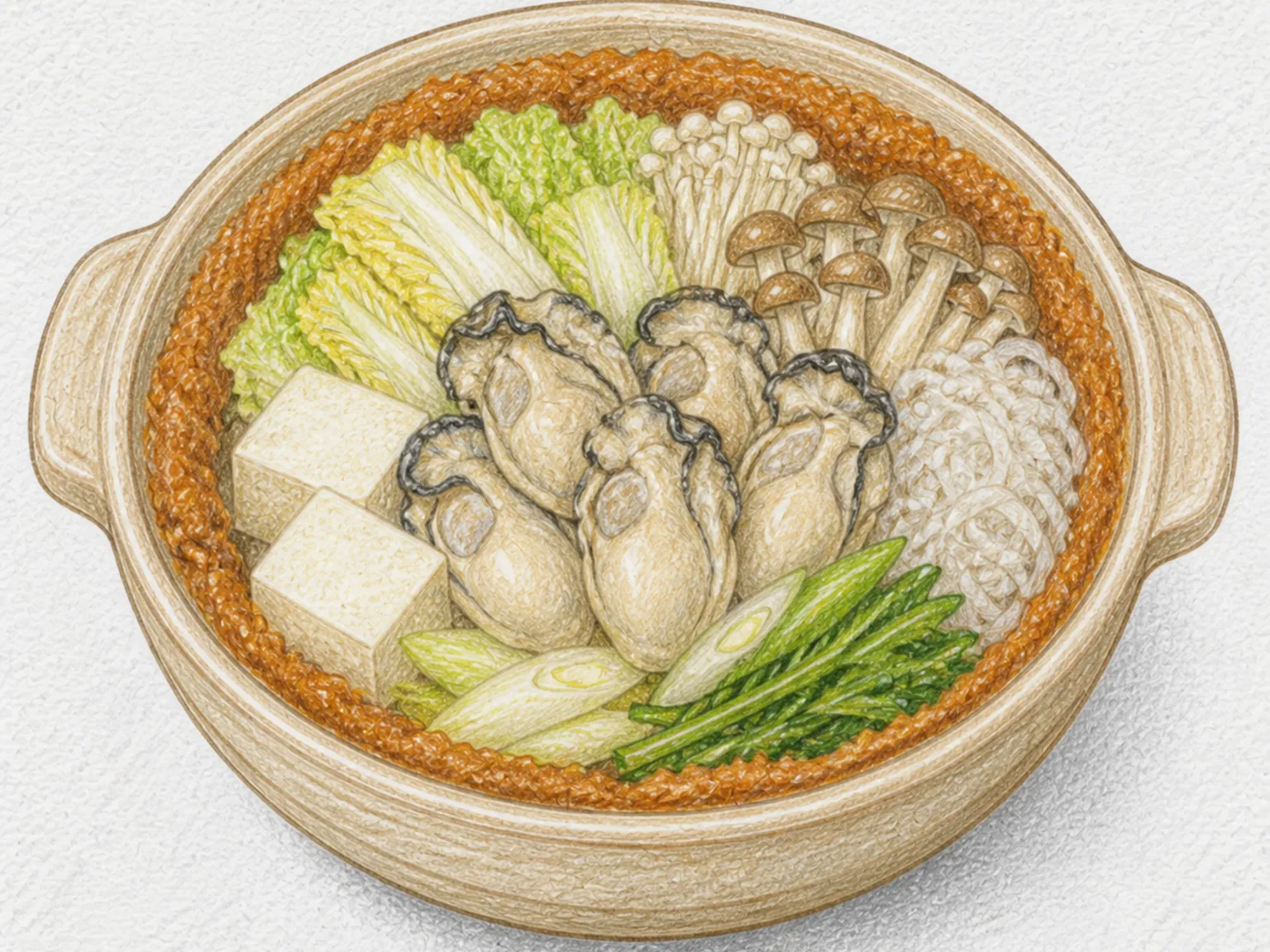
Shabu-shabu is a Japanese hot pot built on simplicity: a pot of simmering kombu dashi, a plate of beef sliced so thin it is nearly translucent, and a selection of vegetables arranged on a separate platter. The name mimics the swishing sound made when a slice of beef is swept back and forth through the broth for just a few seconds until it turns from red to pale pink. Each piece is then dipped in either ponzu, a citrus-soy sauce, or a creamy sesame dipping sauce before eating. Napa cabbage, tofu, enoki mushrooms, shungiku greens, and rice cakes cook alongside the beef, each ingredient releasing its flavor into the broth and building complexity as the meal progresses. By the end, the enriched broth is used for a closing course of udon noodles or rice porridge, ensuring nothing is wasted.

Kiritanpo Nabe (Akita-Style Grilled Rice Stick Hot Pot)
Shared ingredient: green onion Asian

Kiritanpo Nabe (Akita-Style Grilled Rice Stick Hot Pot)

Kiritanpo nabe is a rustic hot pot from Akita Prefecture in northern Japan, built around grilled mashed-rice sticks simmered in chicken broth. Freshly cooked rice is pounded in a mortar until partially smooth and sticky, then wrapped around cedar skewers and toasted over charcoal until the surface develops a light char and a faint smokiness. The broth begins with bone-in chicken thighs cooked until the stock is rich and clear, seasoned simply with soy sauce and mirin, then loaded with burdock root, scallions, mushrooms, and Japanese parsley. The kiritanpo sticks are cut into segments and added to the simmering pot, where they absorb the rich broth and soften into a chewy, dumpling-like texture while still holding their cylindrical shape. Akita's harsh mountain winters gave this dish its purpose as a calorie-dense, warming meal built entirely from locally available ingredients. The faint smokiness from the charcoal grilling carries through into the finished broth, and this subtle background note is what distinguishes kiritanpo nabe from similar rice-cake hot pots made elsewhere in Japan.

Grapefruit Shiso Shrimp Salad
Serve together Salads

Grapefruit Shiso Shrimp Salad

Grapefruit shiso shrimp salad brings together ice-chilled blanched shrimp, membrane-free grapefruit segments, shredded shiso leaves, and thinly sliced cucumber and radish, all tossed in a yuja marmalade dressing. Blanching the shrimp for exactly two minutes and transferring them immediately to ice water locks in a firm, springy texture by contracting the protein rapidly while preventing the rubbery toughness that comes from overcooking. Removing all of the white pith from the grapefruit eliminates bitterness and leaves only the clean, tart juice of the flesh. Cutting the segments free from the membrane also makes the pieces easier to eat in a single bite. The dressing is built from yuja marmalade, rice vinegar, olive oil, and pepper, and the yuzu's floral acidity layers on top of the grapefruit to create a pronounced citrus profile that is bright but not harsh. The mint-like herbal quality of shiso leaves neutralizes any trace of fishiness from the shrimp and ties the Japanese-influenced flavor framework together. The crisp bite of cucumber and radish contrasts with the softness of the shrimp and grapefruit segments. Serving the salad well chilled is necessary to keep every texture and fragrance sharp and distinct rather than muted.

Hakata Motsu Nabe (Offal Hot Pot)
Similar recipe Asian

Hakata Motsu Nabe (Offal Hot Pot)

Hakata motsu nabe is a traditional Japanese hot pot featuring pork small intestines simmered with cabbage, garlic chives, and tofu. The preparation begins by rinsing and blanching the offal to eliminate gamey odors before slicing it into small pieces. The base broth combines chicken stock, soy sauce, and mirin, brought to a boil before adding the blanched offal, hand-torn cabbage, and firm tofu. Simmering allows the fats from the intestines to melt into the soup, enriching its flavor, while the cabbage absorbs the seasoned liquid and softens. Sliced garlic and red chili are added to infuse the broth with a warm aroma, followed by garlic chives cooked briefly to preserve their green color. This dish is served hot at the table and traditionally finished by adding ramen noodles or rice to the remaining savory broth.

Serve with this

Mentaiko Yuzu Cream Udon
Noodles Medium

Mentaiko Yuzu Cream Udon

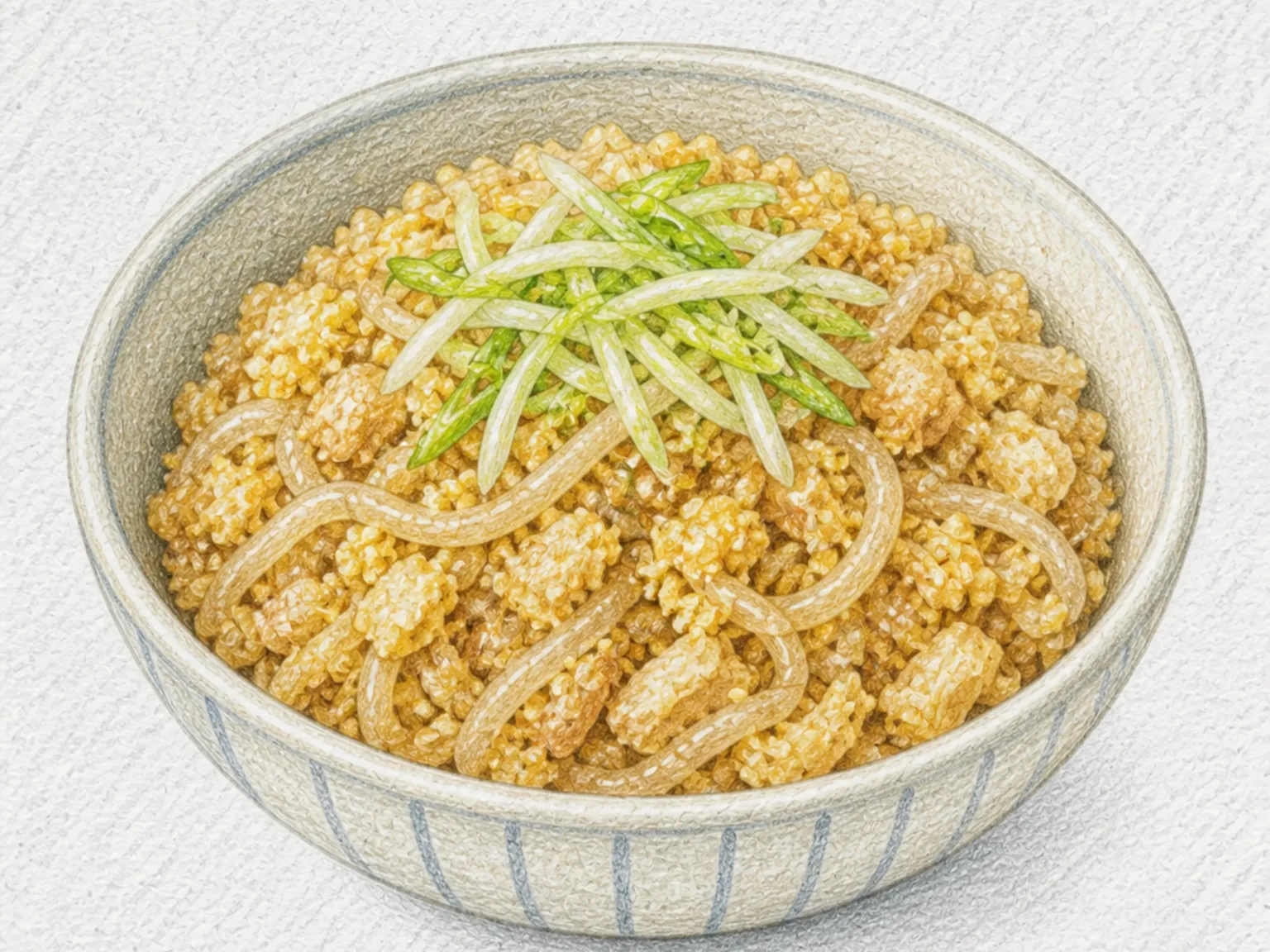
Myeongran yuja cream udon is a Japanese-style noodle dish that features a sauce made from a combination of salted pollock roe and yuzu marmalade. The base of the liquid consists of heavy cream and milk, which are enriched with butter to create a dense and smooth texture. The preparation begins by melting butter in a pan and sauteing minced garlic until the aroma is released. Once the garlic is fragrant, the cream and milk are poured in. This mixture needs to simmer over low heat for approximately two to three minutes until it thickens enough to coat the back of a spoon. Instead of adding the yuzu marmalade all at once, the cook incorporates it in small amounts. This gradual process allows for precise control over the citrus acidity so that it complements rather than overshadows the richness of the heavy cream. After removing the pan from the heat, two-thirds of the salted pollock roe is stirred in. The residual warmth of the sauce is sufficient to gently cook these eggs, ensuring they remain tender. The remaining third of the roe is reserved to be placed raw on top of the finished bowl, providing a distinct briny flavor and a grainy texture in every bite. To finish the dish, freshly cracked black pepper is added for a subtle sharpness, and shredded nori is scattered over the top to provide a roasted, oceanic scent that works well with the yuzu fragrance. The thick udon noodles provide a substantial chew that allows them to carry the heavy sauce and stand up to the combination of salty, creamy, and acidic elements without the flavors becoming lost.

🎉 Special Occasion 🌙 Late Night
Prep 12min Cook 15min 2 servings
Chicken Soboro Rice Bowl (Ground Chicken and Scrambled Egg over Rice)
Rice Easy

Chicken Soboro Rice Bowl (Ground Chicken and Scrambled Egg over Rice)

Soboro-don is a Japanese-style rice bowl that tops steamed rice with two side-by-side mounds: savory minced chicken and sweet scrambled egg. The chicken is seasoned with soy sauce, sugar, mirin, and ginger juice, then stirred constantly with chopsticks over medium heat until it breaks into fine, crumbly grains that are individually coated in glaze. The egg is treated the same way - beaten, poured into a pan, and stirred into soft, fluffy curds. Arranged half-and-half on the rice, the brown chicken and bright yellow egg create a visual contrast that makes the bowl inviting. Both toppings share a gentle sweetness balanced by soy umami, and their fine, loose texture means every bite blends effortlessly with the rice beneath.

🍱 Lunchbox ⚡ Quick
Prep 15min Cook 15min 2 servings
Korean Crispy Potato Pancake
Drinks Easy

Korean Crispy Potato Pancake

Gamja-jeon is a Korean potato pancake made by finely grating raw potatoes, letting the starch settle out of the liquid for at least ten minutes, discarding the water, and folding the settled starch back into the pulp to improve binding. Waiting long enough for full starch separation is what gives the batter enough cohesion to hold together when the pancake hits the hot pan. Spreading the batter as thinly as possible produces glass-crisp edges while the center retains a chewy, starchy bite characteristic of potato starch. The first side must cook all the way through and the underside must firm up completely before any attempt to flip, and using two spatulas simultaneously makes the turn fast enough to keep the pancake intact. Frying both sides over medium heat until evenly golden delivers a crust that is crisp on the outside while the center stays moist. A dipping sauce of soy sauce, vinegar, and minced cheongyang green chili cuts through the oily richness with sharpness and heat.

🍺 Bar Snacks ⚡ Quick
Prep 15min Cook 12min 2 servings

Similar recipes

Hot Pot Udon (Japanese Earthenware Pot Noodle Soup)
Noodles Medium

Hot Pot Udon (Japanese Earthenware Pot Noodle Soup)

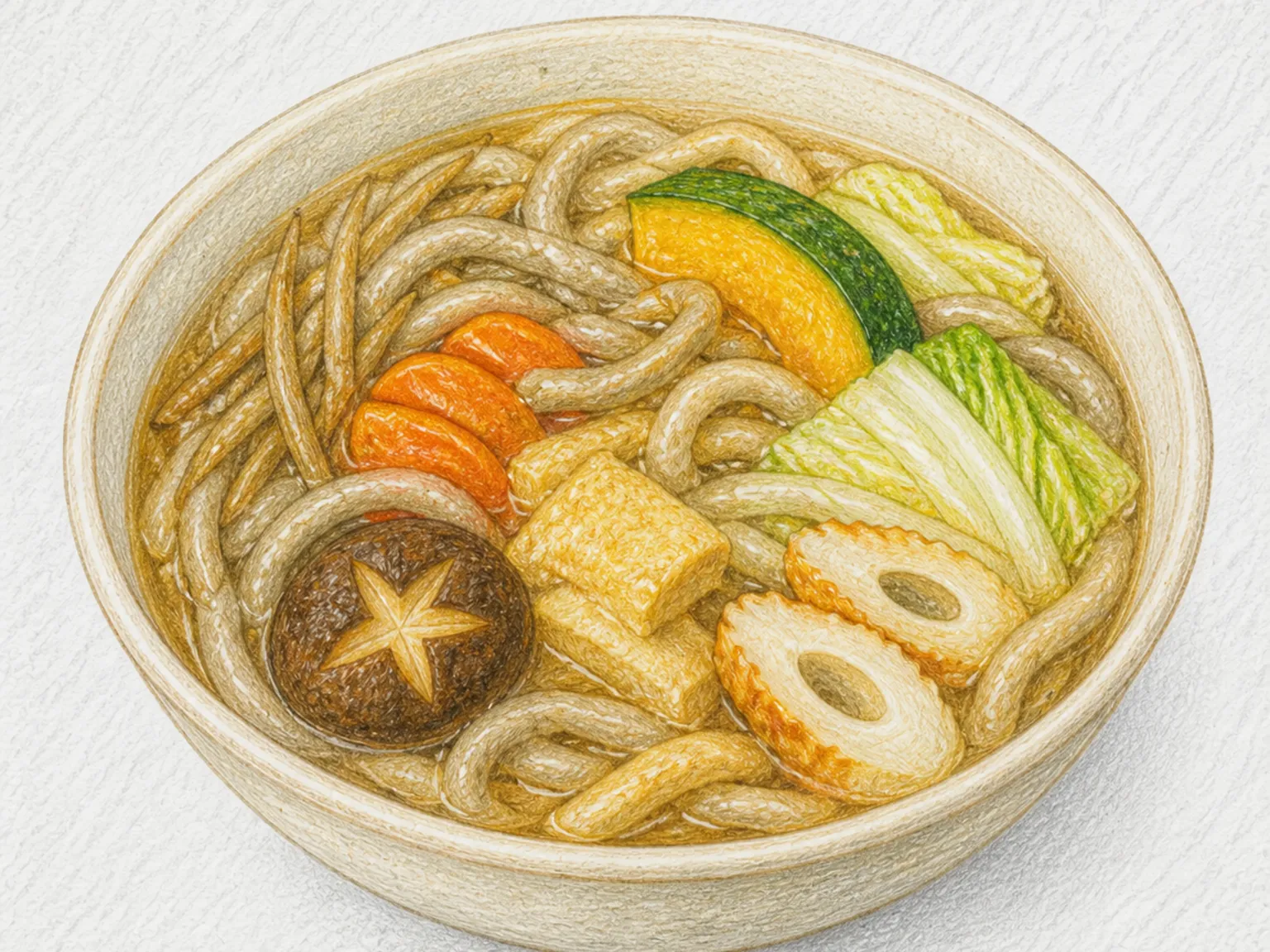
Nabeyaki udon is a Japanese hot-pot noodle dish cooked and served directly in a small earthenware pot, designed to stay piping hot at the table from first bite to last. The base is a dashi stock seasoned with soy sauce and mirin, which produces a broth that is clear but carries substantial depth of flavor. Chicken thigh cooked directly in the pot releases fat and juices into the surrounding liquid, enriching the stock in a way that chicken breast cannot replicate. Narutomaki fish cake, with its pink spiral cross-section, adds a visual accent that is as much a part of the dish's identity as any flavor it contributes, while enoki mushrooms soak up the broth and give back a delicate umami in return. The egg is cracked into the center of the pot and covered to cook gently until the white sets and the yolk remains soft and runny. When the yolk breaks and bleeds into the hot broth, it creates a brief silky richness that changes the texture of each spoonful. Shrimp tempura is placed on top of the finished dish at the very last moment, not submerged, because the batter collapses from steam and heat within seconds of hitting liquid. Spinach added in the final minute retains its bright color and stays tender without turning soft. The earthenware pot retains heat far longer than a regular bowl, which is why this dish reads as a cold-weather staple in Japan.

🎉 Special Occasion 🌙 Late Night
Prep 15min Cook 20min 1 servings
Nikujaga (Japanese Beef Potato Onion Soy-Sweet Stew)
Asian Easy

Nikujaga (Japanese Beef Potato Onion Soy-Sweet Stew)

Nikujaga is a Japanese home-cooked stew often described as the dish that defines a mother's cooking in Japan. Thinly sliced beef, potatoes, onion, carrot, and shirataki noodles are simmered in a broth of dashi, soy sauce, mirin, and sugar. The dish traces its origins to the Meiji era, when a Japanese naval officer attempted to recreate British beef stew using local ingredients -- resulting in a clear, soy-based braise rather than a thick, flour-bound stew. The potatoes absorb the seasoned liquid until soft at the edges but still holding shape, while shirataki noodles soak up flavor and add a springy contrast.

🏠 Everyday 🍱 Lunchbox
Prep 15min Cook 30min 4 servings
Hayashi Rice (Japanese Beef and Onion Brown Sauce Rice)
Rice Easy

Hayashi Rice (Japanese Beef and Onion Brown Sauce Rice)

Hayashi rice is a Japanese home-cooking dish in which thinly sliced onions are caramelized in butter for at least eight minutes until deeply golden, then simmered with thin-cut beef, tomato paste, Worcestershire sauce, and flour into a glossy, thick brown sauce served over warm rice. The caramelization of the onions is the single most important step in the recipe. Rushing this stage produces onions that have lost moisture but not developed sweetness, resulting in a flat sauce with no depth. Extended browning converts the onion's natural sugars into a rich, almost candy-like sweetness that forms the foundation of the entire dish and cannot be replicated by any shortcut. Tomato paste adds acidity and deepens the color, Worcestershire sauce contributes a layered spice complexity, and flour gives the sauce enough body to sit on top of the rice without running. The sauce is spooned generously over one side of the rice in the same manner as curry rice, and the complete absence of spicy heat makes it a mild, accessible dish that appeals to both children and adults.

🏠 Everyday 🧒 Kid-Friendly
Prep 15min Cook 25min 2 servings

Tips

Keep shirataki away from the meat - the calcium in them can toughen beef.
Add beef in small batches so it stays tender - don't overcook it all at once.

Nutrition (per serving)

Calories
550
kcal
Protein
36
g
Carbs
28
g
Fat
32
g