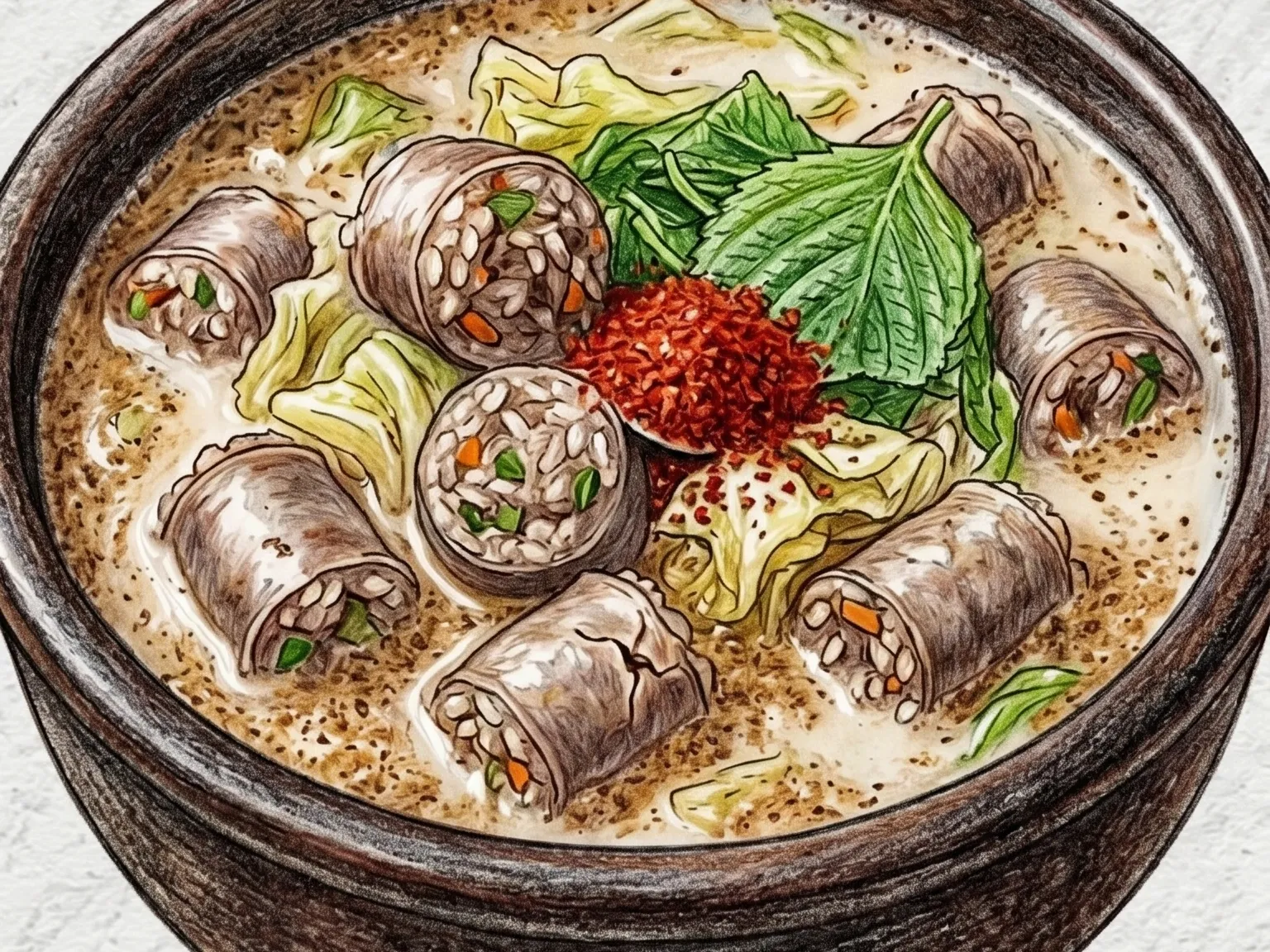
Korean Blood Sausage Hot Pot
This spicy hot pot features Korean blood sausage with cabbage, perilla leaves, and onion in a chili-seasoned beef bone broth. The sundae absorbs the broth and becomes even chewier, while a touch of doenjang adds fermented depth. Cabbage releases sweetness as it wilts, and the perilla leaves provide an herbal accent. The combination of rich bone broth and fiery gochugaru makes this a communal dish suited for cold weather gatherings.
Adjust Servings
Instructions
- 1
Slice blood sausage thickly and cut cabbage, onion, and perilla leaves.
- 2
Mix chili flakes, doenjang, and garlic to make seasoning paste.
- 3
Layer vegetables and blood sausage in a hot pot, then add seasoning paste.
- 4
Pour in beef bone broth and bring to a boil over high heat.
- 5
Reduce to medium heat and simmer for 12 minutes.
- 6
Serve once the perilla aroma comes through.
As an Amazon Associate, we may earn from qualifying purchases.
Tips
Nutrition (per serving)
More Recipes

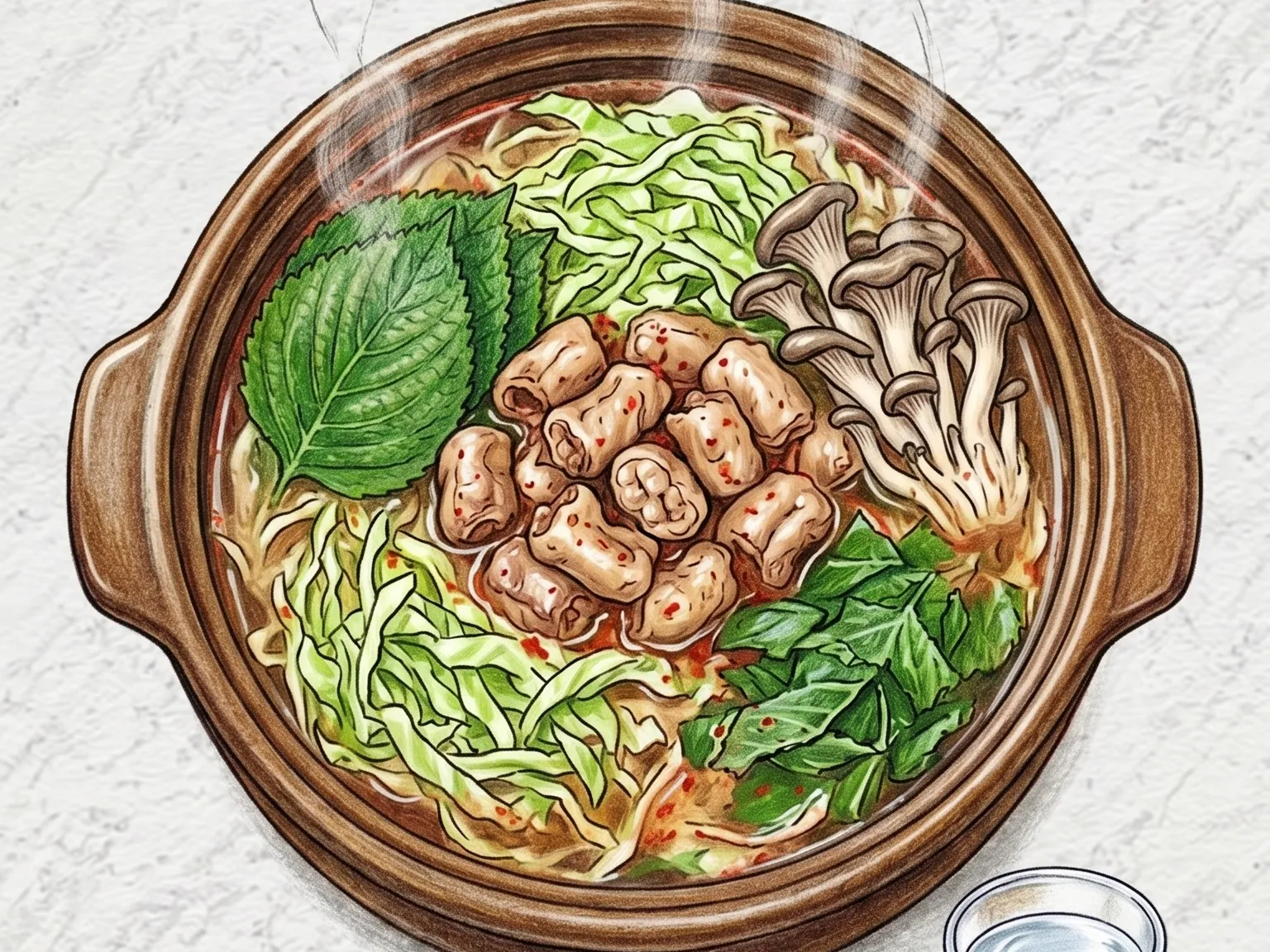
Korean Seoul-style Gopchang Jeongol
Seoul-style gopchang jeongol uses 600 grams of beef intestines in a beef bone broth, seasoned with soup soy sauce rather than the heavier gochujang found in other regional versions. This gives the broth a cleaner, lighter character. Cabbage and oyster mushrooms add bulk, while ten perilla leaves contribute their distinctive herbal scent. Gochugaru provides color and gentle heat. This preparation reflects the style served in Seoul's traditional gopchang alley restaurants.

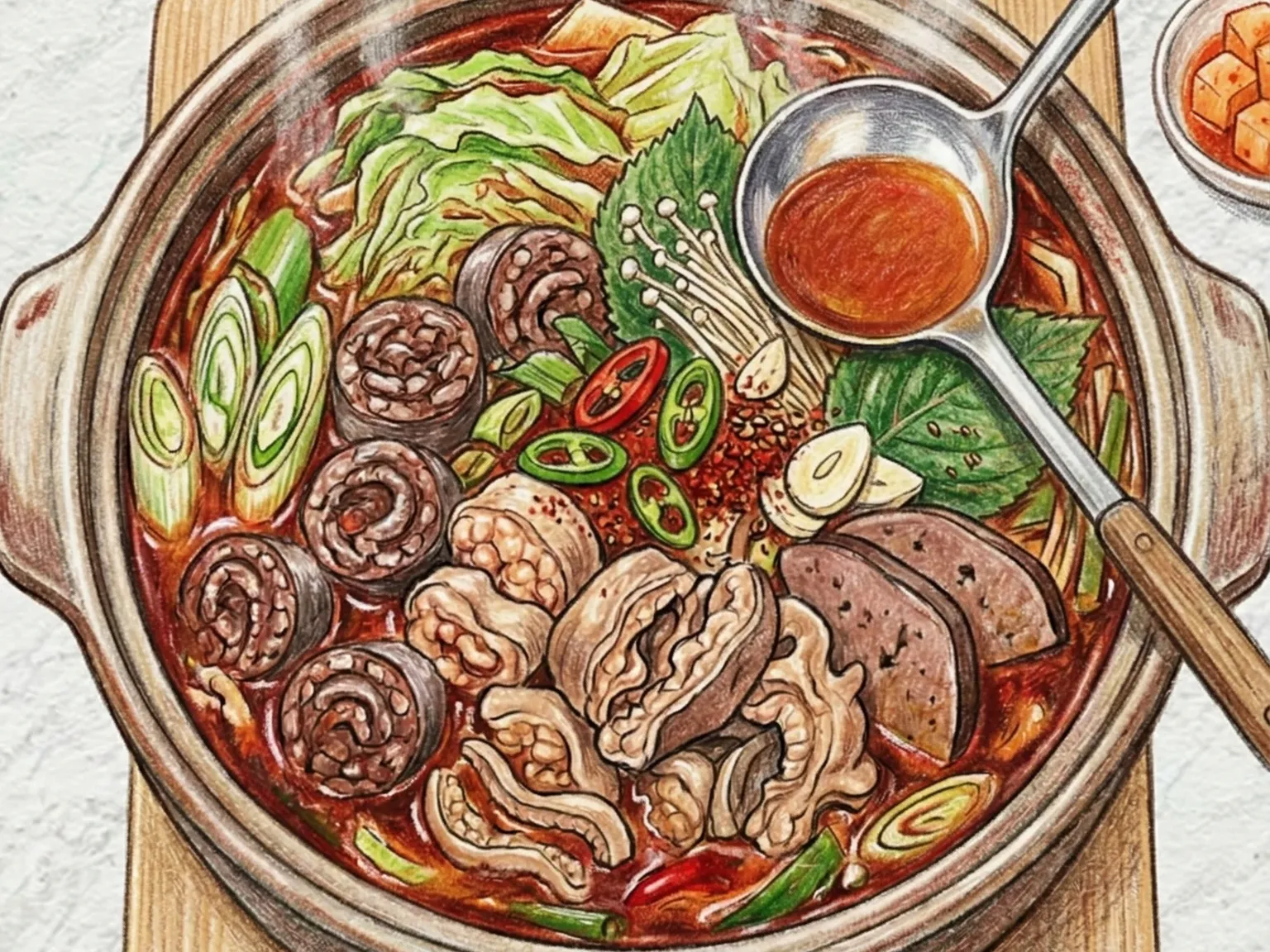
Korean Beef Tripe Hot Pot
Naejang jeongol is a Korean tripe hot pot that simmers mixed beef offal in rich beef bone broth with onion, bean sprouts, and green onion. A touch of doenjang tames any gaminess, while gochugaru and garlic build a spicy, warming broth. The tripe offers a satisfyingly chewy bite against the milky, collagen-rich stock. This dish has long been a go-to accompaniment for soju and a popular hangover remedy.

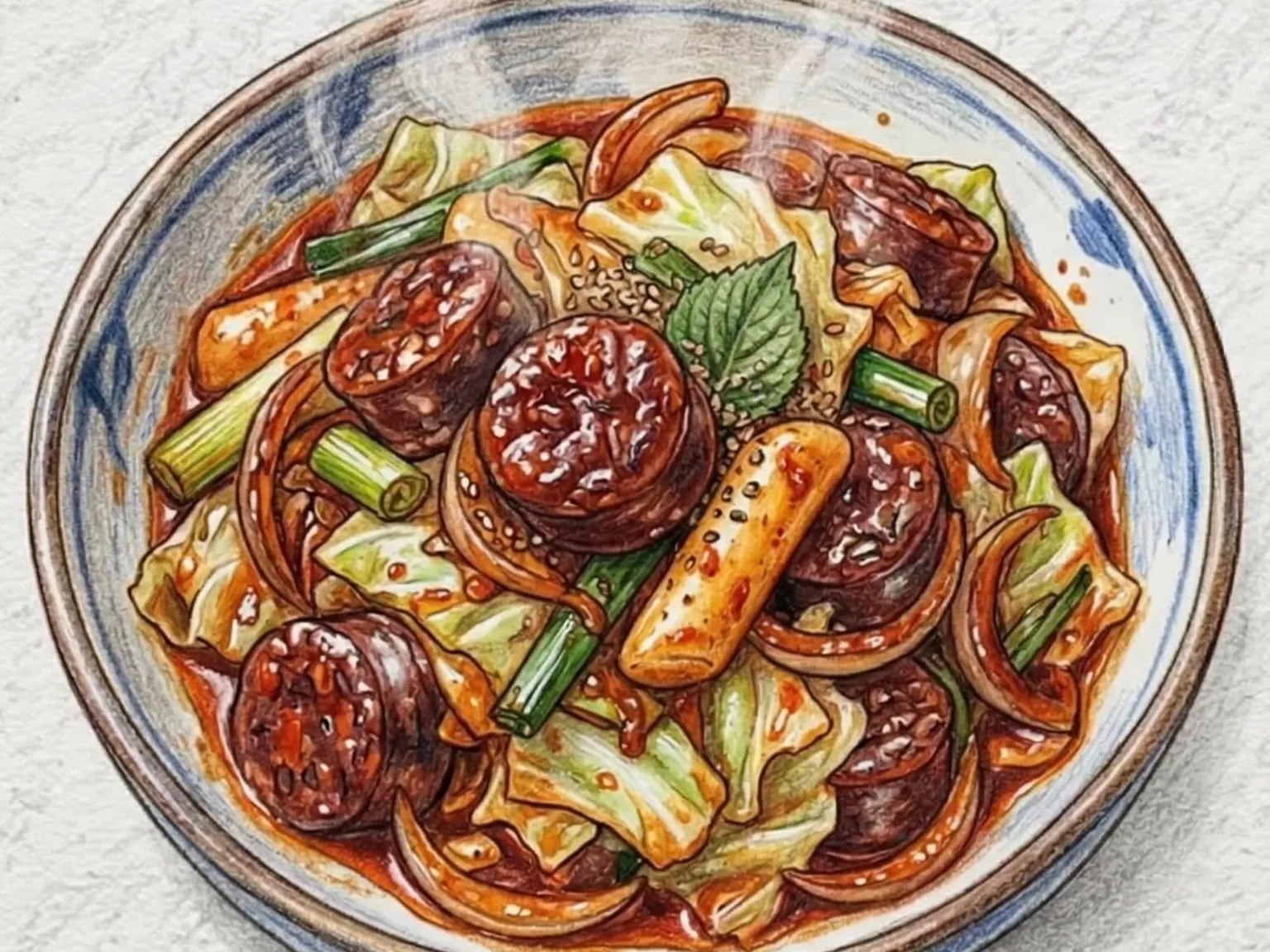
Korean Seoul-Style Army Stew
Seoul-style budae jjigae uses a rich anchovy stock base, setting it apart from versions that rely on plain water. Spam, mini sausages, baked beans, and kimchi simmer in the stock with gochujang and chili flakes, while the baked beans lend a subtle sweetness and creamy body to the broth. A block of instant ramen noodles goes in at the end to soak up the spicy, umami-rich soup.

Korean Spicy Blue Crab Hot Pot
Maeun kkotge jeongol is a spicy crab hot pot featuring two whole blue crabs in a gochujang and gochugaru-laced broth. The crab shells infuse the soup with a concentrated shellfish essence that combines with the fermented chili paste for a bold, layered heat. Daikon radish and tofu cubes simmer in the fiery liquid, soaking up flavor throughout. Served tableside in a wide pot with green onion stalks laid across the top, it is a communal dish designed to be enjoyed as it bubbles away.

Korean Seafood Hot Pot Soup
Haemul-tang is a Korean seafood hot pot that throws together crab, shrimp, clams, and squid in a fiery, brick-red broth. The liquid starts with gochugaru and plenty of garlic, building a spicy base that the seafood then amplifies with its own briny juices. Radish chunks soften as the pot bubbles, thickening the broth slightly and adding a cool sweetness behind the heat. Green onions and cheongyang peppers go in toward the end for a sharp, vegetal bite. The magic of haemul-tang lies in the convergence of flavors: crab shells release a sweet, crustacean stock; clams open to spill their liquor; shrimp and squid contribute distinct textures from snappy to chewy. The pot is brought to the table still at a rolling boil, and diners pick through the shells and tentacles while the broth continues to concentrate.

Korean Braised Pork Backbone
Deungppyeo-jjim is pork backbone braised with potato and green onion in a sauce of doenjang, gochugaru, and soy sauce. After a long simmer, the meat and cartilage between the vertebrae pull away from the bone effortlessly. Doenjang lays a deep, fermented base note while chili flakes add a sharp heat on top. The potatoes cook until they are soft enough to break apart with a spoon, melding into the thick broth. Picking the meat from between the bones is part of the appeal, making this a popular dish to share over drinks.