Korean Soft Tofu Noodle Soup
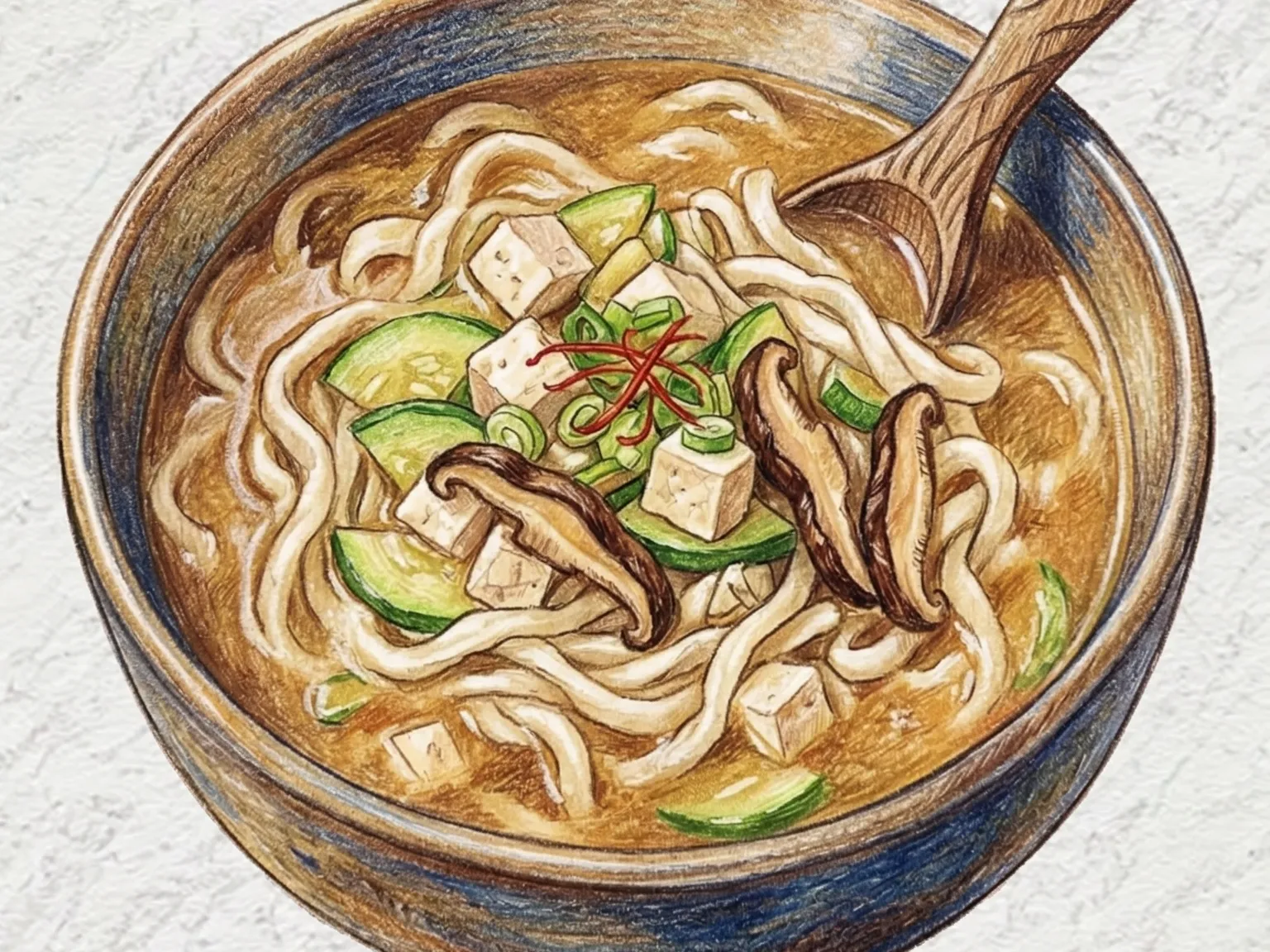
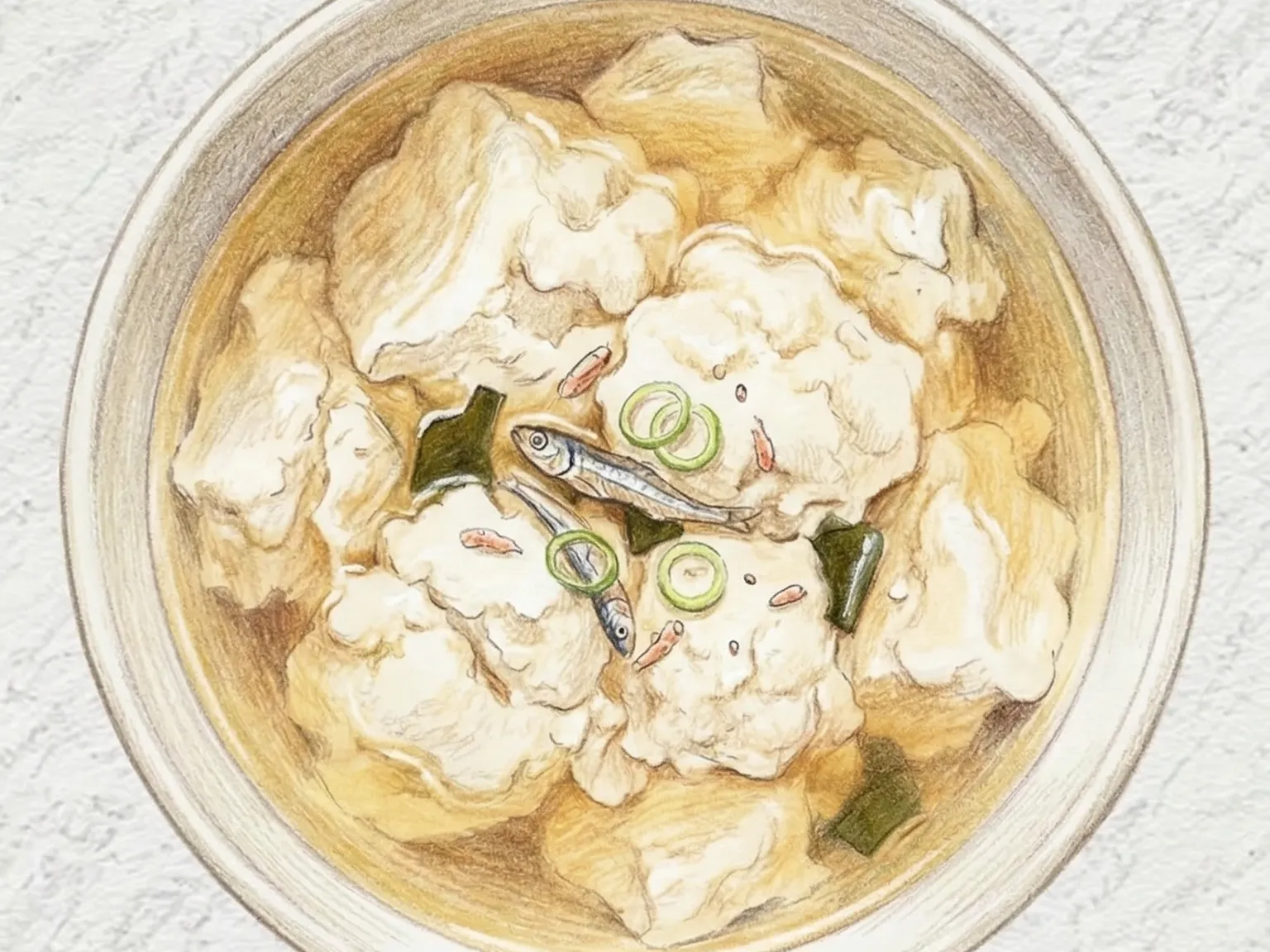
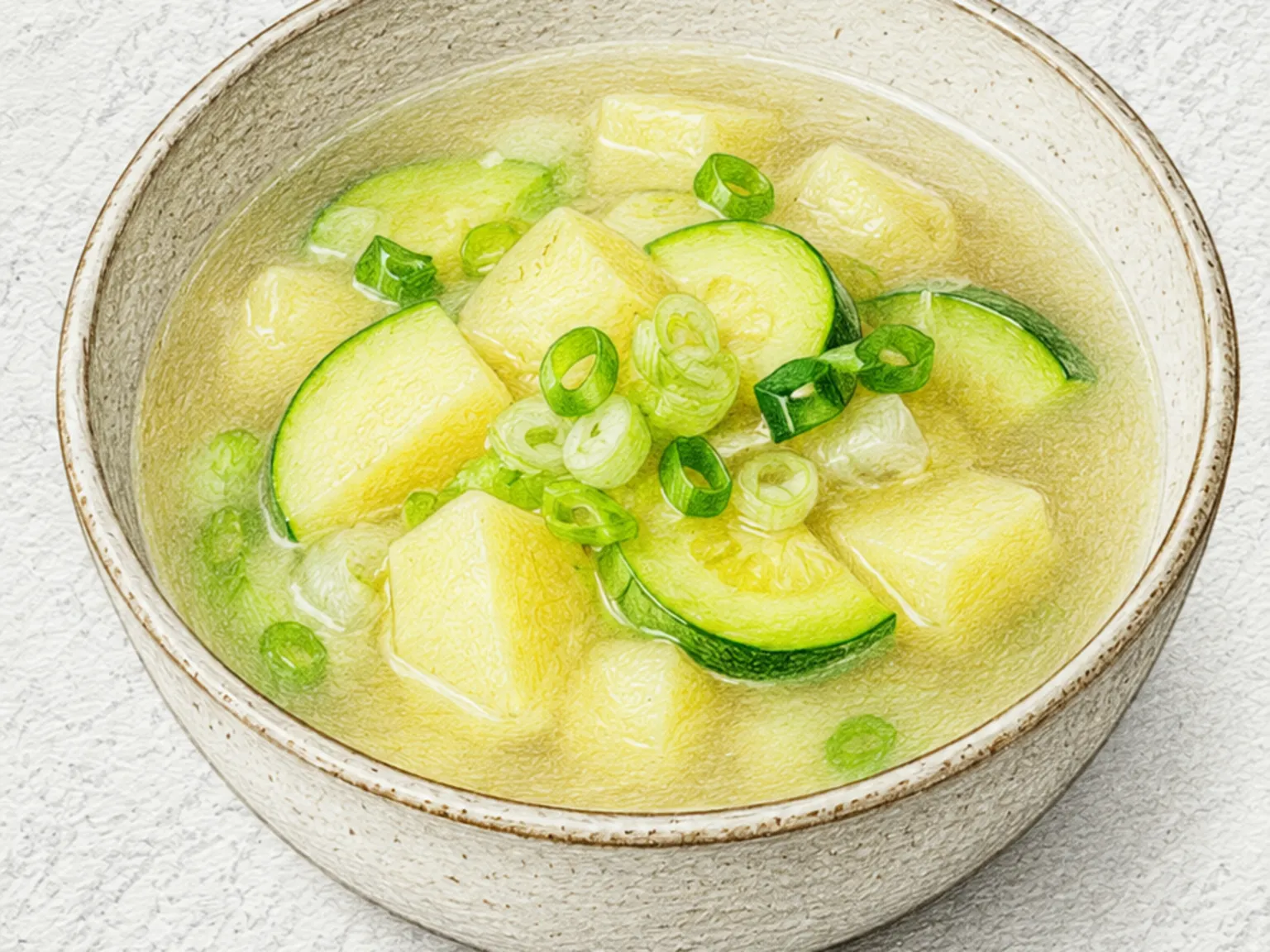
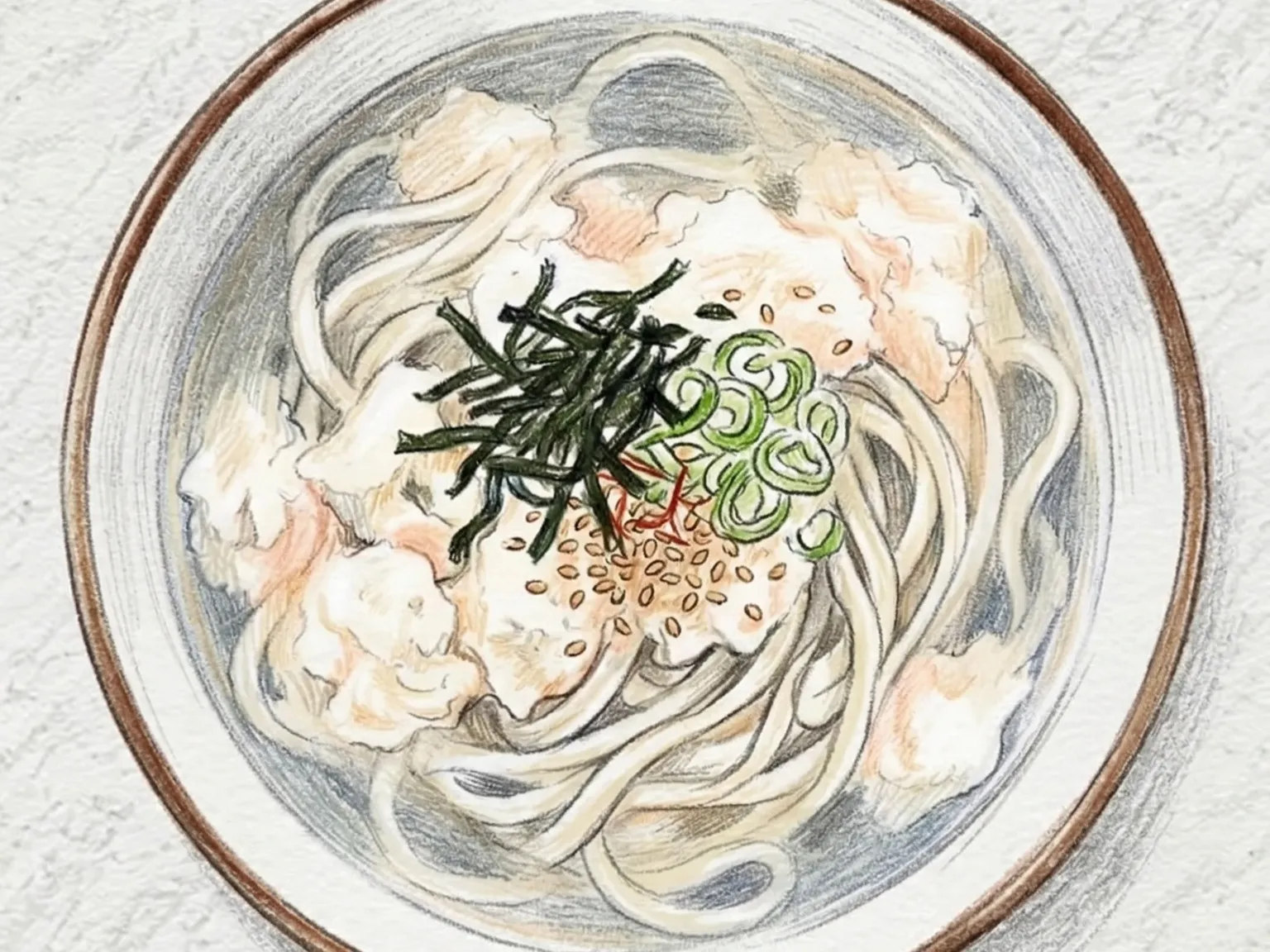
Sundubu guksu is a Korean noodle soup made by simmering silken tofu in anchovy-based broth with knife-cut wheat noodles. As the soft tofu breaks apart during cooking, it naturally thickens the broth into a creamy consistency without any dairy. The combination of anchovy umami and mild tofu keeps the flavor clean yet full. Total cooking time is around 25 minutes, and the recipe requires minimal seasoning. It is one of the simpler Korean noodle soups to prepare at home.
Adjust Servings
Instructions
- 1
Bring anchovy stock to a boil; season with soup soy sauce, minced garlic, and salt.
- 2
Add half-moon sliced zucchini and cook 2 minutes.
- 3
Add knife-cut noodles and cook 5~7 minutes.
- 4
Add silken tofu in large spoonfuls and simmer 1 more minute.
- 5
Top with green onion and a drizzle of sesame oil.
As an Amazon Associate, we may earn from qualifying purchases.
Tips
Nutrition (per serving)
More Recipes

Korean Banquet Noodles (Thin Noodles in Anchovy Kelp Broth)
Janchi-guksu is a classic Korean celebration noodle soup with thin wheat noodles served in a clear broth made from dried anchovies and kelp. The broth achieves a gentle, layered umami from the anchovies, complemented by kelp's subtle sweetness, and seasoned with soup soy sauce for a clean taste. Sauteed zucchini and carrot sit on top as garnishes alongside egg crepe strips and crumbled roasted seaweed, adding color and textural variety. Originating as a dish served at weddings and festive gatherings, it remains a symbol of simple hospitality.

Korean Anchovy Broth Thin Noodle Soup
Anchovy somyeon is the noodle soup Korean families turn to when the kitchen has nothing special - dried anchovies, a strip of kelp, and a bundle of thin wheat noodles are all it takes. The broth is built by simmering dried anchovies and dashima in water for fifteen minutes, then straining for a clear, umami-rich liquid with a faint oceanic sweetness. Somyeon - hair-thin wheat noodles - cook in a separate pot to prevent their starch from clouding the broth, then are rinsed under cold water until the strands separate cleanly. The noodles sit in a bowl of the hot broth, topped with sliced scallion, a drop of sesame oil, and sometimes a sheet of toasted gim. The appeal lies in its restraint: no chili, no fermented paste, just clean anchovy flavor meeting springy noodles. Korean mothers have served this as a quick lunch for generations, and it remains comfort food in its most distilled form.

Korean Soft Tofu Soup (Mild Clear Broth with Silken Tofu)
Sundubu-guk is the gentler sibling of the more widely known sundubu-jjigae, trading the latter's fiery red broth for a clear, mild soup that puts silken tofu front and center. The base is a simple anchovy and kelp stock, seasoned with soup soy sauce and nothing more assertive, so the broth stays transparent and clean on the palate. Blocks of unpressed soft tofu are slipped into the simmering liquid and heated just until they are warmed through - overcooked sundubu loses the trembling, custard-like texture that defines the dish. Each spoonful collapses gently on the tongue, releasing a faint, sweet soybean flavor that pairs effortlessly with the umami-rich stock. A small addition of salted shrimp paste can be stirred in at the table to introduce a subtle marine depth without disrupting the soup's calm character. This is the soup Koreans turn to when appetite is low, digestion needs rest, or the body simply craves something warm and uncomplicated. It is equally suitable for young children and elderly diners, and its quiet simplicity is precisely its strength.

Korean Chicken Janchi Guksu
This variation of Korean janchi guksu places generous shreds of poached chicken breast on top of thin wheat noodles in a clear anchovy-kelp broth. The chicken adds a layer of lean protein that makes the bowl more filling than the classic version, while the broth retains its light, clean character. Julienned zucchini, shredded dried seaweed, and thin egg crepe strips bring color and varied texture. A small dish of soy-based dipping sauce on the side lets diners adjust the seasoning to taste. The noodles are boiled separately, rinsed in cold water to maintain their chew, and then placed in the hot broth just before serving, so they stay firm rather than turning mushy. Because the recipe scales easily, it remains a go-to choice for gatherings and celebrations where a warm, comforting noodle dish is needed.

Korean Corbicula Clam Noodle Soup
Jaecheop-guksu is a regional specialty from Hadong in South Gyeongsang Province, built on a clear broth extracted from purged freshwater corbicula clams. The broth carries the clams' concentrated brininess alongside a remarkably clean, light body, seasoned sparingly with soup soy sauce and salt to let the shellfish flavor dominate. A single cheongyang chili simmered in the pot lends a gentle background heat, and scallion with black pepper finishes the aroma. Widely regarded as a hangover remedy, this noodle soup is prized for its ability to settle the stomach with its pure, uncluttered flavor.

Korean Soft Tofu Stew (Silken Tofu in Spicy Clam Broth)
Sundubu-jjigae is one of Korea's most iconic stews, featuring silken soft tofu in a fiery broth with clams, ground pork, and gochugaru. Sesame oil, chili flakes, and garlic are fried together first to create a fragrant base, then the liquid is added and brought to a rolling boil. Two eggs are cracked on top and left to set softly in the bubbling stew. The clams contribute a clean brininess while the pork grounds the dish with meaty depth, and it is traditionally served still boiling in an earthenware pot.