Sweet Potato Cinnamon Muffins
Quick answer
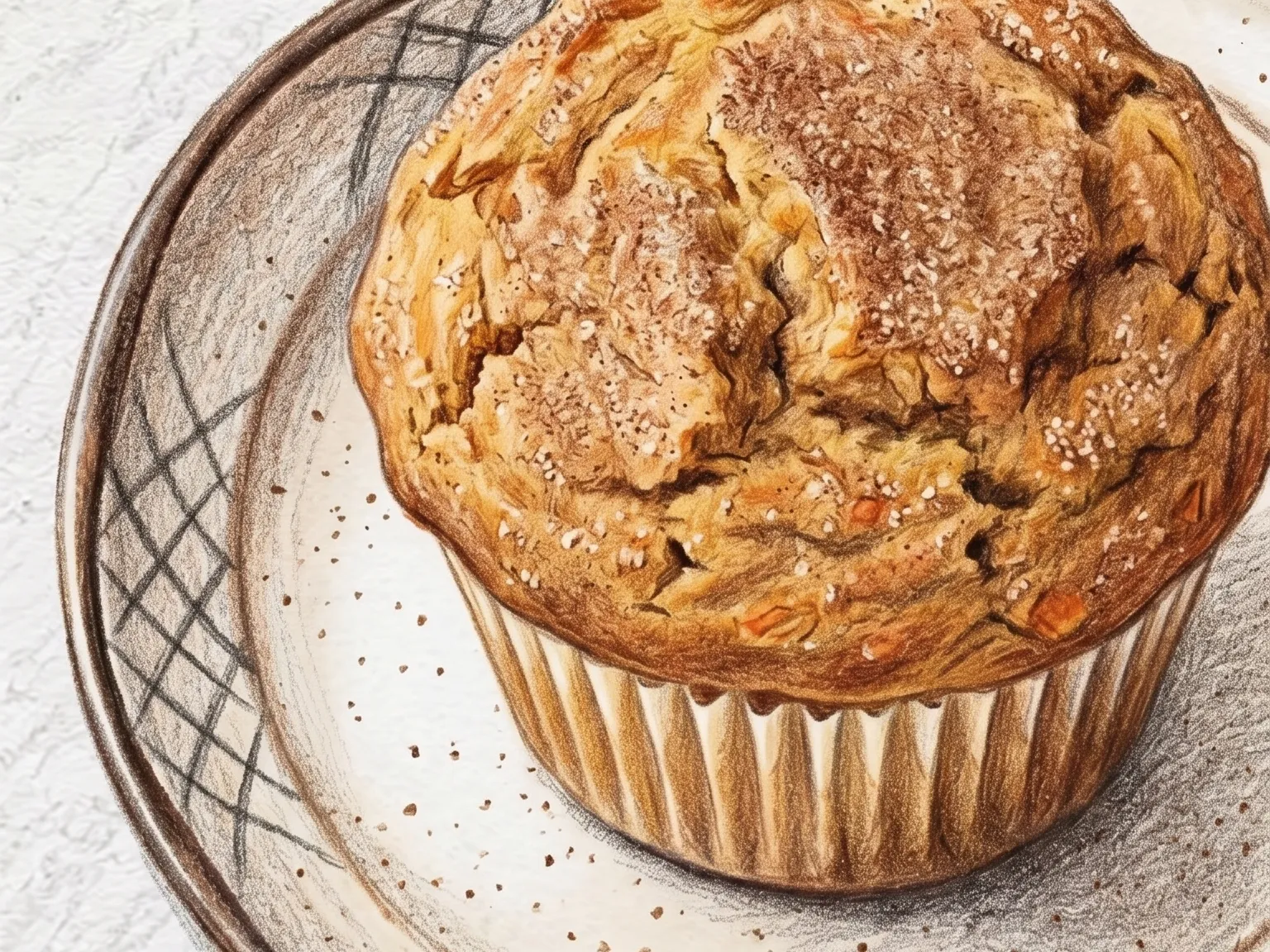
Steamed sweet potato is mashed smooth and folded into a quick-mix muffin batter scented with ground cinnamon.
What makes this special
- Sweet Potato Cinnamon Muffins use mashed tubers to create a moist crumb with natural sweetness.
- Mashed sweet potato provides natural sweetness that partially replaces added sugar
- Neutral oil instead of butter keeps the crumb light and moist alongside sweet potato liquid
Key ingredients
Core cooking flow
- 1 Preheat the oven fully to 180°C and line the muffin tray with paper liners.
- 2 Let the 180 g steamed sweet potato release excess steam, then mash it until no firm lumps remain.
- 3 In a bowl, whisk the egg, 80 g sugar, and 60 ml neutral oil until the sugar looks moistened.
Steamed sweet potato is mashed smooth and folded into a quick-mix muffin batter scented with ground cinnamon. The potato provides natural sweetness that reduces the need for refined sugar, while its moisture keeps the crumb soft and tender for days. Cinnamon amplifies the warm character of the sweet potato rather than competing with it, and a neutral oil base makes the muffins lighter than their butter-based counterparts. The mixing technique is critical: stirring beyond the point where dry flour disappears overdevelops gluten and produces a tough result. Because sweet potatoes vary in water content, the milk should be adjusted in ten-milliliter increments - wetter puree needs less liquid. Once baked, the muffins are best cooled on a wire rack so residual heat dries the surface into a faintly crisp shell that contrasts with the pillowy interior.
Instructions
Read the steps as a cooking flow: prep, heat, seasoning, doneness control, and finish.
- 1Prep
Preheat the oven fully to 180°C and line the muffin tray with paper liners.
Keep the prepared tray nearby so the batter can go straight into the oven once it is mixed.
- 2Step
Let the 180 g steamed sweet potato release excess steam, then mash it until no firm lumps remain.
Add part of the 90 ml milk and loosen it into a thick, smooth puree.
- 3Season
In a bowl, whisk the egg, 80 g sugar, and 60 ml neutral oil until the sugar looks moistened.
Add the sweet potato puree and mix until the batter base is evenly blended.
- 4Season
Sift in 170 g cake flour, 1.5 teaspoons baking powder, 1 teaspoon cinnamon, and 1 g salt.
Fold gently only until dry flour disappears, stopping before the batter becomes elastic or heavy.
- 5Step
If the batter feels too stiff, add the remaining milk in 10 ml increments, stopping when it drops slowly from the spatula.
Fill each liner about 80 percent full and lightly level the tops.
- 6Heat
Bake at 180°C for 20-22 minutes, until the tops are domed and a skewer shows no wet batter.
Rest in the tray for 5 minutes, then move to a rack to cool.
After the steps
Pick a recipe that fits this dish.
Continue with shared ingredients, meal pairings, or a similar method.
Recipes That Go Well With This
More Baking →Based on shared ingredients and meal pairing
Chestnut Sweet Potato Muffins
Chestnut sweet potato muffins draw on two staple Korean autumn ingredients, combining them in a baked format that highlights the natural sweetness of both. Steamed and mashed sweet potato is worked directly into the batter, contributing moisture and a gentle, earthy sweetness that keeps the crumb soft for days after baking. The sweet potato also acts as a built-in humectant, preventing the common muffin problem of drying out once cooled. Diced roasted chestnuts are folded throughout the batter to provide a starchy, crumbly counterpoint to the tender surrounding crumb. Their slightly grainy texture creates contrast with every bite. A small amount of cinnamon sharpens the perception of the sweet potato's warmth without masking it. The streusel topping baked onto each muffin provides a layer of buttery crunch that gives way to the soft interior when pressed. When made with freshly harvested autumn ingredients, the natural sugars in both the sweet potato and chestnuts are concentrated enough that the amount of added sweetener in the batter can be reduced. The muffins work well as a snack or a breakfast substitute.
Goguma Streusel Loaf Bread (Sweet Potato Streusel Loaf)
Sweet potato puree is whisked into a batter enriched with brown sugar, eggs, and neutral oil, then baked in a loaf pan with a generous layer of butter streusel on top. The puree keeps the crumb remarkably moist and dense, while the streusel bakes into crunchy, crumbly clusters that shatter against the soft interior. Cinnamon reinforces the sweet potato's warmth, and brown sugar deepens the flavor with a faint molasses note. The streusel must be prepared with cold butter rubbed by hand into flour and sugar - the coarse, irregular texture is what creates the satisfying crunch after baking. If the puree is particularly wet, reducing the milk by ten milliliters prevents a batter that is too loose. Should the top brown too quickly during the long bake, a loose tent of foil protects the streusel without trapping steam. The loaf slices most neatly after cooling completely on a rack.
Real Pineapple Sherbet
This refreshing fruit dessert is prepared by scooping out the flesh of a mini pineapple and using its hollowed shell as a serving vessel. The fruit pulp is blended until smooth to prevent icy lumps, then mixed with sugar, lemon juice, and oligosaccharide syrup to achieve a sweet and tangy flavor. After pouring the mixture back into the shell and covering it with the top lid, it is frozen for at least four hours. Stirring the mixture occasionally during freezing breaks up ice crystals, resulting in a smoother texture. The active bromelain enzyme present in the fresh fruit provides a subtle tingly sensation on the tongue. Serving the sherbet directly inside the pineapple skin minimizes juice loss and keeps the dessert cold. Letting it stand for five minutes before scraping and topping with fresh apple mint leaves makes it ready to serve.
Brown Sugar Cinnamon Rolls
Brown sugar replaces white sugar in the filling of these cinnamon rolls, contributing a molasses-like depth that elevates the pastry well beyond the standard version. The yeast dough, enriched with milk, egg, and butter, rises into a soft elastic sheet that rolls easily around the dark sugar and cinnamon mixture. During baking, the brown sugar melts into a sticky caramel layer that clings to every spiraled edge. The rolls emerge darker in color and richer in character, carrying a mineral sweetness that white sugar cannot replicate. Cinnamon warmth penetrates every layer from edge to center without fading at the core. A cream cheese glaze drizzled over the hot rolls immediately after baking introduces a tangy counterpoint that prevents the sweetness from becoming one-dimensional, and the contrast between the warm, dark filling and the cool, pale glaze makes each pull-apart layer worth eating slowly.
Serve with this
Baked Ziti
Baked ziti is an Italian-American oven pasta that delivers a lasagna-style flavor structure with far less assembly work. Tubular ziti noodles are boiled to al dente, tossed in a beef-and-tomato meat sauce, then layered in a baking dish with generous amounts of ricotta and shredded mozzarella. The tube shape traps sauce inside each piece, distributing flavor more evenly than flat pasta can. Parmesan spread across the top browns into a thin, crisp crust during the thirty-five-minute bake, while the interior melds into a cohesive mass of sauce-soaked pasta and melted cheese. Because no individual pasta sheets need to be layered, total hands-on preparation time is considerably shorter than classic lasagna. The dish scales easily to four or more servings in a single pan, making it well suited for family dinners and gatherings. Adding a small amount of water or sauce before reheating keeps leftovers from drying out.
Fruit Yogurt Salad
Apple, banana, strawberry, and blueberry are cut into bite-sized pieces and folded into plain yogurt for a fruit salad where the dressing serves as background rather than centerpiece. The yogurt provides gentle acidity that anchors the sweetness of the fruit without overwhelming it. Honey softens the sharper edge of the yogurt, and a squeeze of lemon juice does double duty: it slows the browning of cut apple and banana while leaving a clean citrus note on the finish. Roughly chopped walnuts scattered over the top introduce a crunchy, slightly bitter contrast to the soft fruit and smooth yogurt, breaking the monotony of texture. Swapping in seasonal fruit makes the recipe adaptable year-round without adjusting the base formula - peaches and melon in summer, persimmon and pear in autumn all work within the same yogurt, honey, and lemon framework. Light enough for a morning meal and refreshing enough after a heavy dinner, it sits comfortably in either role.
Citrus Espresso Tonic with Orange
Espresso tonic is a carbonated coffee drink built by slowly pouring espresso over chilled tonic water to form two distinct layers. The tonic must be thoroughly cold to maintain stable carbonation throughout; cooling the espresso for about thirty seconds before pouring it over a spoon produces a clean separation between the two liquids. The quinine bitterness in the tonic water meets the espresso's roast bitterness, creating a balanced interplay rather than one-note sharpness. Orange slices and lemon peel garnish the glass, releasing citrus oils that rise with the bubbles. Specialty espresso with pronounced fruit acidity works particularly well here, harmonizing with the tonic's effervescence and lending natural sweetness without added sugar. Pre-chilling the glass with ice before adding the tonic helps preserve carbonation. The drink gained popularity in Scandinavian coffee culture during the 2010s before spreading worldwide.
Similar recipes
Blueberry Banana Bread
Blueberry banana bread is a quick bread that pairs the dense, sweet moisture of ripe bananas with the sharp burst of blueberries. The riper the banana, the more sugar has converted from starch, which means the bread needs less added sweetener while still tasting distinctly sweet. Melted butter enriches the crumb without weighing it down the way oil can, and baking soda creates a fine, tender rise that keeps the interior soft. Blueberries burst during baking and streak the crumb with rivulets of purple juice, making every slice visually distinct as well as flavorful. The most important technique is restraint with the mixing - once the flour is added, stirring just until the dry streaks disappear prevents gluten from over-developing and keeps the crumb moist rather than tough. Because the fruit carries most of the sweetness and moisture, this is a reasonable choice as a daily snack or a healthier baked good. Sliced warm with butter or cream cheese, it works as a simple brunch dish, and it keeps well for several days at room temperature before the crumb begins to dry.
Fruit Yogurt Salad
Apple, banana, strawberry, and blueberry are cut into bite-sized pieces and folded into plain yogurt for a fruit salad where the dressing serves as background rather than centerpiece. The yogurt provides gentle acidity that anchors the sweetness of the fruit without overwhelming it. Honey softens the sharper edge of the yogurt, and a squeeze of lemon juice does double duty: it slows the browning of cut apple and banana while leaving a clean citrus note on the finish. Roughly chopped walnuts scattered over the top introduce a crunchy, slightly bitter contrast to the soft fruit and smooth yogurt, breaking the monotony of texture. Swapping in seasonal fruit makes the recipe adaptable year-round without adjusting the base formula - peaches and melon in summer, persimmon and pear in autumn all work within the same yogurt, honey, and lemon framework. Light enough for a morning meal and refreshing enough after a heavy dinner, it sits comfortably in either role.