Takikomi Gohan (Japanese Mixed Rice Cooked with Vegetables and Dashi)
Asian Medium

Takikomi Gohan (Japanese Mixed Rice Cooked with Vegetables and Dashi)

Quick answer

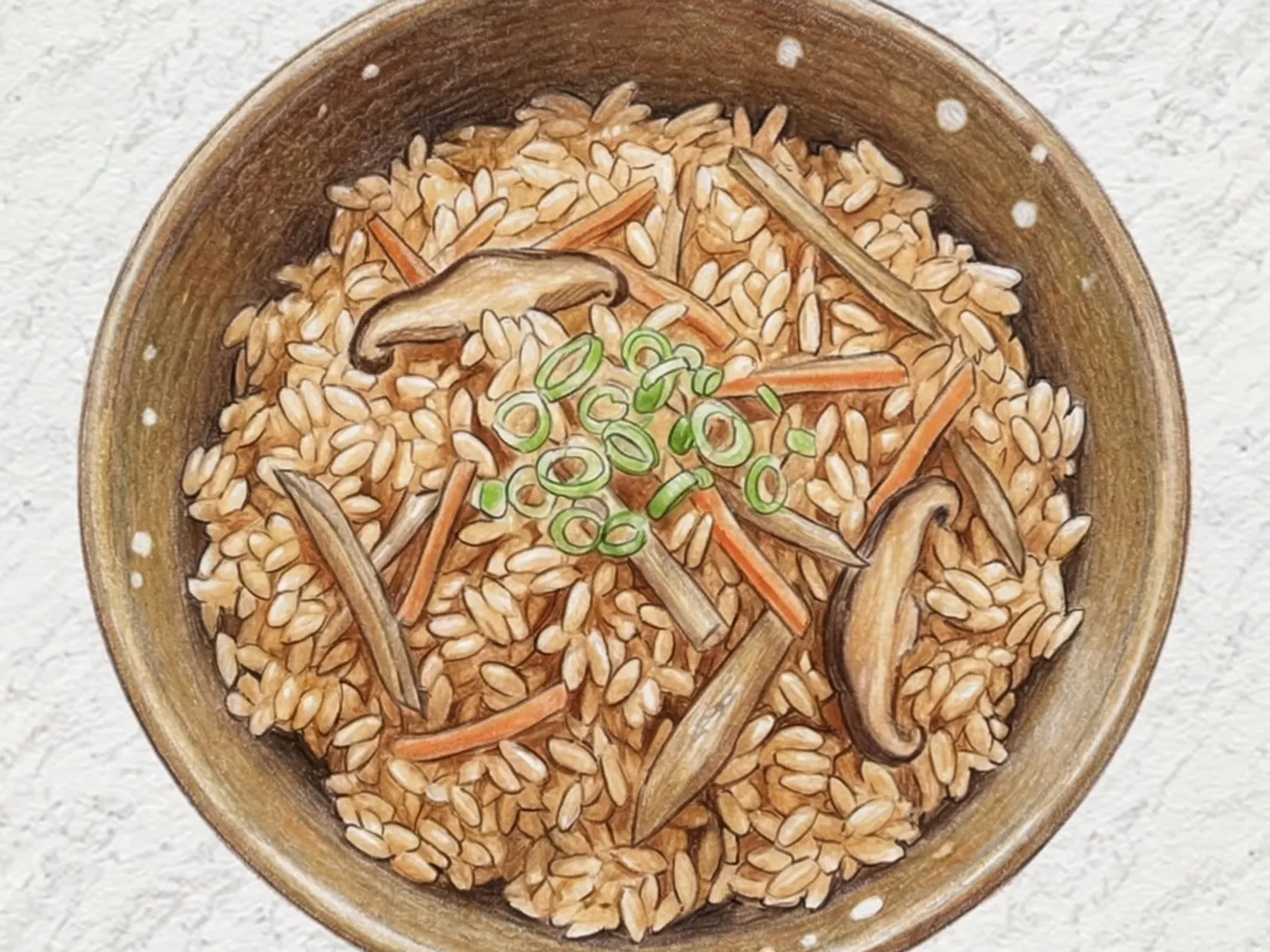
Takikomi gohan is a Japanese mixed rice dish in which short-grain rice is cooked together with seasonal vegetables, mushrooms, and a seasoned dashi-soy-mirin liquid inste...

What makes this special

  • Takikomi Gohan is a Japanese mixed rice dish cooked with dashi, shiitake mushrooms, and burdock root.
  • Leaving toppings unstirred before cooking keeps the rice fluffy and separate
  • Dashi, soy sauce, and mirin season every individual grain
Total time
50 min
Level
Medium
Servings
4 servings
Ingredients
7
Calories
360 kcal
Protein
8 g

Key ingredients

short-grain riceshiitake mushroomcarrotburdock rootdashi stock

Core cooking flow

  1. 1 Rinse 2 cups short-grain rice until the water runs mostly clear, then soak it for 20 minutes.
  2. 2 Slice 120 g shiitake mushrooms, 80 g carrot, and 60 g burdock root into thin, even strips.
  3. 3 Put the drained rice, 420 ml dashi, 2 tablespoons soy sauce, and 1 tablespoo...

Takikomi gohan is a Japanese mixed rice dish in which short-grain rice is cooked together with seasonal vegetables, mushrooms, and a seasoned dashi-soy-mirin liquid instead of plain water. Shiitake mushrooms, carrot, and burdock root are julienned and placed on top of the soaked, drained rice-never stirred in-so the grains cook evenly and stay distinct rather than clumping. As the rice cooker runs its normal cycle, the dashi infuses every grain with a savory depth while the soy sauce adds a gentle salinity and the mirin a whisper of sweetness. After a ten-minute rest with the lid closed, the rice is fluffed and the toppings folded through, releasing an earthy, woodsy aroma from the mushrooms and burdock. The dish is a staple of Japanese home cooking, simple enough for a weeknight yet considered enough for a guest meal when made with premium seasonal ingredients.

Prep 15min Cook 35min 4 servings

Instructions

Read the steps as a cooking flow: prep, heat, seasoning, doneness control, and finish.

6 steps
  1. 1
    Heat

    Rinse 2 cups short-grain rice until the water runs mostly clear, then soak it for 20 minutes.

    Drain in a sieve for about 10 minutes so excess water does not make the cooked rice heavy.

  2. 2
    Heat

    Slice 120 g shiitake mushrooms, 80 g carrot, and 60 g burdock root into thin, even strips.

    Keep the thickness similar so the vegetables soften at the same pace during the rice cooker cycle.

  3. 3
    Season

    Put the drained rice, 420 ml dashi, 2 tablespoons soy sauce, and 1 tablespoon mirin into the rice cooker pot.

    Gently level only the rice and liquid so the seasoning spreads evenly.

  4. 4
    Prep

    Spread the sliced shiitake, carrot, and burdock evenly over the rice.

    Do not stir them in, because keeping the toppings on top helps heat circulate through the grains and prevents clumping.

  5. 5
    Finish

    Close the rice cooker and cook on the regular rice setting.

    Do not open the lid during cooking, and after the cycle finishes, wait until the strong steam settles before handling the rice.

  6. 6
    Finish

    Let the rice rest with the lid closed for 10 minutes after cooking.

    Fluff from the bottom with a rice paddle, fold the toppings through gently, and serve without crushing the grains.

After the steps

Pick a recipe that fits this dish.

Continue with shared ingredients, meal pairings, or a similar method.

Recipes That Go Well With This

More Asian →

Based on shared ingredients and meal pairing

Kake Udon (Plain Udon in Clear Dashi Broth)
Shared ingredient: dashi stock Noodles

Kake Udon (Plain Udon in Clear Dashi Broth)

Kake udon is the most elemental form of Japanese udon: thick, springy wheat noodles served in a clear dashi broth seasoned with soy sauce, mirin, and a small amount of salt. With so few components, the quality of the dashi determines everything about the dish. The broth is built on katsuobushi and dried kelp, producing a flavor that is restrained but unmistakably savory. The noodles must be thick enough to hold their chew and smooth enough to carry broth with each lift of the chopsticks. Toppings are deliberately kept to a minimum, typically sliced kamaboko fish cake and chopped green onion, so the stock and noodle texture remain the focus rather than any single garnish. The noodles should go directly from the pot into hot broth, as they soften quickly and lose their characteristic bounce if left to sit. In the Kansai region, pale usukuchi soy sauce is used to keep the broth nearly transparent, making the visual clarity of the soup another deliberate element of the dish.

Japanese Curry Rice
Shared ingredient: carrot Asian

Japanese Curry Rice

Kare raisu is one of the most frequently cooked meals in Japanese households, using commercially prepared curry roux blocks that produce a milder, thicker, and sweeter result than Indian curry. Beef or chicken is cut into bite-sized pieces and stir-fried with onion, potato, and carrot before water is added and the pot simmers until the potatoes turn tender. The heat is lowered and the curry roux blocks are broken in and stirred until fully dissolved; the roux contains flour and fat that thicken the liquid into a glossy, coating sauce. Keeping the heat low after adding the roux is critical because high heat causes the thick sauce to scorch on the bottom. The finished curry deepens in flavor if rested overnight, as the vegetables continue to release their sweetness into the sauce. Unlike Indian curry with its layered spice blends, Japanese curry draws its appeal from the consistent, approachable flavor that a single roux block delivers every time.

Grapefruit Shiso Shrimp Salad
Serve together Salads

Grapefruit Shiso Shrimp Salad

Grapefruit shiso shrimp salad brings together ice-chilled blanched shrimp, membrane-free grapefruit segments, shredded shiso leaves, and thinly sliced cucumber and radish, all tossed in a yuja marmalade dressing. Blanching the shrimp for exactly two minutes and transferring them immediately to ice water locks in a firm, springy texture by contracting the protein rapidly while preventing the rubbery toughness that comes from overcooking. Removing all of the white pith from the grapefruit eliminates bitterness and leaves only the clean, tart juice of the flesh. Cutting the segments free from the membrane also makes the pieces easier to eat in a single bite. The dressing is built from yuja marmalade, rice vinegar, olive oil, and pepper, and the yuzu's floral acidity layers on top of the grapefruit to create a pronounced citrus profile that is bright but not harsh. The mint-like herbal quality of shiso leaves neutralizes any trace of fishiness from the shrimp and ties the Japanese-influenced flavor framework together. The crisp bite of cucumber and radish contrasts with the softness of the shrimp and grapefruit segments. Serving the salad well chilled is necessary to keep every texture and fragrance sharp and distinct rather than muted.

Agedashi Tofu (Japanese Crispy Fried Tofu in Dashi Broth)
Similar recipe Asian

Agedashi Tofu (Japanese Crispy Fried Tofu in Dashi Broth)

The dish has been in Japanese izakaya cookbooks since the Edo period - essentially a method for turning a block of tofu into something worth drinking beside. Firm tofu is pressed under weight for at least half an hour to drive out moisture, then tapped lightly in potato starch. Any residual water causes violent spitting in the oil; too thick a starch coat turns gummy once the broth hits. Into oil held at 170C until a translucent golden shell forms, two to three minutes without touching it. From there, hot dashi-soy-mirin broth goes on immediately at the table. The edges of the crust absorb the liquid and turn to something between gel and noodle; the center stays dry and crisp for roughly thirty seconds. That window is the whole point. Eat past it and you have soft tofu in broth, which is fine but is a different dish entirely. Grated daikon on top cuts through any lingering oil.

Serve with this

Mentaiko Yuzu Cream Udon
Noodles Medium

Mentaiko Yuzu Cream Udon

Myeongran yuja cream udon is a Japanese-style noodle dish that features a sauce made from a combination of salted pollock roe and yuzu marmalade. The base of the liquid consists of heavy cream and milk, which are enriched with butter to create a dense and smooth texture. The preparation begins by melting butter in a pan and sauteing minced garlic until the aroma is released. Once the garlic is fragrant, the cream and milk are poured in. This mixture needs to simmer over low heat for approximately two to three minutes until it thickens enough to coat the back of a spoon. Instead of adding the yuzu marmalade all at once, the cook incorporates it in small amounts. This gradual process allows for precise control over the citrus acidity so that it complements rather than overshadows the richness of the heavy cream. After removing the pan from the heat, two-thirds of the salted pollock roe is stirred in. The residual warmth of the sauce is sufficient to gently cook these eggs, ensuring they remain tender. The remaining third of the roe is reserved to be placed raw on top of the finished bowl, providing a distinct briny flavor and a grainy texture in every bite. To finish the dish, freshly cracked black pepper is added for a subtle sharpness, and shredded nori is scattered over the top to provide a roasted, oceanic scent that works well with the yuzu fragrance. The thick udon noodles provide a substantial chew that allows them to carry the heavy sauce and stand up to the combination of salty, creamy, and acidic elements without the flavors becoming lost.

🎉 Special Occasion 🌙 Late Night
Prep 12min Cook 15min 2 servings
Egg Over Rice (Raw Egg Stirred into Hot Rice with Soy Sauce)
Rice Easy

Egg Over Rice (Raw Egg Stirred into Hot Rice with Soy Sauce)

Tamago Kake Gohan is a simple Japanese comfort food consisting of raw egg stirred into freshly cooked hot rice and seasoned with soy sauce. The core of this dish lies in utilizing the steam and residual heat of the rice to warm and partially cook the raw egg. As it is whipped rapidly with chopsticks, the egg transforms into a silky, custard-like coating around every single grain of rice. Melting a small pat of butter in the center before adding the egg introduces an additional layer of rich aroma. Soy sauce is added gradually to balance the richness with its savory umami depth. To complete the dish, seaweed flakes and finely chopped green onions are sprinkled on top. It must be eaten immediately while steaming hot, as letting it sit cools the egg and causes the rice to become soggy.

⚡ Quick 🏠 Everyday
Prep 5min Cook 5min 2 servings
Korean Fish Cake Soup (Clear Anchovy Radish Broth)
Drinks Easy

Korean Fish Cake Soup (Clear Anchovy Radish Broth)

Eomuk-tang is a Korean fish cake soup in which skewered fish cakes and thick radish slices simmer in a clear broth built from dried anchovies and kelp. The kelp must be removed the moment the water begins to boil, otherwise it releases a slimy texture that clouds the broth. Cutting the radish thick allows it to slowly release natural sweetness over the long simmer. Rinsing the fish cakes in hot water before adding them washes away surface oil and keeps the broth clear and clean. Soup soy sauce adjusts the seasoning, and green onion and black pepper finish the pot. Adding the radish before the fish cakes ensures it has enough time to fully soften and sweeten the broth, since it takes longer than the eomuk to cook through.

🍺 Bar Snacks 🥗 Light & Healthy
Prep 15min Cook 25min 4 servings

Similar recipes

Niku Udon (Japanese Thick Noodles in Dashi Broth with Braised Beef)
Asian Easy

Niku Udon (Japanese Thick Noodles in Dashi Broth with Braised Beef)

Niku udon is a Japanese noodle soup built on two distinct layers of flavor. The broth starts with a clear dashi made from kombu and bonito flakes, seasoned with soy sauce and mirin for a clean, umami-rich base. Separately, thinly sliced beef is simmered with onion in a concentrated mix of soy sauce, mirin, and sugar until each slice is glazed in a sweet, savory coating. The beef is placed atop thick, chewy udon noodles swimming in the hot broth, and the two seasoning profiles merge at the table. Chopped scallions add freshness to cut through the richness. It is a staple of both home kitchens and udon shops across Japan.

🏠 Everyday 🍱 Lunchbox
Prep 15min Cook 20min 2 servings
Edo-Style Tendon (Japanese Tempura Rice Bowl with Sweet Soy Tare)
Asian Medium

Edo-Style Tendon (Japanese Tempura Rice Bowl with Sweet Soy Tare)

Edo-style tendon is a Japanese rice bowl that crowns steamed rice with freshly fried tempura-typically shrimp, sweet potato, and eggplant-glazed in a warm, sweet-salty tare sauce. The shrimp are scored along the belly to prevent curling, then dipped in a lightly mixed batter and fried at 170 degrees Celsius until the coating turns golden and crisp. The tare is a simple reduction of tsuyu, soy sauce, and sugar, simmered for just two minutes to concentrate its flavor into a glossy, mahogany liquid. The sauce is drizzled over the tempura the moment it lands on the rice, so the batter absorbs just enough to glisten without losing its crunch entirely. This tension between the crisp tempura coating and the sticky-sweet tare is the defining characteristic of the Edo style, which favors bold, direct flavors over subtlety. The rice beneath soaks up any sauce that runs off, becoming deeply seasoned and intensely satisfying in its own right.

🎉 Special Occasion 🍱 Lunchbox
Prep 18min Cook 16min 2 servings
Egg Over Rice (Raw Egg Stirred into Hot Rice with Soy Sauce)
Rice Easy

Egg Over Rice (Raw Egg Stirred into Hot Rice with Soy Sauce)

Tamago Kake Gohan is a simple Japanese comfort food consisting of raw egg stirred into freshly cooked hot rice and seasoned with soy sauce. The core of this dish lies in utilizing the steam and residual heat of the rice to warm and partially cook the raw egg. As it is whipped rapidly with chopsticks, the egg transforms into a silky, custard-like coating around every single grain of rice. Melting a small pat of butter in the center before adding the egg introduces an additional layer of rich aroma. Soy sauce is added gradually to balance the richness with its savory umami depth. To complete the dish, seaweed flakes and finely chopped green onions are sprinkled on top. It must be eaten immediately while steaming hot, as letting it sit cools the egg and causes the rice to become soggy.

⚡ Quick 🏠 Everyday
Prep 5min Cook 5min 2 servings

Tips

Do not stir toppings in before cooking for better texture.
Add chicken or tofu skin to make it a complete meal.

Nutrition (per serving)

Calories
360
kcal
Protein
8
g
Carbs
74
g
Fat
3
g