Tomato Basil Soup
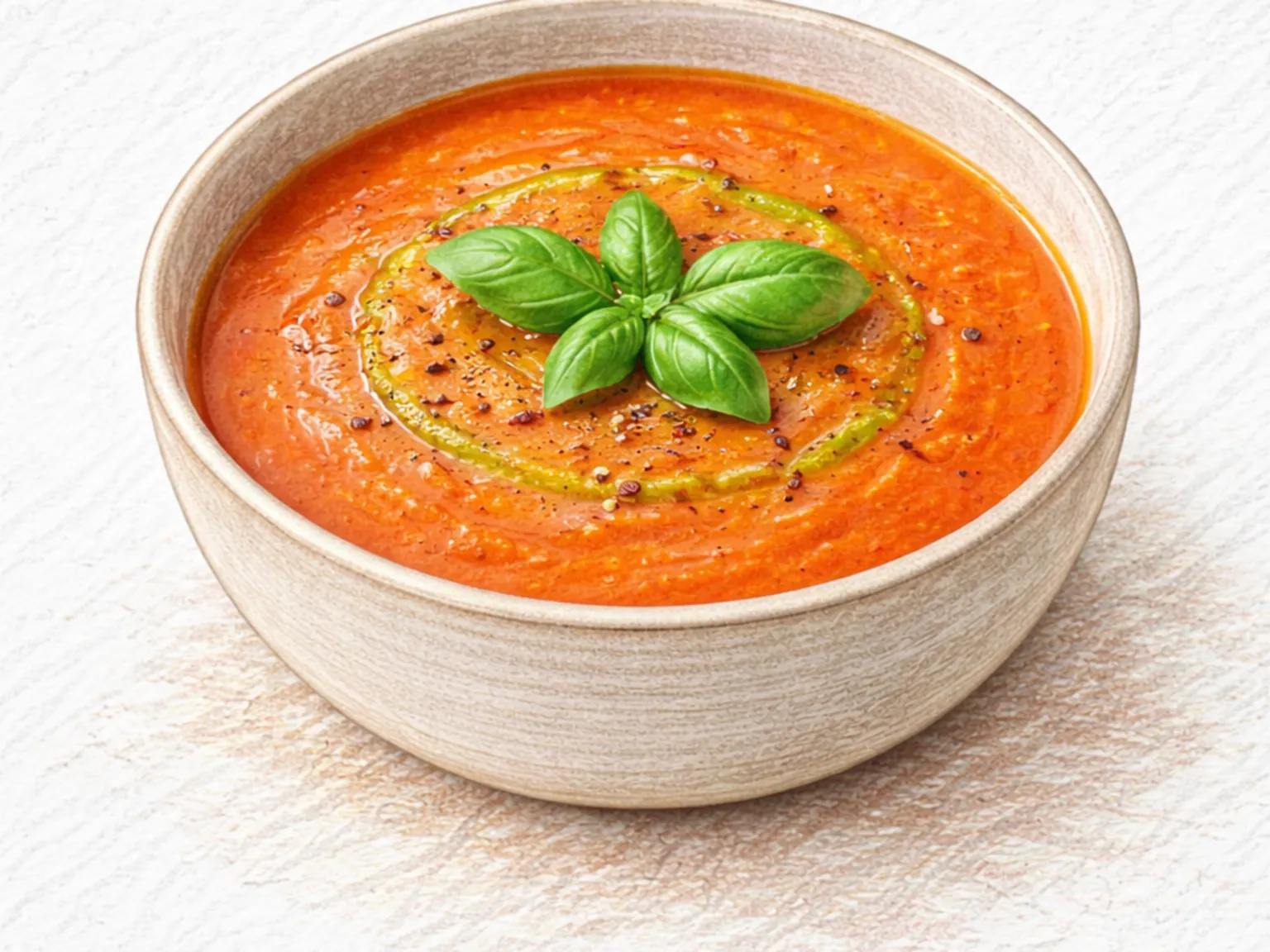
Tomato basil soup sautés onion and garlic in olive oil, adds canned whole tomatoes crushed by hand, simmers with vegetable stock for 15 minutes, then blends until smooth and finishes with cream and fresh basil. Crushing and cooking the tomatoes for the first five minutes before adding stock concentrates their natural sugars and reduces raw acidity, building a sweeter, deeper base. The 15-minute simmer lets the flavors merge without overcooking, and blending produces a velvety texture that cream enhances without masking the tomato. Basil is heat-sensitive - its volatile oils dissipate within minutes of cooking - so it goes in only after the heat is off, releasing its fragrance through residual warmth alone. A tablespoon of tomato paste can be stirred in during the sauté stage for a more intense tomato flavor if desired.
Adjust Servings
Instructions
- 1
Saute chopped onion and garlic in olive oil until translucent.
- 2
Add tomatoes, crush with a spatula, and cook for 5 minutes.
- 3
Pour in stock and simmer for 15 minutes over medium heat.
- 4
Blend until smooth, then stir in cream and simmer 3 minutes.
- 5
Turn off heat, add basil, and adjust seasoning.
As an Amazon Associate, we may earn from qualifying purchases.
Tips
Nutrition (per serving)
More Recipes

Mushroom Risotto
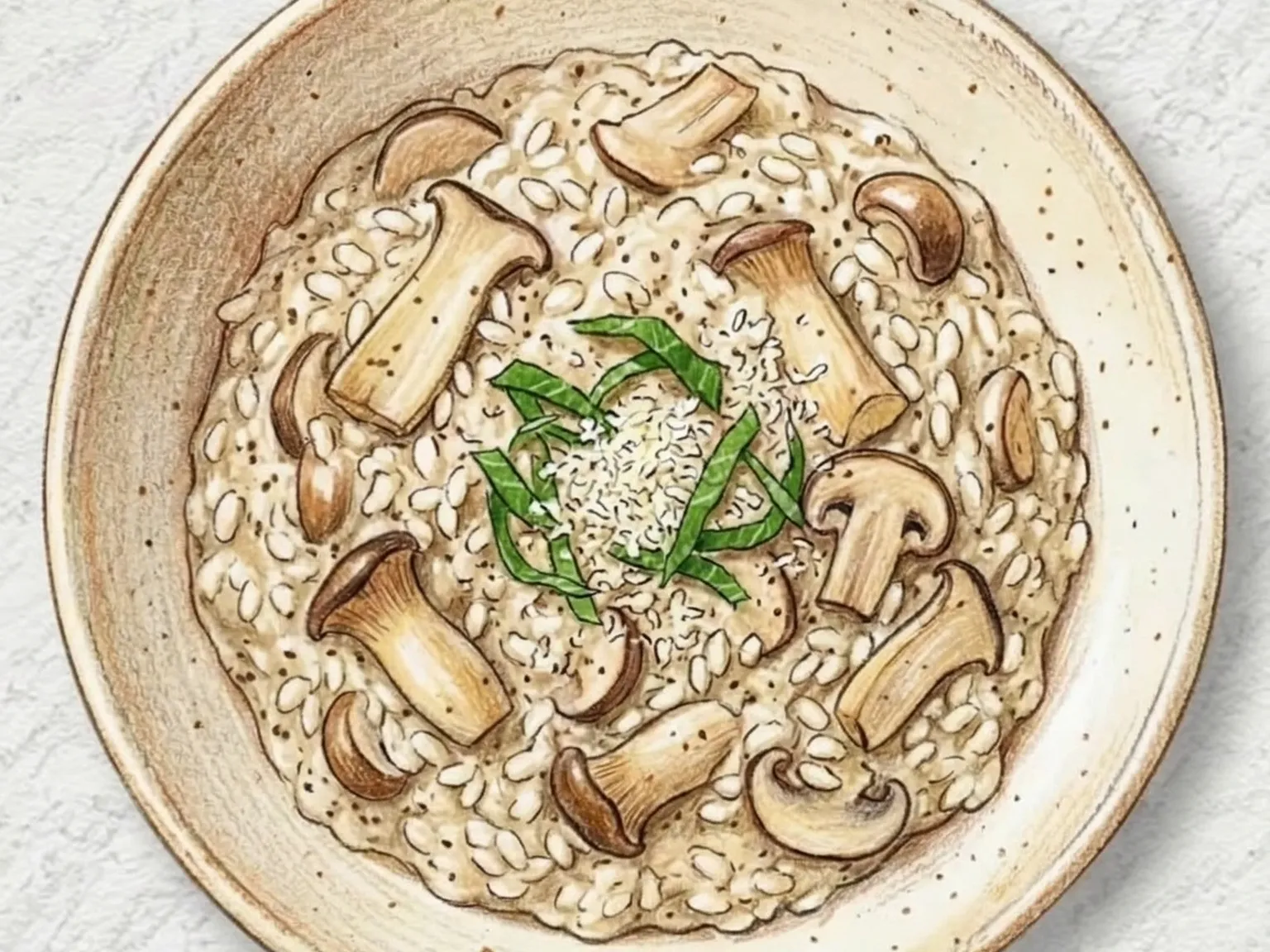
Mushroom risotto cooks unwashed arborio rice in olive oil and butter to activate the surface starch, then adds warm chicken stock one ladle at a time over 18 to 20 minutes of continuous stirring. Not rinsing the rice is essential - the starch released during cooking is what creates the signature creamy consistency without any cream. The mushrooms are sauteed on high heat until their moisture evaporates and they develop a deep brown color, which concentrates the earthy aroma. White wine is added to the toasted rice and stirred until absorbed, leaving behind a subtle acidity once the alcohol cooks off. Finishing off the heat with cold butter and grated Parmesan - a step called mantecatura - gives the risotto its glossy, velvety texture.

Zuppa Toscana (Hearty creamy soup with sausage)
Zuppa Toscana is a hearty creamy soup with sausage, potatoes, and kale, delivering rich comfort flavor in every spoonful.

Pesto Genovese Pasta
Pesto Genovese pasta originates from Genoa in the Ligurian coast of Italy, where fresh basil leaves are ground with pine nuts, garlic, Parmesan cheese, and extra virgin olive oil to create an uncooked sauce. Basil oxidizes and darkens quickly when exposed to heat, so the pesto must be prepared either in a mortar and pestle or pulsed briefly in a food processor to avoid raising the temperature. Toasting the pine nuts in a dry pan before grinding intensifies their nutty flavor, and the olive oil must be extra virgin to contribute the grassy, fruity notes that complement the basil. When tossing the pesto with hot pasta, a splash of starchy pasta water emulsifies the sauce and helps it coat every strand evenly. The sauce should be warmed only by the residual heat of the pasta - direct heat would dull the vivid green color and diminish the fresh herbal aroma.

Ribollita (Tuscan Bread and Bean Soup)
Ribollita is a traditional Tuscan soup that sautees cannellini beans, cabbage, carrot, tomato, celery, and onion in olive oil, simmers them in vegetable stock, and thickens the pot by tearing in stale baguette near the end of cooking. The name itself means 're-boiled,' reflecting its origin as leftover soup reheated with bread. Starch from the beans and the bread's absorption of broth create a hearty body without any roux or cream. The cabbage grows sweeter the longer it simmers, and a finishing drizzle of olive oil adds richness to the otherwise lean vegetable base. Reheating the next day allows the flavors to meld further, which is why this soup traditionally tastes better on the second day.

Penne alla Vodka
Penne alla vodka combines tomato puree, heavy cream, and a splash of vodka into a smooth, coral-colored sauce. The vodka helps release flavor compounds in the tomato that are not soluble in water or fat alone, then cooks off to leave only a subtle warmth. Butter-softened onions and a pinch of chili flakes round out the base before cream is stirred in on low heat. The tubular shape of penne catches the thick sauce inside each piece.

Pasta alla Norma (Sicilian Fried Eggplant Tomato Pasta)
Pasta alla Norma originates from Catania in Sicily and combines fried eggplant cubes with a simple tomato passata sauce. Salting the eggplant beforehand draws out moisture and bitterness, resulting in firmer pieces that absorb less oil during cooking. Garlic provides aromatic depth, while fresh basil added off-heat preserves its fragrance. The dish is named after Vincenzo Bellini's opera Norma, a tribute to its status as a Sicilian culinary masterpiece.