Charim

2686 Korean & World Recipes

2686+ Korean recipes, clean and organized. Ingredients to instructions, all at a glance.

Korean Soy-Braised Whole Garlic

Korean Soy-Braised Whole Garlic

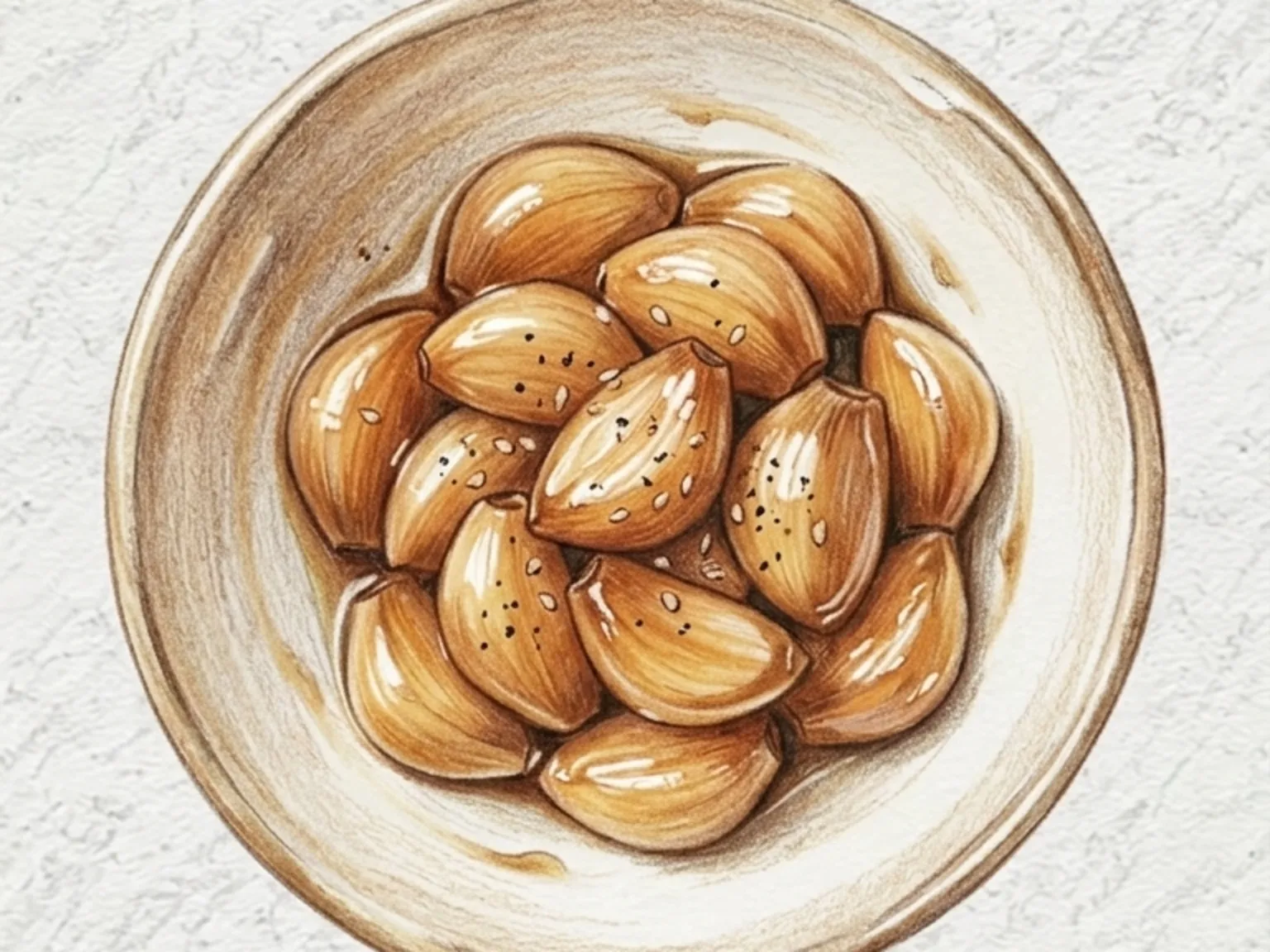
Peeled whole garlic cloves are simmered in a mixture of soy sauce and corn syrup until they turn glossy and deeply seasoned throughout. Raw garlic's sharp, pungent bite mellows completely during the slow braising, transforming into a gentle sweetness that merges with the soy sauce's salinity. The corn syrup reduces alongside the soy sauce, forming a lacquer-like glaze that clings to each clove and catches the light. Low heat is essential: cooking too fast browns the exterior while leaving the core hard and under-seasoned. With patience, the garlic softens to a texture resembling a roasted potato, yielding easily when pressed with chopsticks yet holding its shape on the plate. A final drizzle of sesame oil seals the surface with a warm, nutty aroma that completes the balance of salty, sweet, and rich. The finished jorim keeps well under refrigeration for over a week, making it a practical banchan to prepare in advance.

Prep 10min Cook 25min 4 servings

Adjust Servings

2servings
servings

Instructions

  1. 1

    Rinse peeled garlic cloves and drain.

  2. 2

    Combine garlic, soy sauce, sugar, and water in a pot; bring to a boil.

  3. 3

    Reduce to medium-low and simmer for 20 minutes.

  4. 4

    Add corn syrup and simmer on low for 3-5 minutes until glossy.

  5. 5

    Drizzle sesame oil to finish.

🛒Shop Ingredients on Amazon

As an Amazon Associate, we may earn from qualifying purchases.

Tips

Use enough water to fully submerge garlic for even braising.
Keeps well in the fridge for 1-2 weeks.

Nutrition (per serving)

Calories
100
kcal
Protein
3
g
Carbs
20
g
Fat
1
g

More Recipes

Korean Soy-Braised Baby Potatoes
SteamedEasy

Korean Soy-Braised Baby Potatoes

Algamja ganjang-jorim - soy-braised baby potatoes - is a Korean banchan that has been part of home cooking for generations, relying on the simplest pantry staples: soy sauce, sugar, garlic, and a handful of small potatoes. The baby potatoes are parboiled whole, then simmered in a sweetened soy mixture that reduces into a thick, lacquer-like glaze. As the liquid evaporates, each potato develops a glossy, dark amber coating while the interior stays starchy and yielding. The key is keeping the heat low enough that the potatoes do not break apart as the sauce thickens - constant gentle stirring replaces the lid. A finish of sesame oil and sesame seeds adds a roasted nuttiness. This banchan improves after resting in the refrigerator overnight, as the soy glaze continues to penetrate, and it keeps well for nearly a week.

🏠 Everyday🎉 Special Occasion
Prep 15minCook 30min4 servings
Korean Garlic Scape Anchovy Braise
SteamedEasy

Korean Garlic Scape Anchovy Braise

Maneuljjong-myeolchi-jorim is a Korean side dish of garlic scapes and small dried anchovies glazed in soy sauce, oligosaccharide syrup, and sesame oil. The anchovies develop a sweet-salty coating over their crispy base, and the garlic scapes, cut into bite-sized pieces, provide a crunchy contrast with a mild sharpness. The syrup gives a restrained sweetness and a visible gloss to every piece, while sesame oil ties the dish together with its nutty finish. This banchan stores for over a week in the refrigerator, making it especially useful for packing lunches throughout the week.

🏠 Everyday🎉 Special Occasion
Prep 15minCook 18min4 servings
Korean Soy Braised Konjac
Side dishesEasy

Korean Soy Braised Konjac

Konjac - a firm, translucent jelly made from the konjac yam - is nearly calorie-free yet delivers a satisfying chew, making gonnyak-jorim a popular banchan for diet-conscious Korean lunchboxes. The konjac must be blanched for two minutes first to remove its characteristic lime-water odor. After draining and dry-toasting in a pan to drive off additional moisture, the pieces simmer in soy sauce, rice syrup, gochugaru, and garlic until a sticky glaze forms. Scoring the surface in a crosshatch pattern before cooking allows the sauce to pool in the grooves, ensuring flavor reaches into what would otherwise be a bland substrate. The finished pieces are chewy and well-seasoned with a sweet-salty-spicy coating.

🥗 Light & Healthy🏠 Everyday
Prep 10minCook 20min4 servings
Korean Braised Burdock Root
Side dishesEasy

Korean Braised Burdock Root

Julienned burdock root is simmered in soy sauce, sugar, and corn syrup with enough water to submerge the strips, then reduced slowly until the liquid thickens into a concentrated glaze. Unlike stir-fried burdock, this braised version cooks under a lid at moderate heat, giving the tough fibers time to soften while retaining a pleasantly chewy core. Soy sauce penetrates deep into the root during the extended simmer, establishing a salty foundation that the corn syrup then balances with a mellow sweetness. As the braising liquid reduces, the sugars begin to caramelize, darkening the color and adding a layer of complexity to burdock's naturally earthy, woody flavor. The dish is done when nearly all the liquid has evaporated and each strip glistens with a thick, lacquered coating. Vinegar added at the start prevents the burdock from discoloring and contributes a faint tartness that keeps the sweetness in check. Stored in a sealed container, the jorim remains good in the refrigerator for close to ten days.

🏠 Everyday🍱 Lunchbox
Prep 15minCook 20min4 servings
Korean Braised Potatoes (Soy-Glazed Braised Potato Banchan)
Side dishesEasy

Korean Braised Potatoes (Soy-Glazed Braised Potato Banchan)

Gamja-jorim - soy-braised potatoes - is among the top five most frequently made banchan in Korean households, alongside kimchi, kongnamul, and gyeran-mari. Small potatoes are parboiled whole until just fork-tender, then transferred to a mixture of soy sauce, sugar, rice syrup, garlic, and water. The braising happens over medium-low heat for fifteen minutes with the lid off, allowing the sauce to reduce gradually into a thick, syrupy glaze. Constant gentle stirring prevents the soft potatoes from sticking or breaking apart. As the liquid evaporates, each potato develops a dark amber, lacquered surface while the interior remains starchy and yielding. The taste is straightforwardly sweet-salty with a garlic undertone - comfort food in its most elemental form. Korean mothers often make a large batch on weekends, refrigerating it to serve cold throughout the week. The dish improves overnight as the glaze continues to penetrate the potato's interior.

🏠 Everyday🍱 Lunchbox
Prep 10minCook 20min4 servings
Korean Soy-Braised Black Beans
SteamedMedium

Korean Soy-Braised Black Beans

Kongjaban is a traditional Korean side dish of black soybeans slowly braised in soy sauce, sugar, and corn syrup over low heat. The beans gradually absorb the seasoning, developing a glossy black sheen on the outside while the inside turns chewy with a concentrated nuttiness. Soy sauce and sugar create a sweet-salty balance that makes this banchan quietly addictive, and a final touch of sesame oil adds aroma. Stored in the refrigerator, kongjaban keeps for over two weeks, which is why it remains one of the most commonly prepared staple side dishes in Korean households.

🏠 Everyday🎉 Special Occasion
Prep 480minCook 35min4 servings
More Side dishes →