Charim

2686 Korean & World Recipes

2686+ Korean recipes, clean and organized. Ingredients to instructions, all at a glance.

Korean Stir-Fried Taro Stems

Korean Stir-Fried Taro Stems

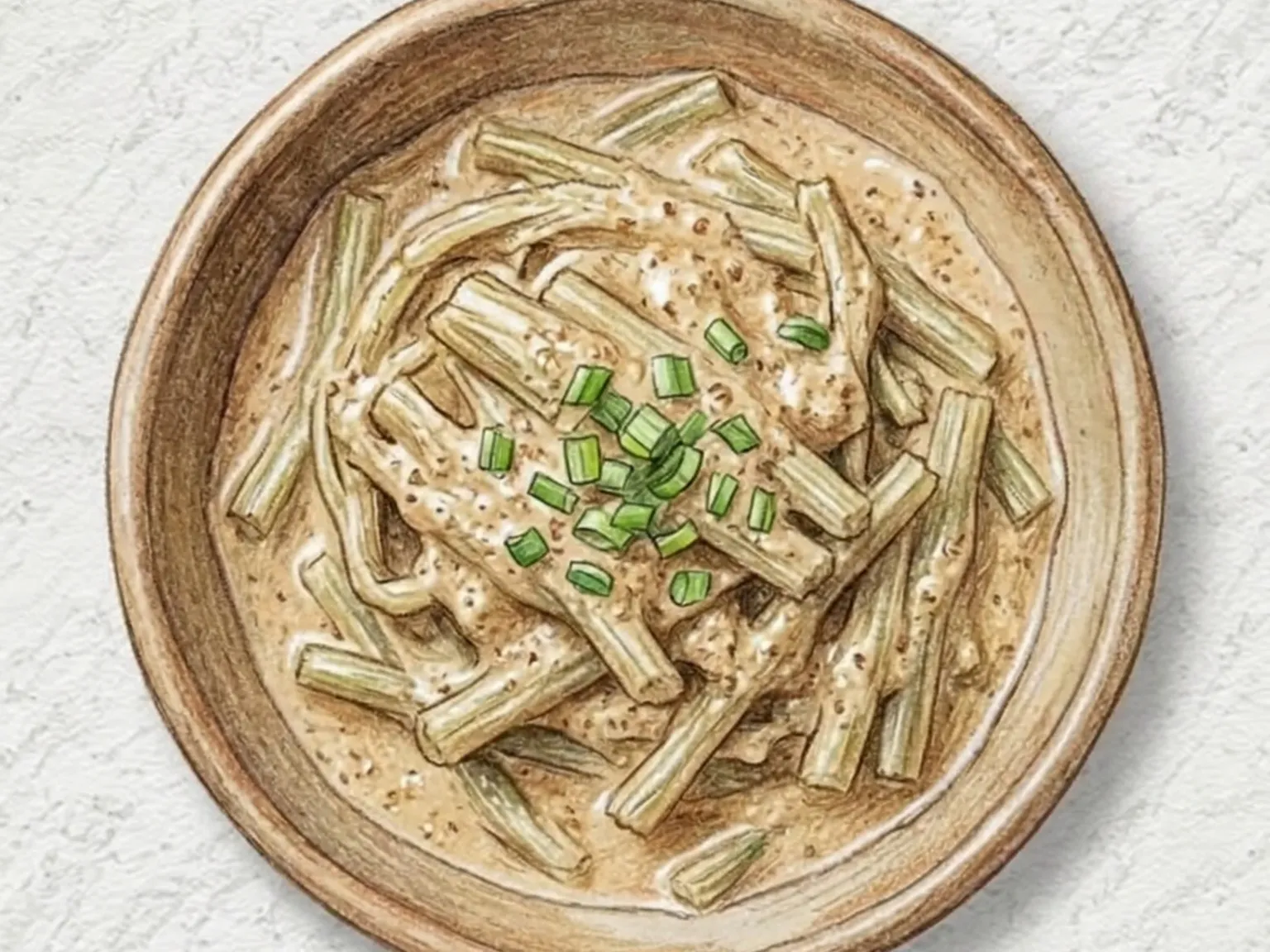
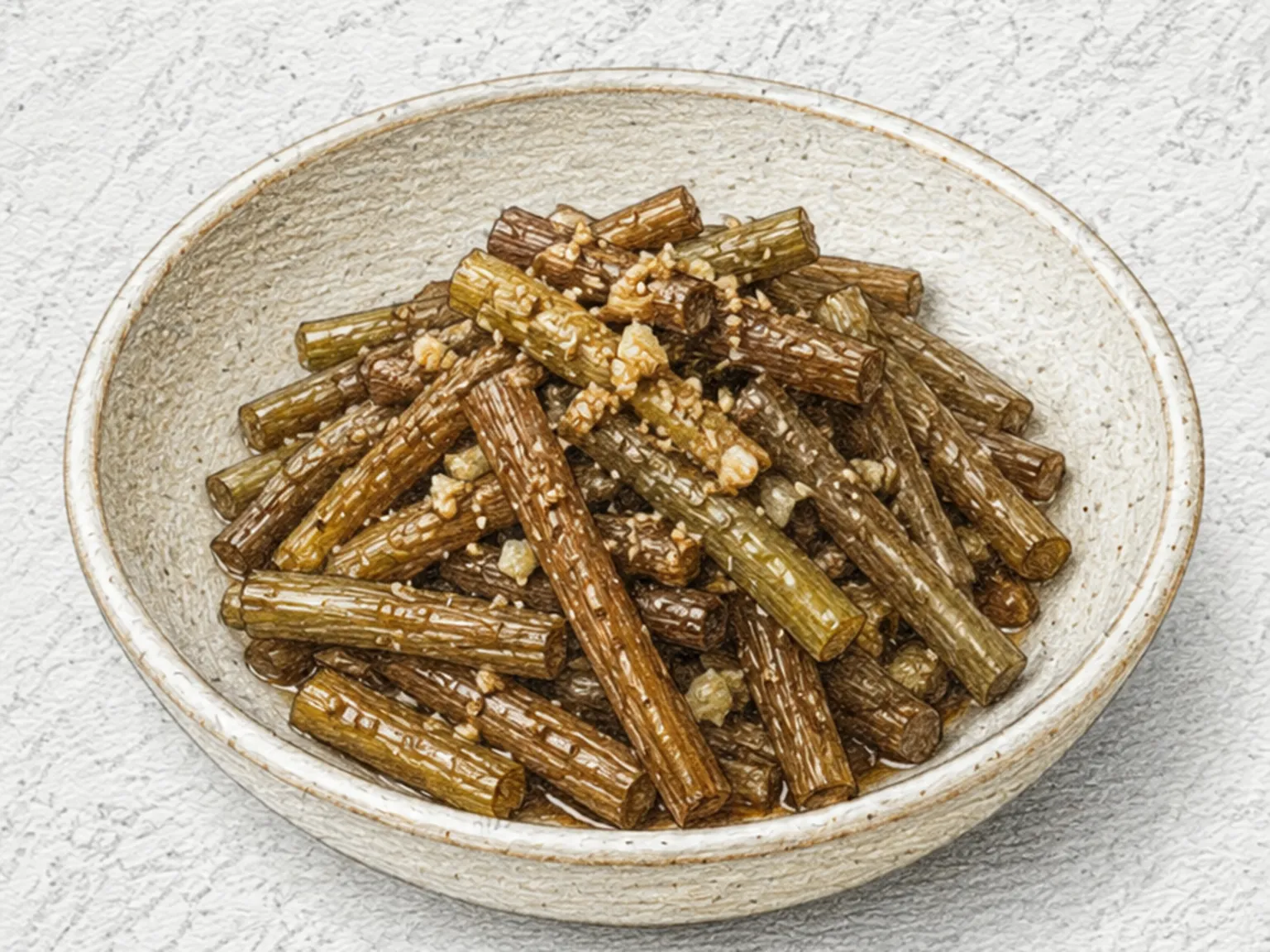
Boiled taro stems are stir-fried in perilla oil with soy sauce and garlic to create a banchan prized for its uniquely chewy texture. Dried taro stems, once soaked and simmered, lose their rawness but retain a springy, almost rubbery bite along the center of each stalk, setting them apart from softer namul greens. Stir-frying in perilla oil first builds a nutty base note, and soy sauce with minced garlic layers savory depth onto the stems' neutral flavor. A splash of stock added mid-cook allows the seasoning to penetrate the fibrous interior during a brief simmer. Sliced green onion introduces a fresh aromatic accent, and a finishing spoonful of ground perilla seeds dissolves into the residual moisture, creating a creamy coating that clings to each piece. Mixed into a bowl of steamed rice, the chewy stems provide satisfying resistance with every bite, and their mild character lets them complement bolder dishes like doenjang jjigae without competing for attention.

Prep 15minCook 12min4 servings

Adjust Servings

2servings
servings

Instructions

  1. 1

    Cut taro stems into bite-size lengths and prep onion and green onion.

  2. 2

    Heat perilla oil and gently saute garlic over low heat.

  3. 3

    Add taro stems and onion, then stir-fry for 2 minutes.

  4. 4

    Add soy sauce and water, then simmer over medium heat for 5 minutes.

  5. 5

    Stir in ground perilla and green onion, then cook 1 more minute.

🛒Shop Ingredients on Amazon

As an Amazon Associate, we may earn from qualifying purchases.

Tips

Boil taro stems thoroughly to remove harshness.
Add perilla powder at the end to keep its nutty aroma.

Nutrition (per serving)

Calories
112
kcal
Protein
3
g
Carbs
10
g
Fat
7
g

More Recipes

Korean Stir-fried Butterbur Stems
Side dishesMedium

Korean Stir-fried Butterbur Stems

Meowi-namul-bokkeum stir-fries boiled butterbur stems in perilla oil, adding a cooking step that distinguishes it from the cold-dressed muchim version. While the muchim blanches and seasons immediately, the bokkeum takes the boiled stems into a pan with soup soy sauce and water for five minutes or more, driving the seasoning deep into the plant fibers. This additional heat also volatilizes more of the butterbur's bitter compounds, producing a milder taste than the cold preparation. Perilla oil, though more oxidation-prone than sesame oil, is the traditional choice because its earthy aroma complements the herb's grassy character. Adding perilla seed powder in the last minute causes its starch to partially gelatinize, giving the sauce a thicker body - but leaving it on heat too long makes the dish chalky. This banchan appears on spring mountain-village tables alongside gondeure-namul and chwinamul as part of the seasonal wild greens trio.

🏠 Everyday🍱 Lunchbox
Prep 18minCook 12min4 servings
Korean Stir-fried Bracken Fern
Stir-fryMedium

Korean Stir-fried Bracken Fern

Gosari-bokkeum is a classic Korean side dish of rehydrated bracken fern stir-fried with soy sauce, minced garlic, and perilla oil. The fern absorbs the nutty perilla aroma during cooking, while soy sauce layers in a deep, earthy savoriness. Its texture stays tender with a slight bite, making it easy to eat alongside other dishes. Gosari-bokkeum is a staple component of bibimbap and appears on nearly every Korean holiday table as one of the essential namul dishes.

🏠 Everyday🎉 Special Occasion
Prep 12minCook 10min2 servings
Stir-fried Korean Radish Namul
Side dishesEasy

Stir-fried Korean Radish Namul

Mu-namul-bokkeum is a foundational Korean namul made by stir-frying julienned daikon radish in perilla oil until the root's natural sweetness emerges. Cutting the radish into matchstick-sized strips and salting for five minutes draws out excess moisture, which is essential - without this step, the pan steams rather than sears, and the namul turns watery. Garlic goes into the perilla oil first to build an aromatic base, then the radish strips are tossed over medium heat for three to four minutes. During this process, heat converts the radish's starch into sugars, replacing the raw pungency with a mellow sweetness. Soup soy sauce seasons without muddying the color the way regular soy sauce would. A brief two-minute rest with the lid on finishes softening the radish while keeping moisture in check. This namul serves as one of the five-color toppings in bibimbap and is a required dish on ancestral rite tables (jesa). A final sprinkle of sesame seeds adds a toasted nuttiness.

🏠 Everyday🍱 Lunchbox
Prep 10minCook 12min4 servings
Korean Stir-Fried Eggplant Banchan
Side dishesEasy

Korean Stir-Fried Eggplant Banchan

Gaji bokkeum transforms eggplant - a vegetable Koreans have cultivated since the Goryeo period - into a quick, oil-glazed banchan where the cooking speed matters as much as the seasoning. The eggplant is sliced into half-moons, and the pan must be scorching hot before the pieces enter; any hesitation and the eggplant will steam rather than sear, turning it into a soggy mass. High heat with minimal oil produces lightly charred edges while the interior turns silky and almost custardy. Soy sauce, garlic, and sesame oil go in during the final thirty seconds, sizzling against the hot surface and coating each piece in a thin, caramelized layer. The dish has a concentrated, clean umami taste without the heaviness of a braised preparation. Korean home cooks make this as a weeknight banchan precisely because it takes under ten minutes from cutting board to table.

🏠 Everyday🍱 Lunchbox
Prep 10minCook 7min4 servings
Korean Stir-Fried Kimchi (Caramelized Aged Kimchi Banchan)
Side dishesEasy

Korean Stir-Fried Kimchi (Caramelized Aged Kimchi Banchan)

Kimchi-bokkeum is the default way Korean households use up kimchi that has fermented past its fresh prime. Stir-frying tempers the sharp lactic acidity that over-ripe kimchi develops - the heat transforms the sourness into something mellower, sweeter, and more rounded. Onion goes in first and cooks until translucent, laying a sweet foundation before the kimchi and garlic join. Medium heat is essential: it drives off moisture gradually, yielding a thick, concentrated sauce rather than a watery stew. A small addition of gochugaru brightens the color, and a pinch of sugar balances the fermented tang. One tablespoon of kimchi brine amplifies the umami from the lactobacillus culture itself. The finished banchan is versatile enough to eat straight over rice, fold into fried rice, or pile on top of ramyeon.

🏠 Everyday🍱 Lunchbox
Prep 8minCook 10min4 servings
Korean Taro Stem Stir-fry with Perilla Powder
Stir-fryMedium

Korean Taro Stem Stir-fry with Perilla Powder

Torandae-deulkkae-bokkeum is a traditional Korean side dish of boiled taro stems stir-fried in perilla oil and thickened with ground perilla seeds. The taro stems have a tender texture with a subtle fibrous chew, and the perilla powder absorbs the simmering liquid of soup soy sauce and water to form a creamy coating. Double use of perilla - both the oil and ground seeds - builds a pronounced nutty aroma throughout the dish. It is a seasonal home-style banchan that highlights the taro stem's distinctive slippery mouthfeel paired with rich perilla depth.

🏠 Everyday🍱 Lunchbox
Prep 20minCook 12min4 servings
More Side dishes