Korean Taro Stem Perilla Steam
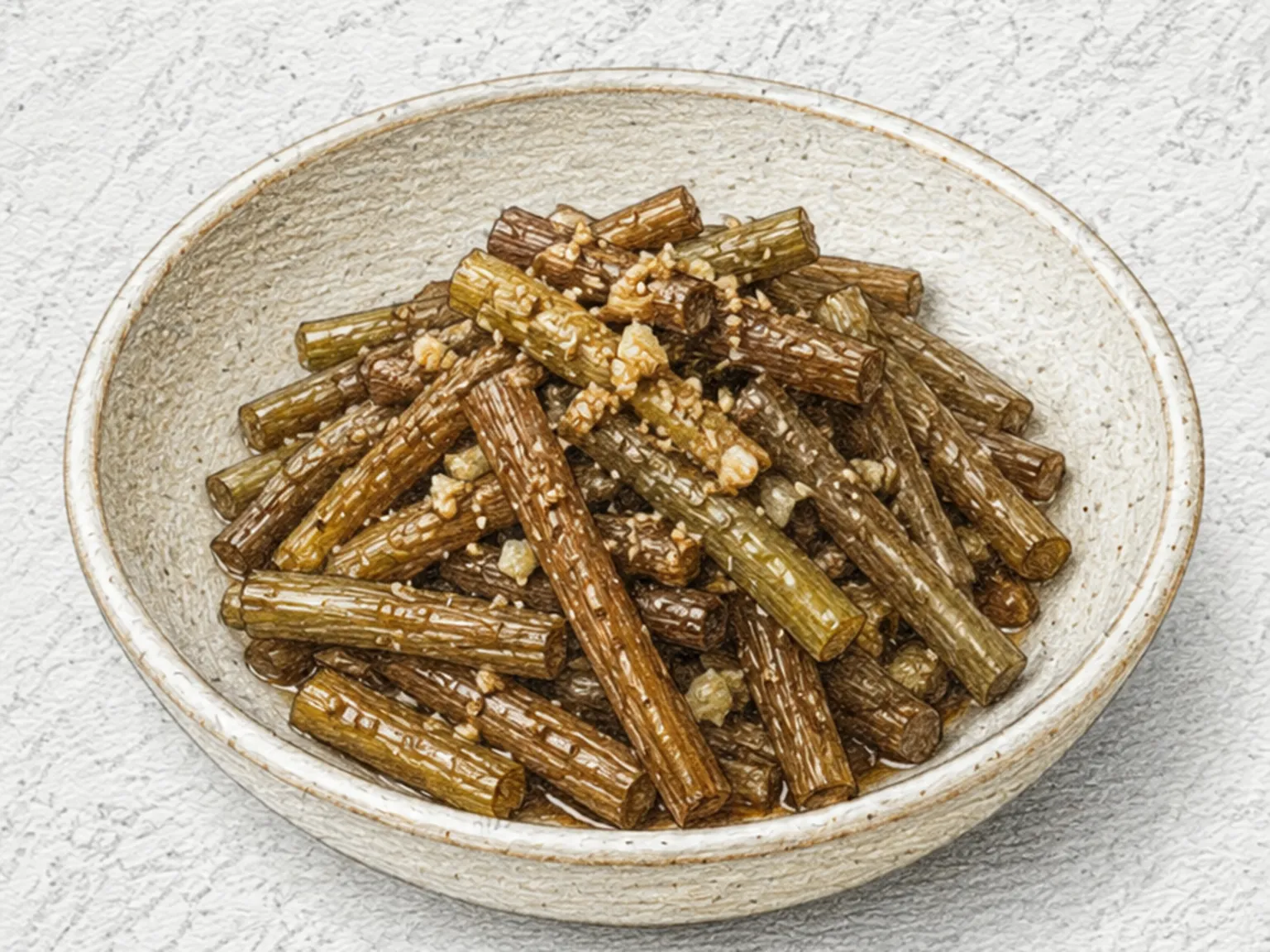
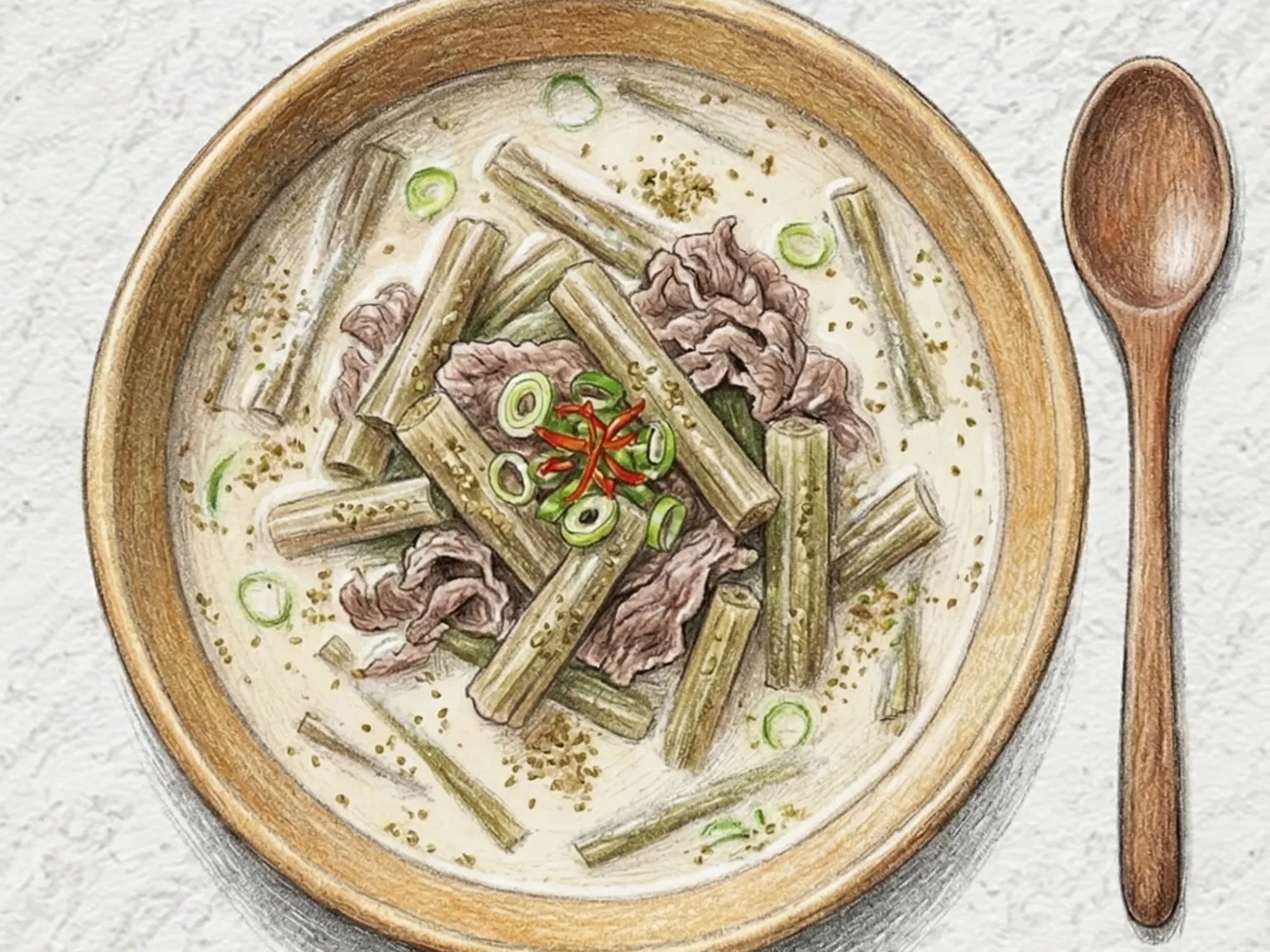
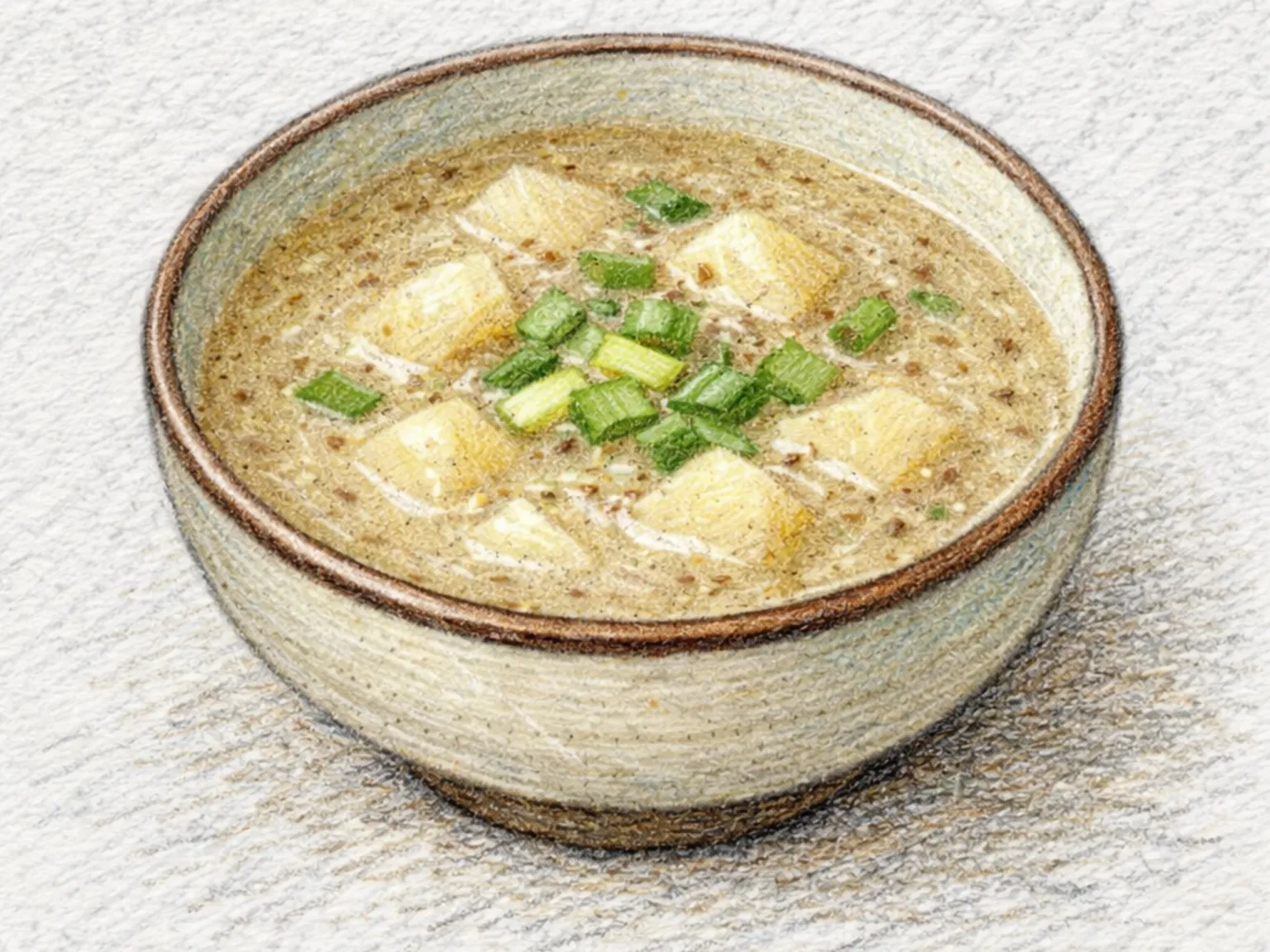
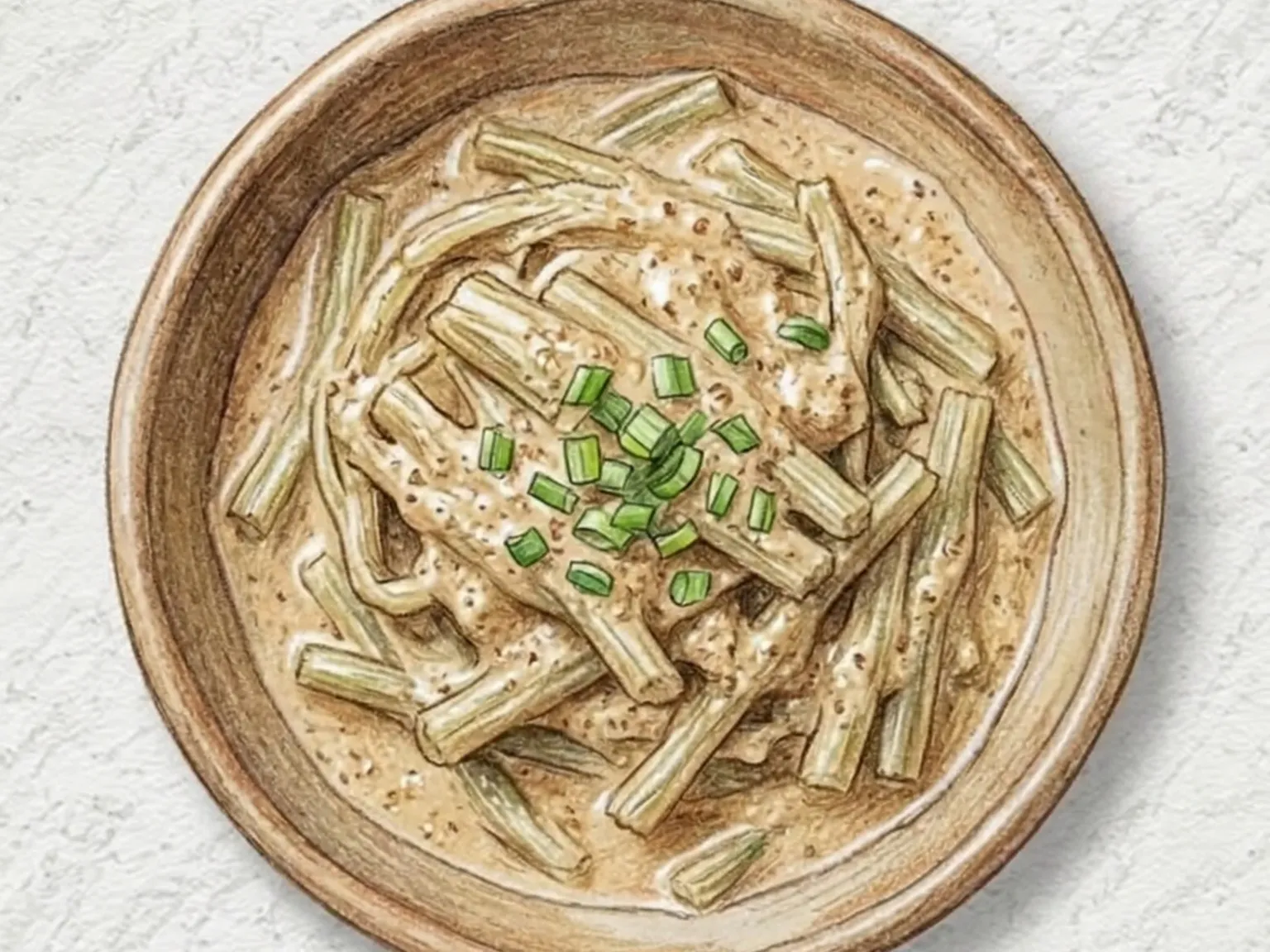
Torandae deulkkae jjim is a rustic Korean dish of boiled taro stems braised with soup soy sauce and ground perilla seeds. The stems are first stir-fried in perilla oil to drive off any lingering sharpness, then simmered covered until their fibers soften and absorb the seasoning. Ground perilla added near the end thickens the liquid into a creamy consistency and fills the dish with a roasted, nutty aroma. Green onion provides a fresh finish. Though fully plant-based and made from simple pantry staples, the combination of perilla and soy produces an earthy depth that makes a satisfying accompaniment to a bowl of rice.
Adjust Servings
Instructions
- 1
Cut taro stems into bite-size lengths and gently squeeze excess moisture.
- 2
Heat perilla oil and saute onion with garlic over low heat until aromatic.
- 3
Add taro stems and soup soy sauce, stir-frying for 2 minutes.
- 4
Pour in water, cover, and simmer over medium heat for 15 minutes.
- 5
Stir in ground perilla and gently reduce for another 8 minutes on low heat.
- 6
Finish with green onion and cook for 1 more minute.
As an Amazon Associate, we may earn from qualifying purchases.
Tips
Nutrition (per serving)
Goes Well With

Korean Beef & Shiitake Japchae
Japchae originated as a Joseon royal court dish of stir-fried vegetables before sweet potato glass noodles were added to create the form recognized today. This version pairs glass noodles with soy-marinated beef and sliced shiitake mushrooms. Each component cooks separately: beef and mushrooms stir-fried with garlic, spinach blanched and squeezed dry, carrots and onions sauteed until just tender. A final toss with sesame oil brings everything together. The noodles should be translucent and springy, carrying a sweet-salty soy glaze into each forkful. A standard presence on every Korean holiday table at Chuseok, Seollal, and birthday celebrations alike.

Korean Bitter Herb Kimchi
Sseumbagwi kimchi is a traditional spring fermented side dish made from sseumbagwi, a wild bitter herb that grows in Korea during early spring. The herb is soaked in cold water for at least twenty minutes to pull back its pronounced bitterness before being salted to soften the stalks. It is then dressed in a seasoning paste built from gochugaru, sand lance fish sauce, minced garlic, ginger, sweet rice paste, and plum syrup, mixed together with cut scallions. The rice paste adds body to the seasoning so it clings to the herb's thin stems and narrow leaves rather than sliding off. Plum syrup works on both the bitterness and the salt's edge at once, smoothing the overall profile without masking the herb's character. Sand lance fish sauce is preferred over anchovy sauce here because its gentler aroma does not compete with the plant's natural flavor. Five hours of room-temperature fermentation followed by refrigeration sets off lactic acid development, layering tangy depth over the bitter-green base. The flavor peaks around day three when bitterness, acidity, and umami reach the best balance. If the raw herb tastes too sharp, one additional soak in fresh cold water brings it within range before seasoning.

Jangeo-tang (Spicy Freshwater Eel Soup)
Jangeo-tang is a nourishing Korean eel soup in which freshwater eel is boiled, deboned, and simmered in a seasoning base of doenjang and gochugaru. Dried radish greens (sirae-gi) are added to the pot for an earthy, faintly bitter depth that grounds the overall richness. Garlic and green onion work against any fishiness, leaving behind the clean, fatty character of the eel itself. What distinguishes this broth from a straightforward spicy soup is the interaction between the fermented weight of doenjang, the direct heat of gochugaru, and the rendered fat of the eel: the three together produce a complexity that neither doenjang nor chili achieves alone. The eel meat holds its grain even with extended cooking, remaining tender without falling apart. Rich in protein and unsaturated fats, this soup has long been categorized as a stamina-restoring food in Korean culinary tradition, consumed during the three hottest periods of summer or whenever the body needs rebuilding. Sliced green chili or perilla seed powder can be stirred in to shift the broth's profile.

Korean Lotus Root Shiitake Pot Rice
This pot rice combines lotus root and shiitake mushroom, each contributing a different texture to the same pot. Lotus root stays crisp while shiitake offers a chewy bite, keeping the rice from being monotone. The grains are lightly coated in perilla oil before water is added, which gives them a glossy finish and nutty undertone. A soy sauce mix with chopped scallions and sesame seeds is stirred in at the table for a salty, aromatic contrast. Diced carrot adds subtle sweetness and color.
More Recipes

Korean Taro Stem Stir-fry with Perilla Powder
Torandae-deulkkae-bokkeum is a traditional Korean side dish of boiled taro stems stir-fried in perilla oil and thickened with ground perilla seeds. The taro stems have a tender texture with a subtle fibrous chew, and the perilla powder absorbs the simmering liquid of soup soy sauce and water to form a creamy coating. Double use of perilla - both the oil and ground seeds - builds a pronounced nutty aroma throughout the dish. It is a seasonal home-style banchan that highlights the taro stem's distinctive slippery mouthfeel paired with rich perilla depth.

Korean Braised Radish Greens
Siraegi jjim is a traditional Korean side dish of blanched dried radish greens braised with soybean paste, ground perilla seeds, and soup soy sauce in anchovy stock. The greens are first seasoned by hand, then stir-fried in perilla oil to develop aroma before the stock is poured in. Simmering melds the salty depth of doenjang with the creamy nuttiness of perilla into every fiber of the greens. Adding the perilla powder in the final stage rather than at the start prevents a chalky, starchy texture and keeps its fragrance intact. Blanching the greens thoroughly first is important because the tough fibers need time to soften, and squeezing out the water after blanching allows the seasoning to penetrate evenly. Though made from humble ingredients, the combination of fermented paste and roasted seeds produces an earthy richness that suits any season.

Korean Steamed Perilla Leaves
Kkaennip-jjim is a Korean banchan made by stacking perilla leaves one by one with a soy sauce, gochugaru, and garlic seasoning between each layer, then gently braising them covered over low heat. As the leaves wilt, they absorb the sauce and release their distinctive herbal aroma, which mingles with the soy's umami into a layered flavor. Sesame oil brushed between the leaves adds a nutty fragrance, while the chili flakes provide a slow-building warmth. Wrapping a spoonful of steamed rice in a single seasoned leaf makes for a complete bite, which is why this dish is considered one of Korea's most reliable everyday side dishes.

Korean Stir-Fried Taro Stems
Boiled taro stems are stir-fried in perilla oil with soy sauce and garlic to create a banchan prized for its uniquely chewy texture. Dried taro stems, once soaked and simmered, lose their rawness but retain a springy, almost rubbery bite along the center of each stalk, setting them apart from softer namul greens. Stir-frying in perilla oil first builds a nutty base note, and soy sauce with minced garlic layers savory depth onto the stems' neutral flavor. A splash of stock added mid-cook allows the seasoning to penetrate the fibrous interior during a brief simmer. Sliced green onion introduces a fresh aromatic accent, and a finishing spoonful of ground perilla seeds dissolves into the residual moisture, creating a creamy coating that clings to each piece. Mixed into a bowl of steamed rice, the chewy stems provide satisfying resistance with every bite, and their mild character lets them complement bolder dishes like doenjang jjigae without competing for attention.

Korean Steamed Thistle Greens with Perilla
Gondre deulkkae jjim is a steamed side dish of blanched thistle greens cooked down with ground perilla seeds, perilla oil, and soup soy sauce. The greens are seasoned with garlic and oil first, then covered and left to steam over low heat so the liquid is slowly absorbed into the fibrous leaves rather than evaporating away. Adding the perilla powder toward the end of cooking, rather than at the beginning, prevents the nutty flavor from turning bitter or chalky from prolonged heat exposure. The soft, absorbent fibers of the thistle greens hold the seasoning exceptionally well, meaning each bite carries a concentrated burst of savory, nutty flavor throughout. Pulling the pan off the heat while a little texture remains in the greens keeps the dish from turning mushy. Green onion cut into rough pieces is added on top at the end, and a final drizzle of perilla oil revives the aroma. The ingredient list is short, but the result is a deeply satisfying dish often piled over hot rice or served as a companion to gondre bibimbap.

Korean Braised Napa Outer Leaves
Ugeoji-jjim is a Korean braised dish of blanched napa cabbage outer leaves cooked gently with doenjang, perilla oil, and garlic under a covered lid. The fibrous leaves absorb the fermented soybean paste deeply as they soften, while perilla oil lays a nutty base throughout the dish. Soup soy sauce adjusts the seasoning so the doenjang's saltiness and the natural sweetness of the greens find a clean balance. Mixed into a bowl of steamed rice, this humble banchan delivers a surprisingly deep, earthy flavor that belies its simplicity.