Treacle Tart (British Golden Syrup Breadcrumb Tart)
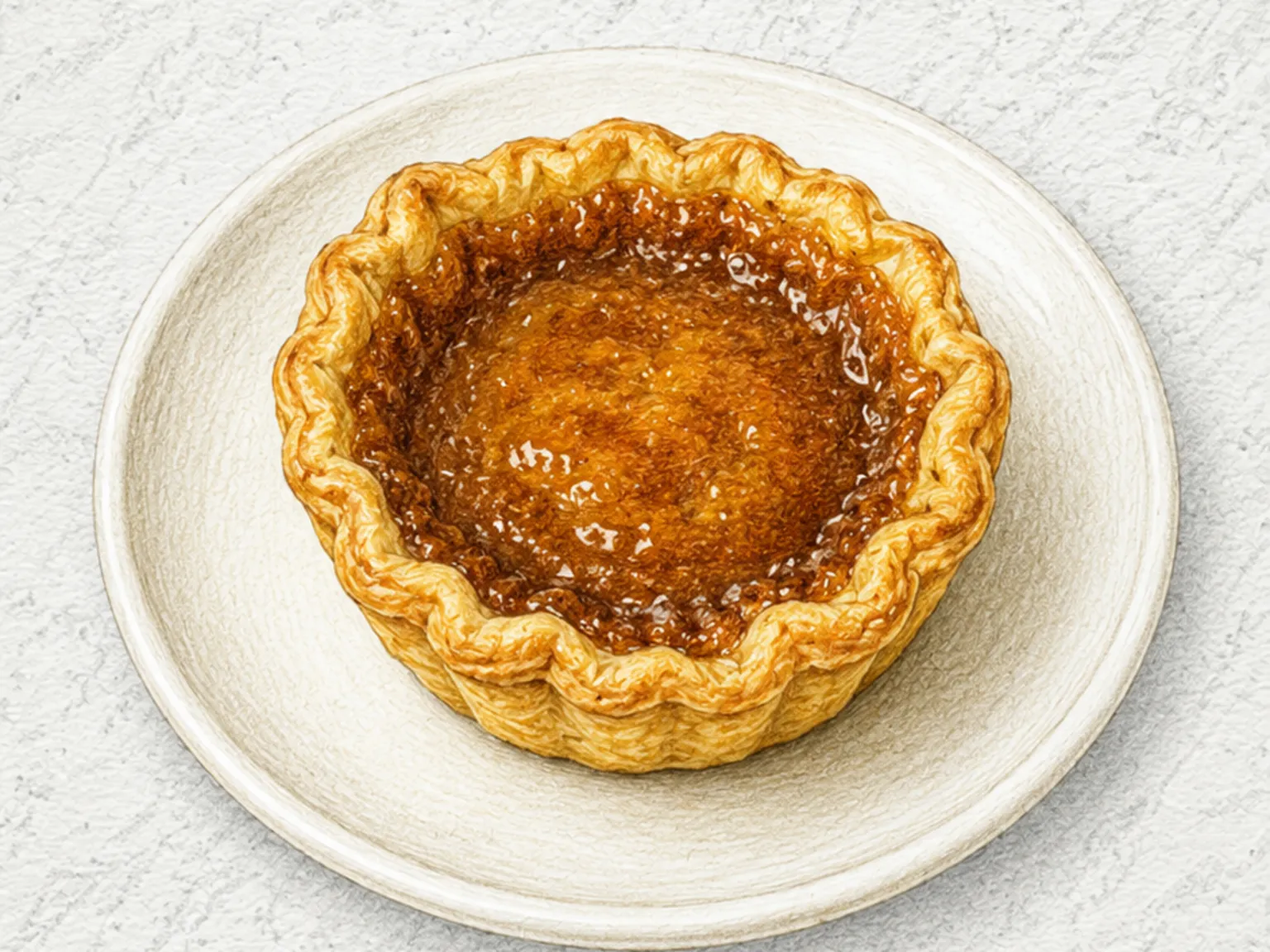
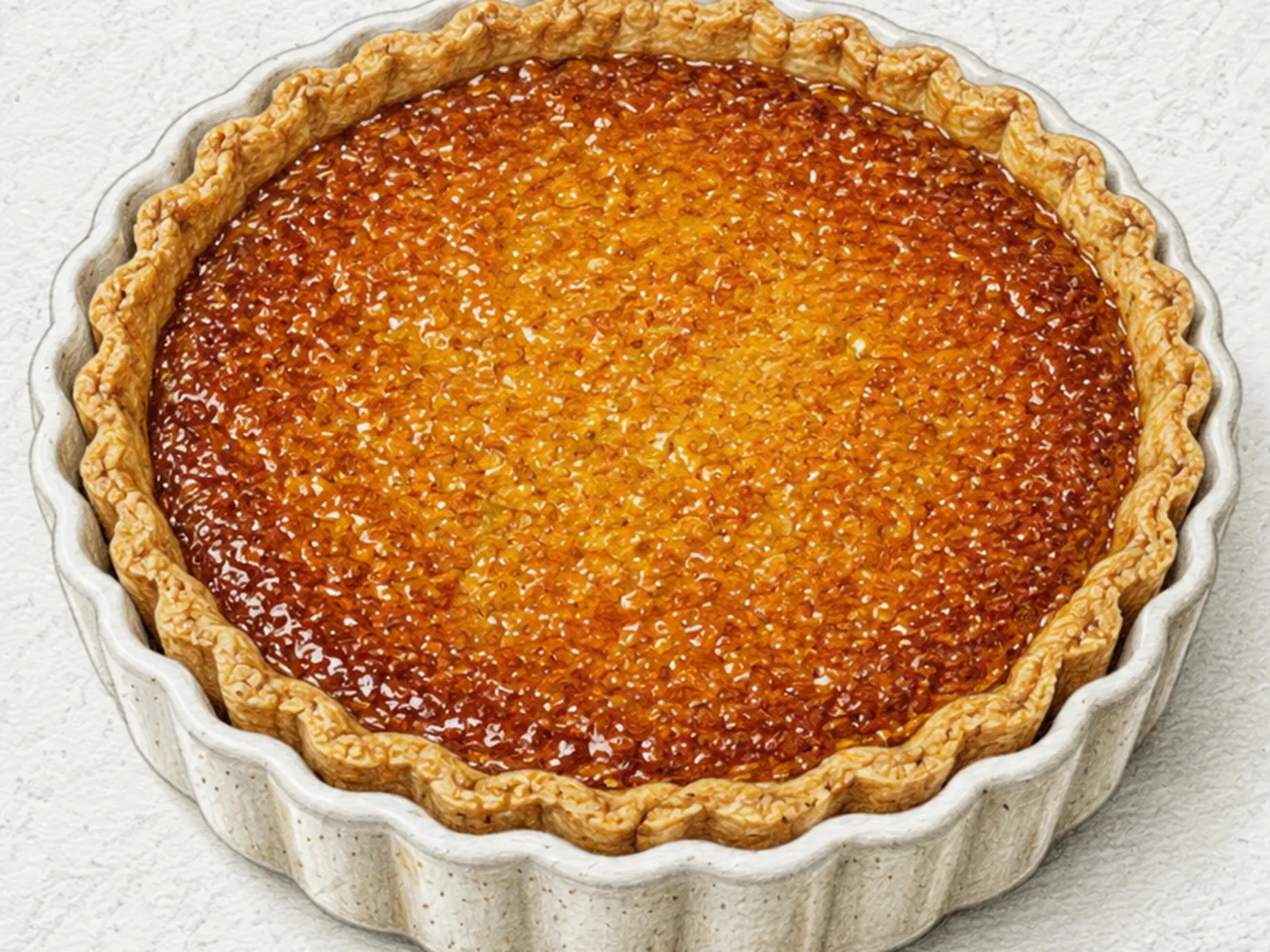
Golden syrup, fresh breadcrumbs, and lemon juice are combined and baked inside a shortcrust pastry shell to create one of Britain's most enduring desserts. The syrup caramelizes gently during baking, developing a deep, toffee-like sweetness, while the breadcrumbs absorb it and give the filling a sticky, dense body. Lemon zest and juice are the essential counterweight - without them, the sweetness would be overwhelming, but their acidity sharpens the syrup into something balanced and compelling. The tart shell benefits from a brief blind bake before filling to keep the base crisp under the wet filling. Breadcrumbs should be coarse rather than fine, preserving a slight texture within the otherwise smooth filling. The tart appears runny when first removed from the oven but firms as it cools, slicing cleanly once at room temperature. An overnight rest allows the flavors to meld and settle, and many consider the tart superior on the second day.
Adjust Servings
Instructions
- 1
Preheat oven to 180C and blind-bake tart shell for 10 minutes.
- 2
Warm golden syrup and butter over low heat.
- 3
Stir in breadcrumbs, lemon zest, and lemon juice until thick.
- 4
Fill the shell and level the surface.
- 5
Bake 25 minutes until lightly golden and cool before slicing.
As an Amazon Associate, we may earn from qualifying purchases.
Tips
Nutrition (per serving)
More Recipes

Blueberry Lemon Scones
Blueberry lemon scones bring together the bright zing of lemon zest and the sweet tartness of fresh blueberries in a buttery, crumbly pastry. Cold butter is cut into flour and the dough is bound with heavy cream, producing scones that crack open with a crisp exterior and a layered, tender interior. Lemon zest is distributed throughout the dough, so every bite opens with a citrus fragrance before giving way to the pop of a blueberry and its rush of sweet-tart juice. Sugar is kept moderate, allowing the fruit and citrus to lead the flavor profile, which also makes these scones a welcoming base for clotted cream or preserves.

Lemon Drizzle Cake (Syrup-Soaked British Lemon Loaf)
A British loaf cake that owes its lasting moisture to a lemon syrup poured over the surface straight from the oven. Creaming butter and sugar thoroughly at the start incorporates air for a lighter crumb, while lemon zest folded into the batter releases its essential oils during baking, filling the kitchen with citrus fragrance. The critical step comes after baking: a hot syrup of freshly squeezed lemon juice and sugar is drizzled over the cake while it is still warm, and the open crumb absorbs the liquid rapidly. As the cake cools, a thin crust of crystallized sugar forms on top, adding a faintly crunchy texture that gives way to the soft, syrup-soaked interior beneath. A skewer test determines doneness; underbaked cake collapses, while overbaked cake lacks the porosity to absorb the syrup fully. Wrapping the cooled cake and leaving it overnight allows the syrup to distribute evenly, deepening both the lemon flavor and the moist texture. It is a staple of the English afternoon tea table, needing no elaborate decoration to impress.

Blueberry Yogurt Scones
Blueberry yogurt scones use plain yogurt in the dough to create a crumb that is noticeably softer and more moist than the standard butter-and-cream version. The yogurt's mild tang permeates the dough, pairing with the butter to leave a clean, rounded finish on the palate. Blueberries partially burst during baking, sending violet-blue streaks through the pale interior and releasing a fragrant, fruity sweetness. The interaction between the baking powder and the yogurt's acidity gives the scones a gentle lift, so the exterior forms a light crust while the inside stays open and tender rather than dense. Sugar is deliberately minimal, letting the blueberries' own sweet-tart flavor do most of the work.

Queen of Puddings (Custard Bread Base with Jam and Meringue)
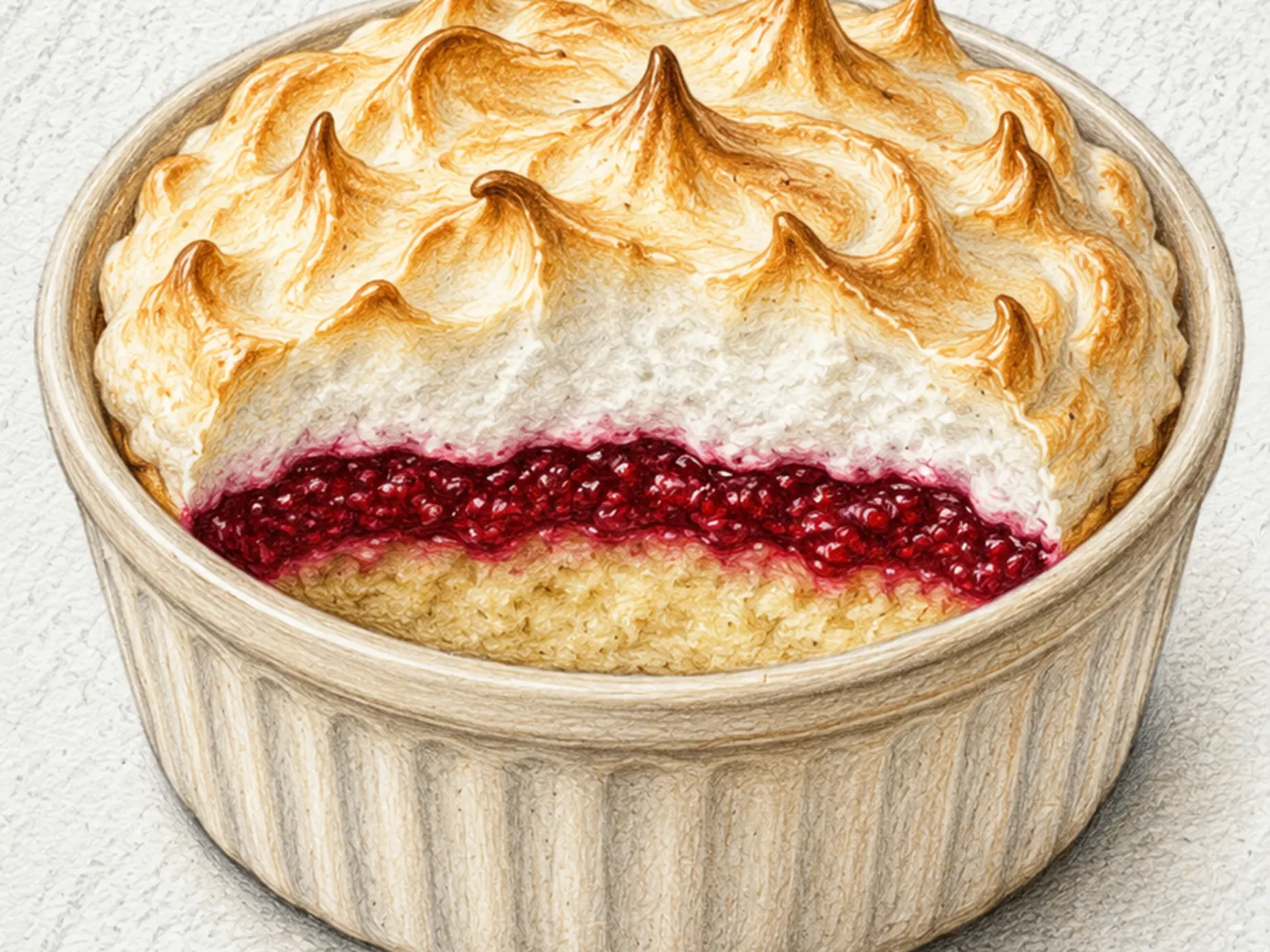
Queen of puddings is a layered British dessert that begins with a base of breadcrumbs soaked in warm vanilla custard and baked until set. A thin layer of raspberry jam is spread over the surface, introducing a tart brightness that cuts through the richness below. Meringue made from the reserved egg whites is then piled on top and returned to the oven until the peaks turn golden, creating a shell that is crisp on the outside yet marshmallow-soft within. Each spoonful should capture all three layers - the dense, creamy custard base, the sharp fruit jam, and the airy meringue - so that the flavors interact on the palate simultaneously. The recipe wastes nothing: yolks enrich the custard while whites become the meringue, a practical economy that reflects its origins in frugal English country kitchens. Served warm, the custard feels almost like a savory bread pudding dressed in dessert clothing; chilled, the jam asserts itself more prominently, and the meringue firms to a gentle chew.

Crispy Pork Belly Roast
Crispy Pork Belly Roast is a British oven roast focused on achieving a perfectly shattered crackling atop tender, slow-rendered meat. The skin is scored in tight parallel lines and rubbed with coarse salt, then left uncovered in the refrigerator overnight to draw out surface moisture - the first condition for crackling that actually cracks. The initial thirty minutes at 230 degrees Celsius or higher blisters the skin and sets its structure, after which the temperature drops to 160 degrees to slowly melt the internal fat layer, leaving the meat soft and the skin glass-crisp. Garlic cloves and rosemary sprigs placed beneath the belly perfume the meat from below as the oven heat circulates. The rendered pan juices are deglazed to make a quick gravy that carries the pork's own flavor. A rest of at least ten minutes before slicing is essential to keep the juices locked inside the meat.

Beef Wellington
Beef Wellington wraps a whole seared tenderloin in a layer of mushroom duxelles and prosciutto, then encases everything in puff pastry before baking. The initial sear locks a flavorful crust onto the beef surface, and the duxelles acts as a moisture barrier between the meat and the pastry, preventing the dough from going soggy as the tenderloin renders. In the oven, the pastry puffs into hundreds of golden, flaky layers while the beef inside cooks evenly to a pink medium-rare center. Slicing through the finished roll to reveal the clean cross-section - bronze pastry, dark mushroom layer, rosy beef - is the dramatic payoff of the careful assembly. A red wine reduction served alongside completes the dish for a formal occasion.