Dipping Ramen (Japanese Thick Noodles with Concentrated Dipping Broth)
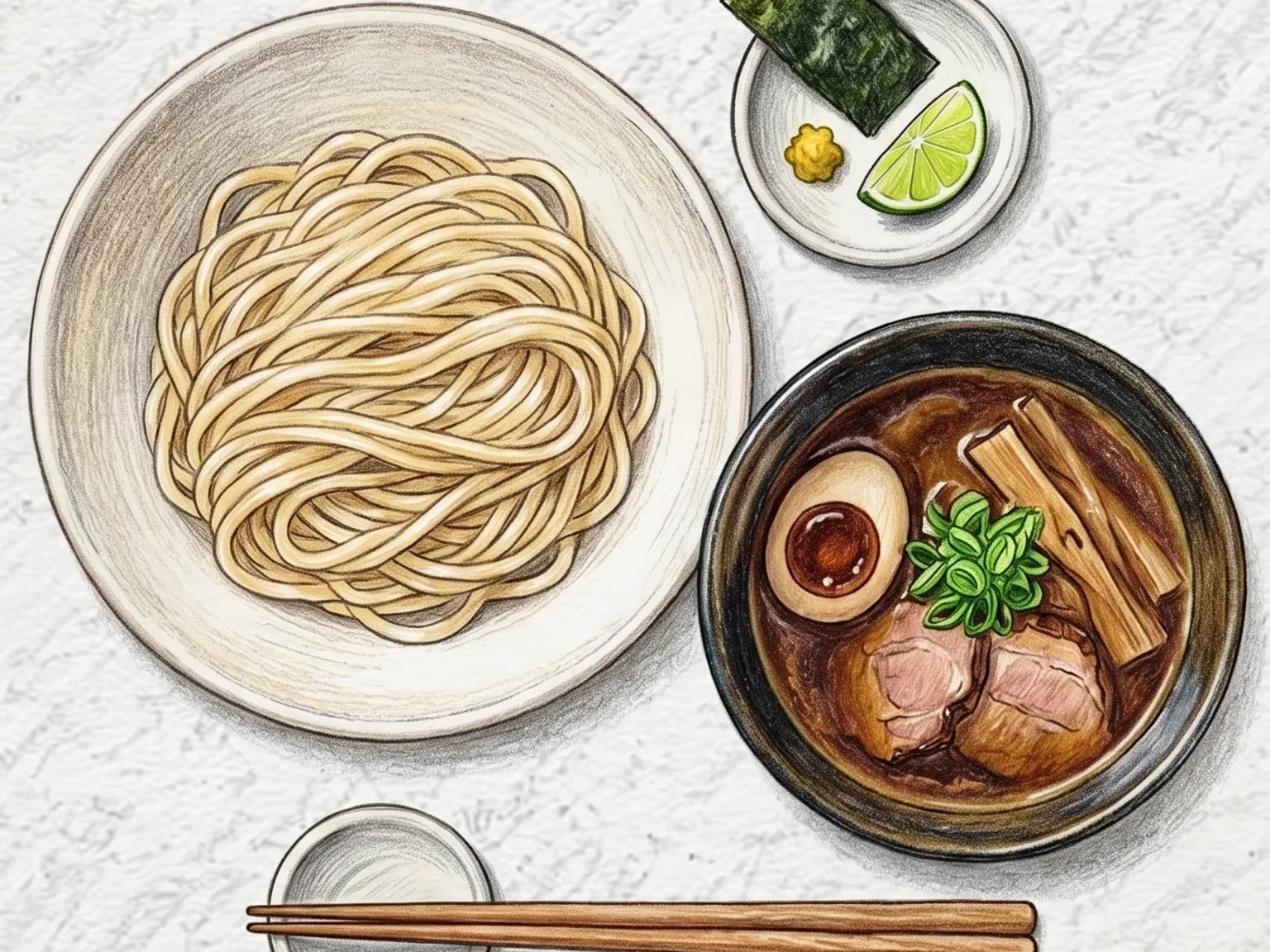
Tsukemen is a Japanese dipping ramen where thick noodles and a concentrated broth are served separately. The broth - typically tonkotsu or seafood-soy based - is reduced to roughly double the intensity of standard ramen soup. Noodles are rinsed in cold water after boiling, which firms their texture and creates a temperature contrast when dipped into the hot broth. Toppings such as chashu pork, soft-boiled egg, and nori are arranged alongside the noodles. The recipe takes about 50 minutes, with most time spent building and reducing the dipping broth.
Adjust Servings
Instructions
- 1
Simmer pork stock with soy sauce, mirin, and miso until reduced and concentrated for the dipping broth.
- 2
Cook noodles and rinse in cold water to give them a springy texture.
- 3
Arrange noodles in a bowl and top with chashu, soft-boiled egg, green onion, and menma.
- 4
Serve the hot dipping broth in a separate bowl on the side.
As an Amazon Associate, we may earn from qualifying purchases.
Tips
Nutrition (per serving)
More Recipes

Abura Soba (Soupless Noodles in Rich Soy Sesame Oil Sauce)
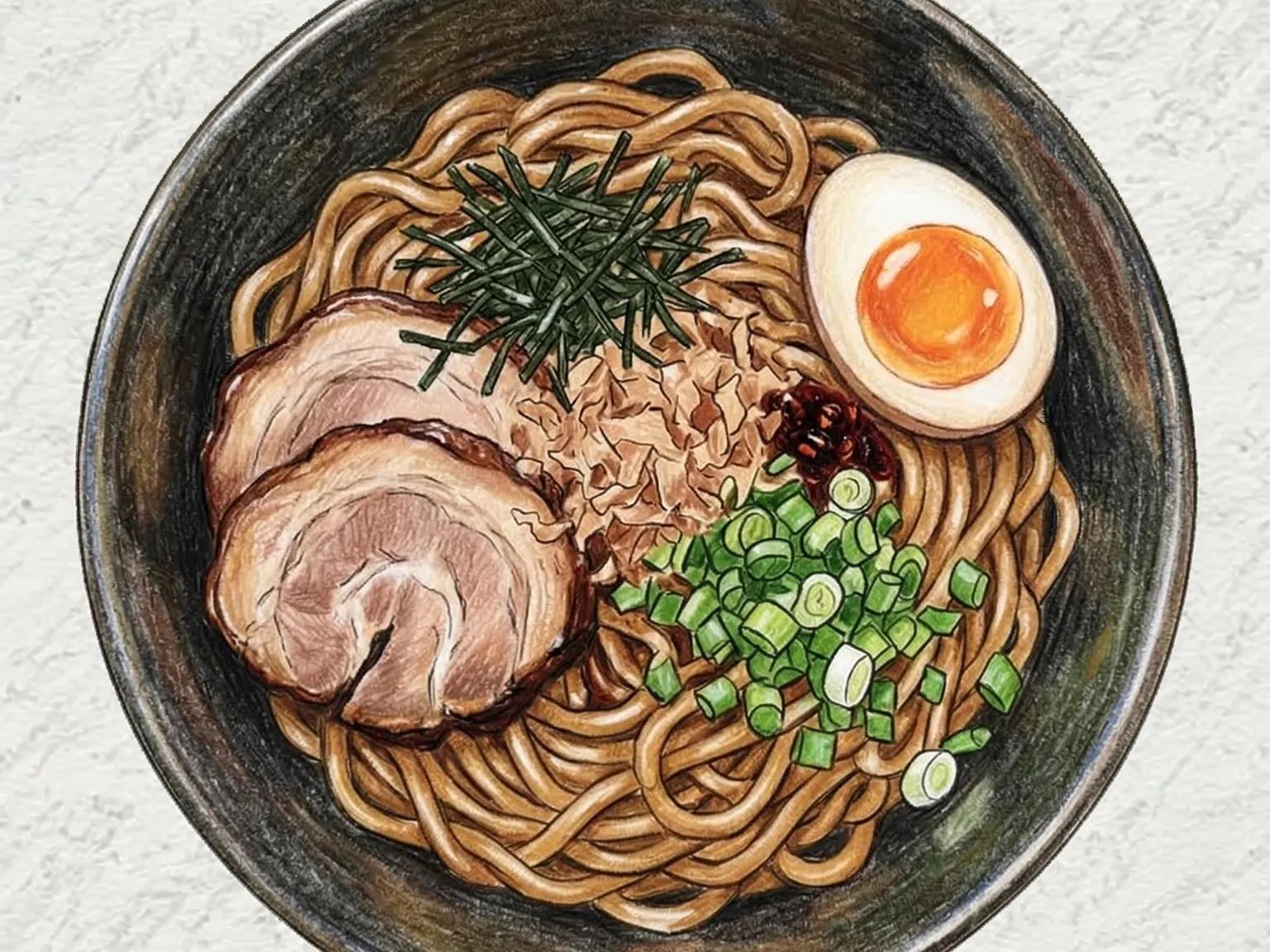
Abura soba emerged in Tokyo's student districts during the 1950s as a cheaper, faster alternative to ramen - no slow-simmered broth needed. The name translates to 'oil noodle,' and the dish lives or dies on its sauce: soy sauce, sesame oil, oyster sauce, and a splash of vinegar pooled at the bottom of the bowl. Chewy ramen noodles land on top, and the eater mixes everything from below, coating each strand in the concentrated glaze. Toppings - chashu pork, a runny soft-boiled egg, nori, bonito flakes, and sliced scallion - add layers of salt, fat, and umami. The lack of broth means every flavor hits at full intensity, making this a late-night favorite across Japan's izakaya scene.

Japanese Dan Dan Ramen (Sesame Cream Broth with Spicy Pork)
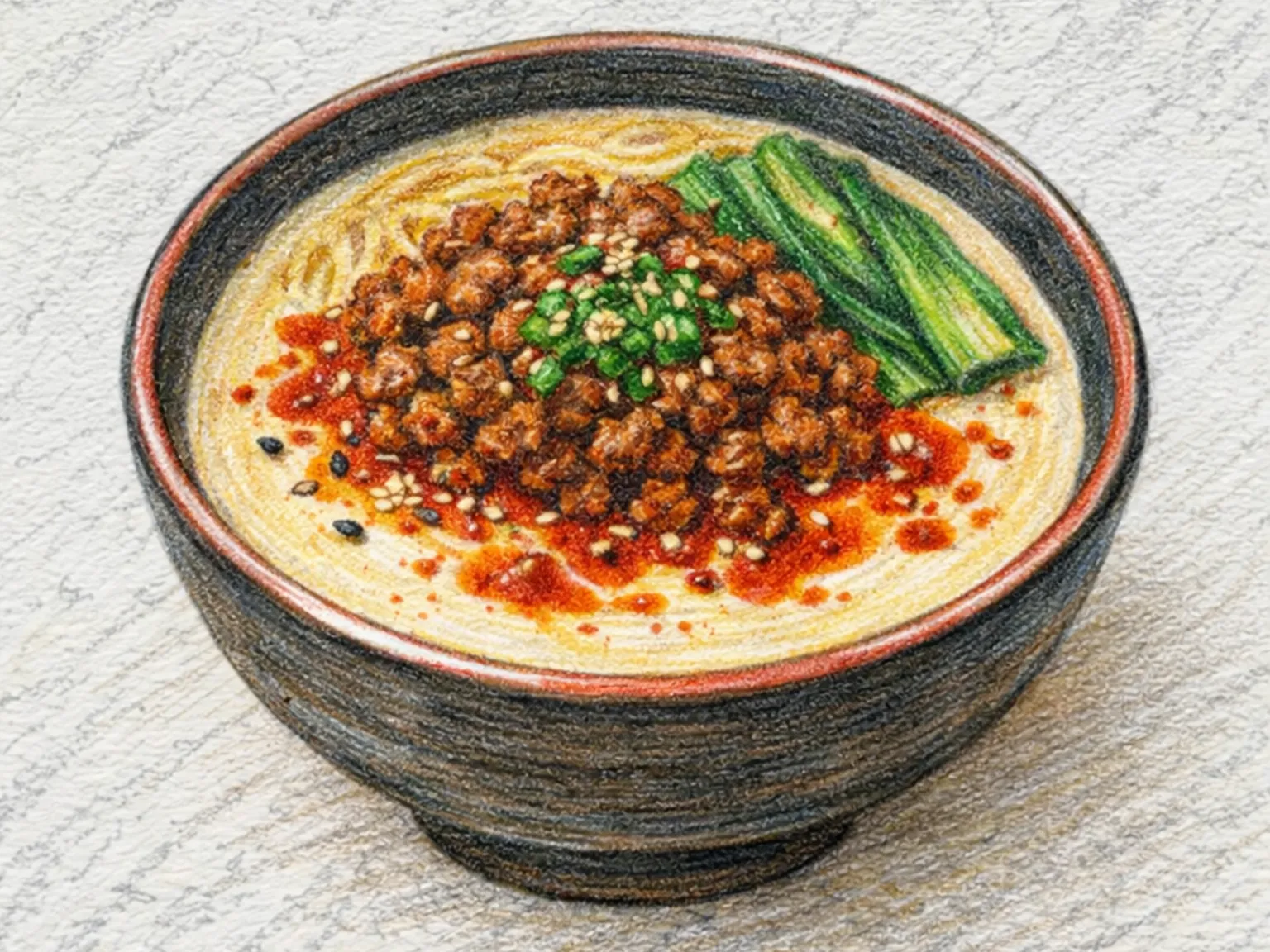
Tantanmen is the Japanese adaptation of Sichuan dan dan noodles, served as a ramen with a thick sesame-cream broth. Ground pork is stir-fried with doubanjiang and spooned over the bowl along with chili oil. The sesame base gives the soup a dense, nutty body, while the chili oil adds a slow-building heat. Standard ramen noodles are used, paired with bok choy or scallions. Preparation takes about 45 minutes, with most of the effort going into building the sesame broth and seasoning the pork topping.

Yuzu Cold Soba (Chilled Buckwheat Noodles with Citrus Dipping Sauce)
Yuzu memil soba is a cold buckwheat noodle dish served with a citrus-infused dipping sauce made from tsuyu, cold water, and yuzu marmalade. The soba must be rinsed at least three times in cold water after boiling to strip off surface starch, which prevents clumping and gives each strand a clean bite. A brief dip in ice water firms the texture further. The yuzu marmalade lifts the salty-savory tsuyu with bright citrus fragrance, while freshly grated daikon radish adds a peppery, cooling sharpness. Shredded seaweed contributes a subtle ocean note, and wasabi provides a nasal heat that cuts through the nuttiness of the buckwheat.

Japanese Stir-Fried Udon
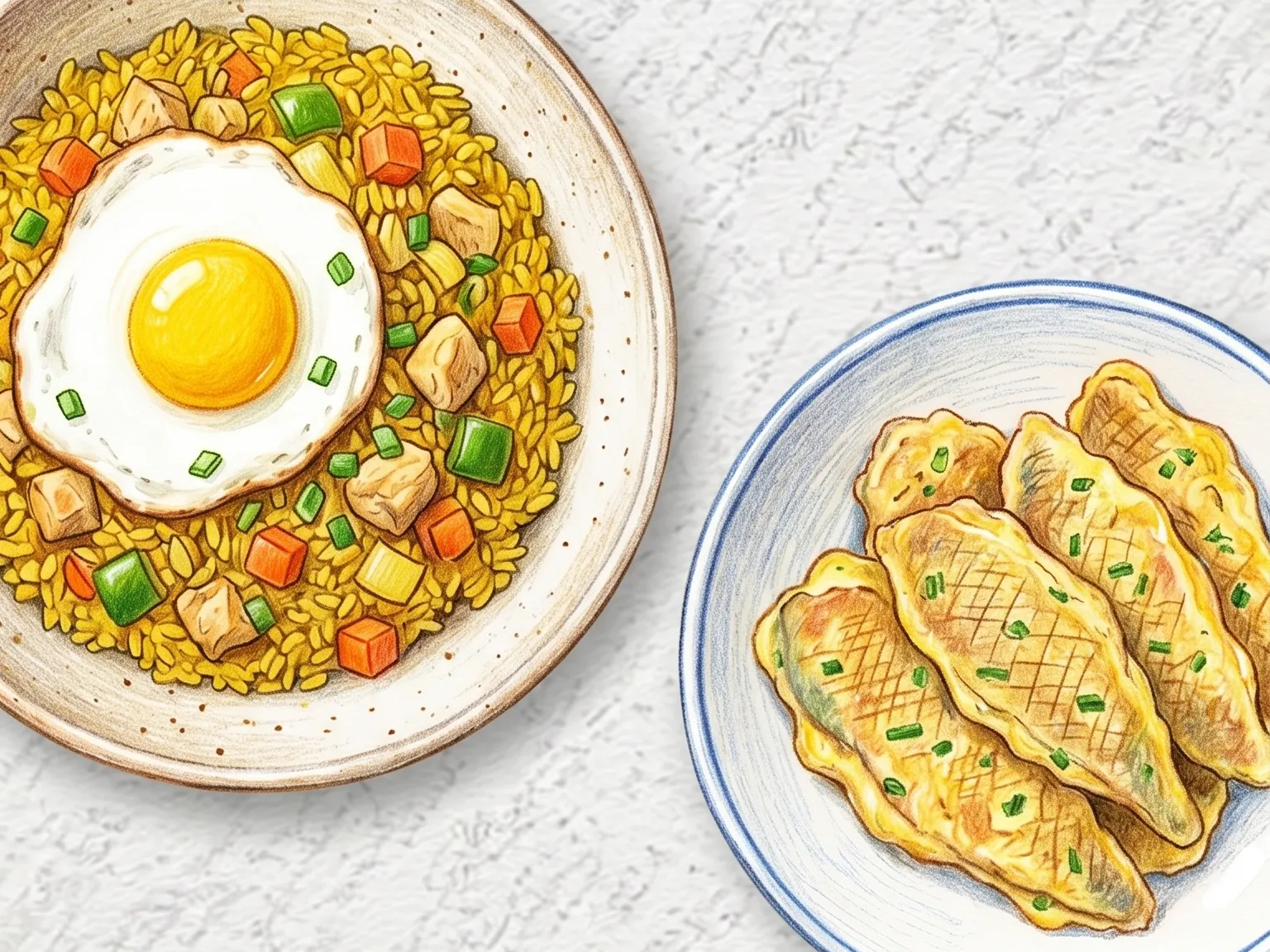
Yaki udon is a Japanese stir-fried noodle dish where thick udon noodles are tossed in a soy-based sauce over high heat with sliced pork or seafood and vegetables such as cabbage, carrot, and scallion. The high heat gives the noodles lightly charred edges while keeping their chewy center intact. Bonito flakes (katsuobushi) are often scattered on top just before serving, where they wave from the residual heat. The recipe takes about 25 minutes and depends on maintaining strong heat throughout the stir-fry to avoid steaming the noodles.

Sapporo Miso Ramen (Hokkaido-Style Rich Miso Broth Ramen with Pork)
Sapporo miso ramen was born in Hokkaido's capital as a way to warm up against brutal northern winters, and everything about the bowl reflects that purpose. The broth starts with chicken stock fortified with a generous amount of miso paste, giving it a thick, opaque body and a deep fermented savoriness. Ground pork, cabbage, and bean sprouts are stir-fried in a wok before being added to the broth, which picks up smoky wok flavor in the process. Sweet corn kernels and a pat of butter melt into the surface, adding richness that feels earned rather than excessive. The noodles are thick and curly, engineered to trap the heavy broth in every coil. Garlic and chili oil variations are common in Sapporo's ramen shops.

Hakodate Shio Ramen (Hokkaido Clear Salt-Seasoned Chicken Ramen)
Hakodate shio ramen is the oldest style of ramen in Hokkaido, originating from the port city of Hakodate in the south of the island. The broth is built from chicken and pork bones simmered at a gentle, never rolling, boil so the liquid stays clear and golden rather than turning cloudy. Seasoning comes from salt alone - no miso, no soy sauce - which places the burden of flavor entirely on the quality of the stock. Medium-wavy noodles are the standard choice, their curls catching just enough broth in each bite. Toppings are kept minimal: a slice or two of chashu pork, strips of menma bamboo shoots, and chopped scallion. The appeal of shio ramen lies in its transparency, both visual and gustatory - there is nowhere for imperfections to hide, and every sip delivers a clean, uncluttered umami.