Charim

2686 Korean & World Recipes

2686+ Korean recipes, clean and organized. Ingredients to instructions, all at a glance.

Tteokgalbi Ragu Ziti Bake (Korean BBQ Ziti Gratin)
Pasta Medium

Tteokgalbi Ragu Ziti Bake (Korean BBQ Ziti Gratin)

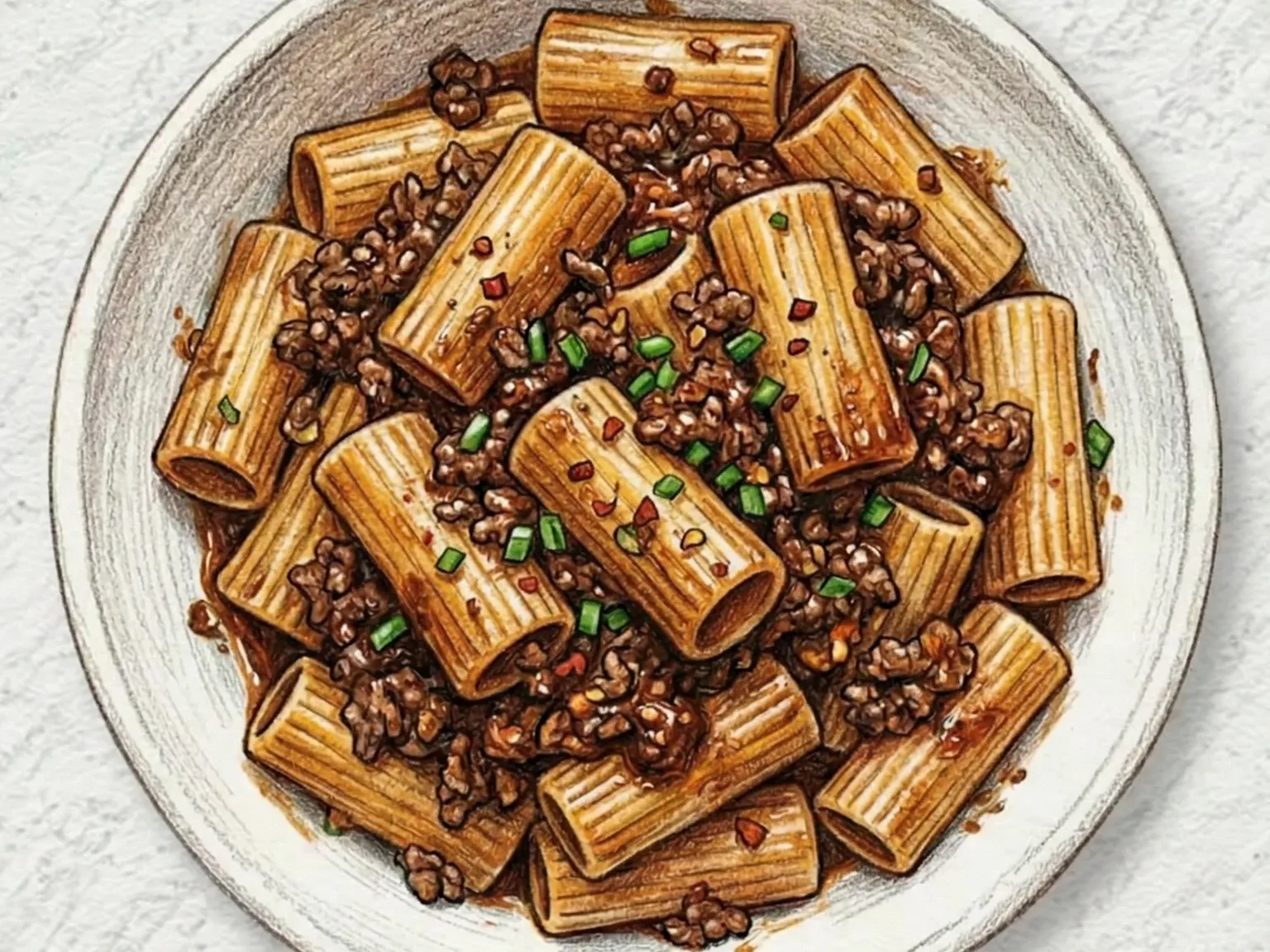
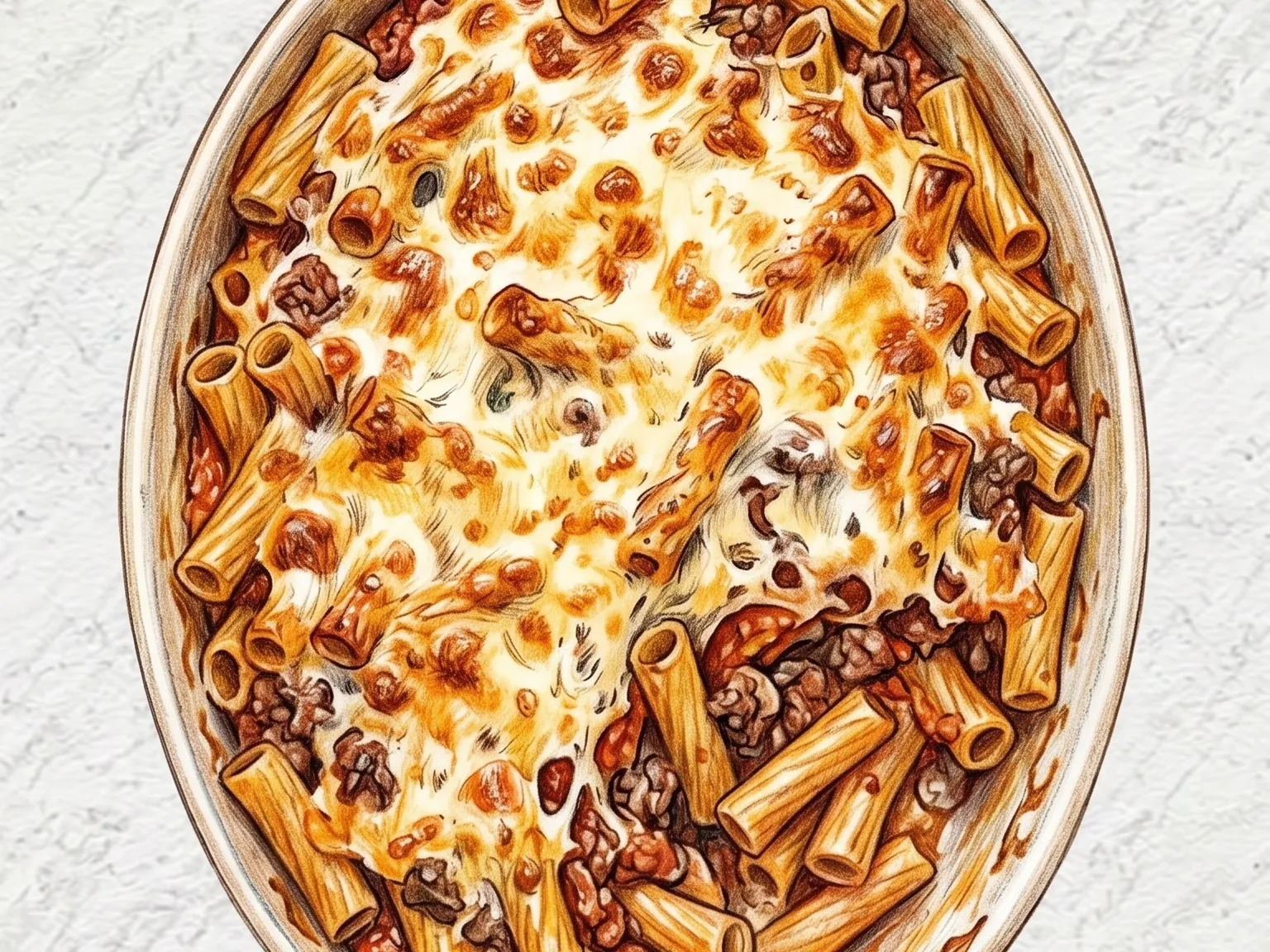
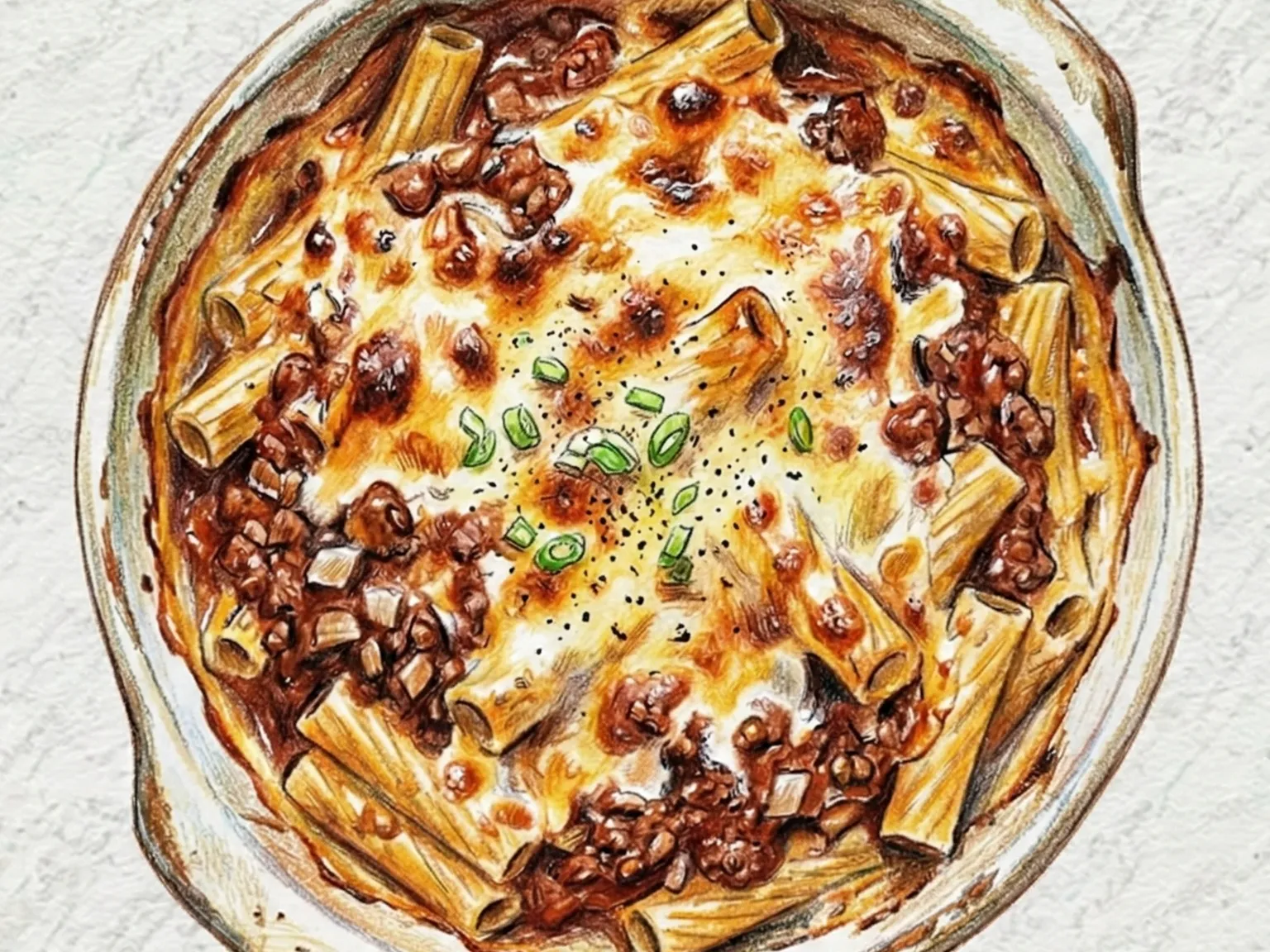
Tteokgalbi ragu ziti bake starts with ground beef seasoned and browned in soy sauce and sugar, a step that reproduces the sweet-salty profile of Korean grilled tteokgalbi rather than a standard Italian soffritto base. Tomato puree and gochujang are then added and reduced together for 12 minutes. The gochujang contribution goes beyond simple heat; its fermented complexity adds a savory depth that distinguishes this ragu from a conventional bolognese. Undercooking the ziti by two minutes before it goes into the oven is important: pasta that enters the oven already fully cooked will turn soft and mushy by the time the bake is done. Even coverage of mozzarella followed by 12 to 15 minutes at 200 degrees Celsius produces a surface that caramelizes to a golden crust while the interior remains moist. The recipe yields four portions and is designed to be served directly from the oven dish, making it practical for a family dinner or a small gathering.

Prep 20min Cook 35min 4 servings

Adjust Servings

2servings
servings

Instructions

  1. 1

    Finely dice the onion and preheat the oven to 200C.

  2. 2

    Boil ziti 2 minutes less than package directions and drain.

  3. 3

    Heat olive oil, saute onion and garlic, then add ground beef.

  4. 4

    Season with soy sauce and sugar, then add tomato puree and gochujang; simmer 12 minutes.

  5. 5

    Mix ziti with sauce, transfer to a baking dish, and top evenly with mozzarella.

  6. 6

    Bake 12-15 minutes until cheese melts and edges lightly brown.

🛒Shop Ingredients on Amazon

As an Amazon Associate, we may earn from qualifying purchases.

Tips

Undercook ziti slightly so it stays firm after baking.
Gochujang saltiness varies by brand, so adjust seasoning at the end.

Nutrition (per serving)

Calories
710
kcal
Protein
38
g
Carbs
74
g
Fat
28
g

Goes Well With

Black Rice Cream Cheese Tart
BakingMedium

Black Rice Cream Cheese Tart

Black rice cream cheese tart is a Korean-style baked tart that combines a crisp, buttery shell with a cream cheese filling tinted and flavored with black rice flour. The filling is made by blending cream cheese, sugar, egg, and heavy cream until smooth, then folding in black rice powder, which gives the mixture a pale purple color and a subtle roasted grain character. Baked at a moderate temperature, the filling puffs gently in the oven before settling back into a dense, silky layer as it cools - the texture sits between a cheesecake and a custard tart, smooth and rich but not heavy. The pre-baked tart shell provides a firm, buttery crunch that contrasts the soft filling above. Vanilla extract ties the tangy cream cheese to the earthy black rice notes, rounding out the flavor so neither element dominates.

🎉 Special Occasion🧒 Kid-Friendly
Prep 30minCook 32min4 servings
Lotus Root Persimmon Salad
SaladsEasy

Lotus Root Persimmon Salad

This salad combines blanched lotus root and sliced sweet persimmon to reflect seasonal autumn produce. The lotus root provides a clean and crisp texture that contrasts with the natural sweetness found in the fruit slices. A dressing composed of olive oil, honey, and fresh lemon juice is used to coat the ingredients without masking their individual flavors. Crumbled feta cheese provides a salty and tangy dairy element that balances the sugar content of the persimmon. Toasted walnuts, which are prepared by heating them briefly in a dry pan, contribute earthy fats and a crunchy texture that differs from the softer fruit. The salad is assembled on a base of baby greens to provide a layer of color. Dividing the dressing into two separate additions during the mixing process ensures that the seasoning is distributed evenly across all components. While the recipe typically uses firm persimmons, ripe soft persimmons known as hongsi can be used as an alternative. This variation produces a salad with a sweeter profile and a much softer, more yielding consistency.

🥗 Light & Healthy🎉 Special Occasion
Prep 20minCook 8min2 servings
Dongdongju (Korean Unfiltered Fermented Rice Wine)
DrinksHard

Dongdongju (Korean Unfiltered Fermented Rice Wine)

Dongdongju is a traditional Korean unfiltered rice wine made by steaming short-grain and sweet rice together, then fermenting the cooked grain with nuruk starter and a small amount of dry yeast for seven days. Unlike makgeolli, it passes through a coarse sieve only once, leaving rice grains floating on the surface -- a trait that gives the drink its name and provides a distinctly chewy grain texture with each sip. Stirring the mash twice daily ensures the nuruk breaks down the starches evenly throughout fermentation, and keeping the temperature low after day three prevents the batch from over-fermenting. A pinch of salt added at the finish tempers residual sweetness without flattening the fermented grain character. Home-brewed dongdongju tends to carry a more pronounced rice fragrance and a heavier body than commercial makgeolli, and its flavor shifts noticeably day by day as fermentation continues.

🍺 Bar Snacks🎉 Special Occasion
Prep 30minCook 40min8 servings
Clafoutis (French Baked Cherry Custard Dessert)
WesternEasy

Clafoutis (French Baked Cherry Custard Dessert)

Clafoutis is a traditional French dessert from the Limousin region made by arranging fresh cherries in a buttered baking dish, then pouring over a thin batter of eggs, sugar, milk, and flour and baking at 180 degrees Celsius for thirty to thirty-five minutes. The batter is considerably thinner than pancake batter, and the result when baked is a texture that sits between a creamy custard and a light sponge -- the edges puff and turn golden while the center around the cherries stays moist and yielding. Using unpitted cherries is the traditional method: the pits release a faint almond scent during baking that perfumes the surrounding batter in a way that pitted fruit cannot replicate. The cherries also hold their shape better with the pits in. Vanilla extract deepens the egg-and-milk base, and the cherries' own tart juice seeps into the batter during baking, creating concentrated pockets of fruit flavor that balance the overall sweetness. Clafoutis is served directly from the baking dish, typically dusted with powdered sugar and brought to the table while still warm, because the custard texture softens and loosens slightly as it cools, making the warm version noticeably more appealing. Made with blueberries, plums, or apricots instead of cherries, the dessert takes a different name -- flaugnarde -- though the technique remains identical.

🎉 Special Occasion🧒 Kid-Friendly
Prep 15minCook 35min4 servings

More Recipes

Chunjang Beef Ragu Tagliatelle
PastaMedium

Chunjang Beef Ragu Tagliatelle

Chunjang beef ragu tagliatelle combines a slow-cooked ground beef ragu with Korean black bean paste and tomato passata, tossed through wide tagliatelle ribbons. Chunjang is a fermented black soybean paste that, when fried in oil first, releases a deep roasted umami and loses its raw bitterness before joining the tomato base. Browning the ground beef hard over high heat before adding liquids develops a Maillard crust that intensifies the meatiness of the finished sauce. The sauce then simmers on low heat until it reduces into a thick, glossy coating. Wide tagliatelle catches the dense ragu across its broad surface, ensuring each forkful carries both the tomato-chunjang depth and chunks of seasoned beef.

🎉 Special Occasion
Prep 20minCook 40min2 servings
Gochujang Beef Ragu Rigatoni
PastaMedium

Gochujang Beef Ragu Rigatoni

Gochujang beef ragu rigatoni builds depth in two stages: first, ground beef is seared undisturbed over high heat until a proper crust forms, then gochujang, tomato puree, and red wine are added and the whole pot simmers on medium-low heat for twenty minutes. The browning step is critical and non-negotiable-stirring too early releases steam and moisture from the meat, which prevents crust formation and produces braised ground beef instead of seared. Frying the gochujang in oil for a full minute before adding the tomato puree unlocks its fermented sweetness and blunts the raw edge of the paste; the acidity of the tomato then balances the gochujang's heat naturally. As the red wine reduces, it leaves behind layered fruit notes that add complexity the tomato alone cannot provide. Rigatoni is pulled from the water one minute before al dente and transferred to the sauce pan with a ladle of pasta water; the starch dissolves into the sauce and coats the tubes inside and out with a glossy, cohesive finish. Grated Parmesan stirred in at the end deepens the overall savory character of the ragu.

🎉 Special Occasion
Prep 15minCook 35min2 servings
Soy Butter Steak Garlic Spaghetti
PastaMedium

Soy Butter Steak Garlic Spaghetti

Thick-cut sirloin seared at high heat, then glazed in soy sauce and butter, forms the base of this steak pasta. The fond left in the pan gets deglazed with soy sauce and butter, then emulsified with pasta water into a thin, shiny coating that clings to each strand without turning greasy. Generous garlic browned in olive oil beforehand builds a deep, roasted-garlic base that runs through the entire sauce, and tsuyu -- a Japanese seasoning concentrate made from kombu and bonito -- adds the round umami depth of dashi without any extra steps. The steak is best cooked to medium-rare and sliced against the grain before laying over the pasta; resting the meat first keeps the juices from running out when cut. Black pepper and sliced scallions cut through the richness at the end. The full cook time is about 20 minutes, and pasta water volume controls the final sauce consistency.

🍺 Bar Snacks🎉 Special Occasion
Prep 15minCook 20min2 servings
Soy Galbi Ragu Pappardelle
PastaHard

Soy Galbi Ragu Pappardelle

Soy galbi ragu pappardelle starts with short rib seared hard on both sides, then braised low and slow with aromatics, red wine, and soy sauce for ninety minutes until the meat pulls apart into thick shreds. The extended braise renders out the collagen in the short rib, building a sauce with a genuinely silky, gelatinous body that clings to wide pappardelle ribbons. A soffritto of onion, carrot, and celery forms the sweet foundation; canned whole tomatoes and tomato paste add body and acidity. Soy sauce replaces plain salt and contributes fermented depth that sets this apart from standard Bolognese - the difference is noticeable. Red wine adds tannin and fruit complexity. Grated Parmigiano-Reggiano finishes the bowl. Most of the ninety-minute cook time is hands-off braising.

🎉 Special Occasion
Prep 25minCook 90min4 servings
Korean Spicy Gochujang Bulgogi
Stir-fryMedium

Korean Spicy Gochujang Bulgogi

Spicy gochujang pork bulgogi builds its bold flavor from a marinade of gochujang, Korean chili flakes, soy sauce, corn syrup, and garlic applied to thick-cut pork neck, then stir-fried over high heat. The gochujang delivers a deep, fermented heat while the corn syrup adds a glossy sweetness that helps the sauce caramelize on the surface of the meat. Adding chili flakes separately from the gochujang introduces a different texture and heat quality, creating a more complex spice profile than either ingredient alone would produce. Allowing the moisture to evaporate before adding the onion is important, as onion releases liquid when it hits the pan and will thin the sauce if added too early. The natural sugars in the onion contribute a mild sweetness that tempers the chili heat once the moisture has cooked off. Scoring thicker pieces of pork two or three times with a knife allows the marinade to penetrate more evenly and ensures consistent seasoning throughout. Finishing with green onion over high heat for thirty seconds adds a smoky char note while leaving a fresh aromatic lift. The recipe yields a generous four servings, making it a practical main dish for family meals or a filling for ssam wraps.

🏠 Everyday🌙 Late Night
Prep 20minCook 14min4 servings
Korean Gochujang Grilled Chicken Legs
GrilledMedium

Korean Gochujang Grilled Chicken Legs

Gochujang dak-dari-gui is a Korean pan-grilled chicken dish in which bone-in leg quarters are marinated in a sauce of gochujang, soy sauce, oligosaccharide syrup, minced garlic, mirin, and sesame oil before being cooked in a skillet. The use of oligosaccharide syrup rather than plain sugar is deliberate - it has a lower sweetness level but higher viscosity, which helps the marinade adhere to the chicken's surface and caramelizes more slowly without burning, making it easier to develop a proper glaze. Starting the chicken skin-side down over medium heat is the foundation of the dish: pressing the skin gently against the pan renders the subcutaneous fat gradually, producing a crisp surface layer. Without sufficient rendering time, the skin stays soft and slick even when coated with the sauce later. Flipping and covering with a lid traps steam inside the pan, which drives heat into the thickest part of the meat and ensures it cooks through evenly without the outside drying out. When the lid comes off and the sauce reduces, the evaporating water concentrates the marinade's flavors and causes it to begin clinging to the meat in a thick, glossy layer. The final two minutes on high heat are the transformation point of the dish: the residual sugars in the marinade caramelize rapidly in the intense heat, and the spicy fermented depth of the gochujang, the sweetness of the syrup, and the salinity of the soy compress into a lacquered, shining glaze. Marinating in the refrigerator for at least one hour, and ideally overnight, reduces any gamey odor from the chicken and allows the seasoning to work its way deep into the muscle fibers, so that when the meat is cooked it tastes seasoned from the inside.

🍺 Bar Snacks
Prep 20minCook 30min4 servings
More Pasta →