Korean Tuna Mini Gimbap (Addictive Bite-Sized Tuna Mayo Seaweed Rolls)
Quick answer
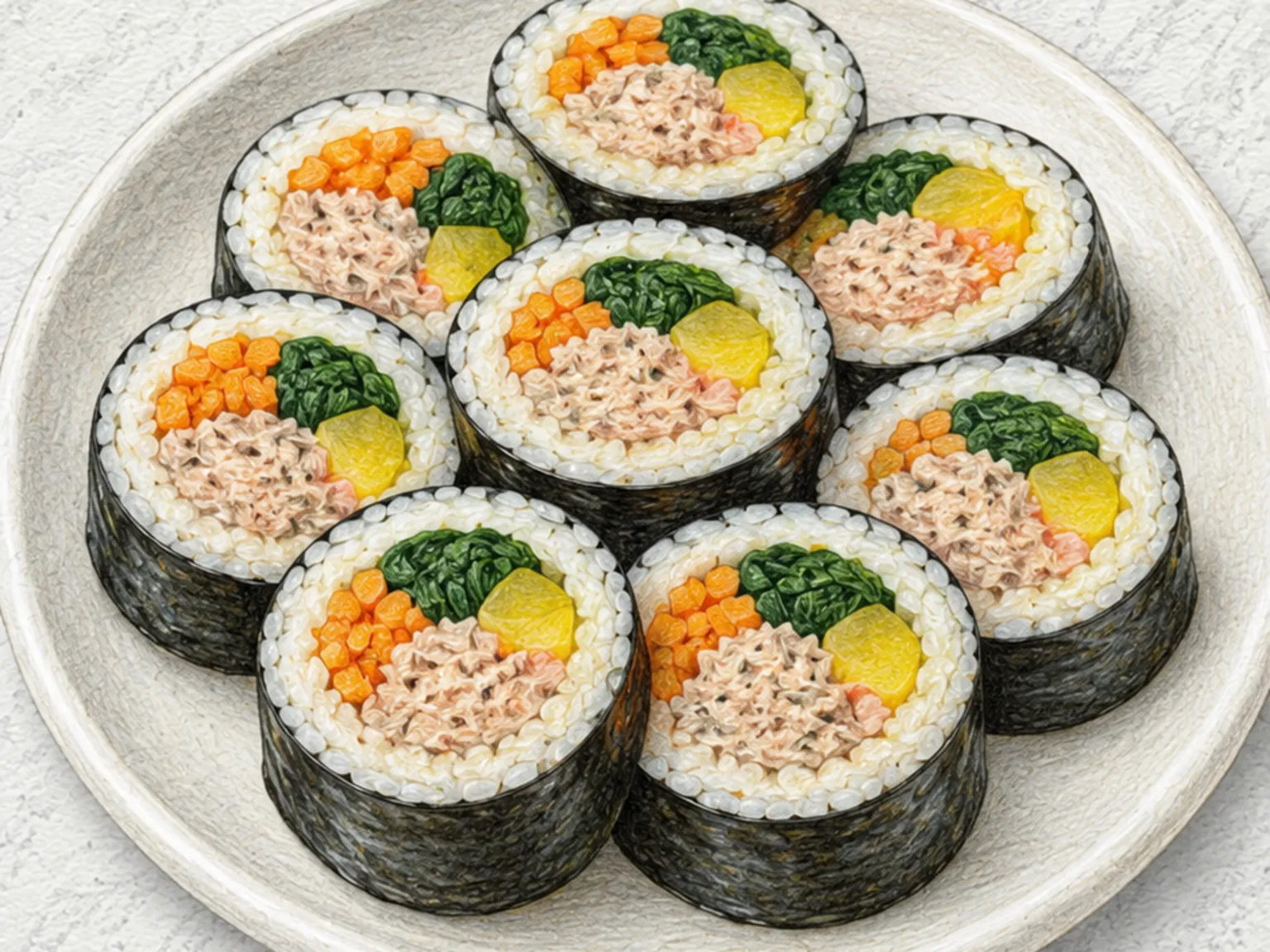
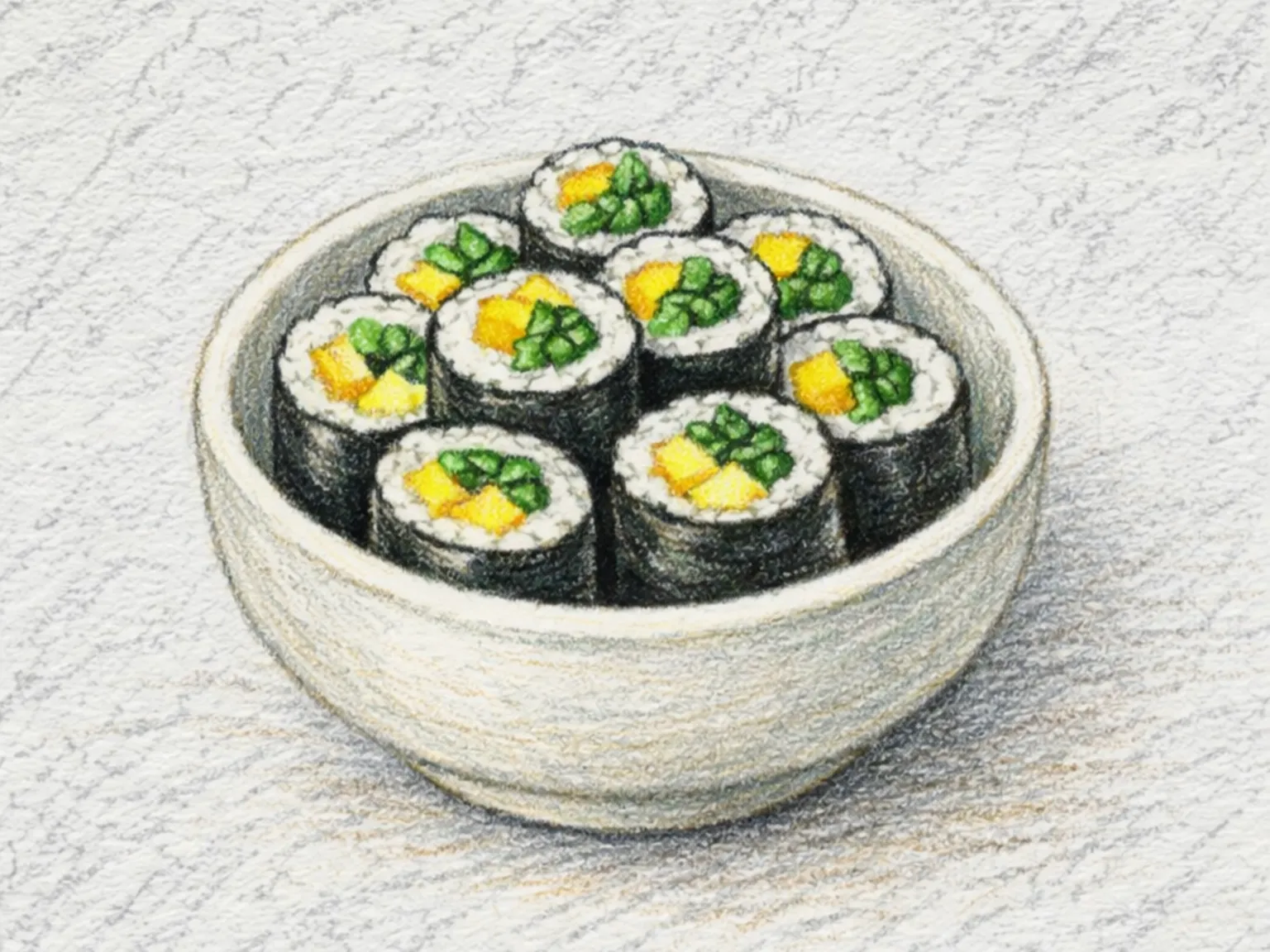
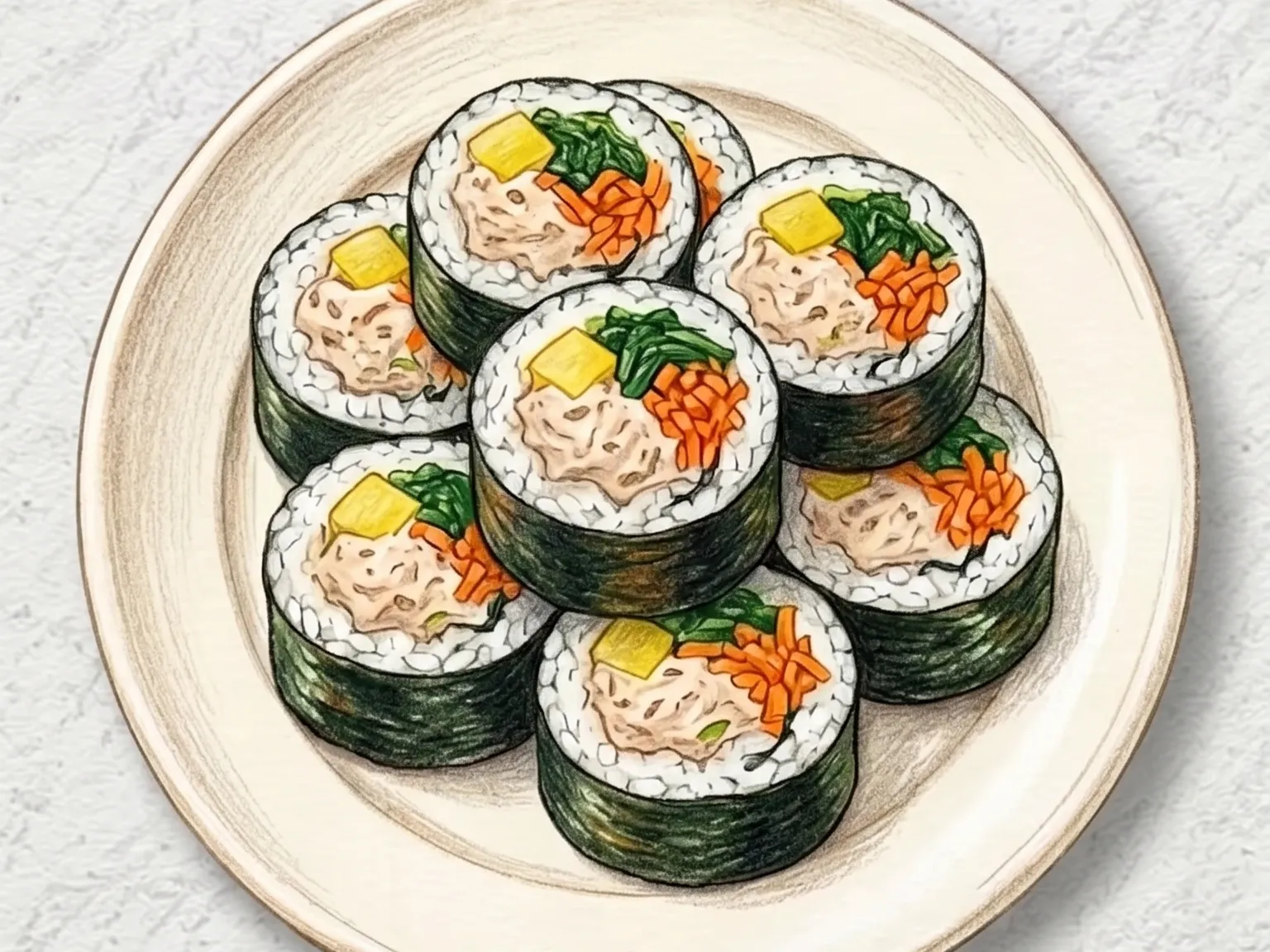
Tuna mayak gimbap are bite-sized rolls made by cutting seaweed sheets in half, spreading a thin layer of sesame-oil-seasoned rice, and filling with tuna-mayo, pickled rad...
What makes this special
- Bite-sized tuna-mayo seaweed rolls prepared with half-sheets of nori for an easy snack.
- Half-sheet nori rolls pack all four fillings into one bite
- Sautéed carrot draws out natural sweetness before rolling
Key ingredients
Core cooking flow
- 1 While the 2 cups of rice are still warm, mix in sesame oil and salt evenly.
- 2 Press the 150 g of canned tuna in a strainer to remove as much oil and moisture as possible.
- 3 Cut the 60 g carrot into thin matchsticks and stir-fry over medium heat for about 1 minute.
Tuna mayak gimbap are bite-sized rolls made by cutting seaweed sheets in half, spreading a thin layer of sesame-oil-seasoned rice, and filling with tuna-mayo, pickled radish, sauteed carrot, and blanched spinach. Draining the canned tuna thoroughly before mixing with mayonnaise prevents sogginess while keeping the filling creamy. The pickled radish provides a sharp crunch that cleanses the palate between each piece, and the lightly sauteed carrot brings a touch of natural sweetness. Their miniature size ensures every ingredient registers in a single bite, delivering a compact burst of balanced flavor.
Instructions
Read the steps as a cooking flow: prep, heat, seasoning, doneness control, and finish.
- 1Season
While the 2 cups of rice are still warm, mix in sesame oil and salt evenly.
Spread the rice out slightly so steam escapes, and let it cool until warm, not hot, before rolling.
- 2Prep
Press the 150 g of canned tuna in a strainer to remove as much oil and moisture as possible.
Mix it with 2 tablespoons of mayonnaise until creamy but not runny, so the rolls do not split.
- 3Control
Cut the 60 g carrot into thin matchsticks and stir-fry over medium heat for about 1 minute.
Stop as soon as it softens slightly and turns brighter, keeping a light bite and natural sweetness.
- 4Season
Blanch the 70 g spinach briefly in boiling water until the green color deepens.
Rinse in cold water, squeeze very firmly, then season lightly with salt and sesame oil so extra moisture does not soak the seaweed.
- 5Prep
Cut the 4 seaweed sheets in half and place each piece rough side up.
Spread a thin layer of rice, leaving about 1 cm bare at the far edge so the seaweed seals without getting soggy.
- 6Prep
Arrange the tuna mayonnaise, pickled radish, carrot, and spinach neatly across the center.
Roll small and tight while pressing the filling in place, rest seam side down briefly, then slice into bite-sized pieces.
After the steps
Pick a recipe that fits this dish.
Continue with shared ingredients, meal pairings, or a similar method.
Recipes That Go Well With This
More Street food →Based on shared ingredients and meal pairing
Korean Tuna Gimbap (Chamchi Gimbap)
Chamchi gimbap is a Korean seaweed rice roll filled with canned tuna mixed with mayonnaise, along with carrot, spinach, and pickled radish, all wrapped in seasoned rice and a sheet of roasted gim. The creamy tuna filling contrasts with the crisp vegetables, while the tangy pickled radish cuts through the richness and keeps each bite lively. A longtime staple in Korean lunchboxes and picnic spreads, the roll slices neatly into rounds that are easy to eat without utensils. Sesame oil brushed on the outside adds a subtle sheen and a nutty aroma. Spacing the fillings evenly before rolling ensures a clean, colorful cross-section with every cut - part of what makes well-made gimbap visually satisfying alongside the taste.
Korean Seaweed Rice Roll
Gimbap is a Korean seaweed rice roll made by spreading sesame-oil-and-salt-seasoned rice over a sheet of gim, then lining up individually prepared fillings such as spinach namul, sauteed carrot, egg strip, ham, pickled radish, and braised burdock before rolling tightly. Each filling is cooked separately so distinct flavors and textures meet in every bite. The rice must cool before spreading, because hot rice releases steam that softens the seaweed and breaks the roll's structure. When sliced, the cross-section reveals concentric rings of color, and a final brush of sesame oil over the finished roll deepens the nuttiness of the seaweed while giving the surface a slight sheen. The combination of fillings can shift with the season or personal preference, which is part of why gimbap remains a staple from picnic lunches to neighborhood snack bars.
Korean Spicy Stir-Fried Fish Cake
Square sheets of fish cake are sliced into uniform, bite-size pieces before being stir-fried in a seasoned glaze that balances spicy heat with a clear sweetness. One specific technique used in this recipe involves blanching the fish cake pieces in boiling water for a very short period before they enter the pan. This process serves two functions: it removes the excess oil from the manufacturing process and causes the surface of the fish cake to open up. This allows the sauce to adhere more consistently to each piece during the cooking process. When stir-fried over high heat, the edges of the fish cake undergo a light caramelization. This results in a subtle smoky flavor that adds a layer of complexity to the overall dish. The base of the sauce consists of gochujang, soy sauce, and oligodang. Oligodang is a Korean corn syrup that is used to give the dish a shiny, glossy finish while simultaneously tempering the sharp intensity of the fermented chili paste. During the cooking process, sliced onions are added and allowed to soften. The moisture released by the onions helps to deglaze the pan, which reintegrates concentrated flavors into the sauce and contributes a natural sweetness. Green onions are added just before the heat is turned off so they retain their fresh aroma and provide a crisp texture that contrasts with the rich sauce. To finish the dish, toasted sesame seeds are scattered over the top to provide a mild nutty flavor. This side dish is frequently included in packed lunches because the glaze maintains its integrity and the flavors become more concentrated as the dish cools.
Korean Tuna Kimchi Gimbap
Tuna-kimchi gimbap rolls together drained canned tuna, stir-fried kimchi, and mayonnaise inside seasoned rice and roasted seaweed sheets. Stir-frying the kimchi for two minutes drives off excess liquid and concentrates its fermented tang into a deeper, more savory flavor. Perilla leaves layered directly on the rice add a herbal, slightly minty fragrance that offsets the richness of the tuna-mayo filling. A light brush of sesame oil on the finished roll preserves the seaweed's crispness while adding a final nutty aroma to every slice. Matching tuna and cooked kimchi in a one-to-one ratio keeps the salt and umami in balance, and adding just enough mayonnaise to bind the filling prevents the rice from turning soggy during rolling.
Serve with this
Korean Warm Noodles with Kimchi Dumplings
Kimchi mandu onmyeon is a Korean warm noodle dish that combines kimchi dumplings simmered in anchovy-kelp stock with thin wheat noodles served in the hot broth. The filling of kimchi and pork inside each dumpling gradually releases savory depth into the clean dashi as the dumplings cook, building a broth that feels substantive without requiring heavy seasoning. Soup soy sauce and minced garlic are the only seasoning additions, keeping the overall flavor clear and well-defined. Thin wheat noodles are boiled separately and rinsed under cold water before serving, which prevents the cooking starch from clouding the broth and keeps the noodles smooth and springy in texture rather than swollen and soft. Julienned zucchini added to the broth and a thin stream of beaten egg swirled in just before serving add color and textural variety to the finished bowl. Since the sodium content of kimchi dumplings varies considerably by brand, soup soy sauce should be added in small increments at the end rather than all at once. Overcooking the dumplings causes the wrapper to loosen and the broth to cloud, so once the dumplings float to the surface the noodles should go in and the dish brought together quickly. Gochugaru or sliced cheongyang chili transforms the bowl into a spicier version, and a drop of sesame oil stirred in just before eating rounds out the nuttiness of the broth. Equally suited as a late-night solo meal or a warming bowl on a cold day.
Schisandra Fruit Punch (Korean Cold-Brewed Berry Fruit Bowl)
Omija hwachae is a traditional Korean fruit punch made by cold-infusing dried schisandra berries in water for at least two hours to extract a vivid red liquid, then sweetening with honey. Cold extraction is not optional: hot water pulls excess astringency from the berries and makes the liquid harsh rather than bright. Only a small portion of the infusion is gently warmed to dissolve the honey before the two are combined. Scooped balls of Korean pear and watermelon sit submerged in the chilled omija broth, so each spoonful delivers a crisp, juice-filled bite against the tart-sweet liquid. Pine nuts floated on the surface add a mild fatty richness that tempers the sharpness of the schisandra acid, and serving the hwachae over generous ice keeps every component at its most vivid.
Korean Soju Tonic (Soju Lime Cucumber Highball)
Soju tonic is a Korean highball-style drink that pairs soju with tonic water and lime, layering the spirit's clean, neutral body with the bitter quinine edge of tonic and the bright acidity of fresh citrus. Lime juice goes in first along with soju and a touch of simple syrup, and the tonic water is poured last and slowly to keep the carbonation intact as long as possible. Cucumber slices over ice add a vegetal freshness that makes the drink especially cooling in hot weather, and omitting the syrup produces a drier version with more pronounced bitterness. The lightweight character of soju makes this highball less heavy than gin or vodka equivalents, pairing well with rich, oily bar food.
Similar recipes
Korean Mini Seaweed Rice Rolls
Chungmu gimbap is a regional specialty from Tongyeong in South Gyeongsang Province - small, bite-sized seaweed rice rolls seasoned only with sesame oil and salt, served alongside spicy squid and pickled radish side dishes. The rolls carry no filling at all, so the rice and seaweed stay clean and mild, with all the bold flavor coming from the accompaniments. Blanched squid is tossed in gochugaru, fish sauce, and garlic for a spicy, briny punch, while thin-sliced radish pickled in the same seasoning adds crunch and sharp tartness. The tension between the plain, compact rolls and the intensely seasoned sides is the point of this dish - each plain bite and each fiery bite calibrate each other, making the combination more satisfying than either part alone.
Korean Kimchi Cheese Gimbap
Kimchi cheese gimbap rolls seasoned rice, stir-fried kimchi, mozzarella cheese, and pickled daikon radish in sheets of dried seaweed. The kimchi must be stir-fried until all the moisture has evaporated before rolling: this concentrates the tangy fermented flavor and prevents the released liquid from softening the rice and making the seaweed tear during and after rolling. The fat in the mozzarella wraps around the kimchi's sharp heat and moderates it, and the pickled radish adds sweet-sour crunch that varies the texture across each bite. Keeping the cheese in a single narrow line down the center of the roll is the key technique for tight rolling and a clean cross-section: too much cheese makes the roll thick and causes the seaweed to split. Sliced processed cheese can be used in place of mozzarella and melts similarly. Brushing the outside of the finished roll lightly with sesame oil gives it a glossy surface and seals the seam.
Tuna Potato Salad (Japanese Creamy Tuna and Potato Mix)
Tuna potato salad mashes boiled potatoes while still hot, then folds in drained canned tuna, salt-pressed cucumber, carrot, and onion with mayonnaise and whole grain mustard. Mashing the potatoes warm keeps the starch active, which bonds more effectively with the mayonnaise for a creamier result - but over-mashing turns the texture gluey, so leaving some chunks is ideal. Salting the chopped vegetables for five minutes and squeezing out the released moisture is essential to prevent a watery salad. The tuna must also be drained thoroughly in a strainer to keep the flavor clean. Whole grain mustard adds a peppery sharpness that cuts through the richness of the mayonnaise, and a twenty-minute chill in the refrigerator lets all the flavors meld evenly.