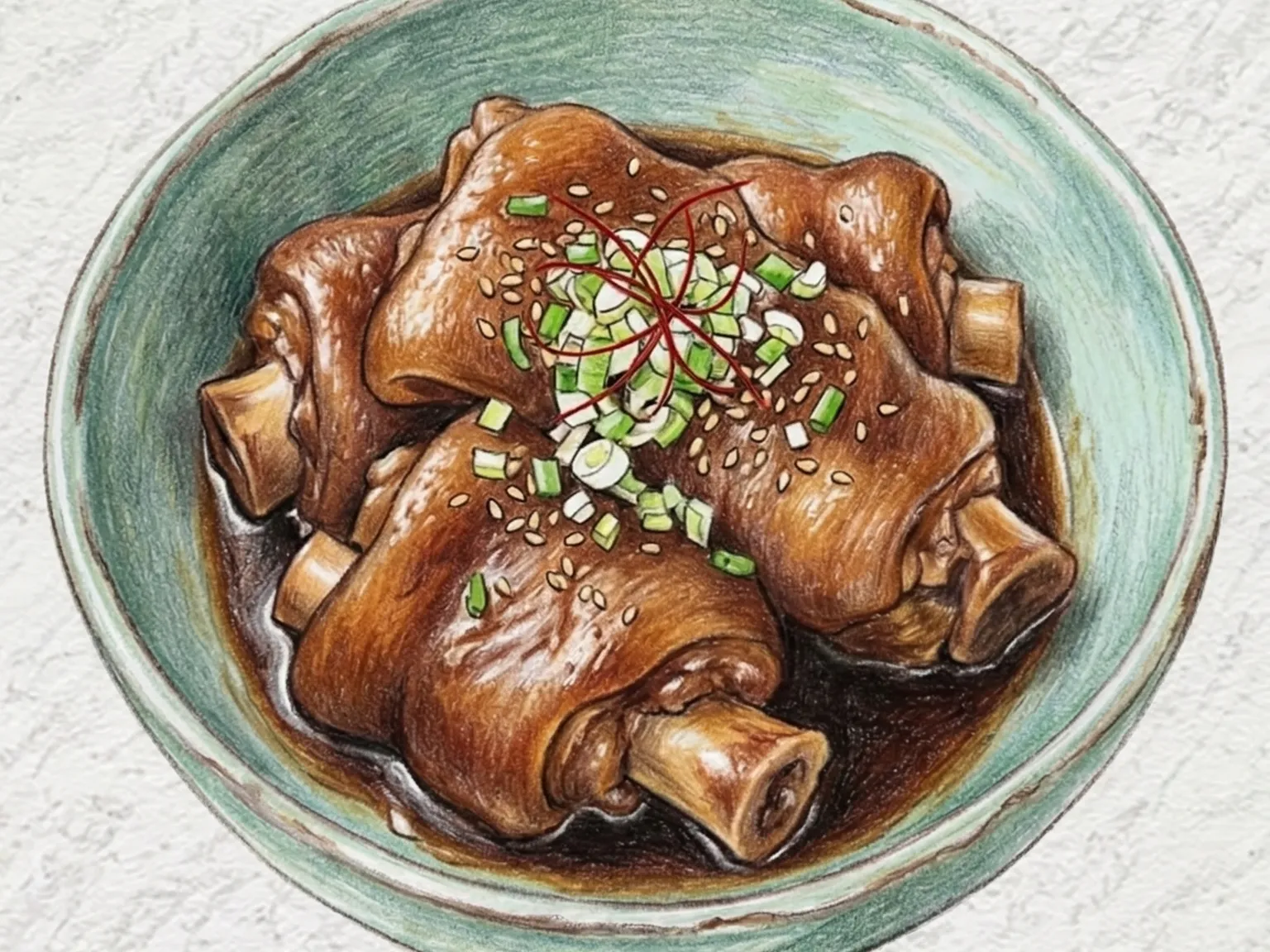
Korean Braised Beef Trotter
Quick answer
- Total time
- 145 min
- Level
- Hard
- Servings
- 4 servings
- Ingredients
- 8
About this dish
Beef trotters carry far more skin and tendon than meat, so they need a 90-minute low simmer before the skin gives under a chopstick.
Read more
Soy sauce and sugar go in only after that, and as the liquid reduces for another 25 minutes, gelatin from the skin turns it glossy and thick. The long soak, blanch and scrub at the start clear any off smell from the bone crevices before it reaches the sauce.
Ingredients
Instructions
- 1
Soak 1400 g beef trotter in cold water to draw out blood, changing the water partway through.
When the water looks clearer, scrub around the bones and skin folds, then rinse thoroughly.
- 2
Bring a generous pot of water to a full boil and blanch the trotter for 10 minutes.
Once foam and scum rise, lift it out and rinse under running water to keep the braise clean.
- 3
Place the trotter in a large pot with 1800 ml water, 1 onion, 1 green onion, 8 garlic cloves, and 1 tablespoon ginger.
Start over high heat until the liquid reaches a steady boil.
- 4
When it begins boiling, skim off the foam, cover the pot, and lower the heat to low.
Simmer for 90 minutes, until the skin softens enough to give when pressed with chopsticks.
- 5
Add 5 tablespoons soy sauce and 1 tablespoon sugar, then spoon the liquid over the trotter.
Braise over medium heat for 25 more minutes so the seasoning soaks into the skin and tendons.
- 6
Turn off the heat when the liquid looks glossy and thick, and the trotter pulls gently away from the bone.
For a cleaner finish, cool it, remove the solidified fat, and reheat before serving.
Official cooking and safety guidance
Public-agency cooking and food safety guidance that applies to this recipe.
Official cooking and safety guidance
-
Storage and reheating
Refrigerate leftovers in shallow containers within 2 hours and use them within 3 to 4 days. Reheat the center to 74°C.
Source: USDA Food Safety and Inspection Service. Leftovers and Food Safety
Sources checked 2026-08-03
Use-up ingredient planner
Turn these ingredients into two more meals
The overlap excludes basic seasonings. Open the next recipe and your selected dishes will stay with you.
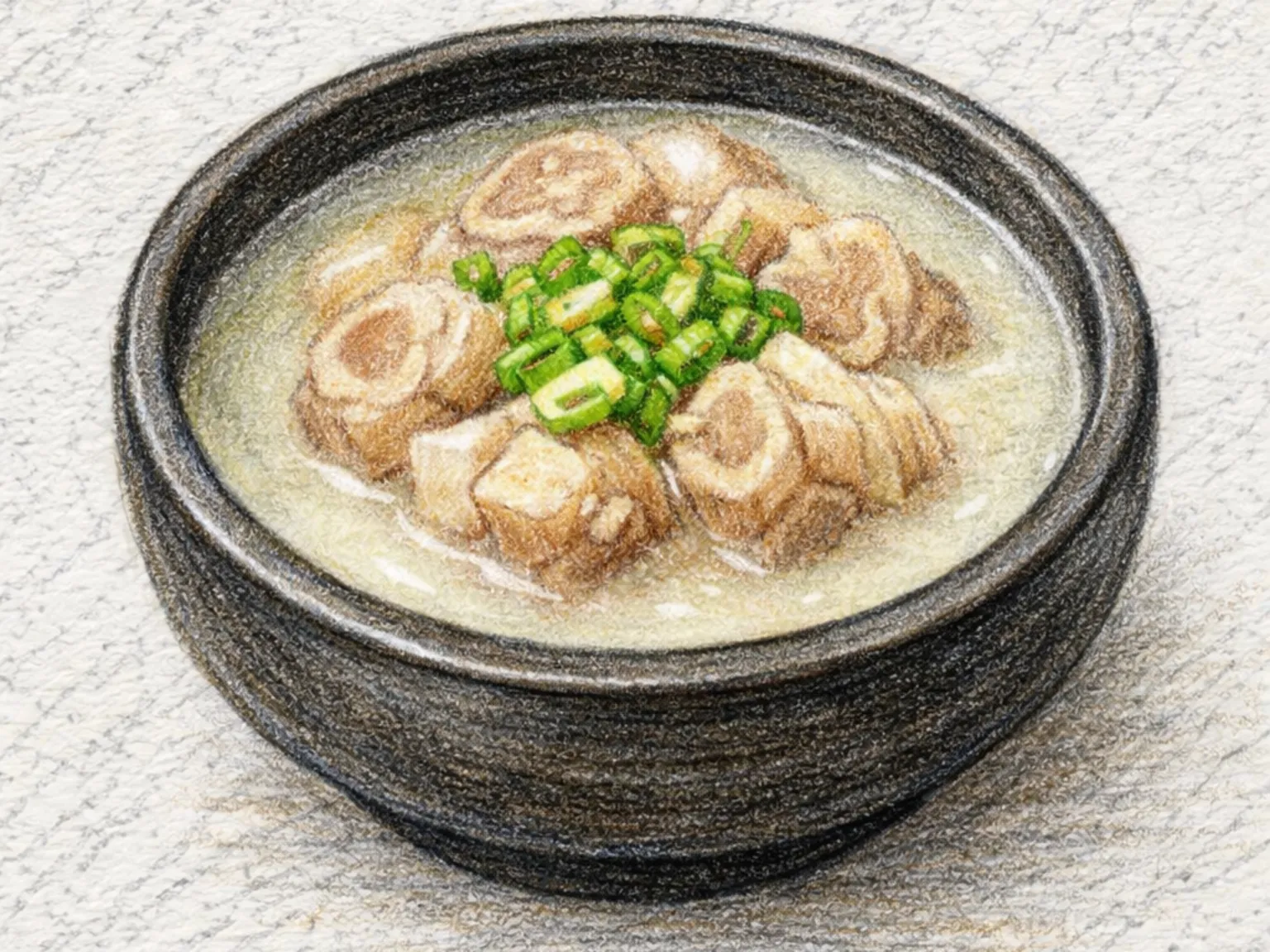
Korean Beef Trotter Soup (Silky Collagen-Rich Slow-Cooked Broth)
beef trotter, onion
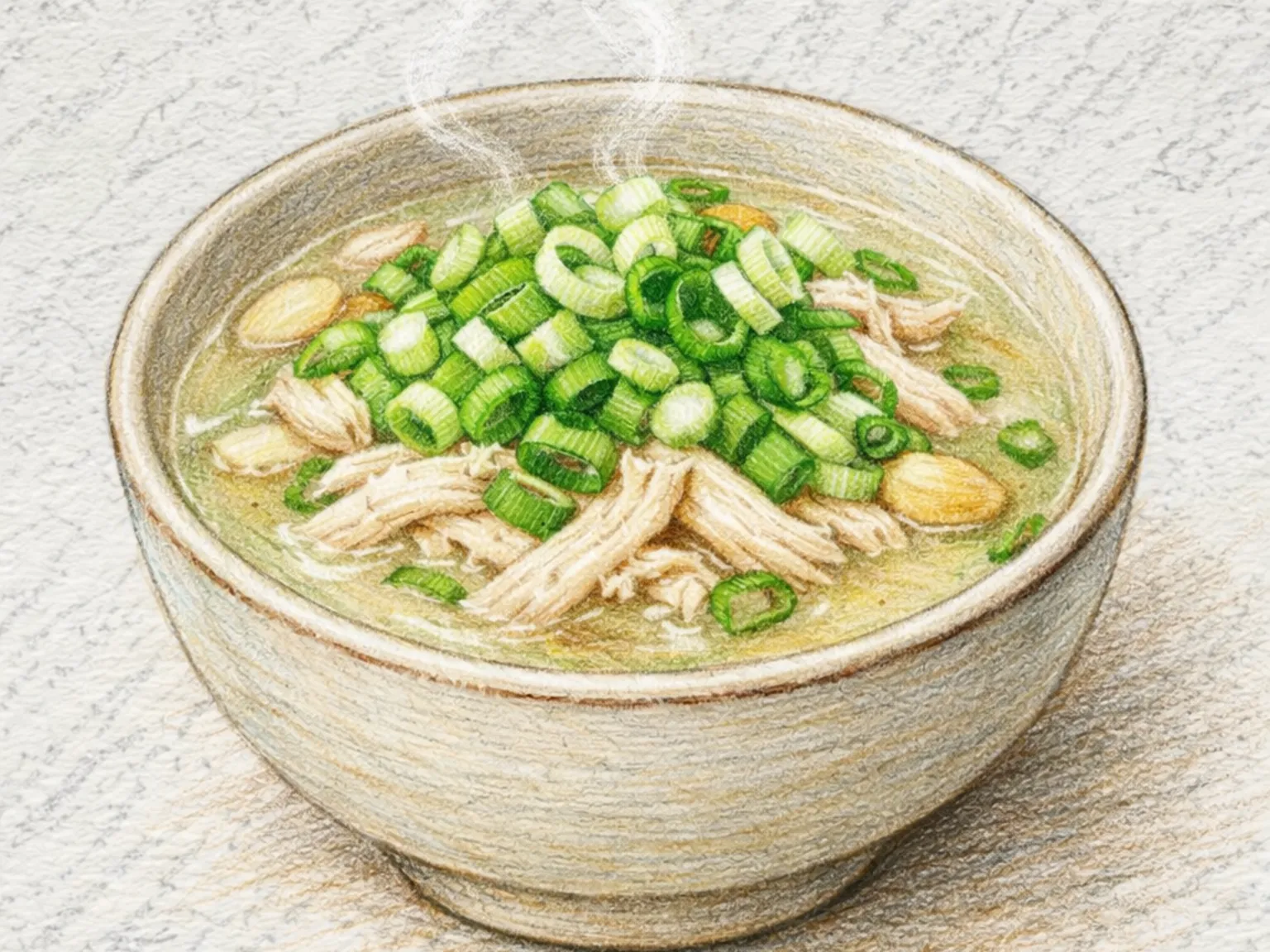
Korean Chicken Bone Broth Soup
ginger, onion
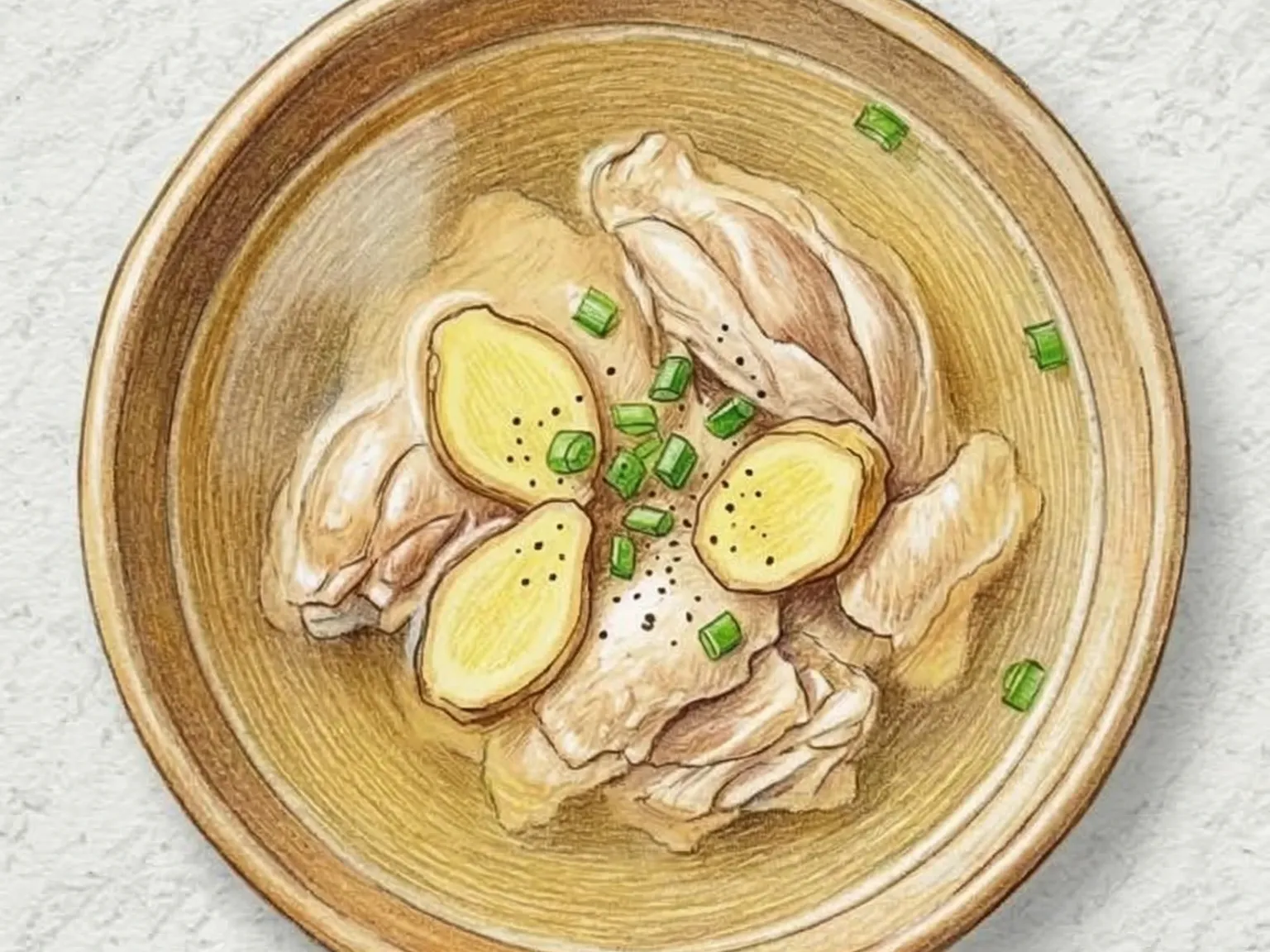
Korean Ginger Chicken Gomtang
ginger, onion