Korean Beef Trotter Soup (Silky Collagen-Rich Slow-Cooked Broth)
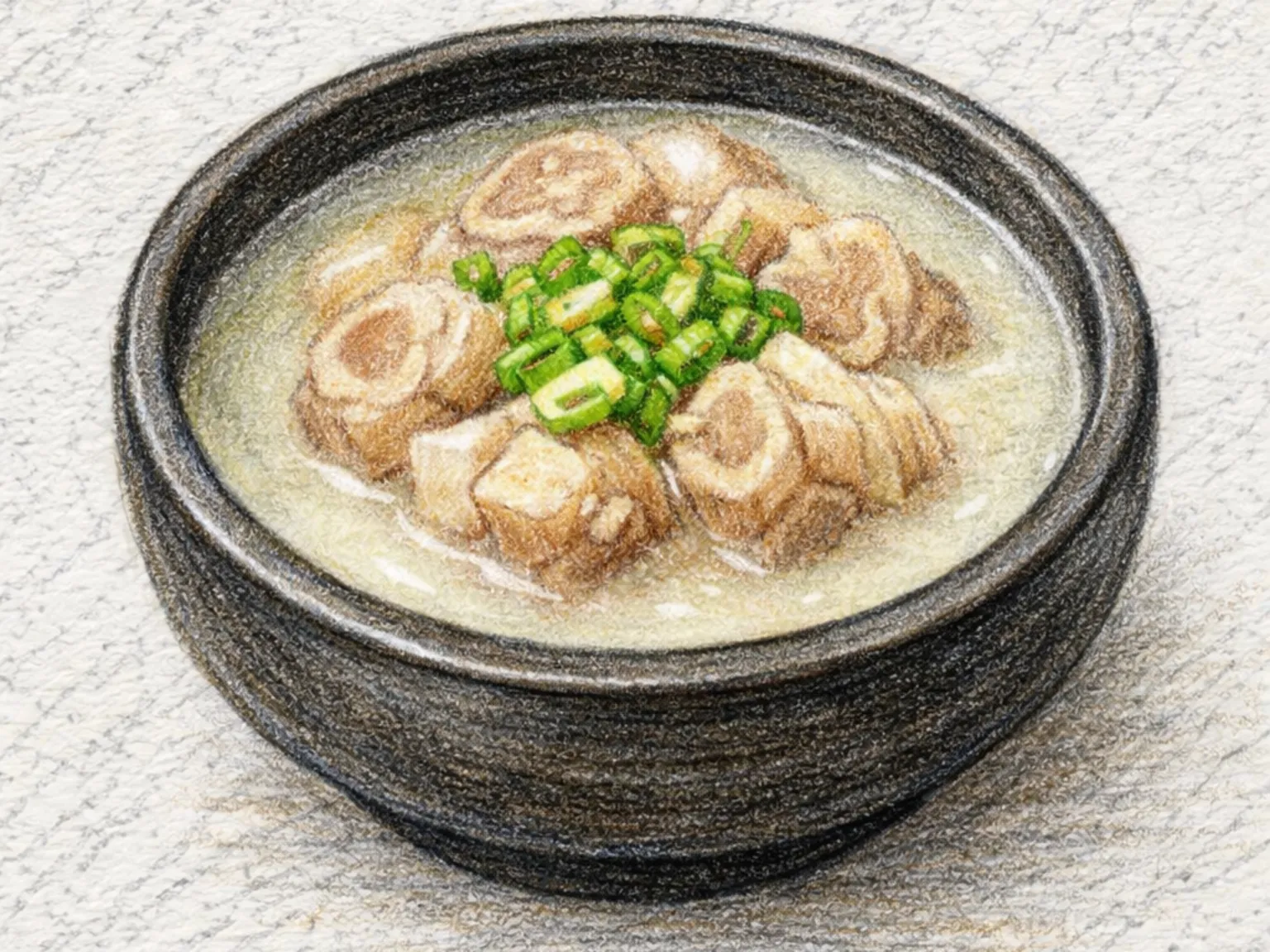
Ujok-tang is a slow-cooked Korean soup made from beef trotters, prized for the extraordinary amount of collagen packed into the bones, tendons, and skin of the cut. The trotters are first soaked for hours in cold water to purge blood and any off-flavors, then placed in a deep pot and simmered at a gentle roll for four to six hours. During that time, the collagen gradually dissolves into the cooking liquid, transforming it from plain water into a milky, opaque broth with a viscous body that coats the spoon and sets firm when chilled. Regular skimming of fat and foam throughout the process ensures the final broth tastes clean rather than greasy. The trotter meat itself falls into two distinct textures: the skin and tendons turn gelatinous and springy, offering a bouncy chew, while the small pockets of muscle between the bones are meltingly soft. Traditional seasoning is limited to coarse salt and freshly ground pepper, allowing the broth's natural richness to speak. A dab of hot mustard or a spoonful of salted shrimp paste on the side provides a sharp contrast that keeps each mouthful interesting. Ujok-tang has long been regarded as a restorative food, particularly valued for its supposed benefits to joints and skin.
Adjust Servings
Instructions
- 1
Soak beef trotters in cold water for 2 hours.
- 2
Blanch for 10 minutes, then rinse to remove impurities.
- 3
Boil trotters in fresh water on high heat and skim foam.
- 4
Add onion, green onion, and garlic, then simmer for 3.5 hours.
- 5
Remove solids, strain the broth, and season with salt.
As an Amazon Associate, we may earn from qualifying purchases.
Tips
Nutrition (per serving)
More Recipes

Korean Oxtail Soup
Sokori-guk demands patience - oxtail pieces are soaked in cold water to draw out blood, then placed in a heavy pot with enough water to cover and simmered for at least three to four hours. During that long, slow cook, collagen buried in the joints and connective tissue dissolves into the liquid, producing a broth so rich in gelatin that it sets into a solid block when refrigerated. Skimming fat and foam at regular intervals keeps the final broth a clean, milky white with no greasy residue. The meat, once it slides easily off the bone, is torn along the grain into shreds that are impossibly soft, while the tendon segments offer a pleasantly bouncy chew. Seasoning is deliberately minimal - coarse salt, black pepper, and sliced scallion - because the bones themselves have already contributed all the depth the soup needs. Served with a bowl of steamed rice and a side of kkakdugi, the cubed radish kimchi's sharp tang provides the only counterpoint this quietly powerful broth requires.

Korean Ox Bone Soup (Milky Slow-Simmered Beef Bone Broth)
Seolleongtang is one of Korea's oldest and most revered soups, made by boiling ox bones and beef brisket for six to eight hours until the broth turns opaque, milky white. The bones are soaked for at least two hours and blanched once to purge impurities before the real simmering begins. Over the course of half a day at a gentle boil, marrow and collagen dissolve into the water, creating a broth with a heavy, almost creamy mouthfeel and a deep, bovine savoriness that no shortcut can replicate. The brisket is pulled out after two hours, sliced thin, and placed on top of the soup as garnish. By tradition, the broth arrives at the table unseasoned - each diner adds salt, pepper, and sliced green onion to taste, a custom that underscores how the flavor of the broth itself is expected to carry the bowl. Rice or thin wheat noodles are added directly to the soup, soaking up the rich liquid.

Gomtang (Slow-Simmered Ox Bone Beef Soup)
Gomtang is a quintessential Korean bone soup made by simmering beef leg bones and brisket in water for five to six hours or longer until the broth turns opaque and milky white. The prolonged cooking extracts collagen, marrow, and fat from the bones, giving the liquid a luxuriously creamy texture and a deep beefy flavor that needs only salt and pepper to taste complete. The brisket is removed partway through, sliced thin against the grain, and placed back atop the steaming broth for serving. Green onion and a generous shake of black pepper cut through the richness. The most common way to eat gomtang is with a bowl of rice submerged directly into the soup, letting the grains soak up the milky broth. This is slow food in the truest sense - the hours of effort yield a pot that can feed a family for two days - and remains one of the dishes Koreans crave most when the temperature drops.

Korean Short Rib and Octopus Soup
Galnak-tang bridges land and sea by combining beef short ribs with fresh octopus in a single broth. The ribs go in first, simmering for an hour or more until the water draws out a concentrated beefy stock. Octopus is added near the end to prevent it from turning rubbery, leaving the tentacles tender and springy. Radish slices help balance the richness with a clean, mild sweetness. The resulting soup carries two distinct layers of umami - the deep, fatty depth of beef and the briny brightness of seafood - that somehow complement rather than clash. In Korean food culture, galnak-tang is considered a stamina-building dish, often ordered during the hot summer months or the morning after a night of drinking. The two proteins look striking together in the bowl, with dark braised rib meat sitting beside the curled, rosy-white octopus.

Korean Braised Beef Trotter
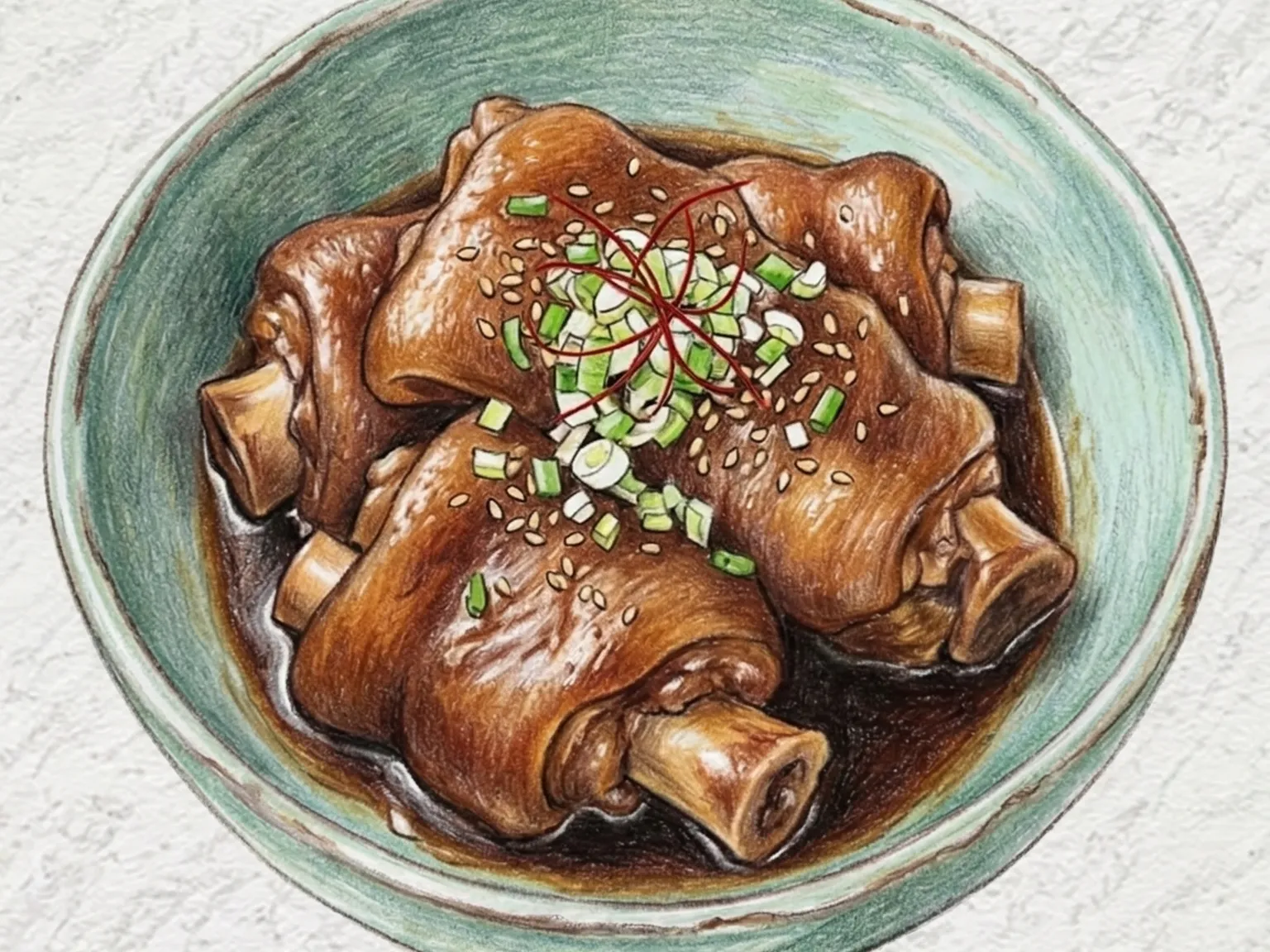
Ujok-jjim is Korean braised beef trotter simmered for over two hours with soy sauce, garlic, ginger, and green onion until the collagen-rich joints turn soft and gelatinous. The long, low braise dissolves the connective tissue into the cooking liquid, making it so concentrated that it sets into a firm jelly when cooled. Sugar and soy sauce create a sweet-savory seasoning that penetrates deep into the layered skin and tendons. Traditionally regarded as a nourishing food for joint health, this is a slow-cooked comfort dish especially popular among older generations in Korea.

Korean Andong Guksi (Clear Beef Broth Celebration Noodles)
Andong guksi is a noodle tradition from the city of Andong in North Gyeongsang Province, where it has been served at weddings, ancestral rites, and important family events for centuries - in Korean culture, long noodles symbolize longevity. The broth is made by simmering beef brisket and bones for hours until the liquid is clear yet deeply flavored, with a clean gelatin richness that coats the lips. Wheat noodles - historically hand-pulled but now usually dried - are boiled separately, rinsed, and placed in the strained broth. The toppings are deliberately understated: thin strips of egg jidan, julienned zucchini, and perhaps a few slices of the boiled brisket. Seasoning with soup soy sauce and a touch of garlic keeps the broth transparent and lets the beef flavor speak. Unlike the bold, chili-heavy soups of Andong's other famous dish (jjimdak), guksi is an exercise in restraint and clarity.