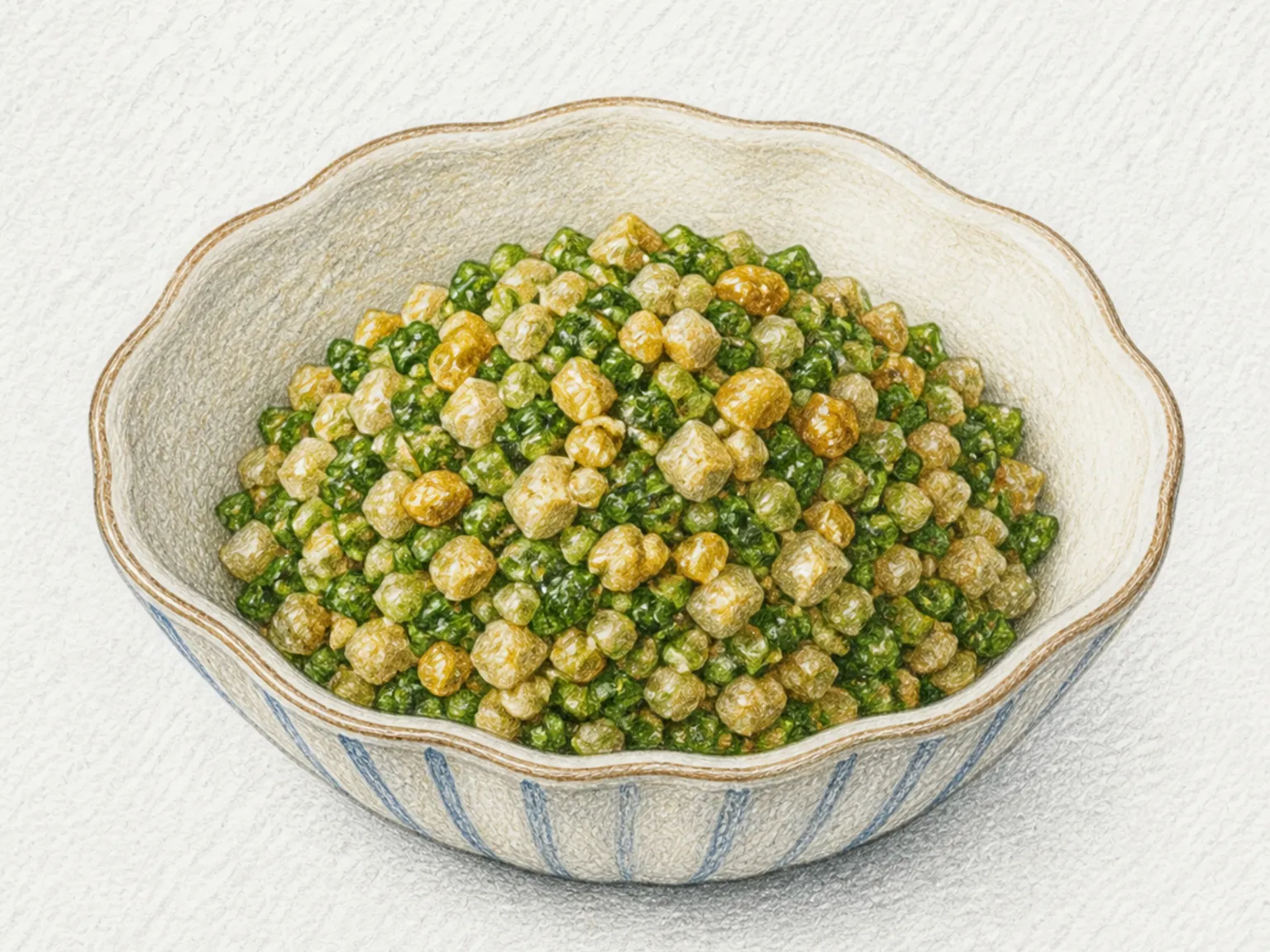
Ukogi no Horohoro (Chopped Ukogi, Daikon, and Walnuts)
Quick answer
- Total time
- 25 min
- Level
- Easy
- Servings
- 2 servings
- Ingredients
- 5
About this dish
Blanched young ukogi shoots, miso-pickled daikon and walnuts are all chopped to just larger than a grain of rice, giving a loose, crumbly mix that scatters as you pick it up.
Read more
Most of the salt comes from the pickled daikon, so soy sauce and salt are added only after tasting. Only ukogi grown and sold as food belongs in it, since wild plants are easy to confuse with look-alikes, and anyone with a walnut allergy should avoid the dish.
Ingredients
Instructions
- 1
Use only cultivated ukogi shoots sold for eating and remove thorns and tough stems.
Swish through two changes of cold water and drain in a clean sieve.
- 2
Boil 1L water with 5g additional blanching salt.
Blanch 15g ukogi shoots for 30 seconds, transfer immediately to ice water, and squeeze firmly with both hands once cold.
- 3
Finely chop the blanched ukogi, 10g miso-pickled daikon, and 20g walnuts separately to about 3mm, just coarser than rice grains.
Cut the walnuts from two directions so no large pieces remain.
- 4
Toss the three ingredients loosely with chopsticks.
Taste the salt from the pickled daikon, then season gradually with up to 5ml soy sauce and 1g salt and divide into two bowls.
References checked
These references were consulted when this page was prepared or corrected. A source check does not mean the recipe was independently kitchen-tested.
- 일본 농림수산성 うちの郷土料理
「食べよういわて郷土食と食の匠の技」(中村町子氏) · Checked: 2026-08-11
Use-up ingredient planner
Turn these ingredients into two more meals
The overlap excludes basic seasonings. Open the next recipe and your selected dishes will stay with you.
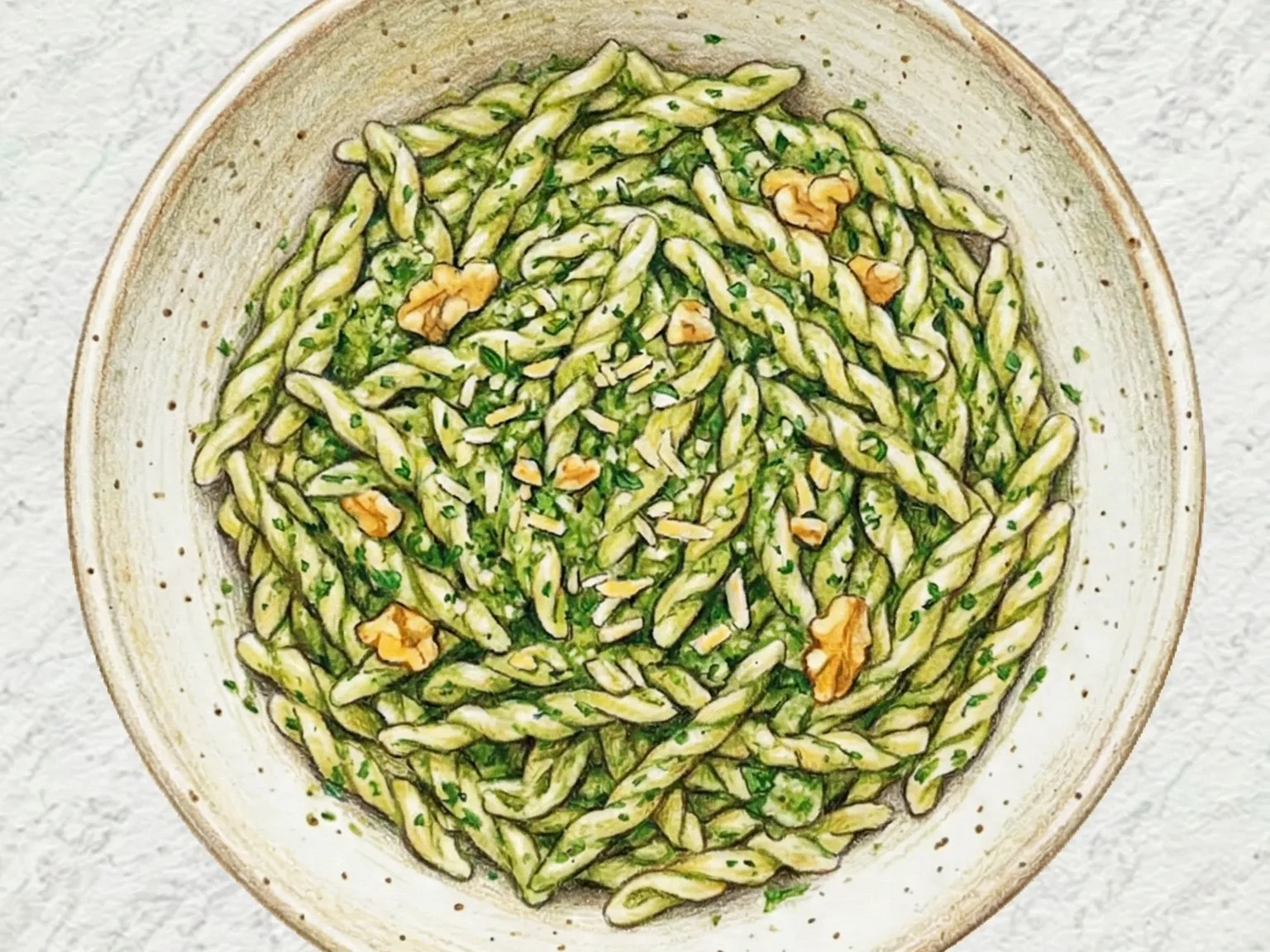
Chamnamul Walnut Pesto Trofie
walnuts
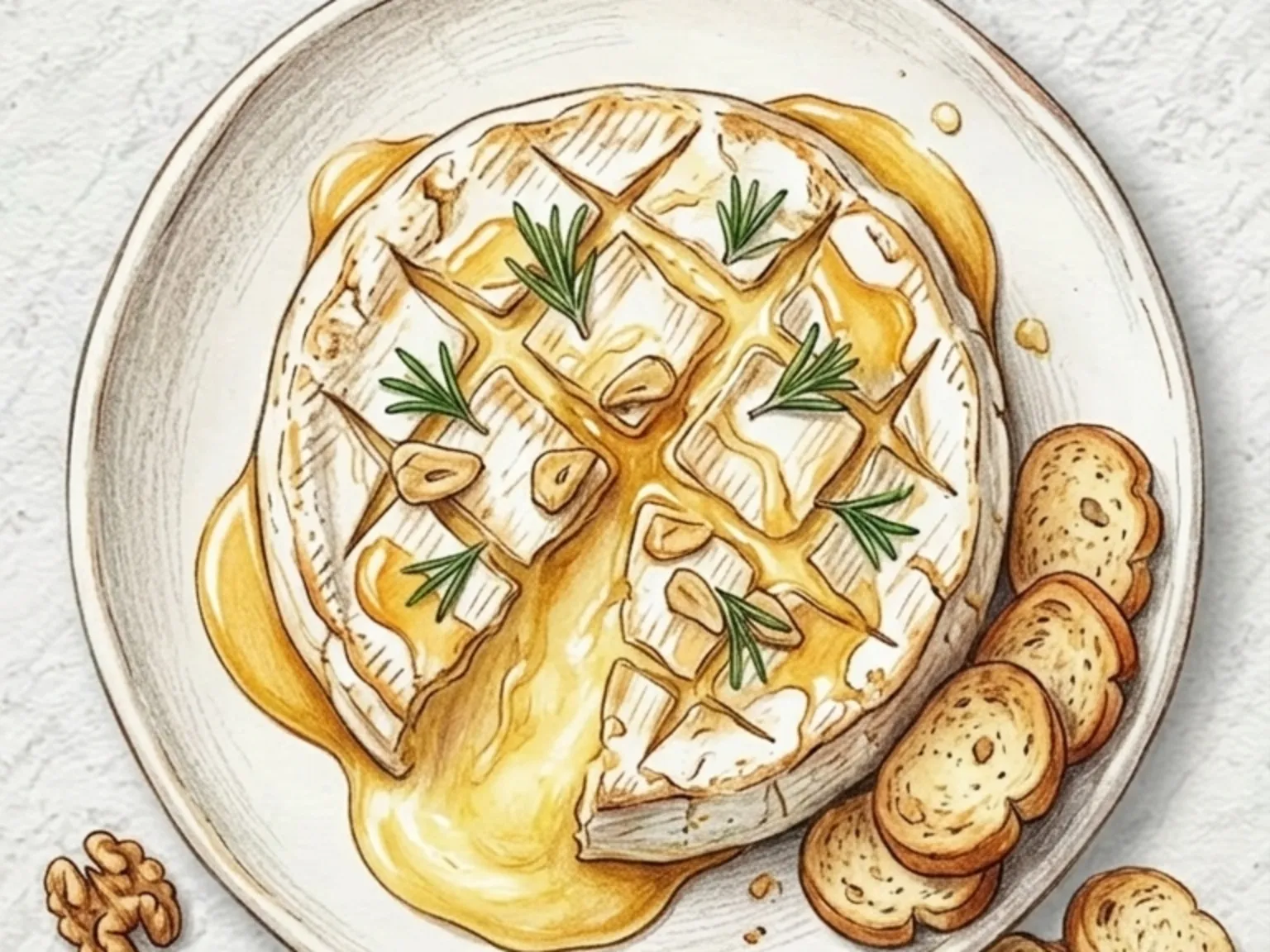
Warm Melting Cheese (Whole Oven-Baked Camembert with Garlic and Honey)
walnuts
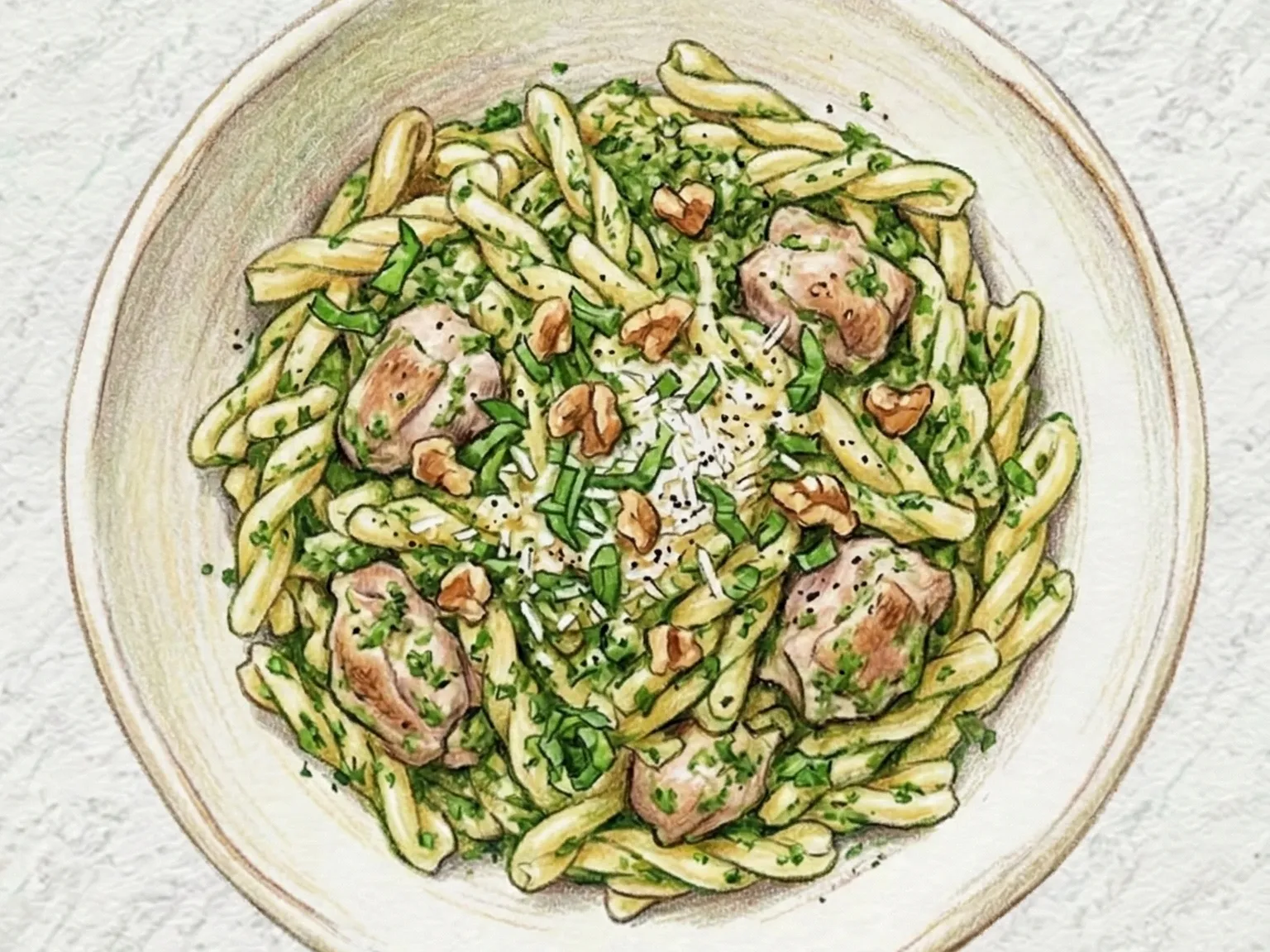
Minari Pesto Chicken Gemelli
walnuts