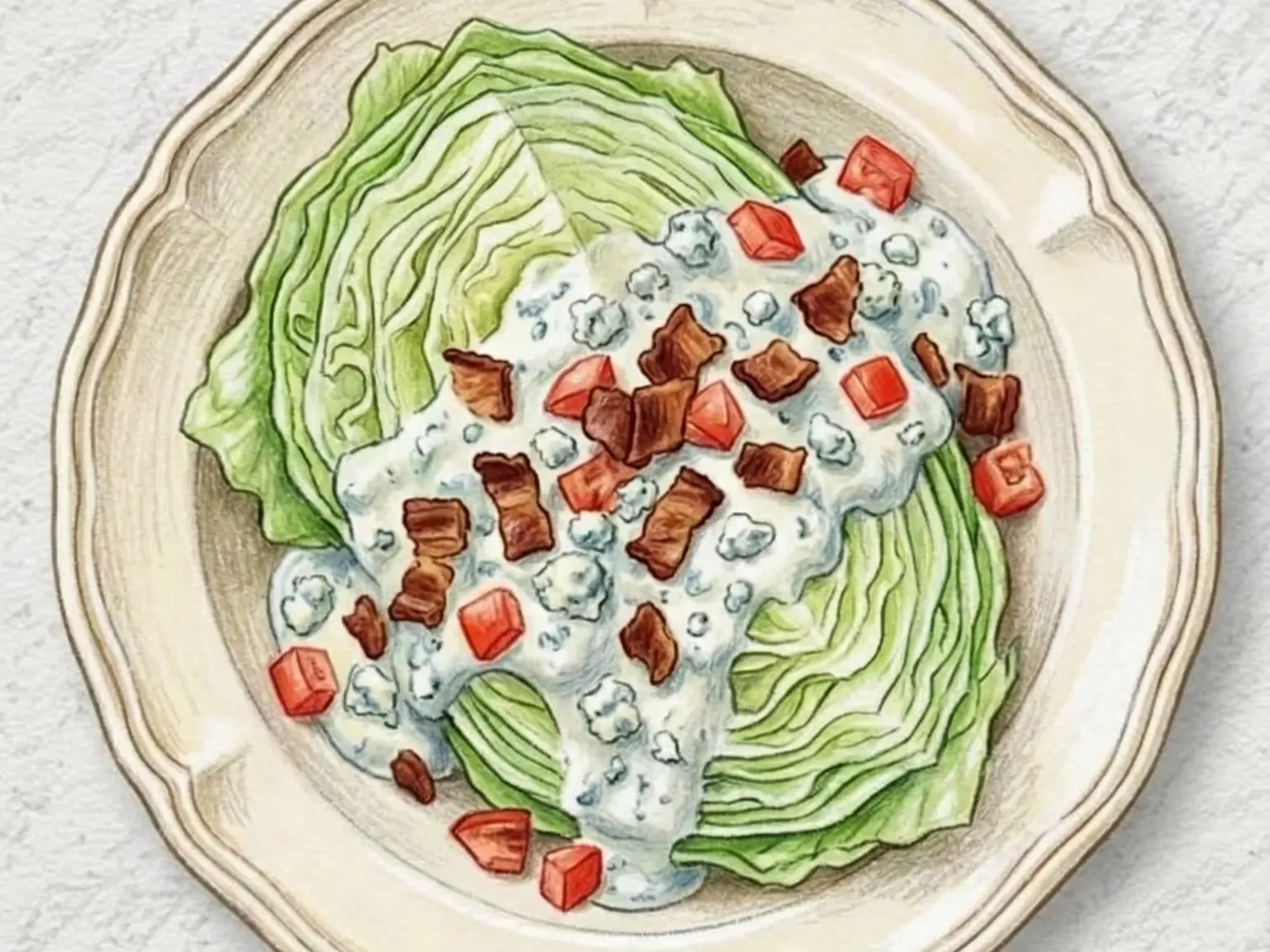
Classic Wedge Salad
Quick answer
- Total time
- 20 min
- Level
- Easy
- Servings
- 2 servings
- Ingredients
- 8
About this dish
Iceberg lettuce is cut into quarters with the core left on, so each wedge stays cold, firm and whole while blue cheese dressing runs down between the layers.
Read more
Because the leaves are never separated, water trapped between them and in the cut face is what thins the dressing. Only part of the blue cheese is mashed into the sour cream base, leaving small lumps; the rest is scattered on top with crisp bacon, tomatoes and chives. If the blue cheese tastes too strong, part of it can be replaced with Parmesan without changing the method. Assemble it right before serving, as dressed lettuce softens fast.
Ingredients
Instructions
- 1
Lay 120 g bacon in a skillet without overlapping and cook over medium-low heat for 8 to 10 minutes.
When the fat has rendered and the edges look crisp, drain it on paper towels and let it cool.
- 2
Crumble half of the 60 g blue cheese finely.
Mix it with 1/2 cup sour cream, 2 tablespoons mayonnaise, and 1 teaspoon lemon juice until creamy, leaving a few small cheese pieces for texture.
- 3
Cut 1 head of iceberg lettuce into 4 wedges, keeping the core attached so the leaves hold together.
Rinse in cold water, then shake out water between the layers so the dressing will not become thin.
- 4
Halve 120 g cherry tomatoes and place them cut side up if they are juicy.
Thinly slice enough chives for 1 tablespoon, then crumble the cooled bacon into small crisp pieces.
- 5
Place each lettuce wedge on a plate with the cut sides visible.
Spoon the dressing slowly over the top so it runs between the leaves, and avoid dressing the salad too early to keep it crisp.
- 6
Top evenly with the bacon, tomatoes, remaining blue cheese, and chives.
Serve right away while the lettuce is still cold and firm, so the crisp texture contrasts clearly with the rich dressing.
Use-up ingredient planner
Turn these ingredients into two more meals
The overlap excludes basic seasonings. Open the next recipe and your selected dishes will stay with you.
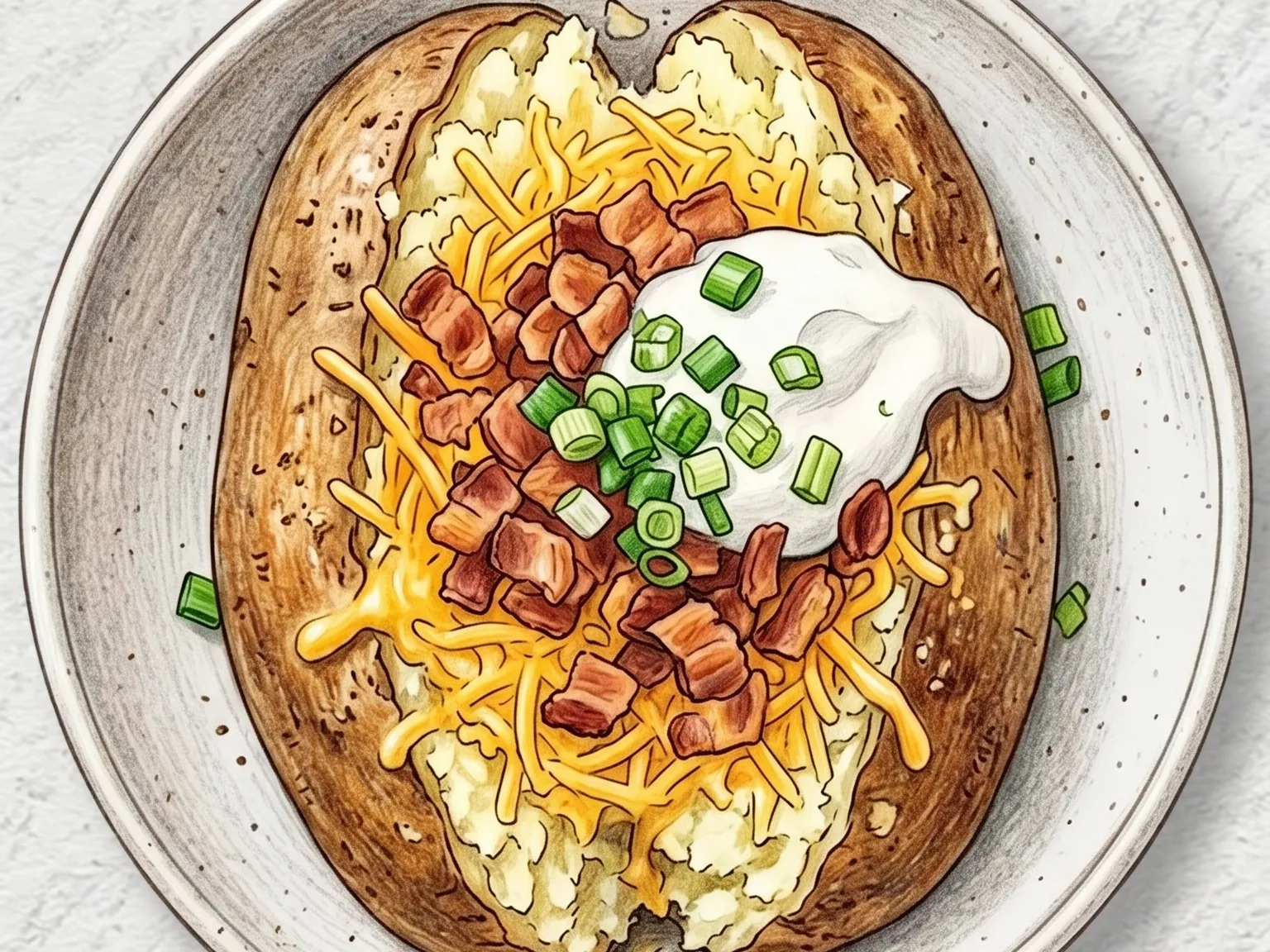
Loaded Baked Potato
bacon, sour cream
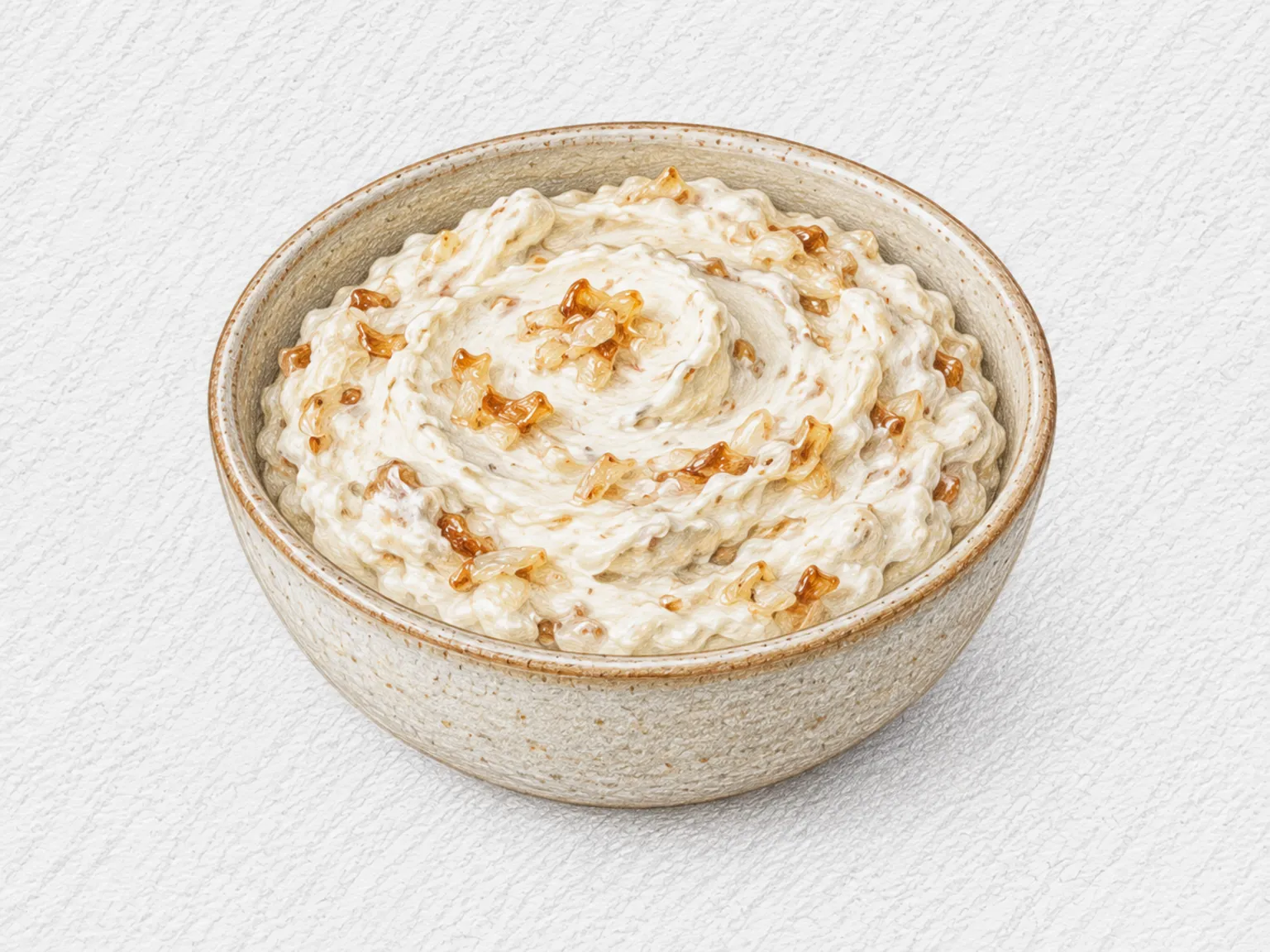
French Onion Dip
sour cream, mayonnaise
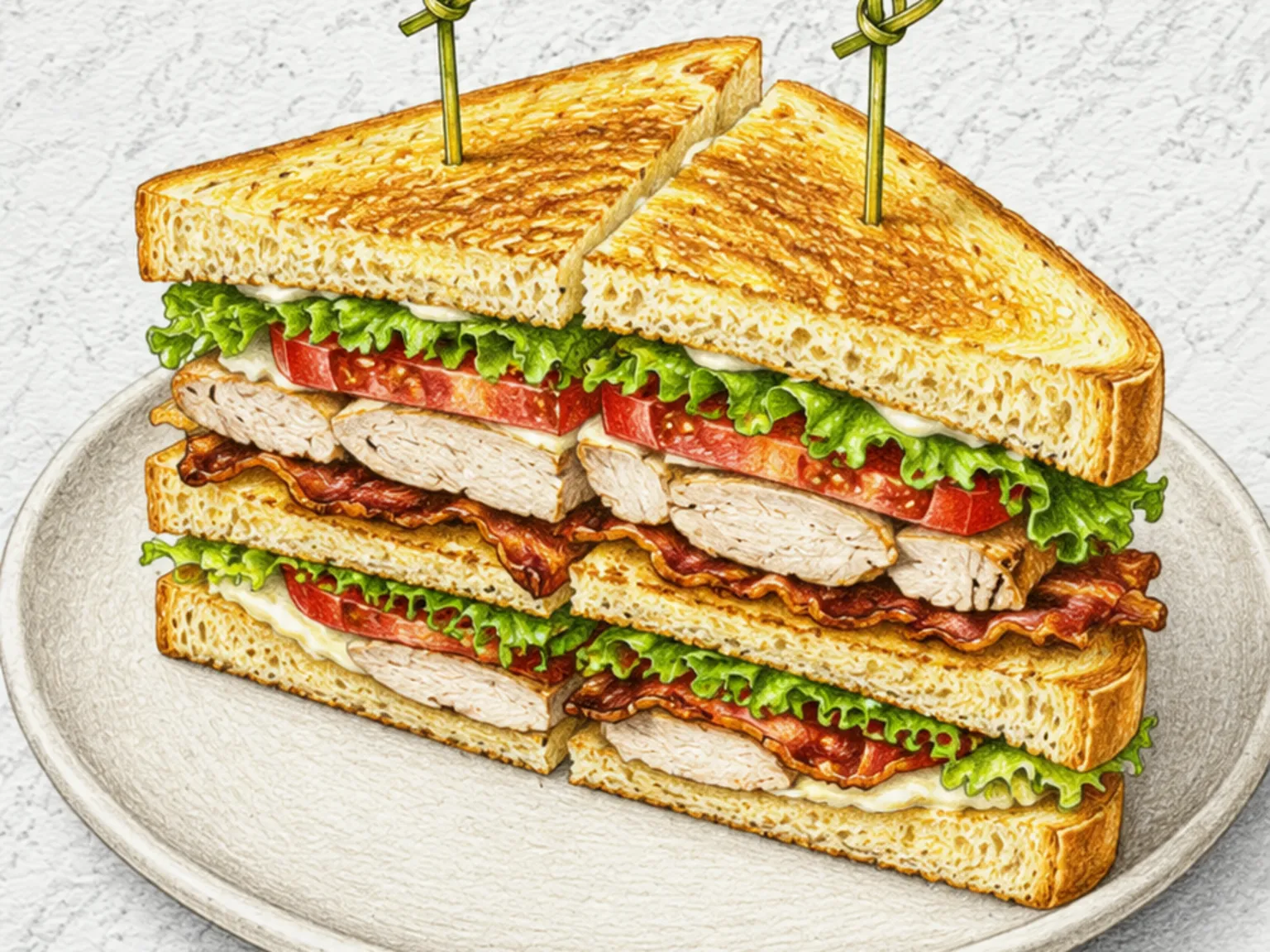
Club Sandwich
bacon, mayonnaise