Korean Vegetable Bibim Mandu
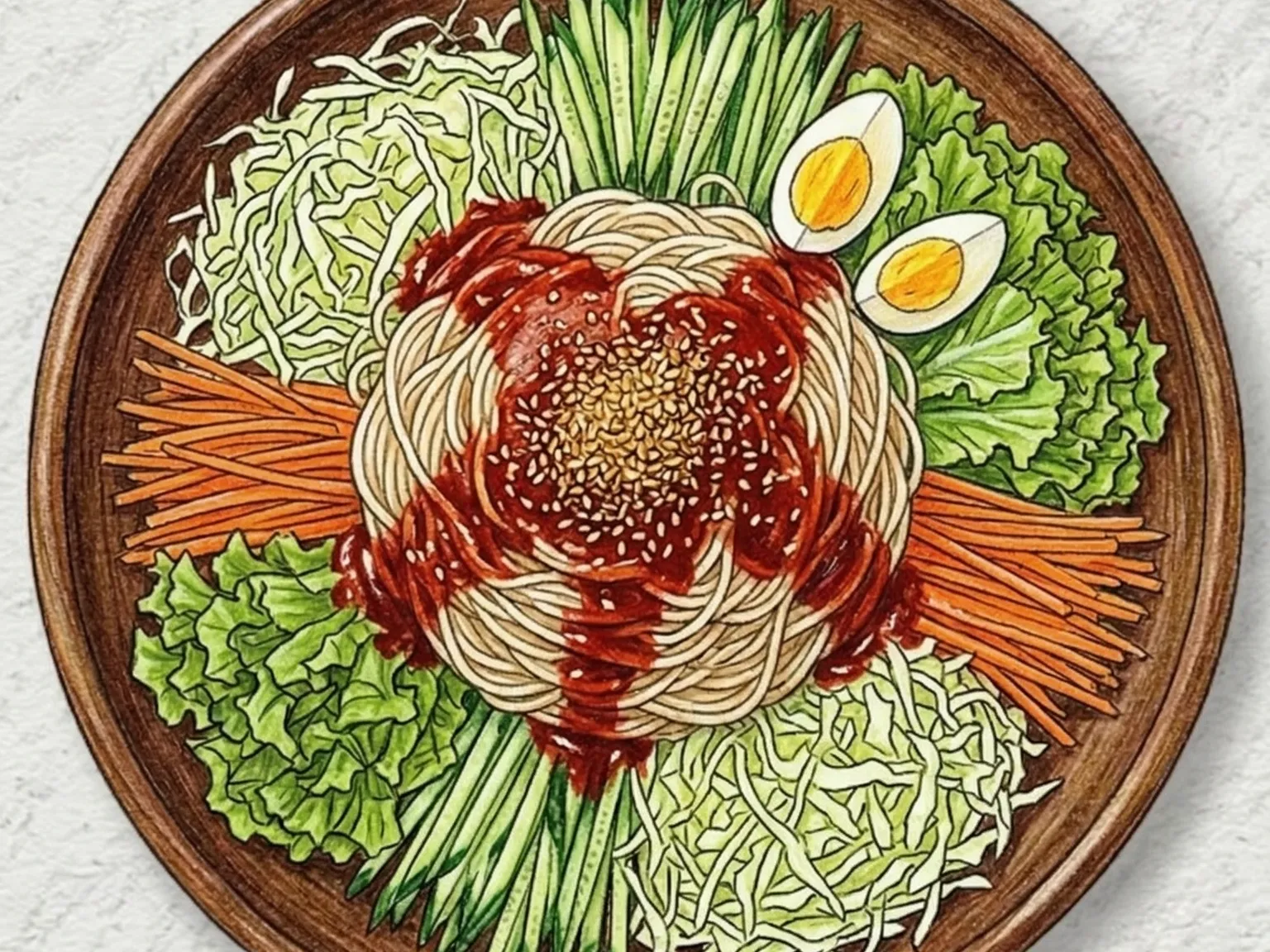
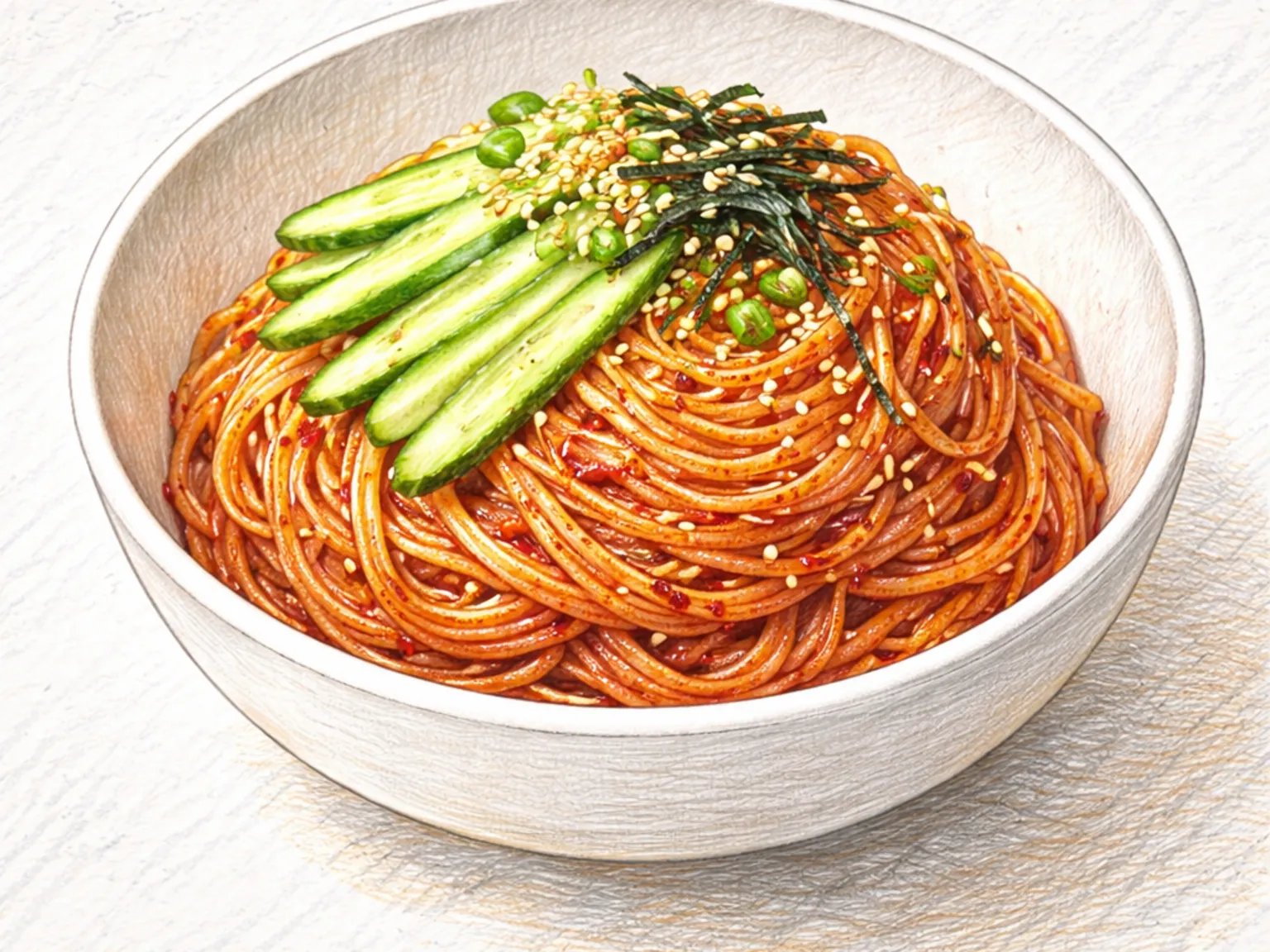
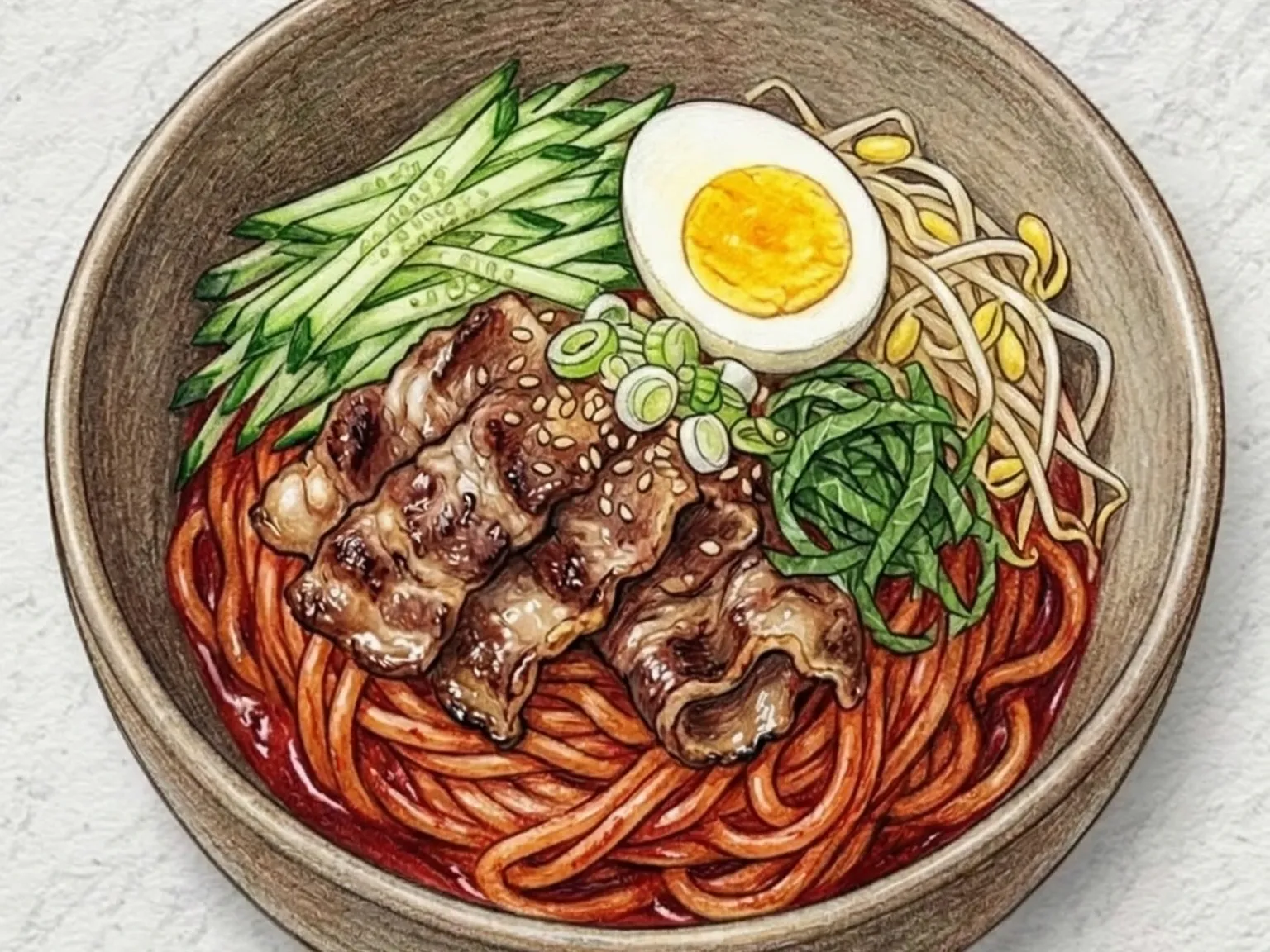
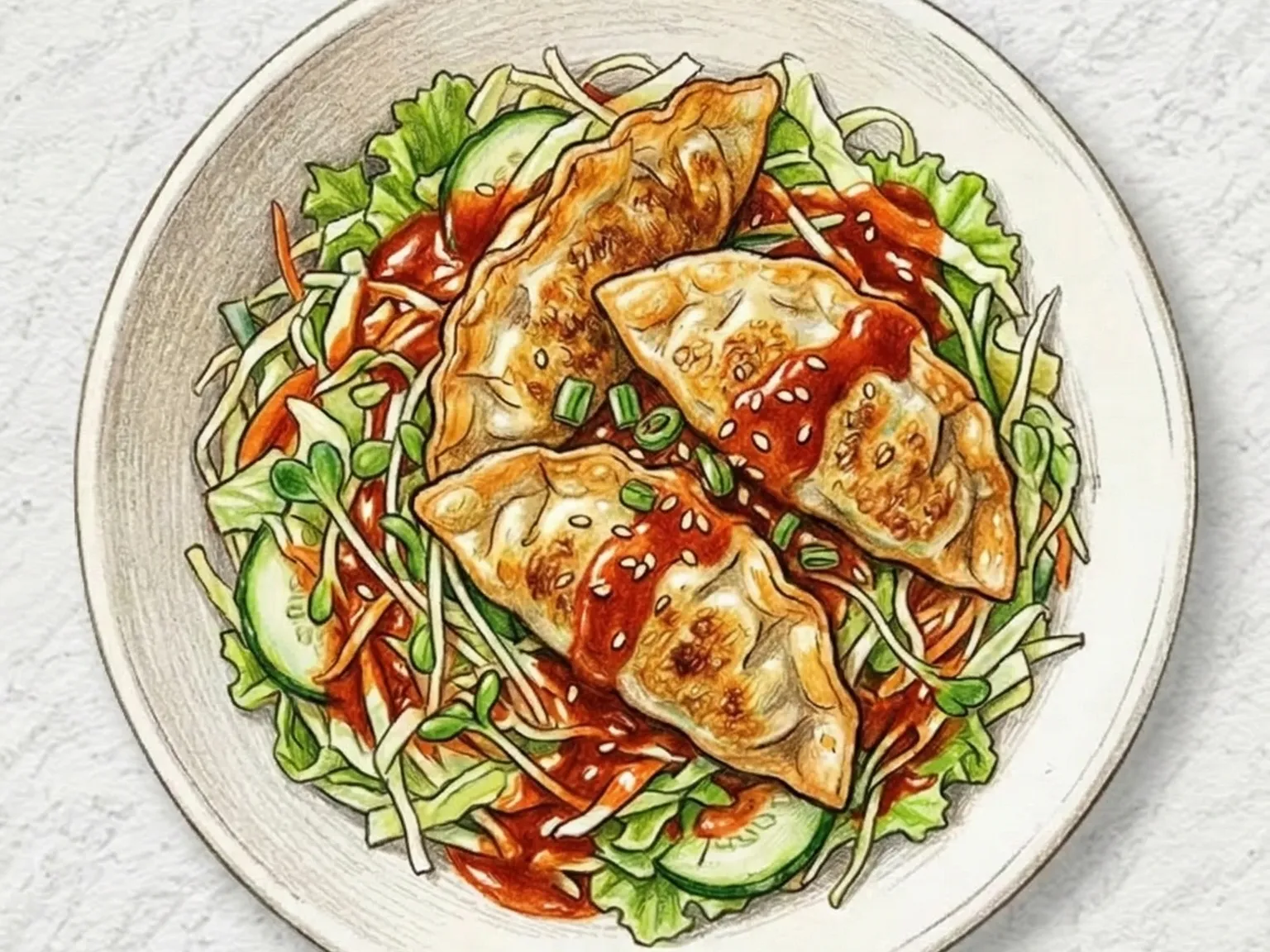
Yachae-bibim-mandu combines pan-fried or air-fried dumplings with raw shredded cabbage, lettuce, and cucumber, all tossed in a tangy-spicy dressing of gochujang, vinegar, sugar, and sesame oil. Soaking the vegetables briefly in cold water and draining them well ensures maximum crispness, and tossing half the sauce with the greens first lets the seasoning penetrate evenly. The hot dumplings are placed on top just before serving so their fried shells stay intact against the moisture underneath. Drizzling the remaining sauce over everything ties the dish together with layers of crunch from the wrapper, snap from the vegetables, and a bright, vinegar-lifted heat from the dressing.
Adjust Servings
Instructions
- 1
Thinly slice cabbage, lettuce, and cucumber, chill briefly in cold water, then drain well.
- 2
Combine gochujang, vinegar, sugar, and sesame oil for a sweet-spicy sauce.
- 3
Pan-fry or air-fry dumplings until golden and crispy.
- 4
Toss vegetables with half the sauce and spread on a serving plate.
- 5
Top with hot dumplings, drizzle remaining sauce, and serve immediately.
As an Amazon Associate, we may earn from qualifying purchases.
Tips
Nutrition (per serving)
More Recipes

Korean Egg Dumpling Pancakes
Gyeran-mandu is a Korean market-style egg dumpling pancake, made by mixing finely chopped cabbage, scallion, and soaked glass noodles into beaten egg and pan-frying into flat rounds. Instead of a traditional dumpling wrapper, the egg itself forms the outer shell, cooked slowly over medium-low heat until lightly golden outside and moist inside. Squeezing excess moisture from the vegetables is critical - too much water and the patties lose their shape. The glass noodles must be cut short to make flipping manageable, and a soy sauce dip brings a salty contrast to the egg's mild flavor.

Korean Gochujang Bibim Udon Cup (Spicy Mixed Udon Cup)
Gochujang bibim udon cup is a cold-tossed udon dish served in a cup, dressed with a sauce of gochujang, soy sauce, oligosaccharide syrup, vinegar, and sesame oil. The fermented heat of gochujang meets the vinegar's acidity to create a tangy-spicy profile without harshness, while the syrup adds body that helps the sauce coat the thick udon strands evenly. Raw julienned cabbage and carrot are mixed in for textural crunch against the soft noodles. Cooling the noodles completely before tossing prevents the sauce from clumping, ensuring every strand is evenly seasoned.

Korean Crispy Kimchi Fried Dumplings
Kimchi gun mandu are pan-fried dumplings filled with finely chopped kimchi, squeezed tofu, ground pork, and green onion seasoned with soy sauce and garlic, shaped into half-moons. The bottoms are first crisped in oil, then water is added and the pan is covered for four minutes to steam the tops, achieving a contrast of crunchy base and moist upper wrapper. The kimchi's acidity and heat permeate the pork fat to create a more assertive umami than plain dumplings, and the tofu smooths out the filling's texture. A splash of vinegar in the soy dipping sauce cuts any greasiness.

Korean Chili Oil Boiled Dumplings
Chili oil mulmandu is a Korean dish of boiled dumplings dressed in a sauce of chili oil, soy sauce, vinegar, garlic, and sugar. The dumplings are boiled until they float and then cooked two more minutes for a springy wrapper, and draining them thoroughly prevents the sauce from diluting. Soy sauce and vinegar form a salty-tart base, while chili oil adds a spicy aroma and glossy red sheen. Chopped scallion scattered on top brings a fresh herbal note that lightens the oily richness of the sauce.

Korean Spicy Braised Tofu
Spicy dubu-jorim pan-sears firm tofu slabs cut 1.5 centimeters thick until golden on both sides, then braises them in a sauce of soy sauce, gochugaru, garlic, and sugar. Searing first firms the tofu so it holds its shape through the eight-minute simmer, during which onion and green onion cook alongside in the reducing liquid. The chili flakes deliver a direct, persistent heat that penetrates the tofu as the sauce thickens, balanced by the sugar's sweetness. A final circle of sesame oil ties the flavors together with a roasted, nutty aroma.

Korean Cucumber Doenjang Salad
Oi-doenjang-muchim dresses cucumber in a doenjang-based seasoning - a milder alternative to the gochugaru-forward oi-muchim, foregrounding the fermented soybean paste's savory depth over spicy heat. Cucumber is sliced into half-moons or diagonal cuts and salted for five minutes to draw out moisture; skipping this step dilutes the dressing into a watery puddle. The seasoning blends doenjang, soup soy sauce, minced garlic, sesame oil, and sesame seeds, with the doenjang quantity being the critical ratio - too much and the dish is aggressively salty, too little and the cucumber's blandness dominates. Roughly one tablespoon of doenjang to two cucumbers is the working proportion. The cucumber's cool moisture meets doenjang's deep umami to produce a combination that is refreshing yet substantial enough to anchor a rice meal, especially in summer. This banchan must be eaten promptly after assembly - over time, osmotic pressure draws water from the cucumber and collapses its crunch. Served alongside grilled meat, the doenjang's savoriness complements the char while cleansing the palate.