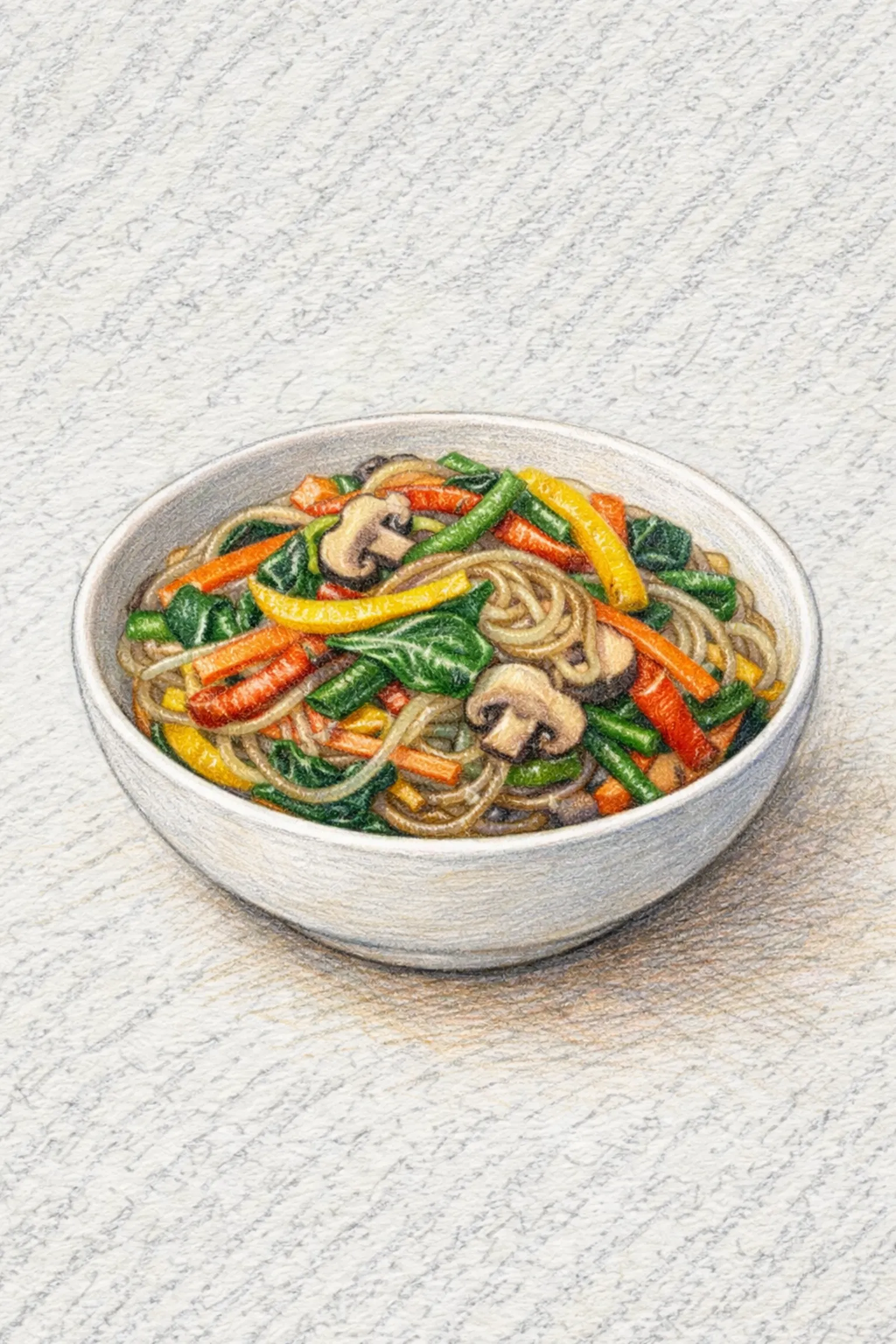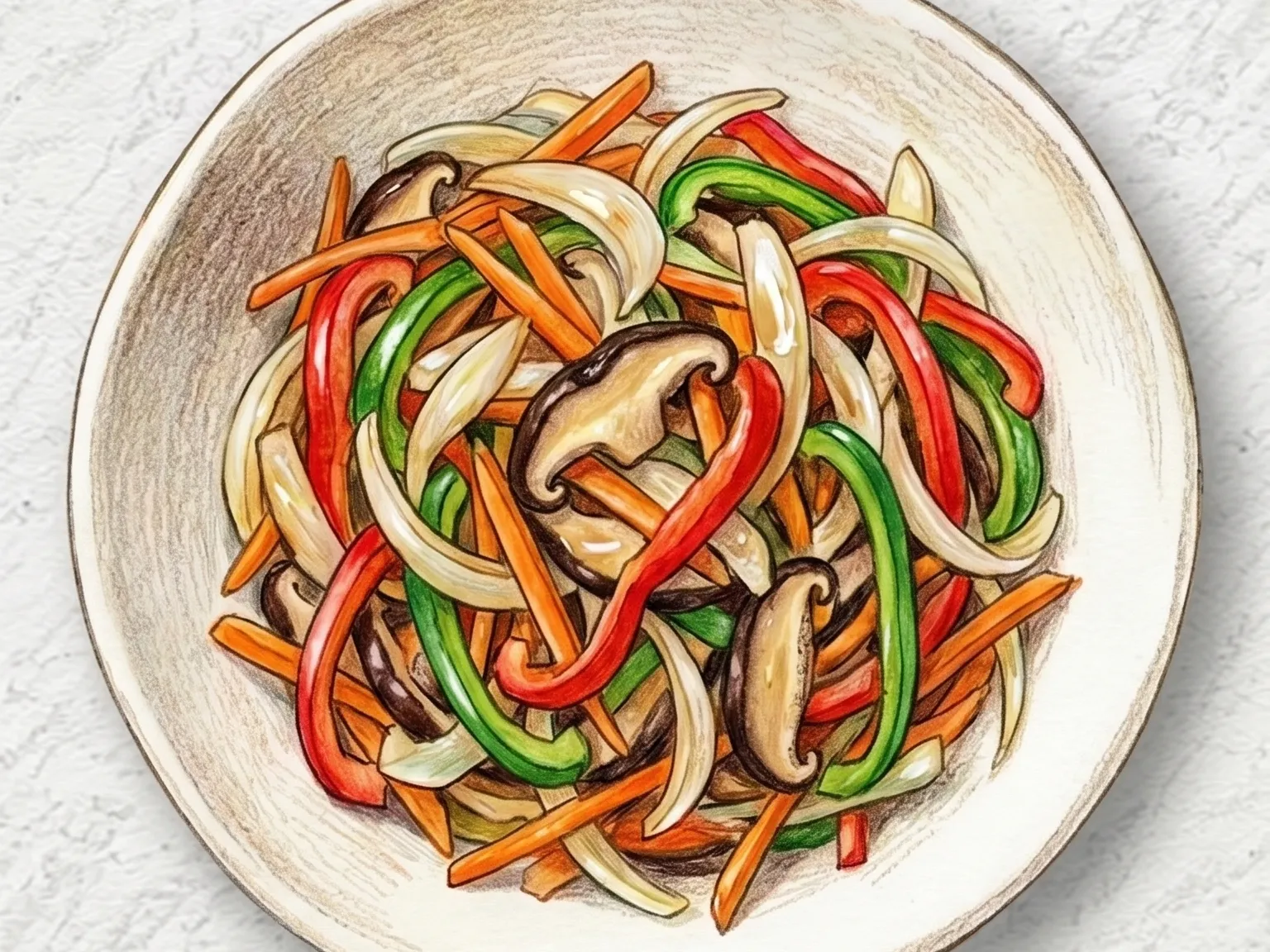
Korean Mixed Vegetable Stir-Fry
Yachae-twigim-bokkeum is a straightforward Korean stir-fry of mixed vegetables - carrot, onion, bell pepper, and shiitake mushroom - seasoned with oyster sauce and sesame oil. Firmer vegetables go into the hot pan first, with softer ones added later so each retains its crunch. The oyster sauce provides a thin layer of umami and the sesame oil a nutty finish, but the light seasoning lets the natural sweetness and flavor of the vegetables come through. It is a low-fat, fast-cooking dish that works as an everyday side when time is short.
Adjust Servings
Instructions
- 1
Cut all vegetables into bite-sized pieces.
- 2
Stir-fry the firmer vegetables first.
- 3
Add the softer vegetables and continue stir-frying.
- 4
Add oyster sauce; finish with sesame oil.
As an Amazon Associate, we may earn from qualifying purchases.
Tips
Nutrition (per serving)
More Recipes

Korean Tofu and Vegetable Stir-Fry
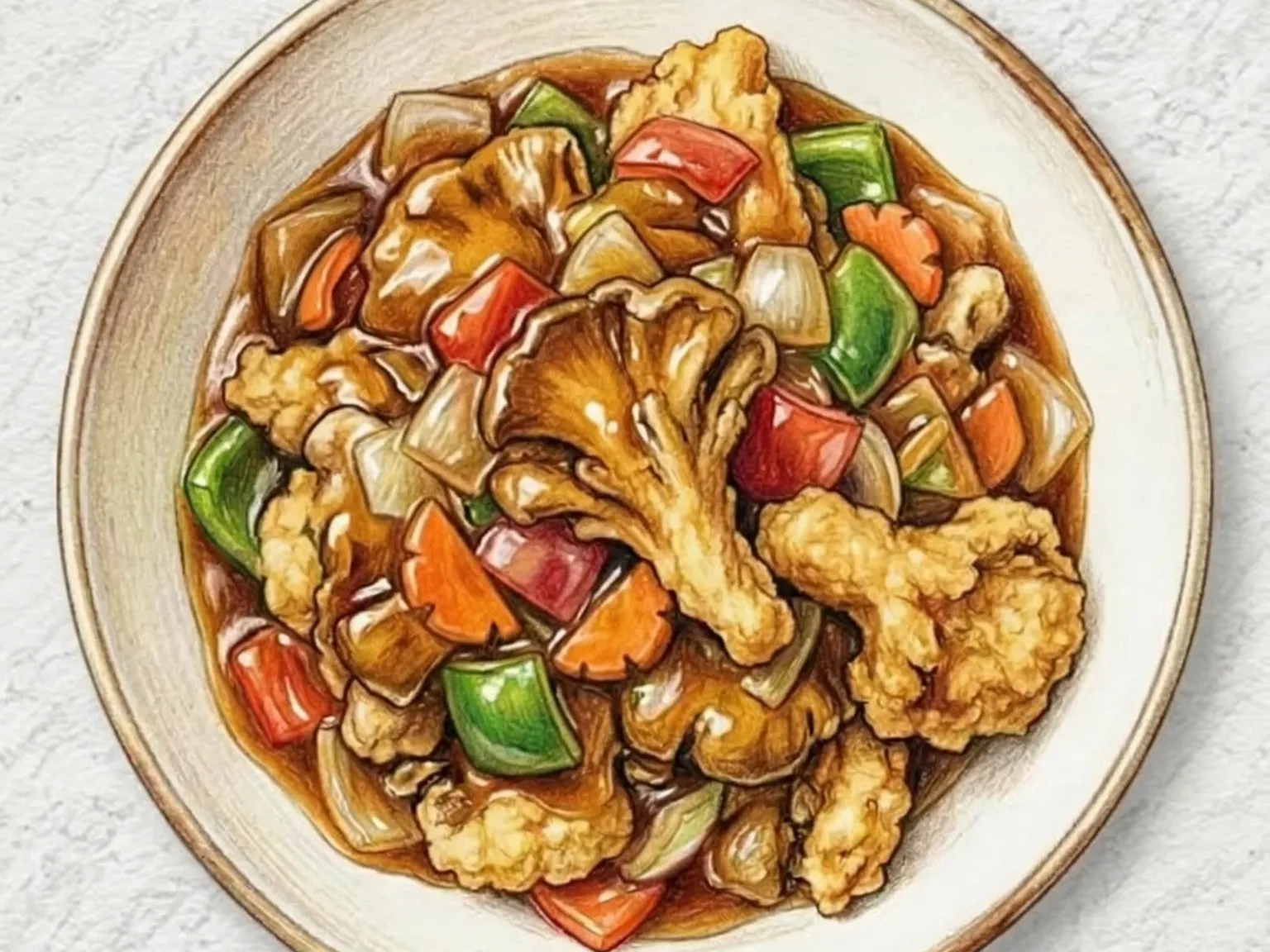
Dubu-yachae-bokkeum is a Korean tofu and vegetable stir-fry in a light soy-based sauce. The tofu is pan-fried first until golden and slightly crisp on the outside, then tossed with carrots, onions, and bell peppers. A brief final stir-fry keeps the vegetables crunchy while letting them pick up the seasoning. High in plant protein and fiber, it works well as either a standalone light meal or a nutritious side dish.

Korean Beef and Broccoli Stir-Fry
Sogogi broccoli-bokkeum stir-fries thinly sliced beef with broccoli florets in a glaze of oyster sauce and soy sauce. The beef is seared first over high heat to lock in its juices, then the broccoli -- blanched just enough to keep its bite -- joins the pan. Oyster sauce binds the two main ingredients with concentrated savory depth, and garlic plus a final drizzle of sesame oil layer on fragrance. The sauce coats every surface with a glossy sheen, making this a complete main dish that needs nothing beyond steamed rice.

Korean Pineapple Chicken Stir-Fry
Pineapple dak-bokkeum stir-fries bite-sized chicken pieces with fresh pineapple chunks in a sauce of soy sauce, vinegar, and sugar. The chicken is dusted in cornstarch before cooking, which helps the glaze adhere and gives each piece a lightly thickened exterior. Pineapple's sharp acidity cuts through the soy-based sweetness, creating a pronounced sweet-sour cycle with every bite. The short cook time keeps the chicken moist inside while the fruit softens just enough to release its tropical fragrance.

Korean Potato and Sausage Stir-Fry
Gamja sausage bokkeum pairs thinly sliced potatoes with bite-sized sausage pieces, stir-fried in a blend of soy sauce, ketchup, and a touch of sugar. The sausage renders just enough fat to coat the potatoes in a savory glaze, while the ketchup adds a mild sweetness that children especially enjoy. It comes together in under 30 minutes and works well as a lunchbox staple or a quick weeknight side. The combination of starchy potatoes and smoky sausage makes it universally crowd-pleasing.

Geundae-guk (Swiss Chard Doenjang Tofu Soup)
Geundae-guk is a homestyle Korean soup made by simmering Swiss chard leaves and stems in a doenjang-based broth. Swiss chard, called geundae in Korean, has broader leaves and thicker stalks than spinach, giving the soup a more substantial bite. The slight bitterness of the greens pairs naturally with the fermented depth of doenjang, creating a flavor that is earthy and grounding. Anchovy stock forms the base, and cubed tofu is typically added for protein and a soft contrast to the chewy greens. Minced garlic rounds out the aroma. The entire cooking process takes barely ten minutes once the stock is boiling, making it one of the fastest doenjang soups to prepare. In Korean households, this soup appears most often in spring and autumn when fresh chard is in season, though it works year-round with any available leafy greens.

Korean Seafood Bibimbap (Mixed Rice with Shrimp and Squid)
Shrimp and squid are seared quickly on high heat to retain their springy bite, then placed over rice alongside seasoned spinach and other namul vegetables. The key is brief, intense stir-frying so the seafood releases its juices without turning chewy, and those juices seep into the rice to deepen the overall flavor. A fried egg broken and mixed through the bowl wraps each grain in rich yolk, softening the gochujang heat. Because the seafood already carries natural salinity, less gochujang is needed than in a standard bibimbap to keep the seasoning balanced.