Japanese Stir-Fried Noodles (Yakisoba)
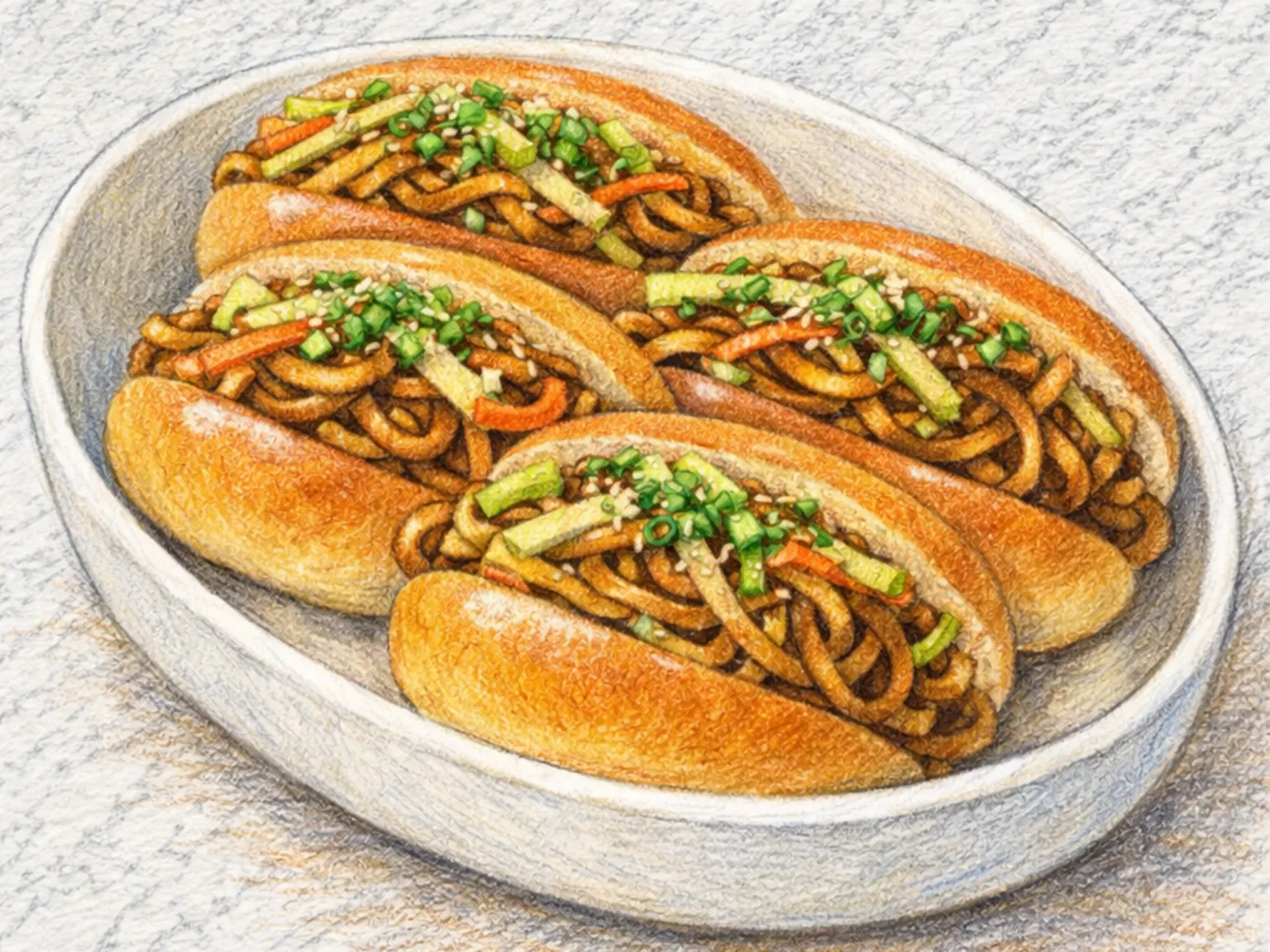
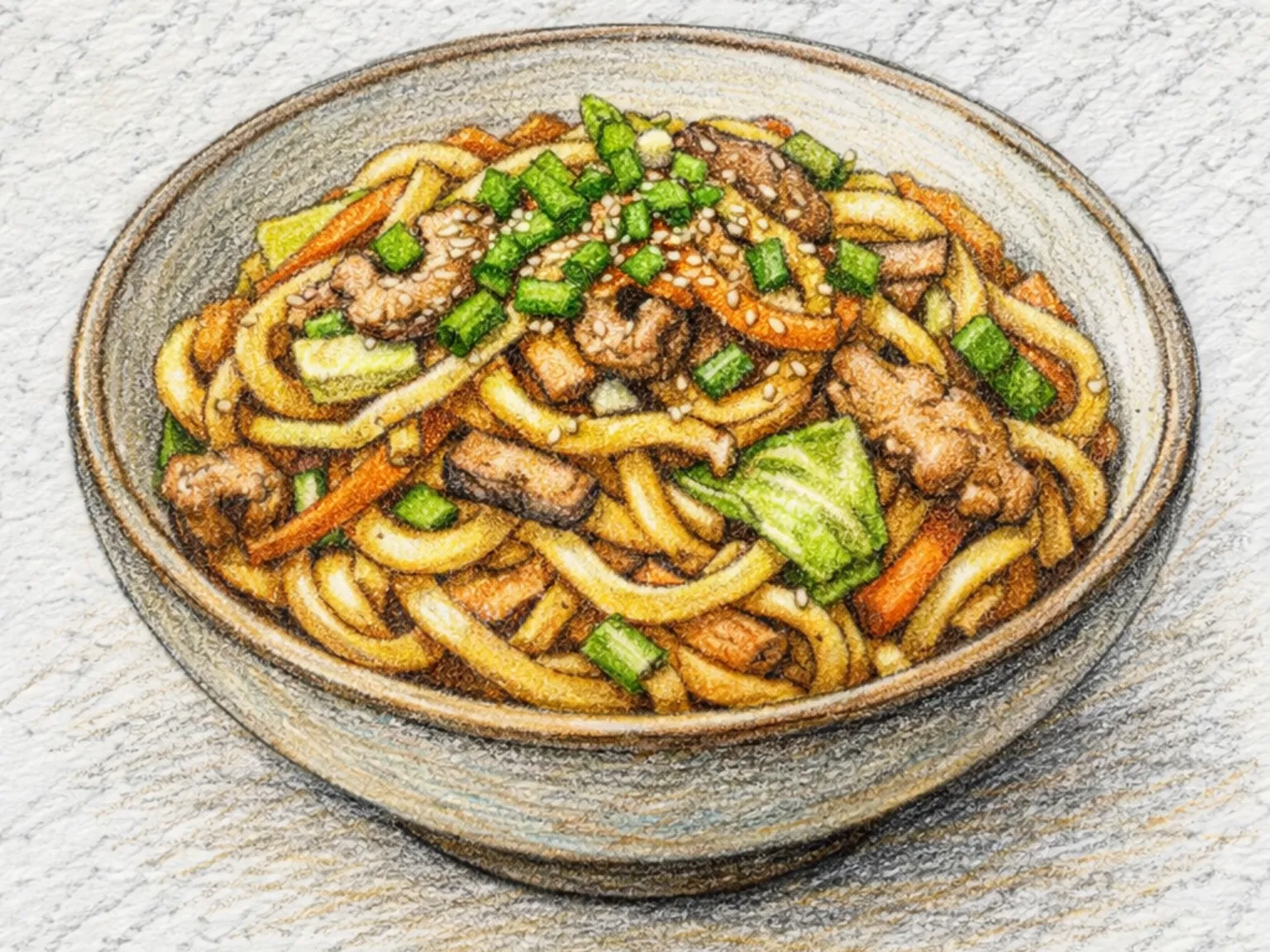
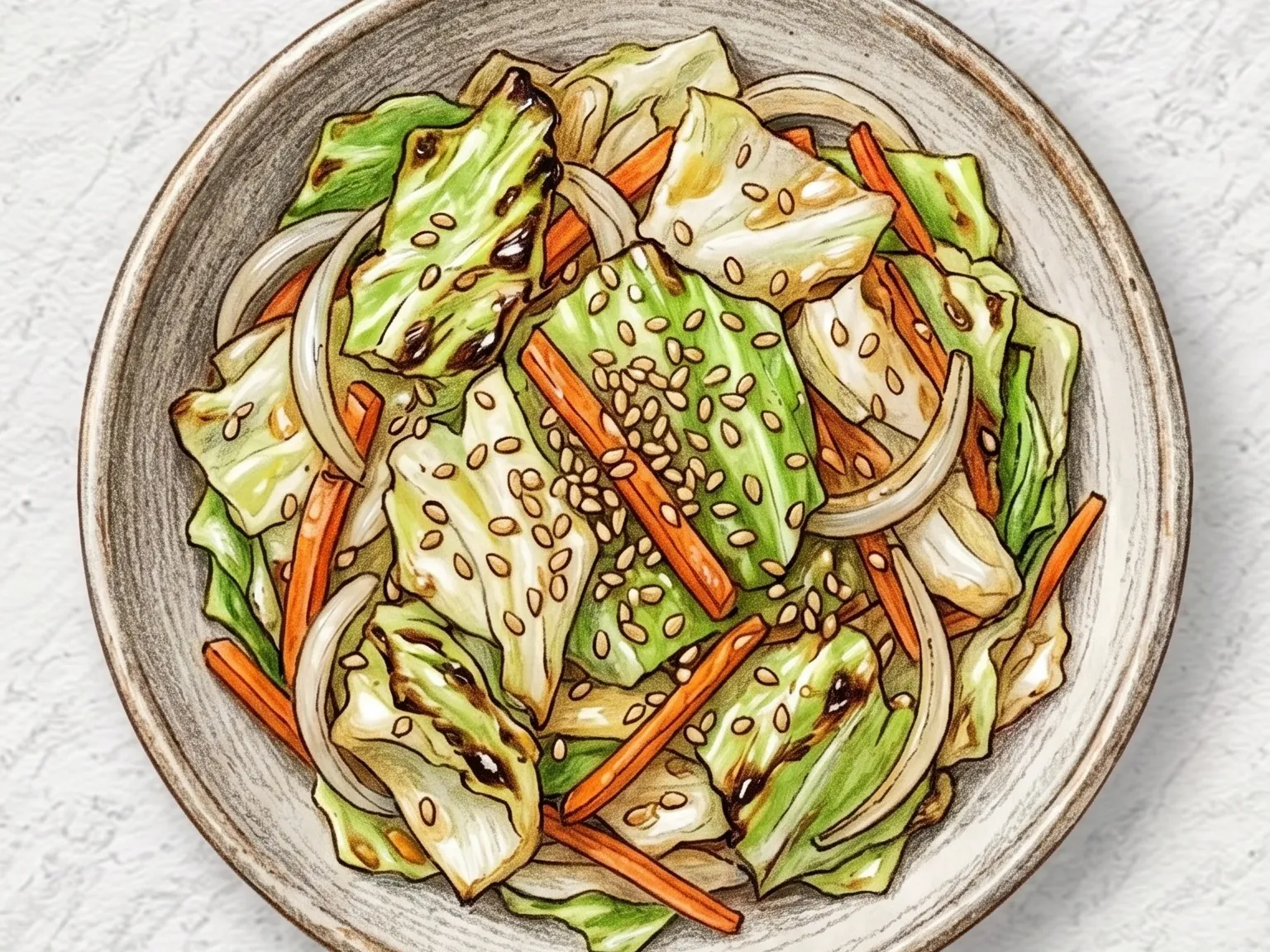
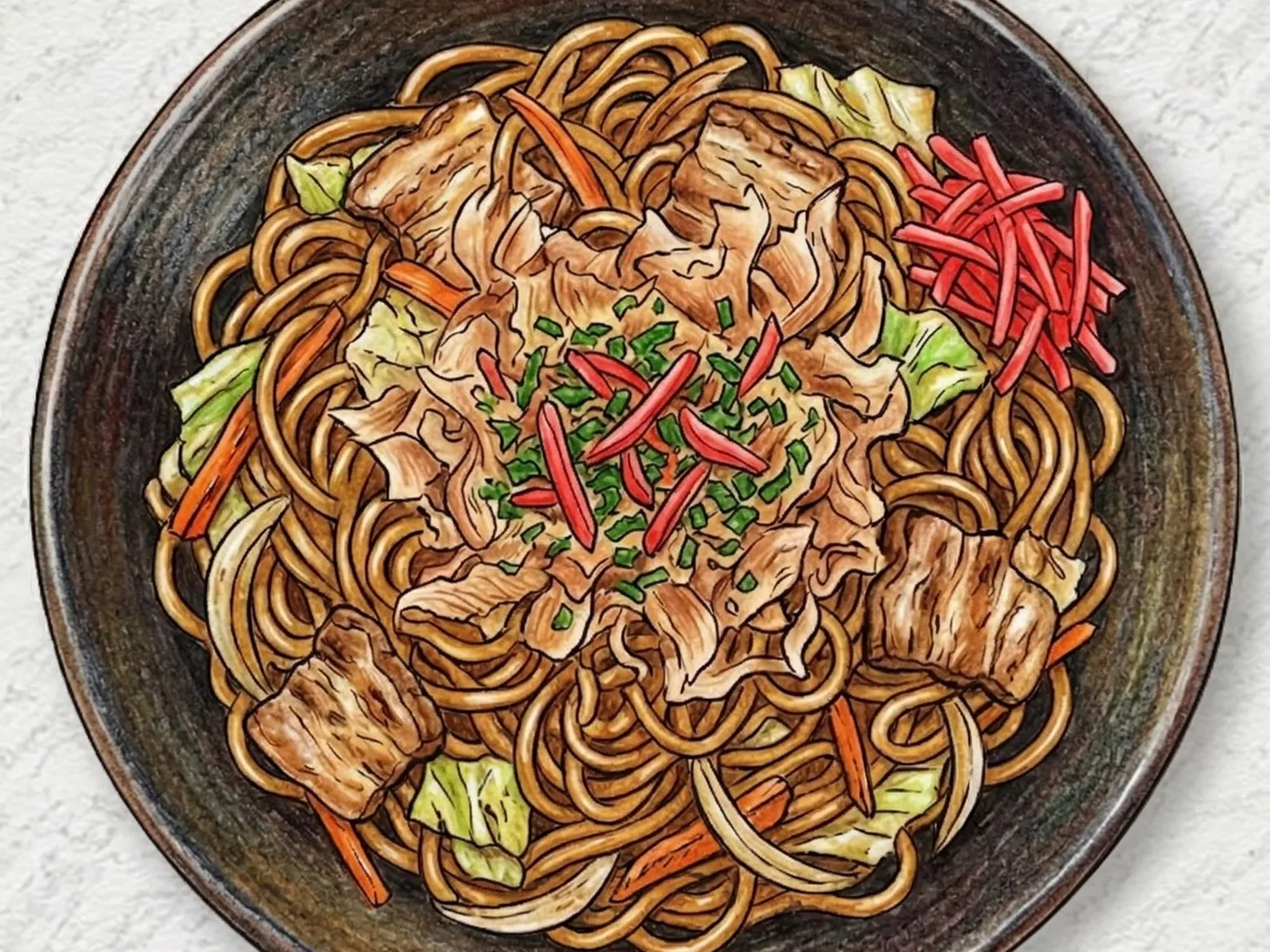
Yakisoba is a Japanese stir-fried noodle dish found everywhere from festival stalls to home kitchens. Wheat noodles are tossed on a hot griddle with thinly sliced pork, shredded cabbage, onion, and carrot, then coated in a thick, Worcestershire-based yakisoba sauce that gives the noodles their signature dark glaze and sweet-savory depth. The high heat chars the edges of the vegetables while keeping them crisp, and the noodles pick up slightly caramelized spots where they press against the cooking surface. Bonito flakes scattered on top dance in the rising steam, releasing a smoky, oceanic aroma. Additional garnishes like aonori seaweed powder and pickled red ginger add color and sharpness.
Adjust Servings
Instructions
- 1
Loosen the noodles with brief microwaving or hot water.
- 2
Heat oil in a pan and stir-fry the pork over high heat.
- 3
Add onion, carrot, and cabbage, then cook until slightly softened.
- 4
Add noodles and toss well for 2 minutes.
- 5
Pour in yakisoba sauce and stir-fry until glossy and coated.
- 6
Plate and top with bonito flakes before serving.
As an Amazon Associate, we may earn from qualifying purchases.
Tips
Nutrition (per serving)
More Recipes

Japanese Beef Bowl (Gyudon)
Gyudon starts with paper-thin slices of beef and thinly cut onion simmered together in a broth of soy sauce, mirin, sugar, and grated ginger. The key is keeping the heat at medium rather than high, which prevents the beef from toughening and allows the onion to break down gently, releasing sweetness into the sauce. As the liquid reduces to a glossy, concentrated state, the flavors intensify into a layered combination of salty, sweet, and faintly sharp ginger notes. A one-minute rest off the heat lets the beef absorb more of the seasoned broth before it goes over the rice. The dish differs from stir-fried beef bowls in that the meat is never seared; instead it poaches in the simmering liquid, staying notably soft. A runny egg on top is traditional and adds richness when the yolk breaks into the sauce.

Japanese-Style Chili Shrimp (Ebi Chili)
Ebi chili was born in the 1970s when Chen Kenmin, a Sichuan-born chef working in Tokyo, adapted the fiery Sichuan prawn stir-fry with doubanjiang for Japanese palates by softening the heat with ketchup, egg, and chicken stock. The original Sichuan version hits hard with raw chili-bean paste, but Chen's version wraps that heat in a glossy, slightly sweet sauce that coats each shrimp without overwhelming. Shrimp are lightly dusted in cornstarch and flash-fried to form a thin shell that later absorbs the sauce while maintaining the shrimp's springy bite beneath. Minced garlic, ginger, and scallion are fried first to build an aromatic base, then doubanjiang is toasted in the oil to mellow its raw edge before ketchup and sugar go in, creating the dish's signature lustrous red-orange sauce. Ebi chili is a mainstay of Japanese teishoku restaurants - served as a set meal with rice, miso soup, and a small salad - and one of the most commonly cooked Chinese-inspired dishes in Japanese home kitchens.

Soy Butter Udon (Pan-Tossed Udon in Caramelized Soy Butter)
Ganjang butter udon is a quick noodle dish where boiled udon is tossed in a pan with melted butter and soy sauce. The butter releases a toasted aroma as it melts, and the soy sauce caramelizes against the hot surface, forming a salty-sweet glaze that clings to the thick, springy noodles. Green onion or bonito flakes added on top bring extra depth, and an egg yolk placed in the center and mixed through contributes a creamy richness. The entire preparation takes roughly ten minutes, making it one of the fastest satisfying meals to put together for a late-night craving or a solo lunch.

Thai Fried Rice
Khao pad is Thailand's definitive fried rice, a dish that showcases the wok's ability to transform day-old rice into something vibrant in under five minutes. Cold rice is essential - freshly cooked grains clump and steam rather than fry. Garlic hits the smoking-hot oil first, followed immediately by eggs that are scrambled into rough curds before the rice is tossed in. Fish sauce provides the primary seasoning, supported by a small measure of soy sauce and a pinch of sugar that rounds out the salt. The intense heat of the wok imparts a faint smokiness that distinguishes a good khao pad from a mediocre one. A wedge of lime, sliced cucumber, and chopped scallion accompany every plate. In its simplest form the dish contains no meat at all, but shrimp, chicken, or crab are common additions. Street vendors across Thailand produce hundreds of plates a day with practiced efficiency.

Sapporo Miso Ramen (Hokkaido-Style Rich Miso Broth Ramen with Pork)
Sapporo miso ramen was born in Hokkaido's capital as a way to warm up against brutal northern winters, and everything about the bowl reflects that purpose. The broth starts with chicken stock fortified with a generous amount of miso paste, giving it a thick, opaque body and a deep fermented savoriness. Ground pork, cabbage, and bean sprouts are stir-fried in a wok before being added to the broth, which picks up smoky wok flavor in the process. Sweet corn kernels and a pat of butter melt into the surface, adding richness that feels earned rather than excessive. The noodles are thick and curly, engineered to trap the heavy broth in every coil. Garlic and chili oil variations are common in Sapporo's ramen shops.

Mentaiko Yuzu Cream Udon
Myeongran yuja cream udon is a Japanese-style cream udon that layers salted pollock roe with yuzu marmalade in a sauce built from heavy cream, milk, and butter. Garlic is sauteed in butter first, then cream and milk simmer on low heat for two to three minutes to thicken before yuzu marmalade and black pepper are stirred in. Two-thirds of the roe goes in off heat so residual warmth cooks it gently without making it tough, while the remaining third is placed raw on top for bursts of briny texture. The yuzu is added gradually to control acidity, and its citrus fragrance lifts the heavy cream base, keeping the dish from feeling overly rich. Shredded nori on top provides a roasted, oceanic contrast.