Korean Yeolmu Bibim Guksu

Korean Yeolmu Bibim Guksu

Quick answer

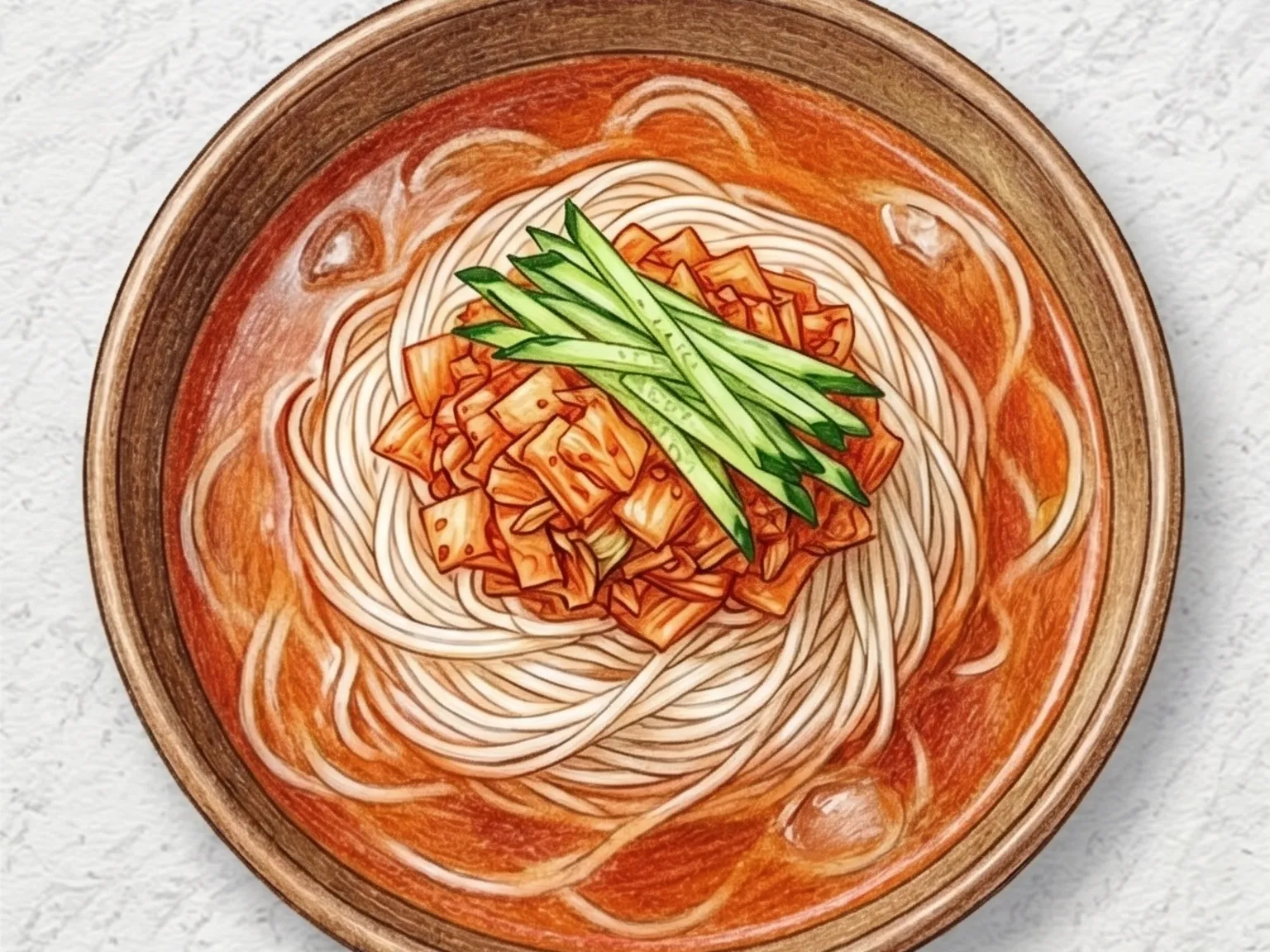
Yeolmu bibim guksu is a Korean mixed noodle dish built around young radish kimchi (yeolmu kimchi).

What makes this special

  • Yeolmu bibim guksu tosses cold somyeon noodles with crunchy young radish kimchi and brine.
  • Two tablespoons of yeolmu kimchi brine in the sauce adds fermented tang
  • Rubbing noodles in cold water removes starch so the sauce coats evenly
Total time
23 min
Level
Easy
Servings
2 servings
Ingredients
9
Calories
420 kcal
Protein
11 g

Key ingredients

Somyeon noodlesYeolmu kimchiGochujangVinegarSugar

Core cooking flow

  1. 1 Cut 180 g yeolmu kimchi into 3-4 cm pieces and julienne 70 g cucumber thinly.
  2. 2 Mix 1.5 tbsp gochujang, 1 tbsp vinegar, 1 tbsp sugar, and the kimchi brine until the sugar dissolves.
  3. 3 Bring a generous pot of water to a rolling boil, add 200 g somyeon, and cook...

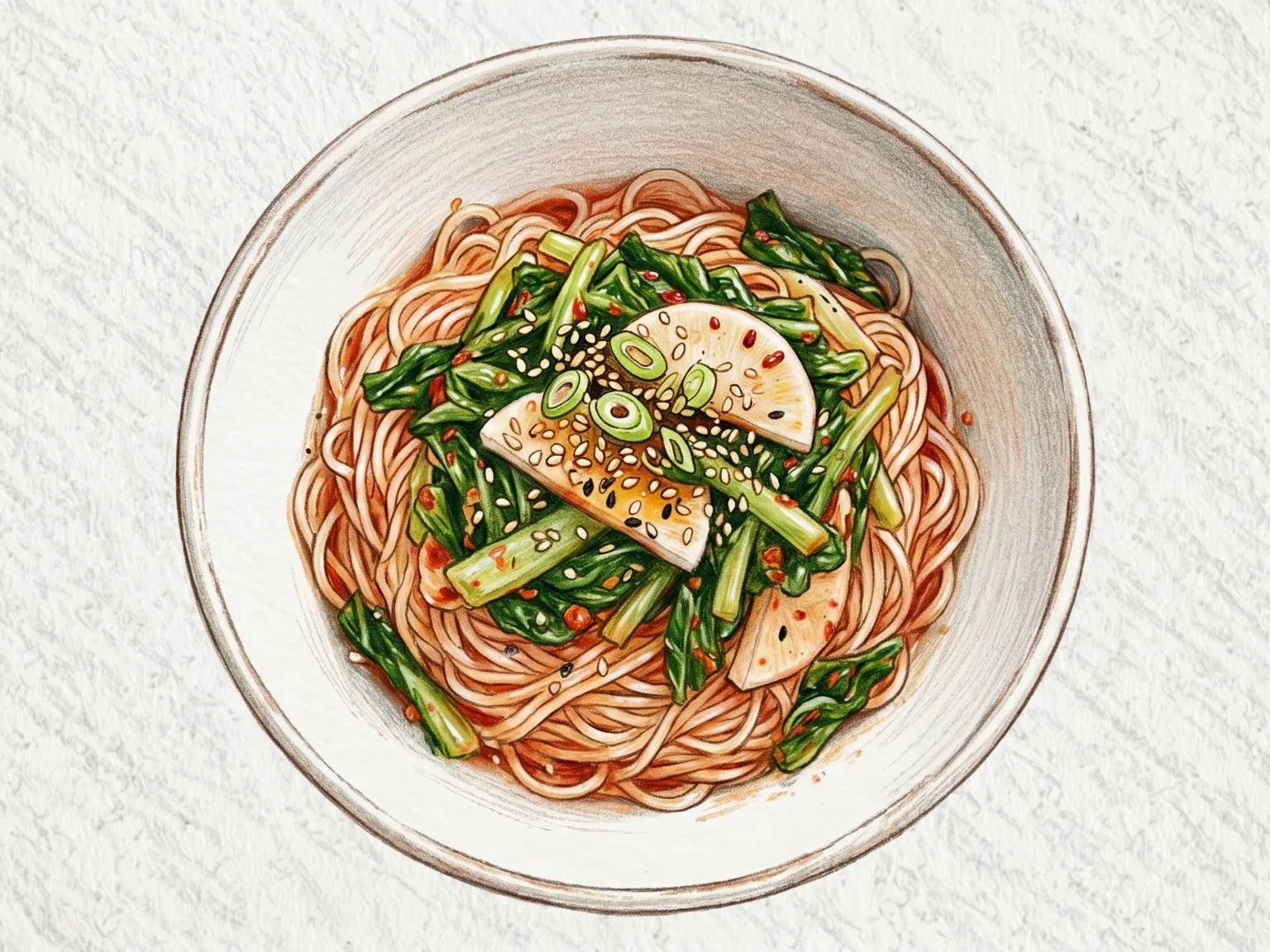
Yeolmu bibim guksu is a Korean mixed noodle dish built around young radish kimchi (yeolmu kimchi). The kimchi provides a crunchy texture and a fermented tanginess that anchors the bowl. Thin somyeon noodles are rinsed in cold water, then tossed with gochugaru or gochujang dressing, sesame oil, and sesame seeds. The heat level stays moderate, letting the kimchi's sourness come through. Total preparation is about 23 minutes, and the recipe requires no cooking beyond boiling the noodles. The main ingredients are Somyeon noodles, Yeolmu kimchi, Gochujang, and Vinegar, and the recipe depends on careful handling of noodle cooking time and sauce thickness.

Prep 15min Cook 8min 2 servings

Instructions

Read the steps as a cooking flow: prep, heat, seasoning, doneness control, and finish.

6 steps
  1. 1
    Prep

    Cut 180 g yeolmu kimchi into 3-4 cm pieces and julienne 70 g cucumber thinly.

    Measure 2 tbsp kimchi brine separately so the dressing can be mixed quickly without making the noodles wait.

  2. 2
    Season

    Mix 1.5 tbsp gochujang, 1 tbsp vinegar, 1 tbsp sugar, and the kimchi brine until the sugar dissolves.

    If the kimchi tastes very sour, add another 0.5 tbsp sugar before combining with the noodles.

  3. 3
    Control

    Bring a generous pot of water to a rolling boil, add 200 g somyeon, and cook over medium-high heat for 3 minutes.

    Stir during the first 30 seconds so the thin noodles separate instead of clumping.

  4. 4
    Heat

    Rinse the cooked somyeon immediately in cold water, rubbing it lightly several times to remove surface starch.

    When the noodles feel cold and slick, drain them thoroughly in a sieve so the dressing will not turn watery.

  5. 5
    Prep

    Add the dressing to the drained noodles first and toss gently until the color coats them evenly.

    Fold in half of the yeolmu kimchi, mixing just enough to distribute it without crushing the crunchy pieces.

  6. 6
    Step

    Place the noodles in bowls, then top with the remaining yeolmu kimchi and cucumber for a fresh crunch.

    Drizzle with 1 tsp sesame oil and 1 tsp sesame seeds, and add 1-2 ice cubes if serving extra cold.

After the steps

Pick a recipe that fits this dish.

Continue with shared ingredients, meal pairings, or a similar method.

Recipes That Go Well With This

More Noodles →

Based on shared ingredients and meal pairing

Korean Young Radish Cold Noodles
Shared ingredient: somyeon noodles Noodles

Korean Young Radish Cold Noodles

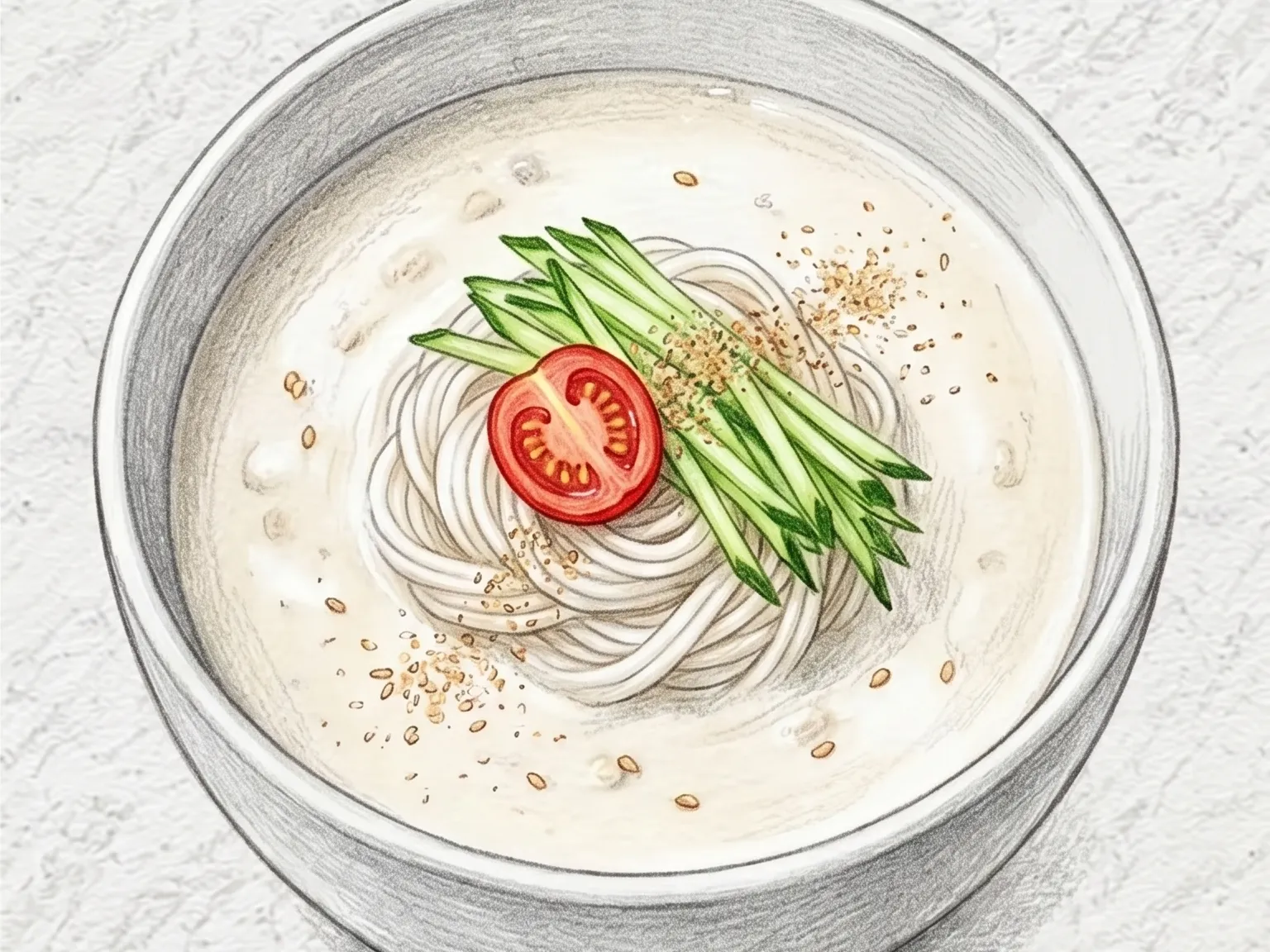
Yeolmu mul guksu is a Korean cold noodle soup where the broth comes directly from yeolmu kimchi liquid mixed with cold water or light stock. The fermented, tangy kimchi brine serves as the soup base, eliminating the need for separate seasoning. Chilled somyeon noodles sit in the broth, topped with crunchy yeolmu kimchi pieces and often a few ice cubes. A halved boiled egg and sesame seeds are standard garnishes. The dish takes about 25 minutes to prepare and is straightforward as long as yeolmu kimchi is available.

Korean Spicy Mixed Wheat Noodles
Shared ingredient: somyeon noodles Noodles

Korean Spicy Mixed Wheat Noodles

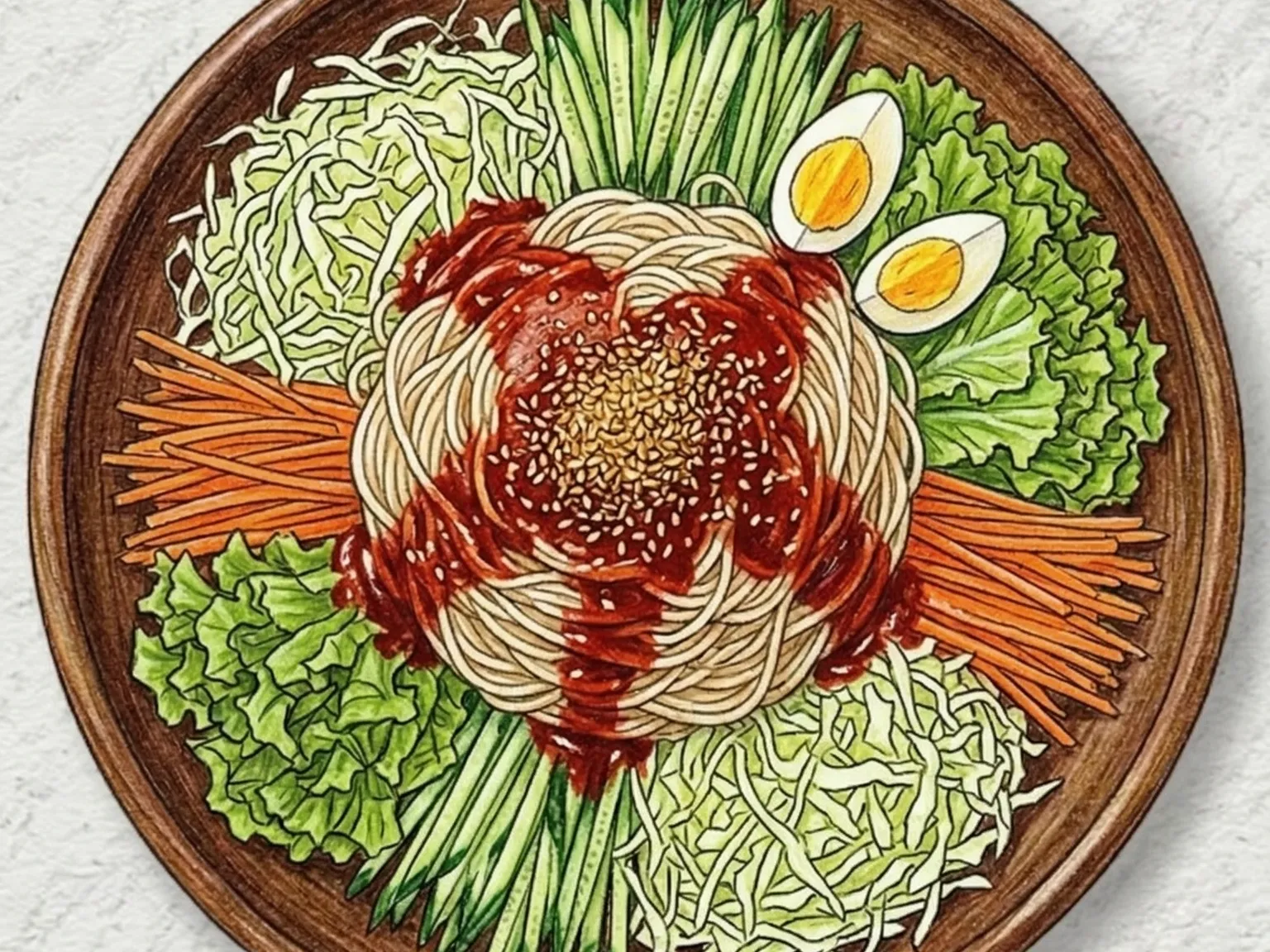
Bibim guksu is a chilled Korean noodle dish in which boiled and cold-rinsed somyeon wheat noodles are tossed in a sauce of gochujang, chili flakes, plum syrup, vinegar, soy sauce, and sesame oil. The heat from the gochujang, the sweetness of plum syrup, and the brightness of vinegar stack into a multi-dimensional flavor in every bite. Rinsing the noodles thoroughly in cold water removes excess starch, giving them a bouncy texture and allowing the sauce to cling evenly. Torn lettuce and julienned cucumber folded in at the end add crunch and release moisture that loosens the thick sauce just enough. A tablespoon of noodle cooking water can thin the sauce if needed. For 100 g of somyeon, a starting ratio of 1 tablespoon gochujang, 1 tablespoon plum syrup, and 1 teaspoon vinegar provides a reliable base to adjust from.

Chicken Cabbage Wraps
Serve together Side dishes

Chicken Cabbage Wraps

Chicken Cabbage Wraps represent a simple side dish combining tender chicken tenderloin with steamed cabbage leaves. The cabbage leaves are steamed for seven to eight minutes until slightly translucent, then cooled in cold water to preserve their color and flexibility. The chicken tenderloins are prepared by removing the tough tendons and marinating with mirin, salt, and pepper to reduce dryness and enhance tenderness. Once grilled on a medium-heated pan until cooked through, the chicken is rolled tightly inside the prepared cabbage leaves. Brushing the rolls with sesame oil before slicing them into bite-sized pieces adds a nutty finish. Serving these wraps with ssamjang creates a balanced dish with minimal ingredients, offering a clean taste and a pleasant contrast of textures.

Korean Spicy Mixed Glass Noodles
Similar recipe Noodles

Korean Spicy Mixed Glass Noodles

Busan bibim dangmyeon is a spicy mixed noodle dish rooted in the street food culture of Busan's traditional markets, built around springy sweet-potato glass noodles tossed with sliced fish cake, cucumber, and cabbage in a bold chili paste and soy sauce dressing. The translucent noodles are highly elastic and cling tenaciously to the sauce, so each mouthful delivers a concentrated hit of the spicy-sweet seasoning. Fish cake contributes a soft, savory depth that contrasts with the firm chew of the noodles, while shredded cucumber and cabbage add bursts of crunch throughout the bowl. Sesame oil and toasted sesame seeds finish the dish with a warm, nutty undertone. Because the recipe requires only boiling the noodles and tossing everything with a pre-mixed sauce, it comes together in a matter of minutes. The chili paste ratio can be adjusted freely to control heat level, and in Busan the dish is typically served in a single bowl and mixed at the table with a fork.

Serve with this

Korean Radish & Shrimp Pancake
Pancakes Easy

Korean Radish & Shrimp Pancake

Julienned Korean radish and small peeled shrimp are combined in a pancake batter fortified with a measured amount of potato starch for added crispiness. Egg is mixed into the batter to improve binding and keep the pancake intact when flipped. Scallions are distributed throughout for a mild, grassy fragrance. Radish releases notable moisture as it cooks, so frying over high heat is essential to drive off that liquid quickly and achieve a crisp outer surface. The sharp, slightly bitter edge of raw radish disappears with heat and gives way to a gentle natural sweetness that pairs cleanly with the mild, delicate flavor of the shrimp. Pressing the center of the pancake down with a spatula while frying encourages even browning all the way through.

🍺 Bar Snacks ⚡ Quick
Prep 15min Cook 12min 2 servings
Korean Bok Choy Kimchi (Gochugaru Fermented Quick)
Kimchi Medium

Korean Bok Choy Kimchi (Gochugaru Fermented Quick)

Cheonggyeongchae kimchi is a bok choy kimchi prepared by halving the heads lengthwise, salting them for twenty minutes, and coating each leaf layer with a paste of gochugaru, salted shrimp, anchovy fish sauce, and sweet rice paste. Keeping the salting time short preserves the crisp snap of the stems, while the leaves soften just enough to hold the seasoning. Julienned scallions and carrot add color and textural variety, and adjusting the fish sauce quantity based on the salted shrimp salinity keeps the overall salt level balanced. After four hours of room-temperature fermentation followed by refrigeration, this kimchi is ready within a day and offers a lighter, crunchier character than traditional napa cabbage kimchi.

🍱 Lunchbox ⚡ Quick
Prep 35min 4 servings
Korean Herb Citrus Chicken Salad
Salads Easy

Korean Herb Citrus Chicken Salad

Chamnamul yuja chicken salad starts with chicken breast salted for ten minutes before boiling, then pulled apart along the grain for a lean, clean protein base. Chamnamul stems are trimmed of tough ends and cut to five centimeters to preserve the herb's sharp, grassy mountain scent. The dressing combines yuja-cheong, soy sauce, olive oil, and minced garlic - the bittersweet citrus sharpness balances the salty, savory soy. Romaine adds crunch and volume. Cherry tomatoes are halved and blotted dry to prevent the greens from getting soggy. Sesame seeds go on last for a toasted, nutty finish that rounds out the clean, bright flavors of the salad.

🥗 Light & Healthy ⚡ Quick
Prep 18min Cook 10min 2 servings

Similar recipes

Korean Tofu Kimchi Bibim Myeon
Noodles Easy

Korean Tofu Kimchi Bibim Myeon

Dubu kimchi bibim myeon is a Korean mixed noodle dish built on two separate preparations that come together in the bowl. Ripe, deeply fermented kimchi is stir-fried in perilla oil over high heat until the sharp acidity rounds out and the umami moves to the foreground, then combined with gochugaru and gochujang to form the spicy dressing that coats every strand of boiled noodles. The tofu requires its own treatment: all surface moisture must be pressed out before the block goes into a dry, screaming-hot pan, which creates a golden, crisp crust outside while the center remains silky, giving the dish a clean textural counterweight against the bold noodles. A halved soft-boiled egg placed on top rounds out the heat when the yolk slowly folds into the dressing, adding a creamy richness that binds the kimchi tang, the chili punch, and the nutty oil into one cohesive sauce.

🏠 Everyday 🌙 Late Night
Prep 15min Cook 10min 2 servings
Korean Gochujang Bibim Udon Cup (Spicy Mixed Udon Cup)
Street food Easy

Korean Gochujang Bibim Udon Cup (Spicy Mixed Udon Cup)

Gochujang bibim udon cup is a cold-tossed udon noodle dish served in a cup, dressed with a sauce built from gochujang, soy sauce, oligosaccharide syrup, vinegar, and sesame oil. The fermented heat of gochujang meets the acidity of vinegar to create a bright, tangy-spicy flavor profile that avoids sharpness, and the viscous syrup gives the sauce enough body to cling evenly to the thick udon strands. Raw julienned cabbage and carrot are folded in without cooking, adding a snappy crunch that contrasts the soft noodles. Cooling the noodles completely before tossing is a key step that prevents the sauce from clumping and ensures even distribution throughout the cup. The handheld cup format suits street food settings, and additional toppings such as a soft-boiled egg or seasoned seaweed can elevate it into a fuller meal.

🌙 Late Night ⚡ Quick
Prep 12min Cook 8min 2 servings
Korean Kimchi Cheese Gimbap
Street food Easy

Korean Kimchi Cheese Gimbap

Kimchi cheese gimbap rolls seasoned rice, stir-fried kimchi, mozzarella cheese, and pickled daikon radish in sheets of dried seaweed. The kimchi must be stir-fried until all the moisture has evaporated before rolling: this concentrates the tangy fermented flavor and prevents the released liquid from softening the rice and making the seaweed tear during and after rolling. The fat in the mozzarella wraps around the kimchi's sharp heat and moderates it, and the pickled radish adds sweet-sour crunch that varies the texture across each bite. Keeping the cheese in a single narrow line down the center of the roll is the key technique for tight rolling and a clean cross-section: too much cheese makes the roll thick and causes the seaweed to split. Sliced processed cheese can be used in place of mozzarella and melts similarly. Brushing the outside of the finished roll lightly with sesame oil gives it a glossy surface and seals the seam.

🧒 Kid-Friendly ⚡ Quick
Prep 20min Cook 10min 2 servings

Tips

If kimchi is too sour, add 0.5 tbsp more sugar.
Add 1-2 ice cubes for a colder summer-style finish.

Nutrition (per serving)

Calories
420
kcal
Protein
11
g
Carbs
78
g
Fat
7
g