Korean Yeolmu Doenjang Stew
Stews Easy

Korean Yeolmu Doenjang Stew

Quick answer

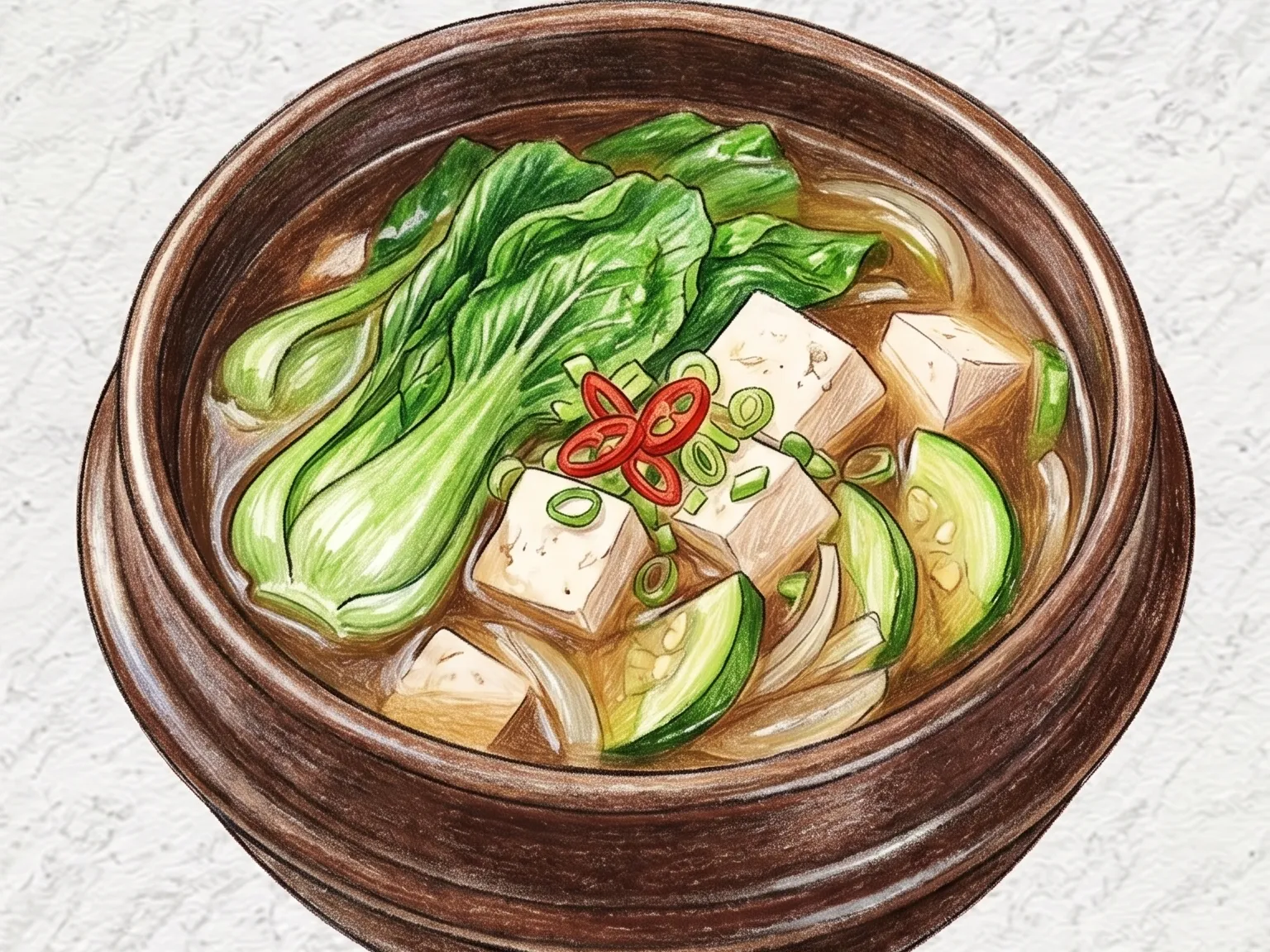
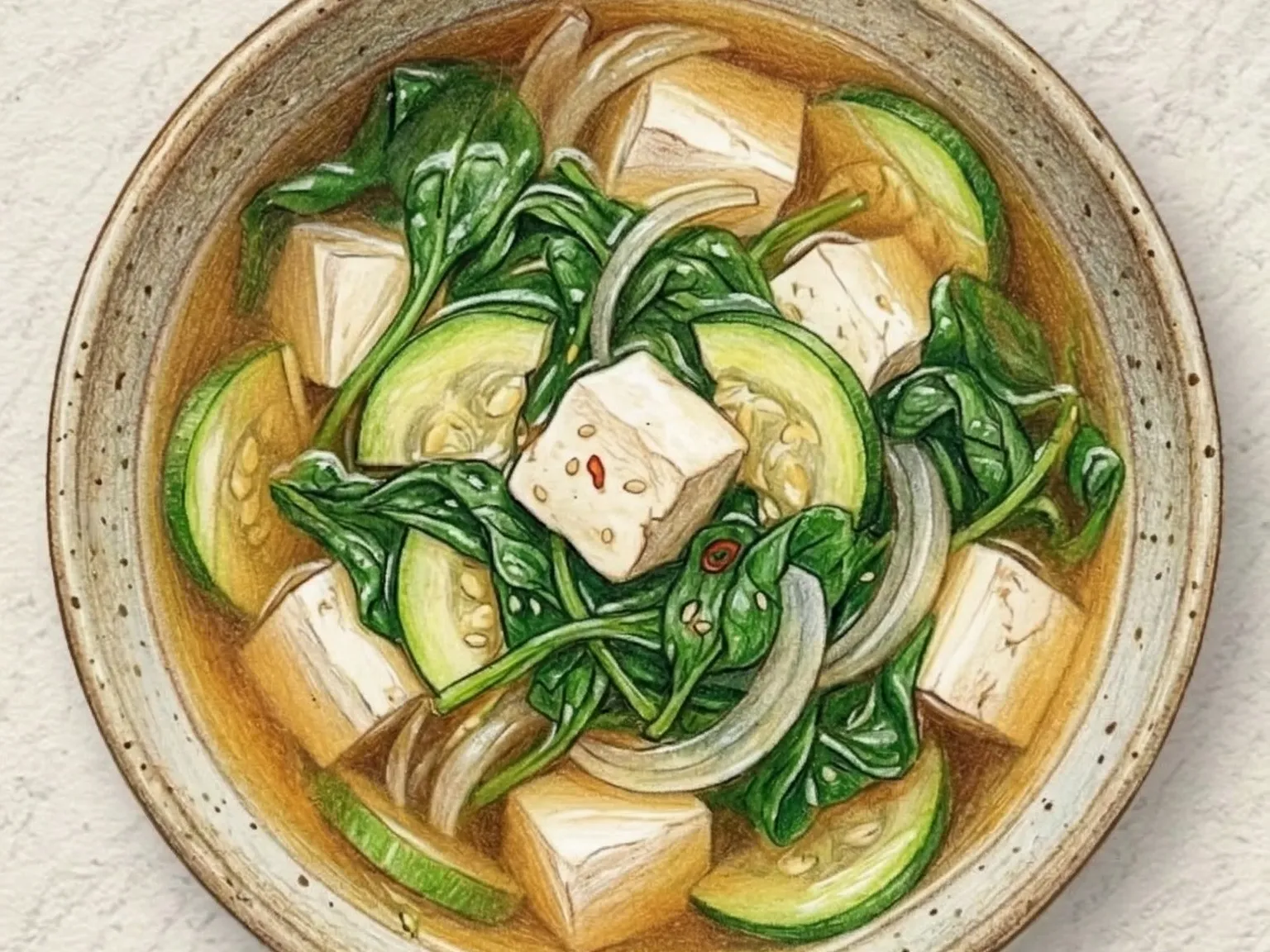
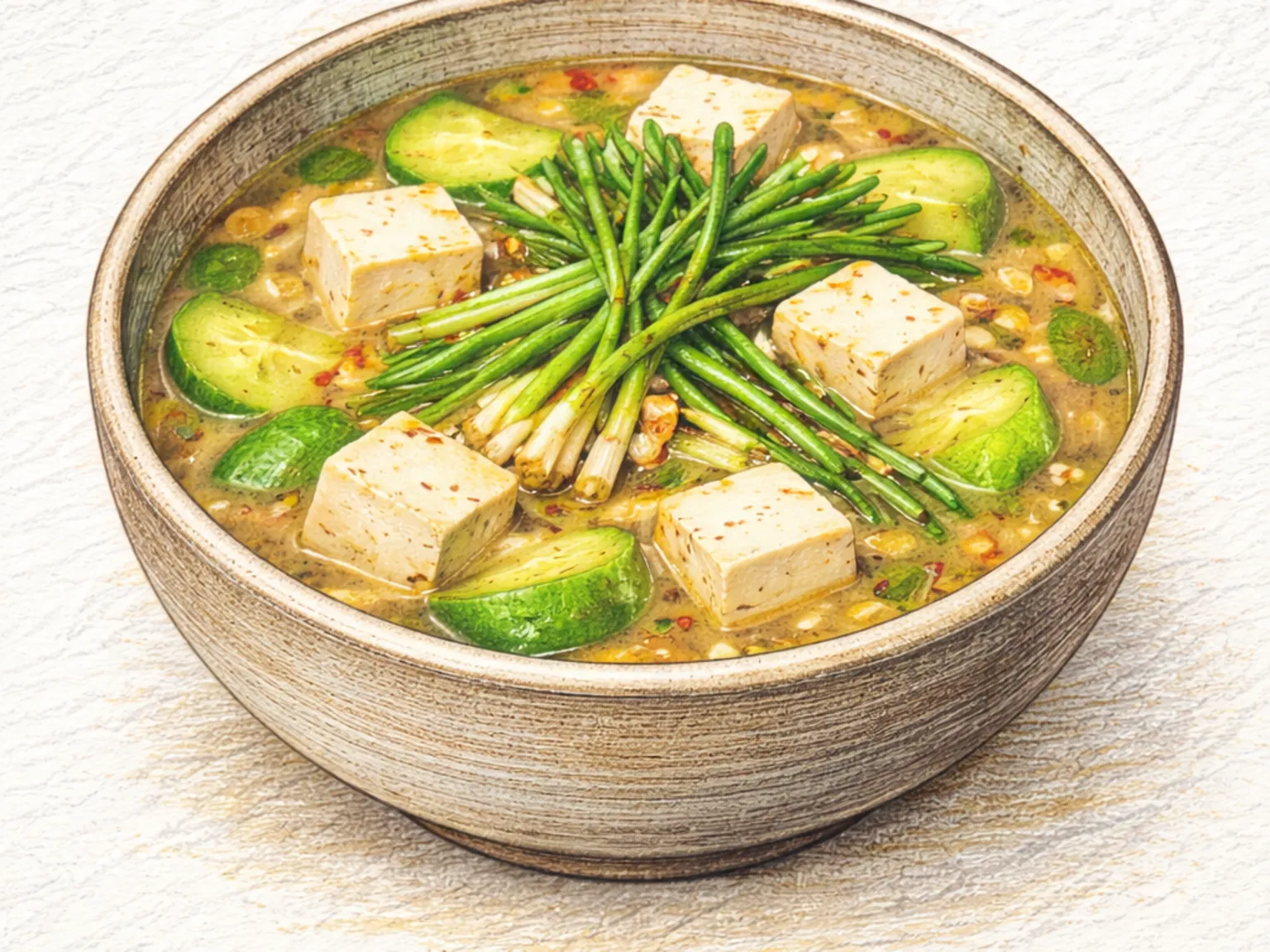
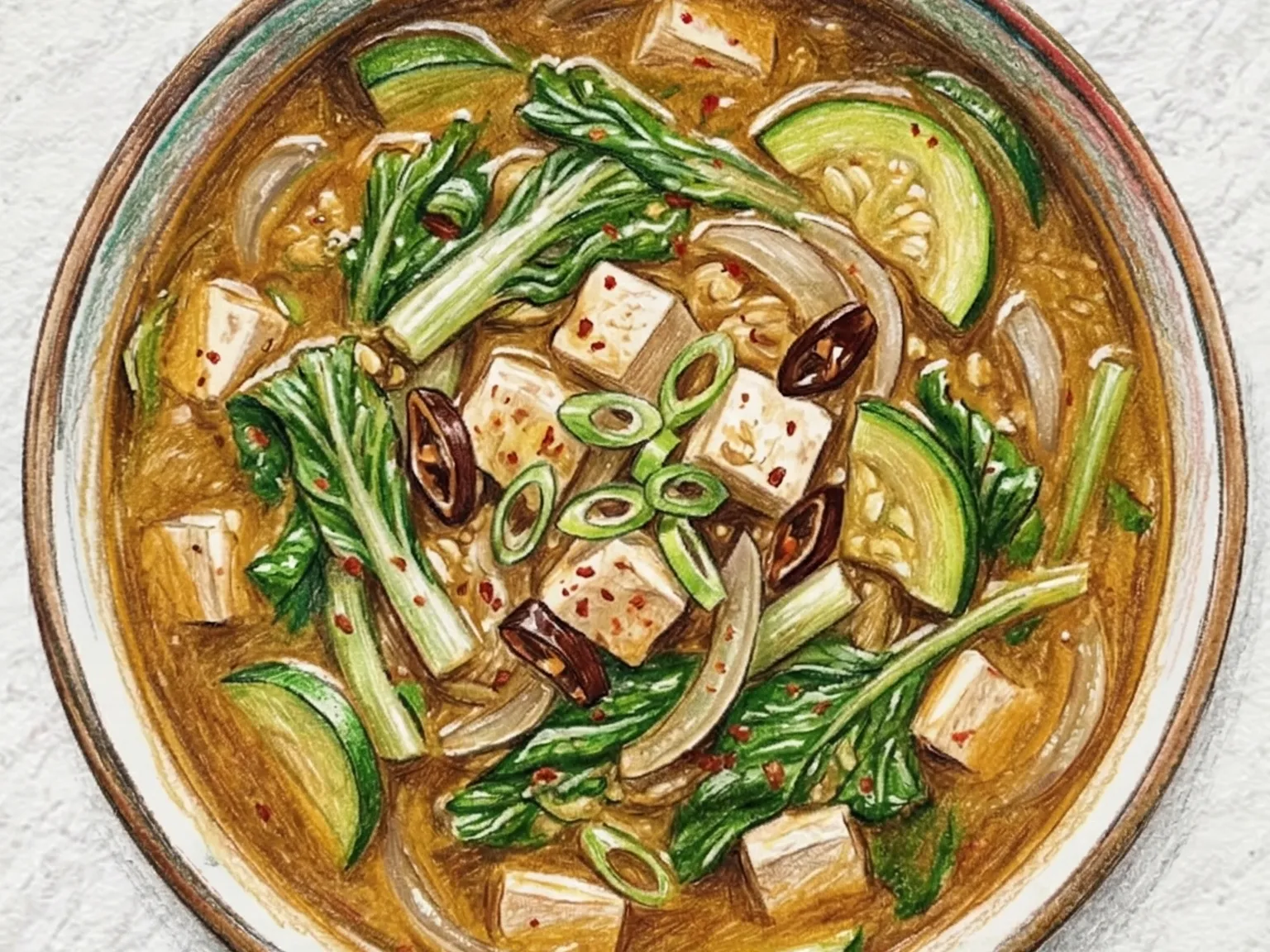
Seasonal young radish greens and fermented soybean paste come together in this refreshing summer stew designed to cool the body.

What makes this special

  • Yeolmu-doenjang-jjigae introduces seasonal young radish greens and sweet onions to a clean anchovy broth, serving as a refreshing summer companion for barley rice.
  • Yeolmu's bitter finish mellows as it simmers 5 minutes alongside sweet onion
  • Stems added before leaves so each part reaches the right texture separately
Total time
35 min
Level
Easy
Servings
2 servings
Ingredients
8
Calories
265 kcal
Protein
15 g

Key ingredients

young radish greenszucchinionionfirm tofusoybean paste

Core cooking flow

  1. 1 Trim the roots from 180 g young radish greens, rinse well, and cut them into 4 cm lengths.
  2. 2 Pour 700 ml anchovy-kelp stock into a pot and set it over medium heat.
  3. 3 When the broth begins to boil, add 80 g onion and 120 g zucchini.

Seasonal young radish greens and fermented soybean paste come together in this refreshing summer stew designed to cool the body. The preparation begins with a clean anchovy and kelp stock, where doenjang is carefully dissolved to ensure a smooth consistency without clumps. Young radish greens, or yeolmu, contribute a signature crunch and a faint bitterness that softens as it simmers alongside sweet onions and zucchini. This natural sweetness from the onion balances the earthy profile of the fermented paste while gochugaru adds a hint of heat and a warm red hue to the broth. To preserve the crisp texture of the greens, add them after the doenjang and limit the simmering time to about five to seven minutes. Tofu should be introduced at the very end to prevent it from breaking apart while absorbing the savory liquid. The clean mineral finish provided by the kelp makes this dish an excellent companion for barley rice during humid months. For additional layers of flavor, sliced Cheongyang chilies increase the spiciness and a spoonful of perilla powder introduces a toasted quality to the base. If using low-sodium paste, a small amount of soup soy sauce helps achieve a balanced profile. Since young radish greens possess a distinct herbal fragrance at their peak, this stew delivers its best quality when served immediately on the day it is prepared.

Prep 15min Cook 20min 2 servings

Instructions

Read the steps as a cooking flow: prep, heat, seasoning, doneness control, and finish.

6 steps
  1. 1
    Prep

    Trim the roots from 180 g young radish greens, rinse well, and cut them into 4 cm lengths.

    If the stems feel fibrous, separate them from the leaves. Slice the zucchini into half-moons, cut the onion roughly, and cube the tofu into 2 cm pieces.

  2. 2
    Control

    Pour 700 ml anchovy-kelp stock into a pot and set it over medium heat.

    Press 2.5 tablespoons soybean paste through a sieve into the stock, stirring until no large clumps remain before the broth reaches a steady boil.

  3. 3
    Control

    When the broth begins to boil, add 80 g onion and 120 g zucchini.

    Simmer over medium heat for about 5 minutes, until the zucchini edges turn slightly translucent and the onion starts releasing sweetness into the broth.

  4. 4
    Step

    If the radish green stems are tough, add the stems first and add the leaves 1 minute later.

    Stir in 1 tablespoon minced garlic and 0.8 tablespoon gochugaru, distributing them through the broth so the heat and color spread evenly.

  5. 5
    Control

    After adding the radish greens, simmer only 5 to 7 minutes.

    The leaves should wilt while the stems still keep a slight crunch. Avoid extended boiling, because the greens can turn tough and lose their fresh texture.

  6. 6
    Finish

    Add 150 g firm tofu and warm it gently over medium-low heat for about 3 minutes, without stirring hard so the cubes stay intact.

    Taste the broth, thin it with a little water if it is too salty, and serve immediately.

After the steps

Pick a recipe that fits this dish.

Continue with shared ingredients, meal pairings, or a similar method.

Recipes That Go Well With This

More Stews →

Based on shared ingredients and meal pairing

Korean Soybean Paste Stew
Shared ingredient: zucchini Stews

Korean Soybean Paste Stew

Doenjang-jjigae is a standard Korean stew made by dissolving fermented soybean paste in water and simmering it with vegetables and tofu. To ensure a smooth broth without grits, the paste is strained through a fine sieve into the water. Harder vegetables like potatoes and onions are added first to soften and release their natural sweetness into the broth. Zucchini and minced garlic follow, balancing the soup's richness. In the final stage, tofu and chopped green chili are added, providing a clean kick that cuts through the deep, earthy taste of the fermented soybean paste. Simmering green onions at the very end adds a fresh aroma. The savory stew pairs naturally with steamed rice and various side dishes.

Korean Beef Doenjang Jjigae
Shared ingredient: zucchini Stews

Korean Beef Doenjang Jjigae

Soegogi doenjang jjigae is a foundational Korean home-cooked stew, made with beef brisket and fermented soybean paste as the foundation, filled out with potato, zucchini, tofu, and onion, and simmered in the starchy water left from rinsing rice. The brisket rewards long cooking by releasing its fibers and pushing a rich, distinctly beefy flavor into the broth, and the mild starch from the rice water softens that richness so it blends smoothly with the fermented depth of the doenjang. As the stew simmers, potato breaks down partially at the edges, thickening the liquid and giving it body without the need for any additional starch. Green onion and minced garlic anchor the aroma and keep the flavor from going flat. Adding the doenjang in stages and tasting between additions rather than putting it all in at once is the reliable method for hitting the right depth without oversalting. Paired with freshly cooked rice, this is a stew that fits into the daily rotation without ever feeling repetitive.

Korean Grilled Eel Rice Bowl
Serve together Rice

Korean Grilled Eel Rice Bowl

Jangeeo deopbap is a bowl of grilled freshwater eel over steamed rice, where the key technique is building up a thick, lacquered glaze through multiple applications of a sweet-salty sauce reduced from soy sauce, mirin, sugar, and ginger juice. The eel starts skin-side down on the grill over medium heat for around five minutes to crisp the skin, then is flipped and basted repeatedly with the sauce as it finishes cooking. A single coat of sauce produces a pale, thin color, so at least two applications and ideally three or more are needed to build the characteristic glossy surface. With each additional coat, the sugars in the sauce react with heat through both Maillard browning and caramelization, layering flavor with every pass. Because freshwater eel is naturally fatty, fat drips during grilling can cause flare-ups, so heat control is important throughout the process. Sansho pepper dusted on at the end cuts through the eel's inherent richness with a sharp, numbing fragrance that balances the sweet glaze and keeps the dish from feeling heavy.

Korean Young Napa Soybean Paste Stew
Similar recipe Stews

Korean Young Napa Soybean Paste Stew

Young napa cabbage (eolgari) takes center stage in this doenjang jjigae, wilting into the broth and releasing a mild sweetness. The stock is built from dried anchovies and kelp, then seasoned with fermented soybean paste for a full-bodied base. Firm tofu and onion add substance, while a green chili provides a sharp finish. Eolgari is a tender spring-harvested young cabbage with soft fibers and a pronounced natural sweetness, so when combined with the savory doenjang broth it contributes a mellow, round flavor without any bitterness. Adding a generous amount of tofu helps the cubes absorb the saltiness of the paste and brings the entire soup into a well-balanced, smooth finish that pairs naturally with steamed rice.

Serve with this

Korean Spicy Stir-Fried Fish Cake
Side dishes Easy

Korean Spicy Stir-Fried Fish Cake

Square sheets of fish cake are sliced into uniform, bite-size pieces before being stir-fried in a seasoned glaze that balances spicy heat with a clear sweetness. One specific technique used in this recipe involves blanching the fish cake pieces in boiling water for a very short period before they enter the pan. This process serves two functions: it removes the excess oil from the manufacturing process and causes the surface of the fish cake to open up. This allows the sauce to adhere more consistently to each piece during the cooking process. When stir-fried over high heat, the edges of the fish cake undergo a light caramelization. This results in a subtle smoky flavor that adds a layer of complexity to the overall dish. The base of the sauce consists of gochujang, soy sauce, and oligodang. Oligodang is a Korean corn syrup that is used to give the dish a shiny, glossy finish while simultaneously tempering the sharp intensity of the fermented chili paste. During the cooking process, sliced onions are added and allowed to soften. The moisture released by the onions helps to deglaze the pan, which reintegrates concentrated flavors into the sauce and contributes a natural sweetness. Green onions are added just before the heat is turned off so they retain their fresh aroma and provide a crisp texture that contrasts with the rich sauce. To finish the dish, toasted sesame seeds are scattered over the top to provide a mild nutty flavor. This side dish is frequently included in packed lunches because the glaze maintains its integrity and the flavors become more concentrated as the dish cools.

🏠 Everyday 🍱 Lunchbox
Prep 8min Cook 10min 4 servings
Korean Water Parsley Kimchi
Kimchi Easy

Korean Water Parsley Kimchi

Minari kimchi is a quick, no-fermentation Korean water parsley kimchi that is ready to eat the moment it is made. The stems are salted for just ten minutes to barely wilt them, preserving their characteristic crunch and cool, clean herbal fragrance. Blended onion is worked into the seasoning paste alongside gochugaru, anchovy fish sauce, and plum syrup, giving the dressing body and a gentle sweetness. Anchovy fish sauce lays a seafood umami foundation under the light vegetable, while plum syrup's fruit acidity softens the chili heat rather than letting it dominate, so the finish is bright and refreshing rather than sharp. Paired with samgyeopsal or boiled pork, the water parsley's aromatics cut directly through the fat, cleansing the palate between bites in a way that heavier banchan cannot. The kimchi is best eaten on the day it is made while the stems still have their full snap.

🏠 Everyday 🍱 Lunchbox
Prep 20min Cook 5min 2 servings
Korean Beoseot Deulkkae Jeon (Mushroom Perilla Pancake)
Pancakes Easy

Korean Beoseot Deulkkae Jeon (Mushroom Perilla Pancake)

Mushroom and perilla seed jeon brings together oyster mushrooms and shiitake, sliced thin and folded into a batter built on perilla seed powder and a splash of soy sauce. Perilla seeds carry a heavier, slightly bitter nuttiness compared to sesame, and that quality anchors the earthy depth of the mushrooms rather than competing with it. Seasoning the batter directly with soy sauce means the pancake holds its own without a dipping sauce, though one on the side does not go amiss. Frying with enough oil gives the exterior a thin, crisp shell while the mushroom filling stays moist inside. Oyster mushrooms torn along their grain develop a pleasantly chewy bite as they cook; shiitake sliced fine distribute evenly so the whole pancake cooks at the same rate. It works as a makgeolli pairing or a straightforward side, and holds up well at room temperature - the perilla aroma actually deepens as it cools.

🍺 Bar Snacks 🏠 Everyday
Prep 18min Cook 14min 2 servings

Similar recipes

Korean Minari Doenjang Stew
Stews Easy

Korean Minari Doenjang Stew

This variation of doenjang jjigae adds a generous amount of water parsley (minari) to the classic soybean paste stew. Firm tofu, potato, and onion simmer in anchovy-kelp stock with doenjang, building an earthy, deeply fermented base. The minari goes in near the end to preserve its crisp texture and peppery herbaceous aroma. A half tablespoon of chili flakes rounds out the flavor with mild warmth. Minari's grassy, herb-like character layers naturally against doenjang's fermented depth, turning a familiar stew into a seasonal variation worth returning to throughout the year.

🏠 Everyday ⚡ Quick
Prep 12min Cook 18min 2 servings
Soybean Paste Stew with Clams
Asian Easy

Soybean Paste Stew with Clams

Doenjang jjigae with clams is one of the most frequently made stews in Korean households, built on the combination of fermented soybean paste's deep, earthy flavor and the clean briny umami of manila clams. The clams are purged of sand before being added to a pot of doenjang-laced broth, where they open and release their salty, seawater-flavored liquor directly into the soup. The result transforms the base from something merely savory into something distinctly oceanic and complex. Zucchini softens in the bubbling broth and contributes a natural sweetness as it breaks down, while blocks of soft tofu act as sponges, soaking up the seasoned liquid and releasing it in a burst of hot, flavorful broth when bitten into. Sliced cheongyang chili peppers are added to interrupt the heaviness of the fermented paste and sharpen the overall flavor. The stew is typically served in an earthenware pot while still bubbling, alongside rice. Many Koreans ladle the broth directly over their bowl of rice. The recipe adapts to any season: assembled with leftover summer vegetables from the refrigerator for a lighter version, or cooked piping hot in a stone pot through winter.

🏠 Everyday
Prep 12min Cook 25min 2 servings
Korean Turnip Soybean Paste Soup
Soups Easy

Korean Turnip Soybean Paste Soup

Sunmu doenjang-guk is a homestyle soybean paste soup that uses turnip as its starring vegetable and rice-rinsing water as its liquid base. The starchy water softens the doenjang's salinity, giving the broth a rounded, almost creamy quality that straight water cannot achieve. Turnips cook faster than daikon and yield a more delicate sweetness, along with a faint peppery edge that adds quiet complexity. As the turnip pieces simmer, a subtle purple blush from the skin tints the broth, making it a shade more elegant than an ordinary doenjang-guk. Cubed tofu is a natural companion, its neutral creaminess absorbing the fermented broth, while sliced scallion adds a final aromatic layer. The soup is at its best between autumn and early winter when turnips are in season, their sugars concentrated by cooler soil temperatures. Because the ingredient list is short, the quality of the doenjang matters more here than in busier soups - a well-aged paste with deep fermentation will carry the bowl, while a mediocre one will leave it flat.

🏠 Everyday 🥗 Light & Healthy
Prep 15min Cook 25min 4 servings

Tips

If the greens are fibrous, add stems first and leaves later.
Soybean paste salinity varies, so adjust with water at the end.

Nutrition (per serving)

Calories
265
kcal
Protein
15
g
Carbs
17
g
Fat
15
g