Korean Young Radish Kimchi

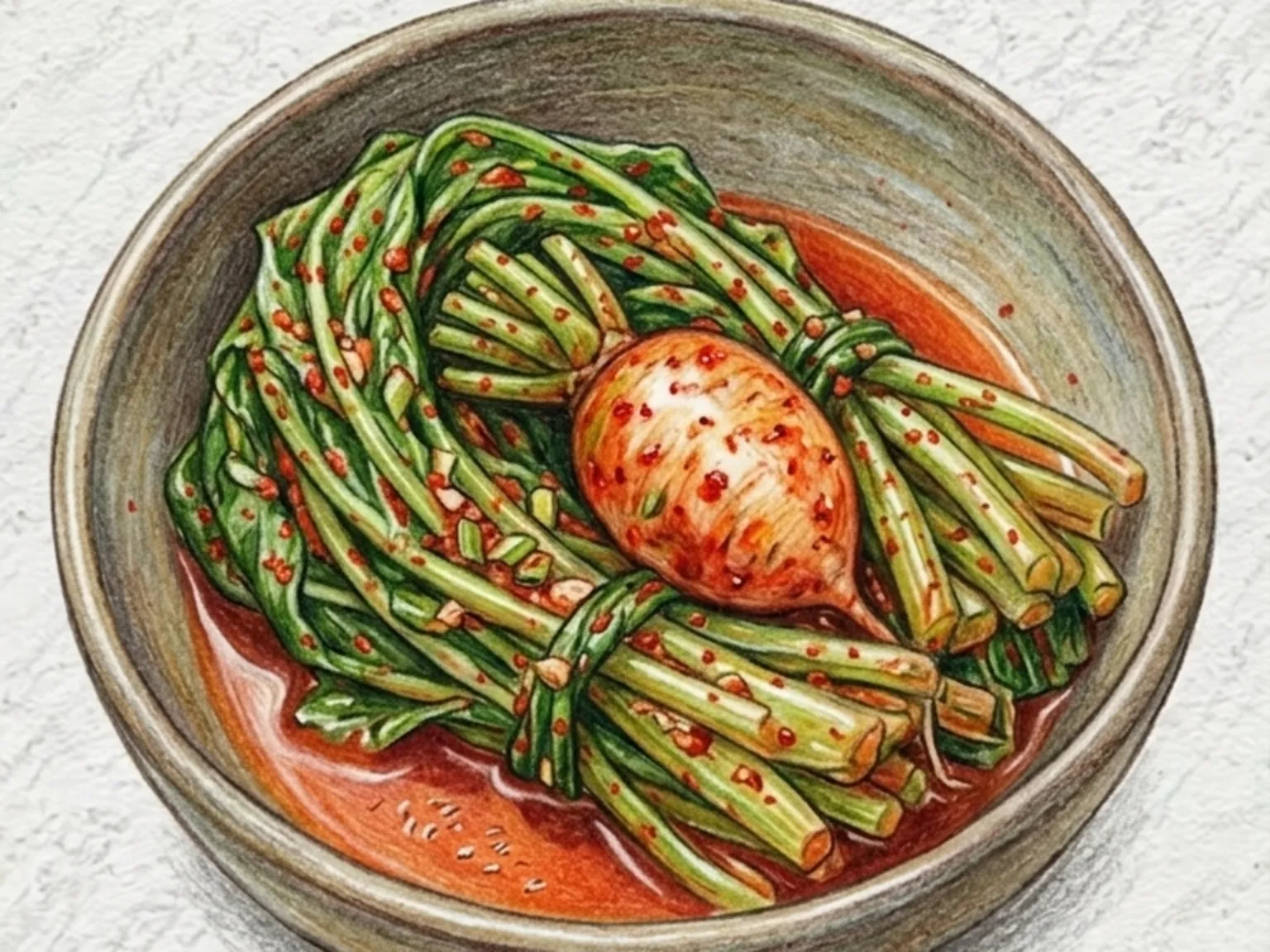
Korean Young Radish Kimchi

Quick answer

Young radish greens and their slender stems are salted briefly, dressed in a gochugaru-based paste, and fermented into a kimchi that defines Korean summer eating.

What makes this special

  • Delicate young radish greens absorb gochugaru seasoning to form a naturally refreshing summer kimchi brine.
  • Moisture released during salting naturally forms the kimchi brine
  • Just half a day at room temperature and sharp acidity already develops
Total time
30 min
Level
Medium
Servings
4 servings
Ingredients
5
Calories
35 kcal
Protein
2 g

Key ingredients

Young radishRed pepper flakesFish sauceGarlicSalt

Core cooking flow

  1. 1 Trim away wilted leaves from 500 g young radish, rinse several times to remo...
  2. 2 Sprinkle 2 tablespoons salt mostly over the stems first, then lightly over the leaves.
  3. 3 Rinse the salted radish twice in cold water to reduce excess salinity and any earthy smell.

Young radish greens and their slender stems are salted briefly, dressed in a gochugaru-based paste, and fermented into a kimchi that defines Korean summer eating. The greens are more delicate than mature radish, absorbing the seasoning quickly while retaining a refreshing crunch that lasts well into fermentation. Gochugaru and anchovy fish sauce form the backbone of the paste, delivering heat and deep umami in equal measure, while garlic lends a pungent undercurrent that mellows as the fermentation progresses. Once dressed, the radish greens release their own moisture, creating a naturally occurring brine that becomes the hallmark of yeolmu kimchi: a tangy, chili-flecked liquid that can be spooned over cold noodles or rice. Even half a day at room temperature kicks off the fermentation, introducing a sharp, fizzy acidity that signals the kimchi is alive. Transferring it to the refrigerator slows the process and stabilizes the flavor at a bright, appetizing sourness. Draped over bibim-guksu or naengmyeon, it brings a cooling, spicy bite that defines the Korean summer table.

Prep 30min 0 4 servings
Recipes by ingredient → korean chili flakes garlic

Instructions

Read the steps as a cooking flow: prep, heat, seasoning, doneness control, and finish.

6 steps
  1. 1
    Season

    Trim away wilted leaves from 500 g young radish, rinse several times to remove grit, and cut into 5 cm pieces.

    Shake off excess water gently so the slender stems stay intact before salting.

  2. 2
    Season

    Sprinkle 2 tablespoons salt mostly over the stems first, then lightly over the leaves.

    Let the radish sit for 30 minutes, turning once, until the stems bend softly without snapping.

  3. 3
    Control

    Rinse the salted radish twice in cold water to reduce excess salinity and any earthy smell.

    Drain in a colander for 10 minutes, but do not squeeze hard or the greens will bruise.

  4. 4
    Season

    Coarsely mince 4 garlic cloves and mix them with 3 tablespoons gochugaru and 2 tablespoons fish sauce.

    Let the paste stand for 5 minutes so the flakes hydrate and turn deep red.

  5. 5
    Step

    Add the paste to the drained radish and toss by lifting from the bottom.

    Avoid hard kneading, which can bring out grassy bitterness, and stop when the stems and leaves are evenly red.

  6. 6
    Step

    Pack the kimchi firmly into an airtight container, pressing out air and keeping the greens under their forming brine.

    Ferment at room temperature for 8 to 10 hours, then refrigerate when bubbles and a tangy aroma appear.

After the steps

Pick a recipe that fits this dish.

Continue with shared ingredients, meal pairings, or a similar method.

Recipes That Go Well With This

More Side dishes →

Based on shared ingredients and meal pairing

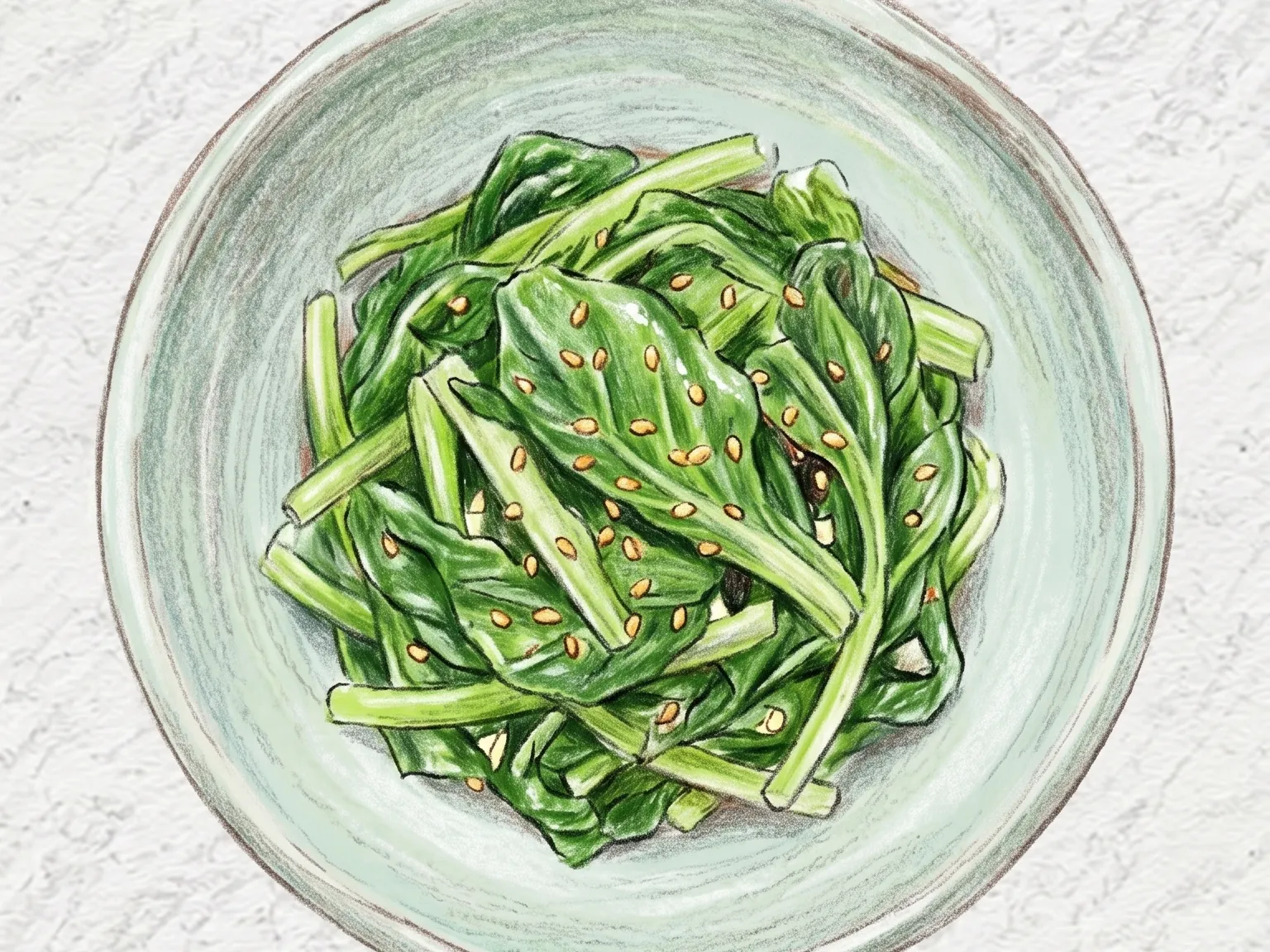
Korean Seasoned Young Radish Greens
Shared ingredient: young radish Side dishes

Korean Seasoned Young Radish Greens

Preparing these young radish greens requires precision during the brief blanching stage to maintain their structural integrity. A quick ten to fifteen second dip in boiling water softens the leaves while keeping the stems firm. An immediate transition to a cold water bath locks in the pale green color and stops the cooking process. After squeezing out the excess moisture, the greens are tossed with soup soy sauce, minced garlic, sesame oil, and toasted sesame seeds. The soup soy sauce provides a subtle saltiness that highlights the natural grassy essence of the vegetable. Minced garlic contributes a sharp element to the mild base, and a light coating of sesame oil ensures a smooth mouthfeel. Each bite releases the toasted scent of sesame seeds. This side dish functions effectively as a palate cleanser when served alongside spicy stews or fatty grilled meats. Its appeal lies in a clean profile that avoids heavy seasonings, allowing the fresh character of the greens to remain central.

Korean Green Onion Kimchi
Shared ingredient: anchovy fish sauce Side dishes

Korean Green Onion Kimchi

Pa-kimchi uses whole large green onions, salted for 30 minutes to soften their sharp bite and loosen the fibers so the seasoning can penetrate deeply. The paste - red pepper flakes, fish sauce, and minced garlic - coats each stalk in a layer of spicy, briny flavor. One day of room-temperature fermentation allows the lactic acid bacteria to develop, blending the onion pungency with the umami of the fish sauce into a more rounded profile. After transferring to the refrigerator, the kimchi continues to mature over two to three days, gaining a mild tanginess that intensifies with each passing day.

Korean Grilled Octopus
Serve together Grilled

Korean Grilled Octopus

Nakji-gui is a traditional Korean preparation of grilled small octopus that requires specific cleaning techniques and precise timing. The preparation begins by cleaning the small octopus through a process of vigorous rubbing with salt to remove impurities from the skin. Once cleaned, the octopus is coated in a marinade that includes gochujang, soy sauce, sesame oil, minced garlic, and corn syrup. This small octopus possesses significantly finer muscle fibers compared to a full-sized octopus, a physical trait that results in a very narrow window between a desirable springy texture and an undesirable rubbery one. A cooking time of only two minutes is frequently sufficient to push the protein past the point of no return, so the person cooking must stay attentive and remove the tentacles from the heat as soon as they firm up and take on color. The gochujang and corn syrup within the marinade undergo rapid caramelization when they come into contact with the hot surface of the pan or grill. This reaction forms a red, lacquered shell around each tentacle that provides a combination of fermented heat and sweetness in every bite. Using a direct flame for cooking introduces smoky and charred notes that increase the complexity of the flavor profile. If the dish is prepared in a pan rather than on a grill, the octopus must be dried thoroughly first. Any moisture remaining on the surface will generate steam and cause the octopus to braise instead of grill, which prevents the formation of the caramelized exterior. After the cooking process is complete, the octopus is usually snipped into bite-sized pieces with kitchen scissors. It can be served as a wrap with perilla or lettuce leaves, or it can be laid over a bowl of steamed rice.

Korean Young Radish Barley Bibimbap
Similar recipe Rice

Korean Young Radish Barley Bibimbap

Barley-mixed rice has a hearty, popping texture and a nutty flavor that pairs naturally with the crisp, tart bite of freshly made young radish kimchi. The crunchy stems of the kimchi contrast with the chewy barley grains, and stirring in gochujang ties the tangy, spicy, and sweet elements together into a cohesive bowl. A spoonful of sesame oil folded in at the end adds a roasted fragrance that lifts the overall depth of flavor. This bibimbap is especially refreshing in the summer months as a cooling, appetite-stimulating meal.

Serve with this

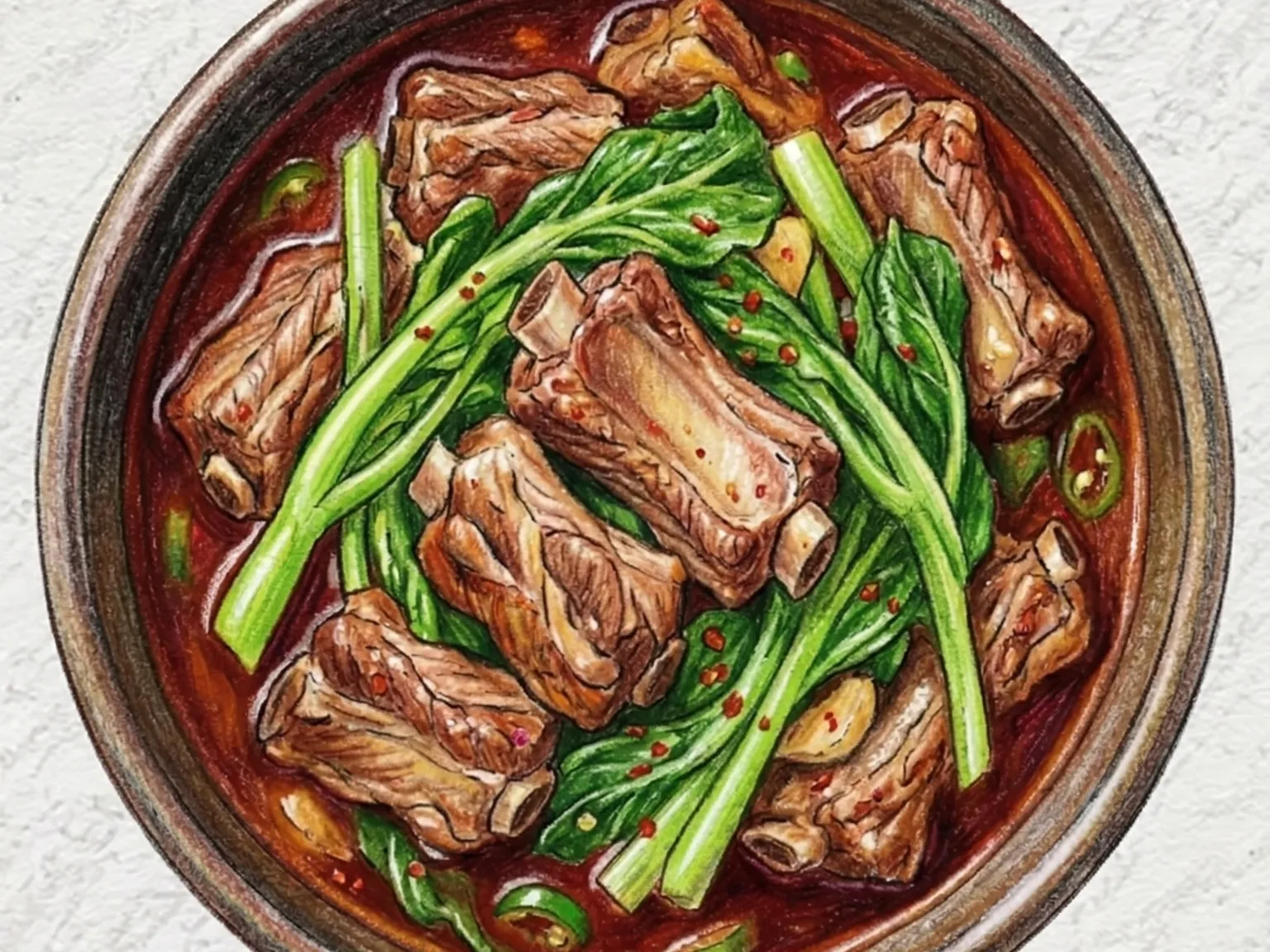
Korean Spicy Braised Chicken
Stir-fry Medium

Korean Spicy Braised Chicken

Dak-bokkeum-tang starts with chicken pieces stir-fried in a gochujang and soy sauce mixture, then water is added and the whole pot simmers down until the liquid reduces to a thick, clinging sauce. Potato chunks absorb the braising liquid as it concentrates, becoming fully flavored throughout rather than just on the surface, while onion softens and dissolves over the long cooking time, lending the broth a natural sweetness. Gochujang supplies the heat backbone and soy sauce contributes the umami depth, producing a flavor profile that layers rather than reads as a single note. The longer the simmer, the deeper the seasoning drives into the meat and bones, and the sauce itself thickens to a glossy consistency. Spooning the reduced sauce over a bowl of rice turns the meal into a quick, satisfying seasoned rice dish.

🏠 Everyday 🍱 Lunchbox
Prep 15min Cook 35min 3 servings
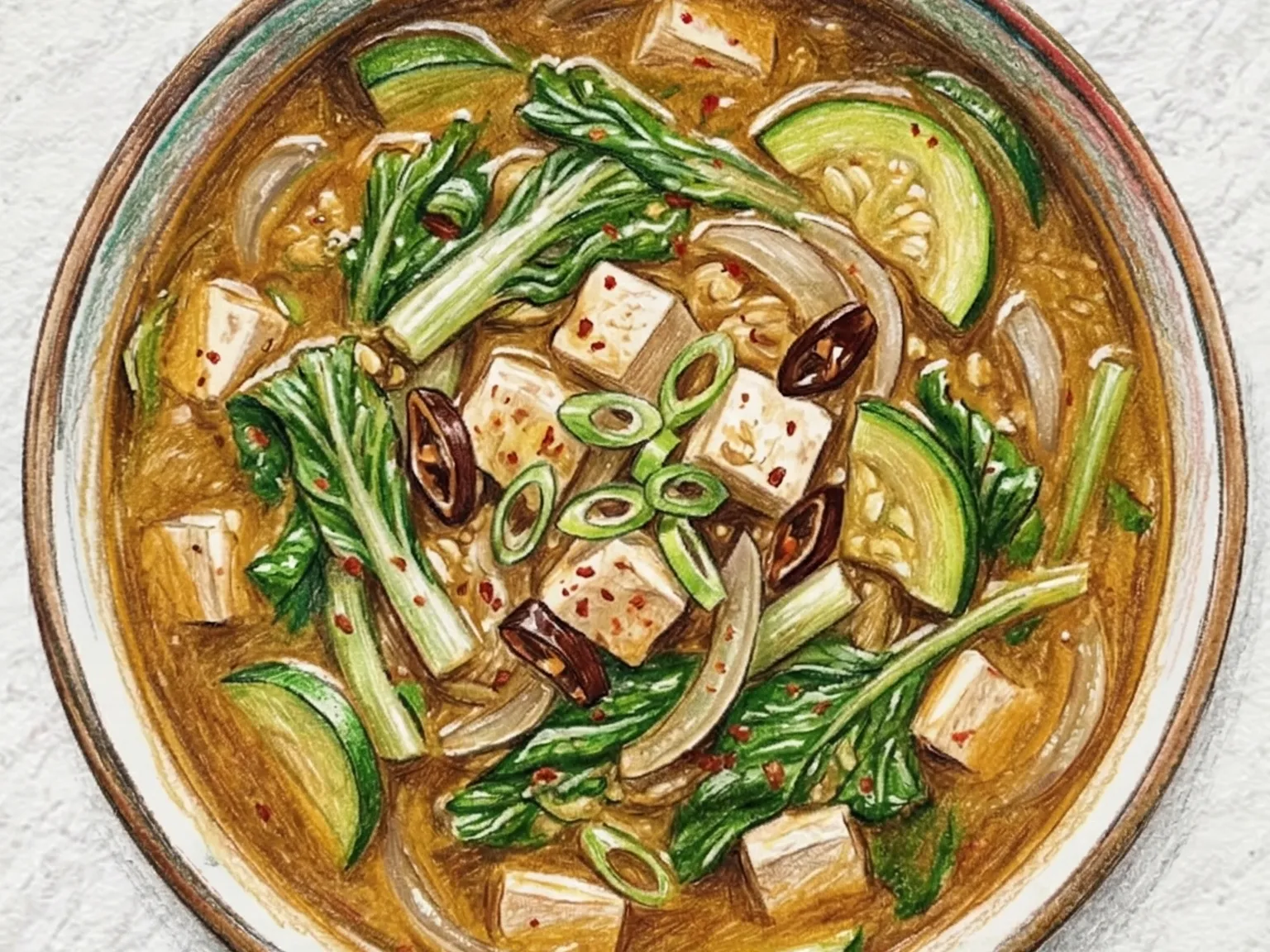
Korean Mugwort Soup (Spring Mugwort in Savory Doenjang Broth)
Soups Easy

Korean Mugwort Soup (Spring Mugwort in Savory Doenjang Broth)

Ssuk-guk is a seasonal doenjang soup that appears on Korean tables during early spring, when young mugwort shoots are tender enough to eat. The base is an anchovy-kelp stock into which soybean paste is strained, creating a mellow, savory foundation. Fresh mugwort is added only at the very end of cooking - just long enough for the leaves to wilt - because extended heat dulls their vivid green color and drives off the fragrance that makes this soup worth making. When timed correctly, each spoonful delivers the herb's distinctive bittersweet aroma, somewhere between sage and chrysanthemum, layered over the fermented depth of the doenjang. Cubed tofu softens in the hot broth and provides a neutral, creamy texture that balances the herbal intensity. A scattering of sliced scallion on top adds a mild sharpness. The soup is deliberately simple, designed to let mugwort take center stage as a reminder that the long winter is finally over.

🏠 Everyday 🥗 Light & Healthy
Prep 10min Cook 15min 2 servings
Korean Braised Tofu and King Oyster Mushrooms
Steamed Easy

Korean Braised Tofu and King Oyster Mushrooms

Saesongi dubu yangnyeom jorim is a braised side dish of firm tofu and king oyster mushrooms cooked down in a sauce of soy sauce, gochujang, and Korean chili flakes until the liquid is nearly gone and every surface is glazed. Pan-searing the tofu first over low heat until golden builds a crust that keeps it intact through braising and gives the seasoning somewhere to grip. Thick-cut king oyster mushrooms stay springy even after the long braise, while onion woven through the pot contributes a sweetness that softens the heat of the gochujang. Sesame oil stirred in at the end draws all the aromatics together into a cohesive finish. The result is a banchan with layers, gochujang spice, deep soy saltiness, and a savory earthiness from the mushrooms, that holds its flavor cold, making it a natural fit for packed lunches.

🍱 Lunchbox 🏠 Everyday
Prep 12min Cook 18min 2 servings

Similar recipes

Korean Young Radish Water Kimchi
Kimchi Medium

Korean Young Radish Water Kimchi

Yeolmu mul-kimchi is a water kimchi in which young radish greens are salted to reduce their raw grassy sharpness, then submerged in a clear, aromatic brine infused with sliced radish, scallions, garlic, and ginger. The garlic and ginger are wrapped in cloth and squeezed rather than added directly to the liquid, which keeps the brine transparent and clean-tasting rather than murky. Plum syrup blended into the brine provides a measured sweetness and contributes to a lively acidity as fermentation develops. Leaving the jar at room temperature for eight hours and then refrigerating for another twelve allows the brine to become gently effervescent and pleasantly tart without turning sour. The finished liquid doubles as a broth for cold noodles in summer or can be ladled over cooked rice for a refreshing light meal. Filtered cold water makes a noticeable difference in the cleanliness of the final flavor, and keeping close watch on the salting time prevents the greens from softening past their ideal crisp texture.

🥗 Light & Healthy 🍱 Lunchbox
Prep 30min 4 servings
Korean Young Radish Cold Noodles
Noodles Easy

Korean Young Radish Cold Noodles

Yeolmu mul guksu is a Korean cold noodle soup where the broth comes directly from yeolmu kimchi liquid mixed with cold water or light stock. The fermented, tangy kimchi brine serves as the soup base, eliminating the need for separate seasoning. Chilled somyeon noodles sit in the broth, topped with crunchy yeolmu kimchi pieces and often a few ice cubes. A halved boiled egg and sesame seeds are standard garnishes. The dish takes about 25 minutes to prepare and is straightforward as long as yeolmu kimchi is available.

🏠 Everyday ⚡ Quick
Prep 15min Cook 10min 2 servings
Korean Water Kimchi (Chilled Radish Broth Kimchi)
Side dishes Easy

Korean Water Kimchi (Chilled Radish Broth Kimchi)

Nabak-kimchi is a Korean water kimchi made by submerging thinly sliced radish and napa cabbage in a clear, lightly reddened broth - fundamentally different from the dense, fermented intensity of baechu-kimchi. Here, the chilled broth is the centerpiece, meant to be sipped and spooned rather than merely eaten as a side. Radish and cabbage are cut into flat 2-to-3cm squares, salted briefly, then immersed in a liquid made by steeping gochugaru in water through cheesecloth - wrapping the powder prevents the particles from clouding the broth. Garlic, ginger, scallion, and fish sauce flavor the liquid. One day at room temperature initiates lactic fermentation, introducing a gentle tang, and refrigeration over two to three days deepens the complexity. A spoonful of nabak-kimchi broth alongside spicy food acts as a cooling palate cleanser. Served cold, this kimchi is particularly refreshing in summer - it is a drinking kimchi in the truest sense, closer in spirit to naengmyeon broth than to solid fermented kimchi.

🏠 Everyday 🍱 Lunchbox
Prep 20min 4 servings

Tips

In summer fermentation is fast - refrigerate sooner to keep it fresh.

Nutrition (per serving)

Calories
35
kcal
Protein
2
g
Carbs
6
g
Fat
0
g