Charim

2686 Korean & World Recipes

2686+ Korean recipes, clean and organized. Ingredients to instructions, all at a glance.

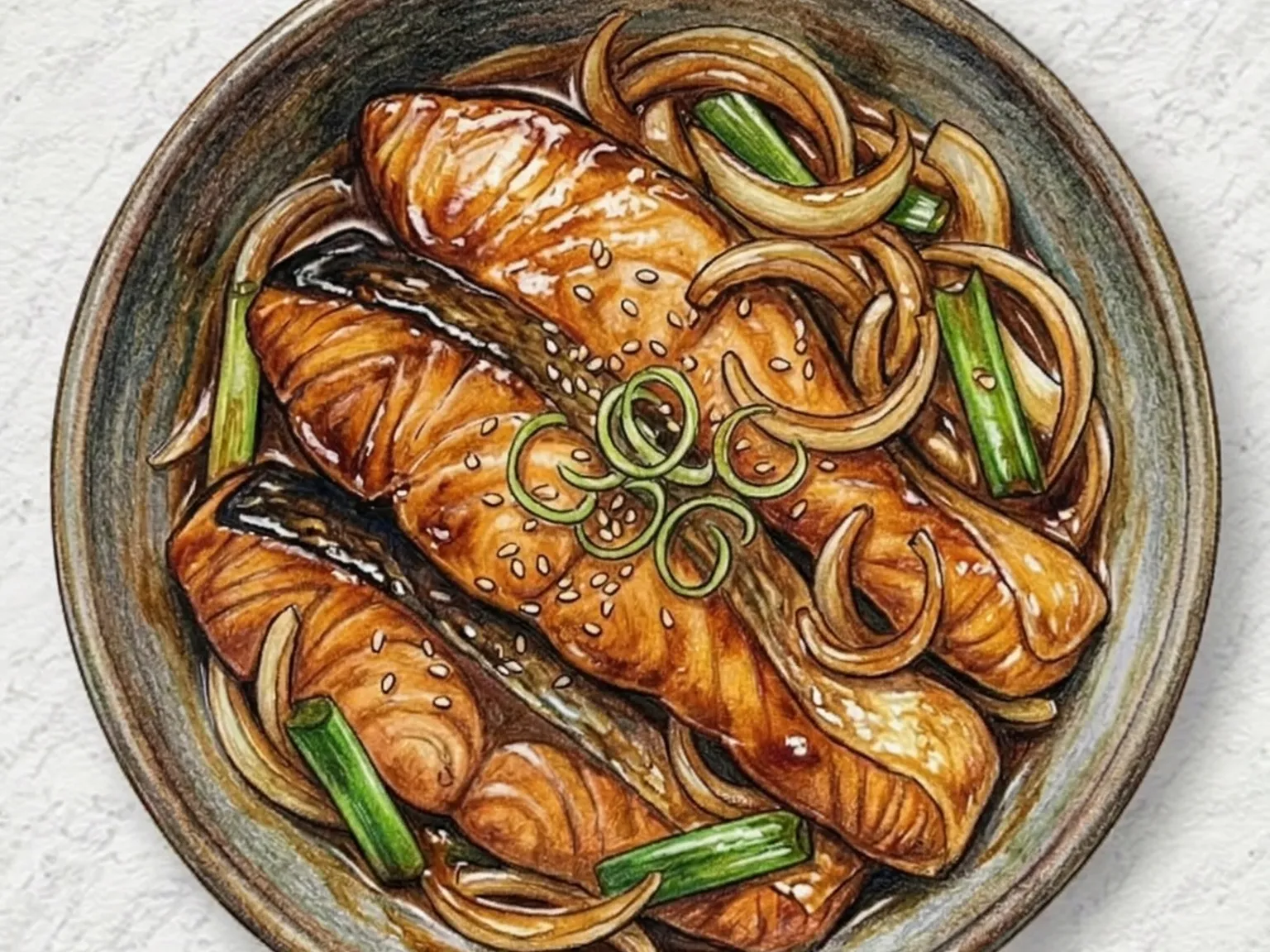
Korean Soy Braised Salmon

Korean Soy Braised Salmon

Yeon-eo ganjang jorim is Korean soy-braised salmon where fillets are seared first to firm the surface, then glazed in a sauce of soy sauce, cooking wine, and oligosaccharide syrup. Green onion and onion cook in the sauce, adding sweetness and neutralizing any fishiness. The syrup gives the glaze a smooth sheen that clings to each piece of salmon as the liquid reduces. With total cooking time under twenty minutes, this is a practical weeknight fish dish that delivers a polished, glossy presentation with minimal effort.

Prep 12min Cook 18min 2 servings

Adjust Servings

2servings
servings

Instructions

  1. 1

    Cut salmon into 4 pieces and pat dry with paper towels.

  2. 2

    Mix soy sauce, syrup, cooking wine, garlic, ginger, and water to make braising sauce.

  3. 3

    Layer onion in a pan, place salmon on top, pour sauce, and bring to a simmer over medium heat.

  4. 4

    Once simmering, reduce to low and cook for 8 minutes, basting occasionally.

  5. 5

    Add green onion and cook 3 more minutes until sauce lightly thickens.

  6. 6

    Turn off heat, sprinkle sesame seeds, and serve immediately.

🛒Shop Ingredients on Amazon

As an Amazon Associate, we may earn from qualifying purchases.

Tips

Avoid overcooking salmon; keep heat low and cook briefly.
If too salty, add 1-2 tbsp water at the end to adjust.

Nutrition (per serving)

Calories
360
kcal
Protein
30
g
Carbs
10
g
Fat
22
g

Goes Well With

Korean Stir-fried Julienne Potatoes
Side dishesEasy

Korean Stir-fried Julienne Potatoes

Gamja-chae-bokkeum is a stir-fried julienned potato banchan where the cutting technique determines the outcome more than any seasoning. Potatoes are julienned into matchstick-thin strips, then soaked in cold water for at least ten minutes to rinse away surface starch - a step that is not optional. Skipping it means the strips clump together in the pan, glueing themselves into a starchy mass that cannot be salvaged. After draining and drying thoroughly, the strips hit a hot, lightly oiled pan and cook for just three to four minutes, stirred and tossed frequently to prevent browning. The target is a strip that is fully cooked through but retains an audible crunch when bitten, a narrow window between underdone rawness and mushy softness that takes practice to hit consistently. The seasoning is deliberately minimal - salt and a small splash of vinegar, occasionally a little sesame oil - to let the potato's clean, starchy sweetness remain the central flavor. Sliced cheongyang chili stirred in at the end adds a sharp heat without muddying the clean taste profile. This banchan has been a fixture of Korean school lunches and company cafeterias for decades precisely because it is vegetarian, inexpensive, and universally acceptable to even the most selective eaters.

🏠 Everyday🍱 Lunchbox
Prep 12minCook 8min4 servings
Korean Anchovy Rice Balls
RiceEasy

Korean Anchovy Rice Balls

Myeolchi jumeokbap is a rice ball made by mixing sweet-salty glazed dried anchovies into warm rice and shaping it by hand. The anchovies are dry-toasted first in a pan over medium heat to drive off moisture and reduce fishiness, then a small amount of oil is added along with soy sauce and oligosaccharide syrup and the mixture is stirred over heat until the anchovies are coated in a glossy, caramelized glaze. The syrup scorches quickly, so the heat must be managed carefully and the pan watched throughout. Once the glazed anchovies are folded into warm rice, sesame oil, roasted seaweed flakes, and sesame seeds are added before everything is mixed together. Hands dampened with water or brushed with sesame oil are used to compress the mixture into compact balls. Working while the rice is still warm is important: the starch is pliable at temperature and the balls hold their shape firmly, whereas cold rice does not compact well and the finished balls tend to fall apart. Anchovy saltiness varies considerably between brands and batches, so the amount of soy sauce should be adjusted accordingly to avoid over-seasoning. The finished rice balls hold their flavor well after cooling, which makes them a reliable choice for packed lunches and outdoor eating.

🍱 Lunchbox
Prep 15minCook 10min2 servings
Korean Lettuce Root Kimchi
KimchiHard

Korean Lettuce Root Kimchi

Godeulppaegi kimchi is a seasonal Korean kimchi made from the bitter wild herb godeulppaegi (Korean lettuce root), which is soaked in salted water for about a week to extract most of its sharp bitterness before being dressed in gochugaru, anchovy fish sauce, and glutinous rice paste for fermentation. The extended soak rounds off the bitter edge so that only a pleasant, lingering bitterness remains after fermentation, creating a complex interplay with the lactic acidity. The roots have a chewy, fibrous bite while the leaves turn soft, giving each stalk a dual texture in a single bite. This is a regional autumn kimchi from the Jeolla and parts of Gyeongsang provinces, traditionally prepared in fall to last through winter. The preparation is labor-intensive, requiring patient soaking and careful seasoning, but the resulting depth of flavor is what has kept this variety treasured across generations of Korean home cooking.

🎉 Special Occasion🍱 Lunchbox
Prep 60minCook 10min4 servings
Korean Perilla Radish Soup
SoupsEasy

Korean Perilla Radish Soup

Deulkkae mu-guk is a Korean radish and perilla seed soup that belongs firmly to the cool-weather calendar. Sliced daikon simmers in anchovy stock for ten minutes first, releasing its clean sweetness into the broth before anything else goes in. Perilla seed powder, stirred in toward the end, thickens the liquid noticeably - its heavier, earthier fat behaves differently from sesame and coats the palate in a way plain radish broth cannot. Garlic simmers alongside the radish to build the underlying savory base. The powder must go in just before the heat is cut; leave it in too long and the toasted fragrance dissolves into the broth and disappears.

🏠 Everyday
Prep 10minCook 20min4 servings

More Recipes

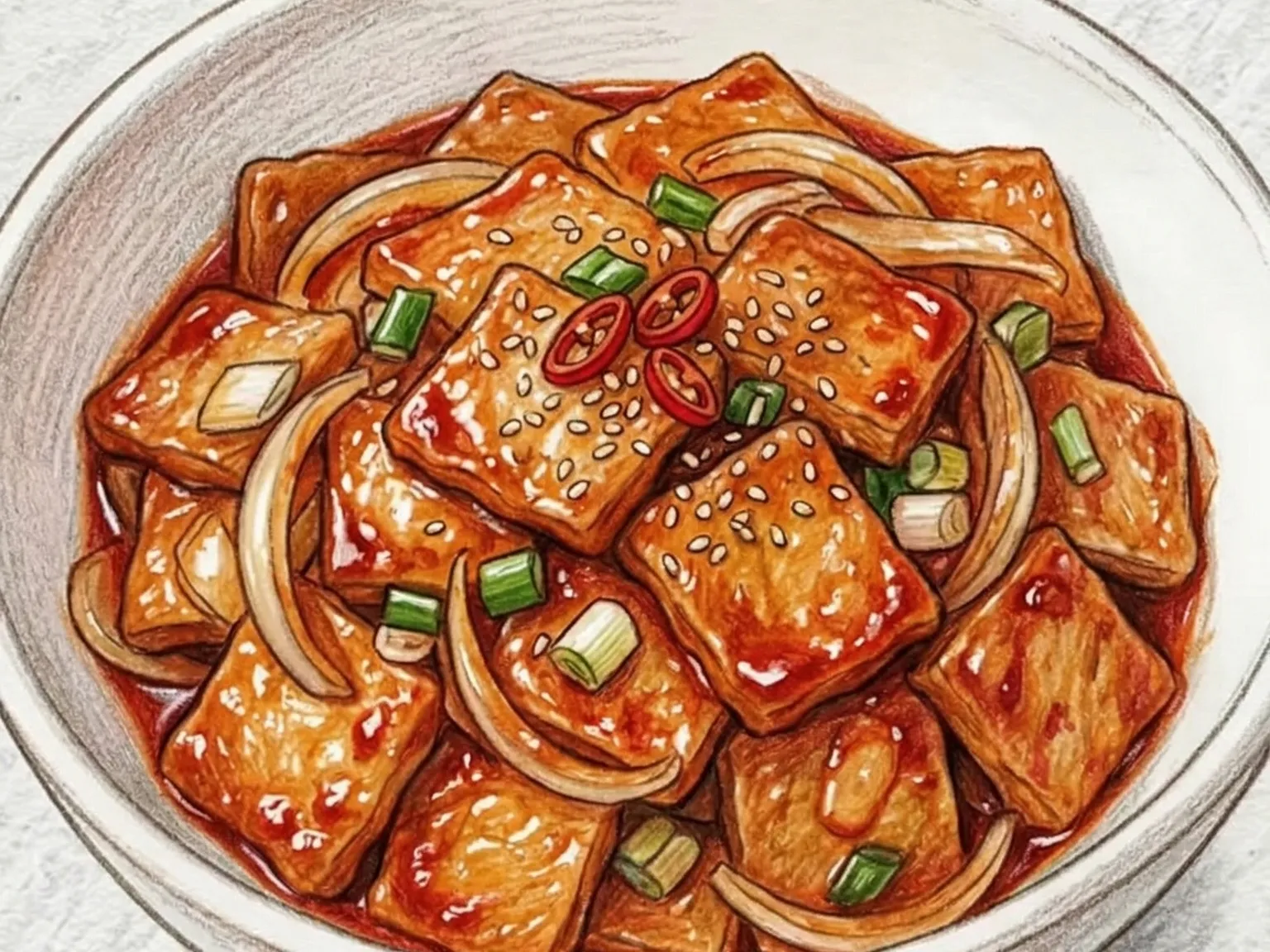
Korean Yeongeun Ganjang Jorim (Soy-Braised Lotus Root)
SteamedEasy

Korean Yeongeun Ganjang Jorim (Soy-Braised Lotus Root)

Yeongeun ganjang jorim is a Korean soy-braised lotus root side dish simmered in soy sauce, oligosaccharide syrup, vinegar, and cooking wine. The starchy surface of the lotus root develops a glossy glaze from the reduced sauce while the interior stays distinctly crunchy. Vinegar brightens the soy's salinity, and the syrup contributes a gentle sweetness and visible sheen. This banchan improves overnight in the refrigerator as the seasoning continues to penetrate, making it one of the most practical make-ahead side dishes in Korean home cooking.

🏠 Everyday🎉 Special Occasion
Prep 15minCook 25min4 servings
Korean Braised Anchovy Side Dish
Side dishesEasy

Korean Braised Anchovy Side Dish

Myeolchi-jorim simmers tiny dried anchovies in soy sauce, rice syrup, and garlic into a moist, glazed banchan that contrasts fundamentally with stir-fried anchovy preparations. Where bokkeum chases crispness by cooking over high heat with minimal liquid, jorim pursues the opposite - anchovies braise in a seasoned liquid on low heat until they absorb it from the inside out, becoming pliant and saturated with sweet-salty flavor all the way through their flesh. A one-minute dry toast in a bare pan removes any residual fishiness before soy sauce, syrup, minced garlic, and water go in together, simmering uncovered for ten minutes while the liquid steadily reduces. As the sauce thickens, a sticky dark glaze wraps around each anchovy; biting one releases a rush of seasoned juice from within rather than the crunch of a dehydrated fish. Sesame seeds and sesame oil stirred in off heat add a final layer of warmth and nuttiness. Once fully cooled, the reduced sauce thickens further into an almost jelly-like coating that holds the anchovies together in a satisfying cluster. Stored in an airtight container in the refrigerator, myeolchi-jorim keeps well for over a week and the flavor continues to deepen as the anchovies sit in the congealed glaze.

🏠 Everyday🍱 Lunchbox
Prep 8minCook 15min4 servings
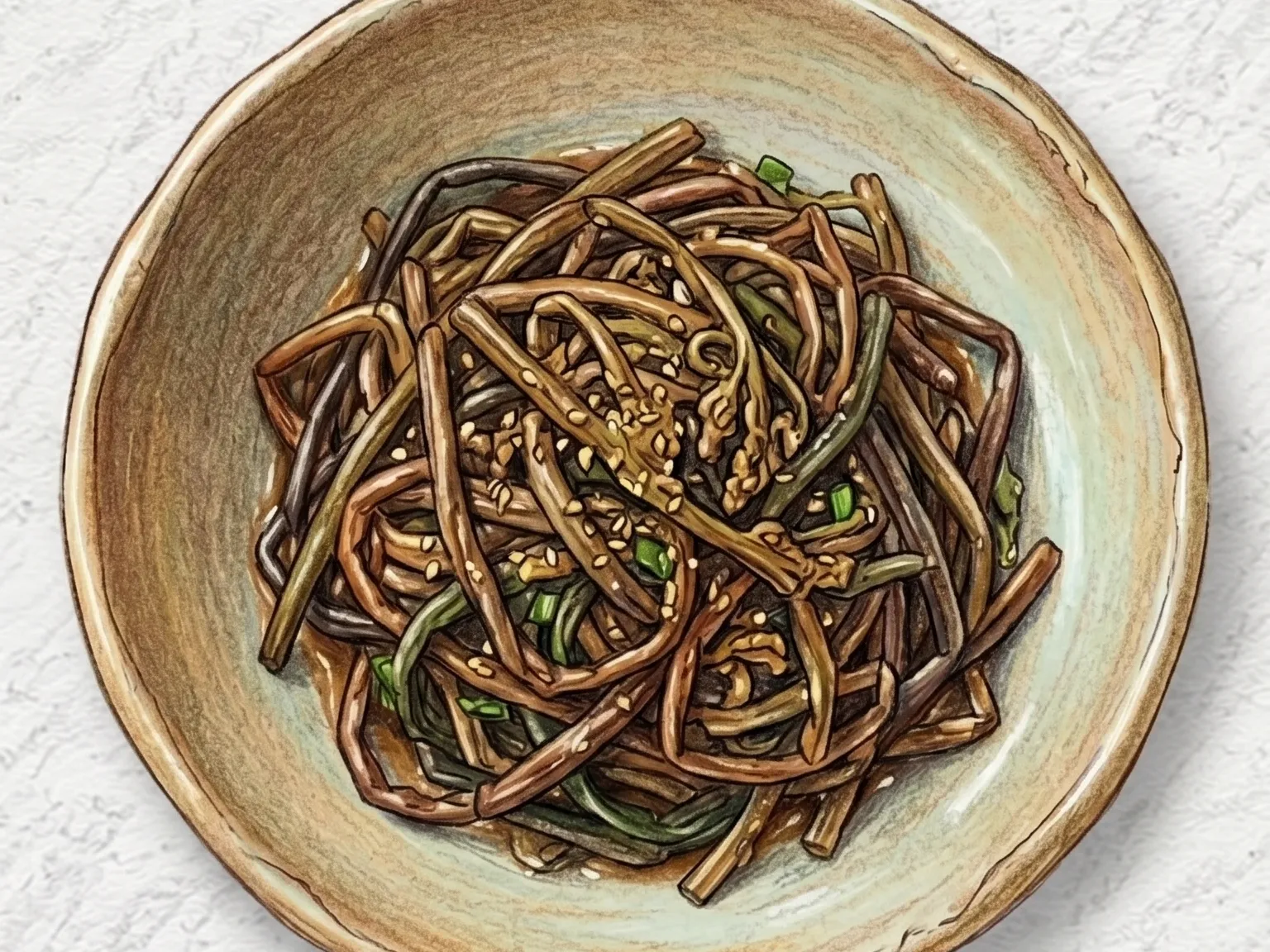
Korean Soy-Braised Deodeok Root
SteamedMedium

Korean Soy-Braised Deodeok Root

Deodeok-jorim is a Korean braised banchan made from deodeok root simmered in soy sauce, rice syrup, garlic, and sesame oil until each piece takes on a glossy, lacquered coating. The root's pronounced bitter-herbal aroma softens considerably as the sweet-salty glaze penetrates during cooking, while the interior stays dense and pleasantly chewy throughout. A single green chili stirred in near the end contributes a restrained background heat, and toasted sesame seeds with a final drizzle of sesame oil add a nutty dimension on top. Deodeok is a foraged mountain root prized for its earthy, slightly resinous character, and this preparation tames that wild quality just enough to make it approachable as a daily side dish. Paired with other vegetable banchan, it anchors the kind of traditional Korean table that prioritizes vegetables over protein.

🏠 Everyday🍱 Lunchbox
Prep 20minCook 18min2 servings
Korean Soy-Braised Fish Cake
Side dishesEasy

Korean Soy-Braised Fish Cake

Eomuk-jorim is a braised Korean fish cake banchan in which triangles or rectangles of eomuk are simmered in a mixture of soy sauce, rice syrup, garlic, and water. Korean eomuk is a processed fish product made by grinding white fish flesh with starch and shaping the paste into flat sheets or molded forms -- denser and chewier than Japanese kamaboko, with a texture that holds its structure through the long braise without turning soft. As the liquid reduces by roughly half over ten minutes of steady simmering, the sauce concentrates into a thick, sticky glaze that adheres to each piece. Adding a sliced cheongyang chili near the end of cooking introduces a subtle heat that cuts through the sweetness of the rice syrup and gives the banchan a sharper edge that pairs well with plain rice. One of the most practical side dishes in the Korean repertoire, eomuk-jorim keeps in the refrigerator for up to a week and, like many braised preparations, deepens in flavor as the soy seasoning continues to penetrate the fish cake over subsequent days. Its low cost and the ease of making large batches in a single pan explain its decades-long presence in school cafeterias, packed lunchboxes, and the everyday home kitchen.

🏠 Everyday🍱 Lunchbox
Prep 8minCook 12min4 servings
Korean Braised Mackerel in Spicy Sauce
Side dishesMedium

Korean Braised Mackerel in Spicy Sauce

Godeungeo-jorim is one of the most frequently cooked fish banchan in Korean homes, pairing mackerel's assertive flavor with a spicy braising sauce that demands steamed rice. Mackerel is cut into steaks and salted for ten minutes to draw out fishy odors, then arranged over thick radish slices that line the pot bottom. The radish serves dual duty: preventing the fish from sticking and releasing its natural sweetness into the braising liquid below. A sauce of gochugaru, gochujang, soy sauce, garlic, ginger, and sugar is spooned over, and the pot simmers covered for twenty minutes. During this time the seasoning penetrates the flesh while the radish absorbs enough sauce to rival the fish itself as the most satisfying component of the dish. Green onion added in the final minutes lifts the heavy spice with a fresh sharpness.

🏠 Everyday🍱 Lunchbox
Prep 15minCook 25min4 servings
Korean Braised Mackerel with Dried Radish Greens
SteamedMedium

Korean Braised Mackerel with Dried Radish Greens

Siraegi godeungeo jorim is a Korean braised mackerel dish in which the fish and pre-boiled dried radish greens are cooked down with radish and onion in a chili-soy seasoning. The richness of mackerel fat and the earthy, fibrous character of dried radish greens share the same braising liquid, each amplifying what the other brings to the pot. The radish greens must be boiled thoroughly before braising to soften their tough fibers and leach out any residual bitterness, which is then washed away with a cold rinse. Mackerel seasoned lightly with cooking wine is placed over the greens and vegetables, and the pot braises over medium-low heat for more than twenty minutes so the seasoning penetrates the flesh all the way through. Spooning the braising liquid over the fish two or three times during cooking ensures an even coating on the upper surface. Radish becomes sweeter and more concentrated as it reduces, neutralizing any fishiness from the mackerel. The finished dish, spooned generously over steamed rice with its spicy braising sauce, delivers a layered depth of flavor that is unmistakably Korean.

🎉 Special Occasion🍱 Lunchbox
Prep 20minCook 35min4 servings
More Steamed →