Charim

2686 Korean & World Recipes

2686+ Korean recipes, clean and organized. Ingredients to instructions, all at a glance.

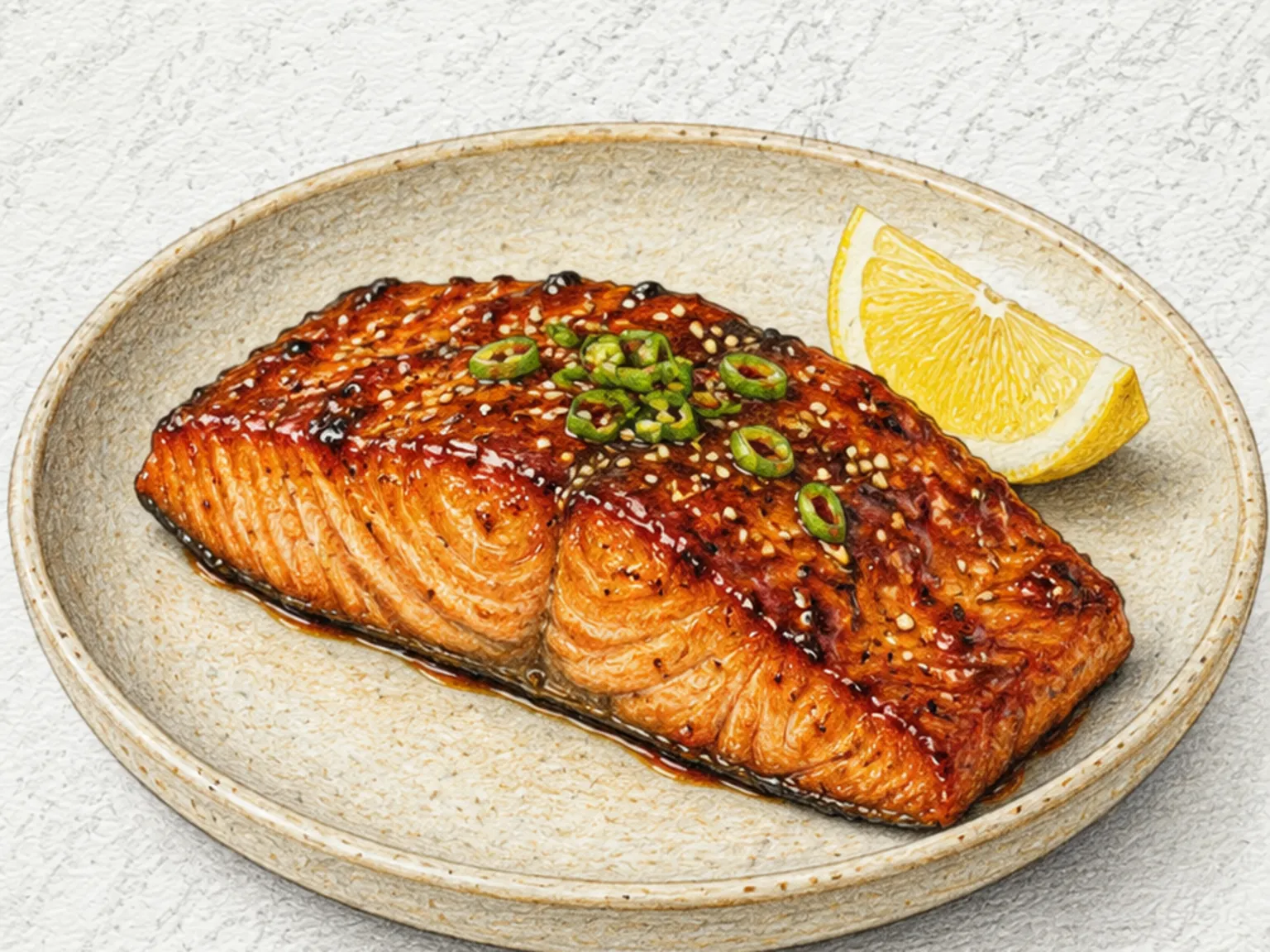
Korean Gochujang Butter Grilled Salmon
Grilled Medium

Korean Gochujang Butter Grilled Salmon

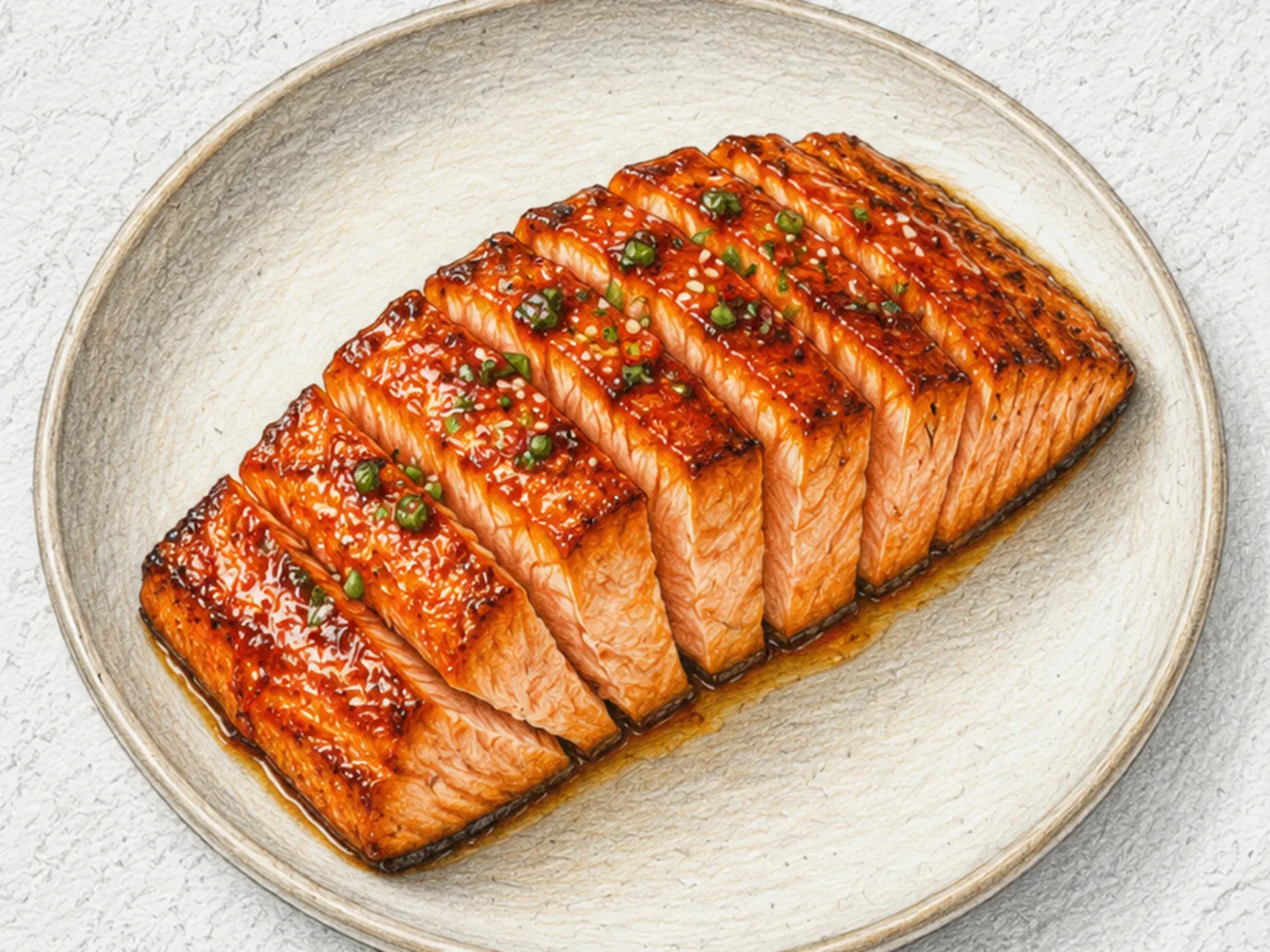
Salmon is marinated in a mixture of gochujang, soy sauce, and honey, then seared in a pan with butter that bastes the fillet as it cooks. The glaze caramelizes on the surface, creating a glossy, slightly spicy-sweet crust, while the butter adds a layer of richness underneath. A final brush of sauce and a two-minute rest allow the flavors to set and the juices to redistribute evenly.

Prep 18min Cook 12min 2 servings

Adjust Servings

2servings
servings

Instructions

  1. 1

    Check salmon for pin bones and pat dry thoroughly with paper towels.

  2. 2

    Mix gochujang, soy sauce, honey, garlic, lemon juice, and pepper; coat salmon and rest 10 minutes.

  3. 3

    Heat oil over medium and cook salmon skin-side down for 4 minutes to render fat.

  4. 4

    Flip, cook 3 more minutes, then add butter and baste for richer flavor.

  5. 5

    Brush with remaining sauce, cook 1 more minute, rest 2 minutes, then slice and serve.

🛒Shop Ingredients on Amazon

As an Amazon Associate, we may earn from qualifying purchases.

Tips

If the fillet is thick, finish 1-2 minutes longer on low heat.
Late glazing prevents the sauce from burning.

Nutrition (per serving)

Calories
430
kcal
Protein
34
g
Carbs
10
g
Fat
28
g

Goes Well With

Korean Seafood Hot Pot Soup
SoupsMedium

Korean Seafood Hot Pot Soup

Haemul-tang is a Korean seafood hot pot that throws together crab, shrimp, clams, and squid in a fiery, brick-red broth. The liquid starts with gochugaru and plenty of garlic, building a spicy base that the seafood then amplifies with its own briny juices. Radish chunks soften as the pot bubbles, thickening the broth slightly and adding a cool sweetness behind the heat. Green onions and cheongyang peppers go in toward the end for a sharp, vegetal bite. The magic of haemul-tang lies in the convergence of flavors: crab shells release a sweet, crustacean stock; clams open to spill their liquor; shrimp and squid contribute distinct textures from snappy to chewy. The pot is brought to the table still at a rolling boil, and diners pick through the shells and tentacles while the broth continues to concentrate.

🏠 Everyday🎉 Special Occasion
Prep 25minCook 30min4 servings
Korean Paengi Beoseot Jeon (Enoki Pancake)
Side dishesEasy

Korean Paengi Beoseot Jeon (Enoki Pancake)

Paengibeoseot-jeon is a thin Korean pancake built around 200 grams of enoki mushrooms separated into loose strands and coated in a light batter of pancake mix, egg, and water. Cooked over medium-low heat, the batter spreads thin enough that the edges turn golden and crisp while the mushroom clusters in the center stay moist and chewy. Chopped scallions add color and a mild onion fragrance throughout. The pancake is served with a dipping sauce of soy sauce, vinegar, and a pinch of chili flakes, whose acidity and salt lift the subtle earthiness of the mushrooms. Keeping the heat moderate is essential - too high and the outside burns before the interior sets.

🍺 Bar Snacks🏠 Everyday
Prep 15minCook 12min2 servings
Korean Maesaengi Oyster Porridge
RiceMedium

Korean Maesaengi Oyster Porridge

Maesaengi gul juk is a Korean winter restorative porridge made by simmering sesame-oil-toasted rice in anchovy-kelp stock, then finishing it with maesaengi seaweed and fresh oysters. The delicate, threadlike strands of maesaengi lend a mild oceanic fragrance that spreads gently through each spoonful of the porridge. Oysters release briny, mineral-rich juices as they cook, deepening the broth in a way that plain water or a neutral stock cannot replicate. Toasting the raw rice grains in sesame oil before adding any liquid coats each grain with nutty fat, giving the finished porridge a warm, fragrant backbone that ties the seaweed and shellfish together. The anchovy-kelp stock adds its own clean, savory depth that complements both seafood components without overpowering either. Maesaengi must go in at the very last moment before the heat is turned off, because extended cooking destroys its vivid green color and chases away its fresh sea aroma. Oysters should also be added near the end to prevent them from shrinking and toughening. The porridge delivers carbohydrate, protein, and minerals in a single bowl, making it a classic choice for cold mornings or when the body needs gentle nourishment.

🎉 Special Occasion
Prep 20minCook 25min2 servings
Korean Fermented Flounder Sikhae
KimchiHard

Korean Fermented Flounder Sikhae

Gajami sikhae is a traditional fermented flounder preparation from Korea's East Coast, made by combining salt-cured flounder fillets with julienned radish, cooked glutinous rice, gochugaru, and fish sauce, then sealing the mixture for fermentation at low temperature for a week or more. The glutinous rice starch feeds lactic acid bacteria, producing a mild, rounded acidity that reads quite differently from the sharp, concentrated saltiness of jeotgal. Radish adds moisture and textural contrast. As fermentation progresses, fish proteins break down into deep umami compounds. The resulting sikhae is far less salty than conventional fermented seafood and can be eaten directly over rice. A regional winter banchan associated with Gangwon and Hamgyeong provinces, it grows more sour the longer it ferments.

🎉 Special Occasion🍱 Lunchbox
Prep 45minCook 25min4 servings

More Recipes

Korean Grilled Atka Mackerel
GrilledEasy

Korean Grilled Atka Mackerel

Atka mackerel is seasoned with salt and pepper, wiped down with diluted vinegar to settle the fishiness, then pan-grilled on both sides until golden. The fish is naturally high in fat, and as it cooks the oil renders from within and permeates the flesh, building a rich, savory depth without any sauce at all. Thicker sections benefit from a brief covered rest on medium heat, which carries heat evenly to the center before the surface can scorch. A wedge of lemon at the side cuts through the rendered fat with clean brightness, making this grilled fish equally good as a rice side or a drinking snack.

🍺 Bar Snacks🏠 Everyday
Prep 10minCook 12min2 servings
Korean Butter-Grilled Abalone
GrilledMedium

Korean Butter-Grilled Abalone

Scored abalone is seared quickly in garlic butter, with the cooking time kept to two or three minutes so the flesh stays springy and firm rather than contracting into a tough, rubbery state. Minced garlic is added to the melted butter first, allowing its fragrance to bloom before the abalone goes in, so the shellfish absorbs the full depth of the butter. A small addition of soy sauce to the pan deepens the umami without masking the delicate sweetness of the abalone itself. For an extra layer of oceanic richness, the abalone liver can be minced and stirred directly into the butter sauce as it finishes; the liver melts in, contributing a briny, mineral depth that amplifies the sea flavor of the dish. The finished abalone is best served in the cleaned shells, which both keep the butter sauce pooled around the meat and make for an appealing natural presentation. A light squeeze of lemon juice just before serving cuts through the richness of the butter and brings out the natural sweetness of the shellfish.

🍺 Bar Snacks
Prep 20minCook 10min2 servings
Korean Grilled Pacific Saury
GrilledEasy

Korean Grilled Pacific Saury

Kkongchi-gui is a Korean salt-grilled Pacific saury that relies on the fish's abundant natural oil for flavor. Saury, an oily blue-backed fish at its peak in autumn, renders its own fat when grilled, creating a crisp, golden skin without additional oil. Gutting the fish and salting it for ten minutes draws out surface moisture and tames any strong fishy scent before it hits the pan. Each side cooks for four to five minutes over medium-high heat until the skin blisters and the flesh near the spine turns opaque. Grated daikon mixed with a splash of soy sauce and a wedge of lemon served alongside cut through the richness cleanly.

🍺 Bar Snacks🍱 Lunchbox
Prep 10minCook 12min2 servings
Korean Grilled Tteokgalbi Patties
GrilledMedium

Korean Grilled Tteokgalbi Patties

Ground beef and ground pork are combined in a two-to-one ratio with finely diced onion (squeezed dry), soy sauce, sugar, minced garlic, sesame oil, and breadcrumbs, then kneaded for at least three minutes until the mixture develops a sticky, elastic consistency. Thick oval patties are seared four minutes per side on medium heat, then finished on low for three to four more minutes, resulting in a caramelized exterior and a moist center. The blend of beef and pork creates a more layered flavor than either meat alone - the beef brings depth while the pork adds fat and smoothness. These patties hold up well at room temperature, making them a staple for Korean lunch boxes.

🍺 Bar Snacks🍱 Lunchbox
Prep 25minCook 16min4 servings
Korean Butter-Grilled Scallops
DrinksMedium

Korean Butter-Grilled Scallops

Garibi butter-gui sears fresh scallops in garlic butter until each side develops a deep golden-brown crust, then finishes with lemon juice and parsley to balance the richness. Removing every trace of surface moisture with paper towels before seasoning is the single most important step -- water on the surface of the scallop causes it to steam rather than sear, and no caramelized crust will form until that moisture has evaporated. Each side cooks for only one to two minutes at the highest heat the pan can sustain, leaving the center just barely opaque and the texture tender rather than rubbery. After flipping, butter and minced garlic are added directly to the hot pan and spooned continuously over the scallops so the aroma infuses the surface. A squeeze of lemon and a scatter of chopped parsley added just before removing from heat layers acidity and freshness over the butter richness. Simple to prepare and fast to cook, this dish appears regularly at home gatherings in Korea as a crowd-pleasing appetizer.

🍺 Bar Snacks🎉 Special Occasion
Prep 12minCook 8min2 servings
Korean Soy Braised Salmon
SteamedEasy

Korean Soy Braised Salmon

Yeon-eo ganjang jorim is Korean soy-braised salmon where fillets are seared first to firm the surface, then glazed in a sauce of soy sauce, cooking wine, and oligosaccharide syrup. Green onion and onion cook in the sauce, adding sweetness and neutralizing any fishiness. The syrup gives the glaze a smooth sheen that clings to each piece of salmon as the liquid reduces. With total cooking time under twenty minutes, this is a practical weeknight fish dish that delivers a polished, glossy presentation with minimal effort.

🍱 Lunchbox
Prep 12minCook 18min2 servings
More Grilled →