Charim

2686 Korean & World Recipes

2686+ Korean recipes, clean and organized. Ingredients to instructions, all at a glance.

Korean Soy-Glazed Grilled Lotus Root

Korean Soy-Glazed Grilled Lotus Root

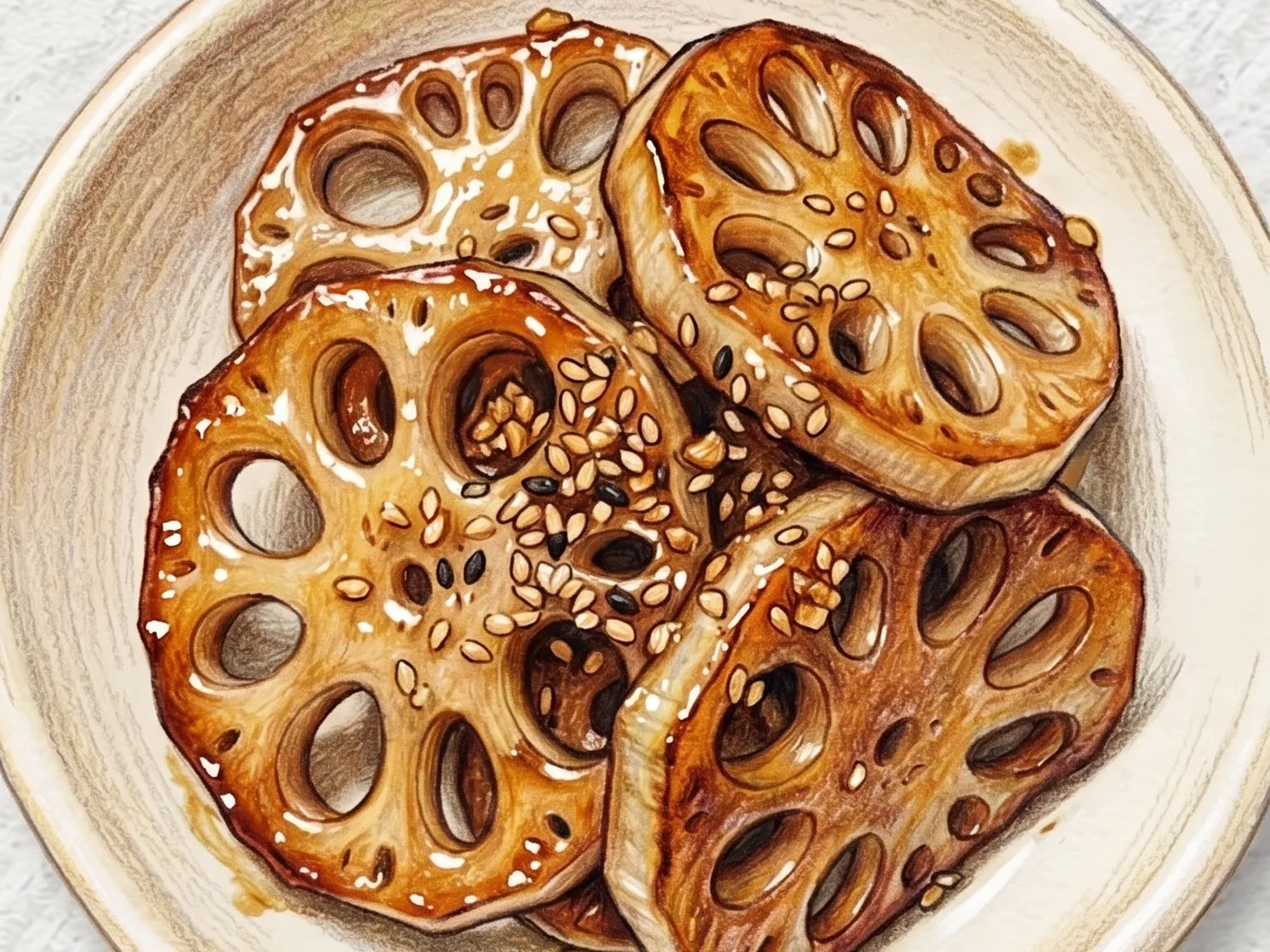
Lotus root slices are soaked in vinegar water to reduce astringency, blanched briefly, then pan-grilled with a soy sauce, oligosaccharide syrup, and garlic glaze. The coating turns glossy as it reduces, giving each slice a balanced salty-sweet finish while the interior stays crisp and clean-tasting. Topped with sesame seeds, this vegetable side holds up well in packed lunches and as an everyday banchan.

Prep 18min Cook 12min 2 servings

Adjust Servings

2servings
servings

Instructions

  1. 1

    Slice lotus root to 0.7 cm and soak in vinegar water for 10 minutes.

  2. 2

    Blanch for 2 minutes in boiling water, then drain well.

  3. 3

    Mix soy sauce, syrup, garlic, and sesame oil into a glaze.

  4. 4

    Heat oil in a pan and grill lotus root on both sides until golden.

  5. 5

    Add glaze and reduce over medium-low heat to coat the slices.

  6. 6

    Finish with sesame seeds and serve as banchan or snack.

🛒Shop Ingredients on Amazon

As an Amazon Associate, we may earn from qualifying purchases.

Tips

Pre-blanching keeps crunch while reducing bitterness.
Turn off heat once glossy; over-reducing makes the glaze harden.

Nutrition (per serving)

Calories
210
kcal
Protein
3
g
Carbs
30
g
Fat
9
g

More Recipes

Korean Steamed Lotus Root
SteamedEasy

Korean Steamed Lotus Root

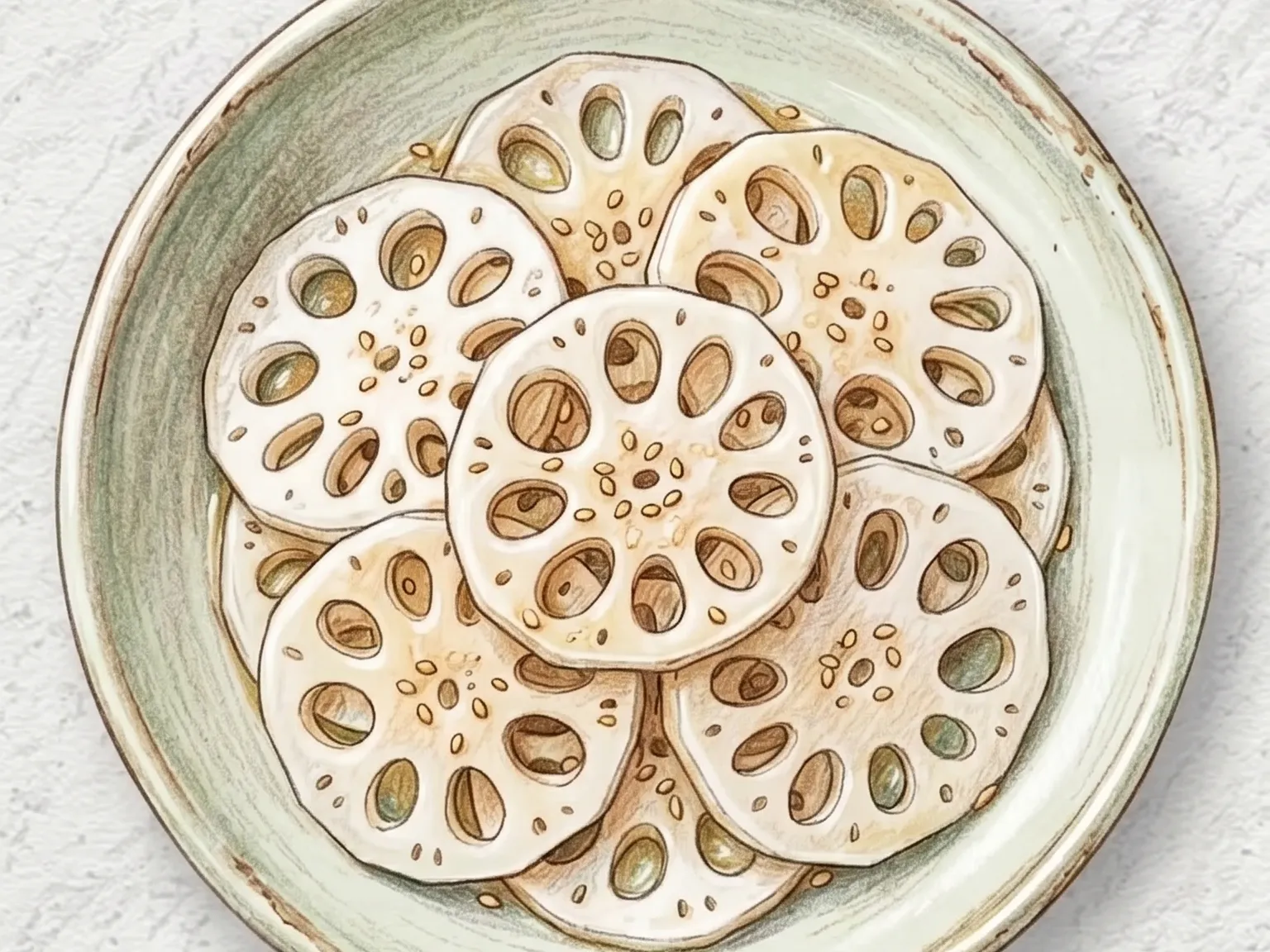
Yeongeun-jjim is Korean steamed lotus root where thick-cut slices are braised gently in a soy sauce, sugar, and cooking wine seasoning under a covered lid. The thick cross-sections absorb the sauce slowly, developing a sweet-salty coating on the outside while maintaining a crisp-chewy dual texture inside. Sesame oil added at the end lifts a toasted fragrance, and scattered sesame seeds provide visual contrast. With only a handful of ingredients, this side dish showcases the lotus root's natural starchy character in a clean, understated preparation.

🍱 Lunchbox
Prep 15minCook 22min2 servings
Korean Soy-Glazed Kabocha Grill
GrilledEasy

Korean Soy-Glazed Kabocha Grill

Danhobak-ganjang-gui is a Korean soy-glazed kabocha squash dish where thick half-moon slices are pre-steamed or microwaved until just softened, then pan-grilled with a glaze of soy sauce, corn syrup, minced garlic, and sesame oil. Pre-cooking the squash is essential-it eliminates the need for prolonged grilling, so the glaze can caramelize quickly without the interior remaining raw. The natural sugars in kabocha meet the salt of the soy sauce to create a pronounced sweet-salty contrast, and the corn syrup melts into a shiny, lacquer-like coating on the surface. Sesame oil should be added only after removing from heat to preserve its fragrance, and a scattering of toasted sesame seeds finishes the dish with a crunchy, nutty accent.

🍺 Bar Snacks🍱 Lunchbox
Prep 15minCook 20min4 servings
Korean Bollak Ganjang Gui (Soy-Glazed Rockfish Grill)
GrilledMedium

Korean Bollak Ganjang Gui (Soy-Glazed Rockfish Grill)

Bolak-ganjang-gui is a Korean soy-glazed rockfish dish where fillets are brushed with a sauce of soy sauce, cooking wine, minced garlic, ginger juice, and honey, then grilled over medium-high heat. Half the glaze is applied first and left for just ten minutes-long enough for the salt and sweetness to penetrate the surface without overwhelming the fish's own mild flavor. Starting skin-side down for four minutes builds a crisp base, and brushing on the remaining glaze during the final minutes of cooking lets the honey caramelize into a glossy, dark-brown coating. A finish of sesame oil and sliced green onion adds a nutty, aromatic layer on top of the savory-sweet glaze.

🍺 Bar Snacks🍱 Lunchbox
Prep 20minCook 14min2 servings
Korean Grilled Bellflower Root
GrilledMedium

Korean Grilled Bellflower Root

Bellflower root is shredded lengthwise, soaked in salted water, and blanched for one minute to draw out its characteristic bitterness without eliminating it entirely. A ten-minute soak in a sauce of gochujang, gochugaru, soy sauce, oligosaccharide syrup, garlic, and sesame oil seasons the root before it hits a medium-heat pan for three to four minutes per side. The result has a crisp, crunchy bite - distinct from any other vegetable - with a red-glazed surface that carries moderate heat. Open-flame grilling adds a smoky dimension that pairs well with the spicy coating, and sesame seeds provide a finishing touch.

🍺 Bar Snacks🏠 Everyday
Prep 20minCook 10min2 servings
Korean Gochujang Grilled Garlic Scapes
GrilledEasy

Korean Gochujang Grilled Garlic Scapes

Maneuljjong-gochujang-gui is a Korean grilled garlic scape dish where the scapes are cut into six-centimeter pieces, blanched for just thirty seconds, then stir-grilled in a pan with a sauce of gochujang, gochugaru, soy sauce, oligosaccharide syrup, and minced garlic. The brief blanch softens the fibrous outer layer while preserving the interior crunch, and an immediate cold-water rinse stops carryover cooking. The garlic scapes' sharp, pungent bite compounds with gochujang's fermented heat to create a layered spiciness that goes beyond simple chili burn. If the sauce begins to stick and scorch, a tablespoon of water loosens it without diluting the flavor, and a final drizzle of sesame oil with toasted sesame seeds closes the dish with a roasted nuttiness.

🍺 Bar Snacks🏠 Everyday
Prep 10minCook 8min2 servings
Korean Lotus Root Pancakes
Side dishesMedium

Korean Lotus Root Pancakes

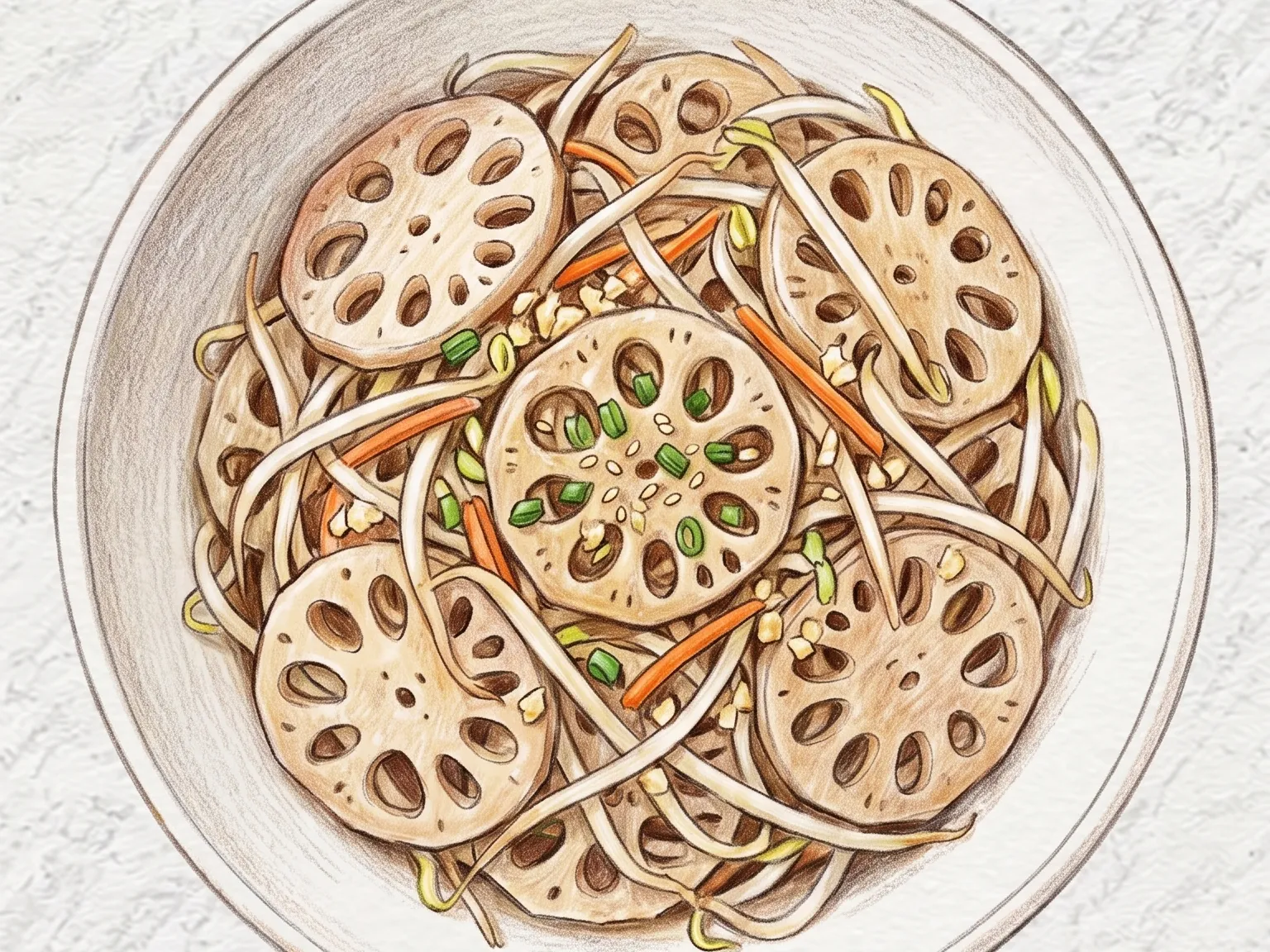
Lotus root is sliced into rounds and coated in a light batter of buchim flour and egg before being pan-fried until golden on both sides. The root's characteristic perforations show through the thin batter, creating a lace-like appearance on each piece that makes this jeon visually distinctive. Biting through the crisp exterior reveals the lotus root's dual texture: an initial crunch from the starchy flesh followed by a slightly sticky chew that clings pleasantly to the teeth. Slicing to a thickness of five to six millimeters strikes the right balance between maintaining the crunch and ensuring the center cooks through. The egg-enriched batter adheres evenly to the root's smooth surface and sets immediately upon contact with hot oil, sealing in moisture. Minimal salt in the batter allows the lotus root's faint natural sweetness to emerge, and a dipping sauce of soy sauce and vinegar provides the acidity needed to cut through the fried exterior's richness. Commonly served during Korean holidays, this jeon is simple enough for everyday cooking as well.

🏠 Everyday🍱 Lunchbox
Prep 15minCook 12min4 servings
More Grilled →