Charim

2686 Korean & World Recipes

2686+ Korean recipes, clean and organized. Ingredients to instructions, all at a glance.

Korean Lotus Root Salad (Sweet and Sour Vinegar Soy Dressing)

Korean Lotus Root Salad (Sweet and Sour Vinegar Soy Dressing)

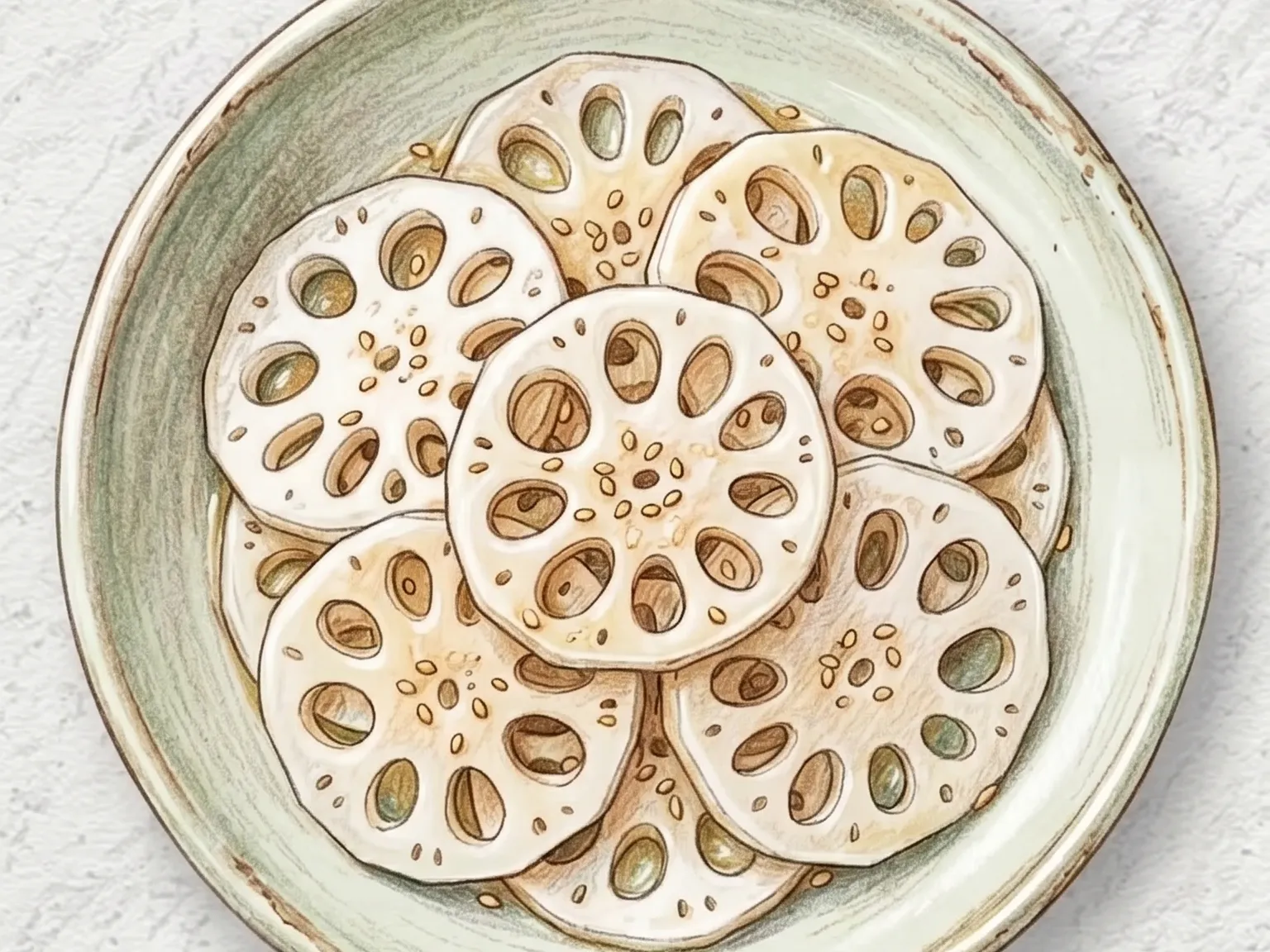
Thinly sliced lotus root is blanched in vinegar water to keep its bright white color, then tossed in a sweet-and-sour dressing of soy sauce, vinegar, and sugar. The honeycomb cross-section of each slice traps seasoning in its holes, distributing flavor evenly with every bite. A finishing sprinkle of sesame seeds adds a toasted aroma that complements the crisp, snappy texture. Because the dish stays dry rather than releasing liquid, it holds up well in packed lunches without turning soggy.

Prep 15min Cook 10min 4 servings

Adjust Servings

2servings
servings

Instructions

  1. 1

    Peel and thinly slice lotus root; soak in acidulated water to prevent browning.

  2. 2

    Blanch the lotus root in boiling water with a splash of vinegar for 3 minutes.

  3. 3

    Drain in a colander and let cool.

  4. 4

    Season with soy sauce, vinegar, and sugar; toss and sprinkle with sesame seeds.

🛒Shop Ingredients on Amazon

As an Amazon Associate, we may earn from qualifying purchases.

Tips

Adding vinegar to the blanching water keeps the lotus root bright white.

Nutrition (per serving)

Calories
80
kcal
Protein
2
g
Carbs
18
g
Fat
1
g

More Recipes

Korean Green Onion Salad (Doenjang-Dressed Grilled Meat Side)
Side dishesEasy

Korean Green Onion Salad (Doenjang-Dressed Grilled Meat Side)

Jjokpa-muchim dresses thin Korean chives (jjokpa) in a blend of doenjang and gochujang - a supporting-role banchan that almost always accompanies grilled samgyeopsal or pan-roasted fish. Jjokpa is milder and sweeter than regular green onion, which is why it works raw: the gentle sharpness cuts through fatty meat without overpowering it. The fermented depth of doenjang and the spicy kick of gochujang layer onto the chive's natural pungency to build a complex flavor from three simple ingredients. The critical rule is to dress the chives immediately before serving - salt in the pastes wilts the jjokpa within minutes, collapsing the crisp snap that defines the dish. Cut to four-centimeter lengths and gently tumbled in the sauce, the entire preparation takes under five minutes. Spring jjokpa is the most tender and sweet, making it the peak season for this banchan.

🏠 Everyday🍱 Lunchbox
Prep 10min2 servings
Korean Lotus Root Rice (Steamed Rice with Crunchy Lotus Root Slices)
RiceEasy

Korean Lotus Root Rice (Steamed Rice with Crunchy Lotus Root Slices)

Yeongeun-bap is Korean rice cooked together with sliced lotus root, which keeps a distinctive crunch even after steaming. As the lotus root heats, its starch turns slightly sticky on the surface while the core stays firm, giving each bite a layered texture. A simple seasoning sauce of soy sauce and sesame oil is mixed in at the table. The lotus root's natural mild sweetness permeates the entire pot, making this a satisfying one-bowl meal on its own.

🏠 Everyday
Prep 15minCook 35min3 servings
Korean Seaweed Salad (Tangy Chili-Vinegar Dressed Miyeok)
Side dishesEasy

Korean Seaweed Salad (Tangy Chili-Vinegar Dressed Miyeok)

Miyeok-muchim is rehydrated seaweed dressed in cho-gochujang (vinegared chili paste) or cho-ganjang (vinegared soy sauce) - one of the most common ways Koreans consume miyeok outside of birthday soup. Thirty grams of dried miyeok expands eight to ten times its volume when soaked for twenty minutes, easily serving two - the most common beginner mistake is adding far too much dried seaweed. A brief blanch in boiling water deepens the color to a vivid green, reduces the marine odor, and a cold rinse afterward sets the slippery yet bouncy texture. Cho-gochujang dressing (gochujang mixed with vinegar and sugar) adds a sweet-sour-spicy layer that tempers the seaweed's natural brininess. Mixing in julienned cucumber creates a textural contrast between the silky seaweed and crunchy vegetable. At roughly fifty kilocalories per serving and rich in dietary fiber and iodine, this banchan is a mainstay of Korean health-conscious eating. Served chilled from the refrigerator, it is particularly refreshing in summer.

🏠 Everyday🍱 Lunchbox
Prep 20min2 servings
Korean Lotus Root Yuzu Salad
Side dishesEasy

Korean Lotus Root Yuzu Salad

Blanched lotus root slices are dressed in a bright mixture of yuzu marmalade, rice vinegar, sesame oil, and a pinch of sugar. The citrusy yuzu lifts the otherwise neutral lotus root with floral tartness, while the 3 mm thick rounds keep a satisfying crunch even after boiling. Sesame seeds and oil round out the finish with a warm, nutty note. This banchan works especially well alongside richer main dishes, cutting through heaviness with its clean acidity.

🏠 Everyday🍱 Lunchbox
Prep 14minCook 6min4 servings
Korean Braised Lotus Root
Side dishesEasy

Korean Braised Lotus Root

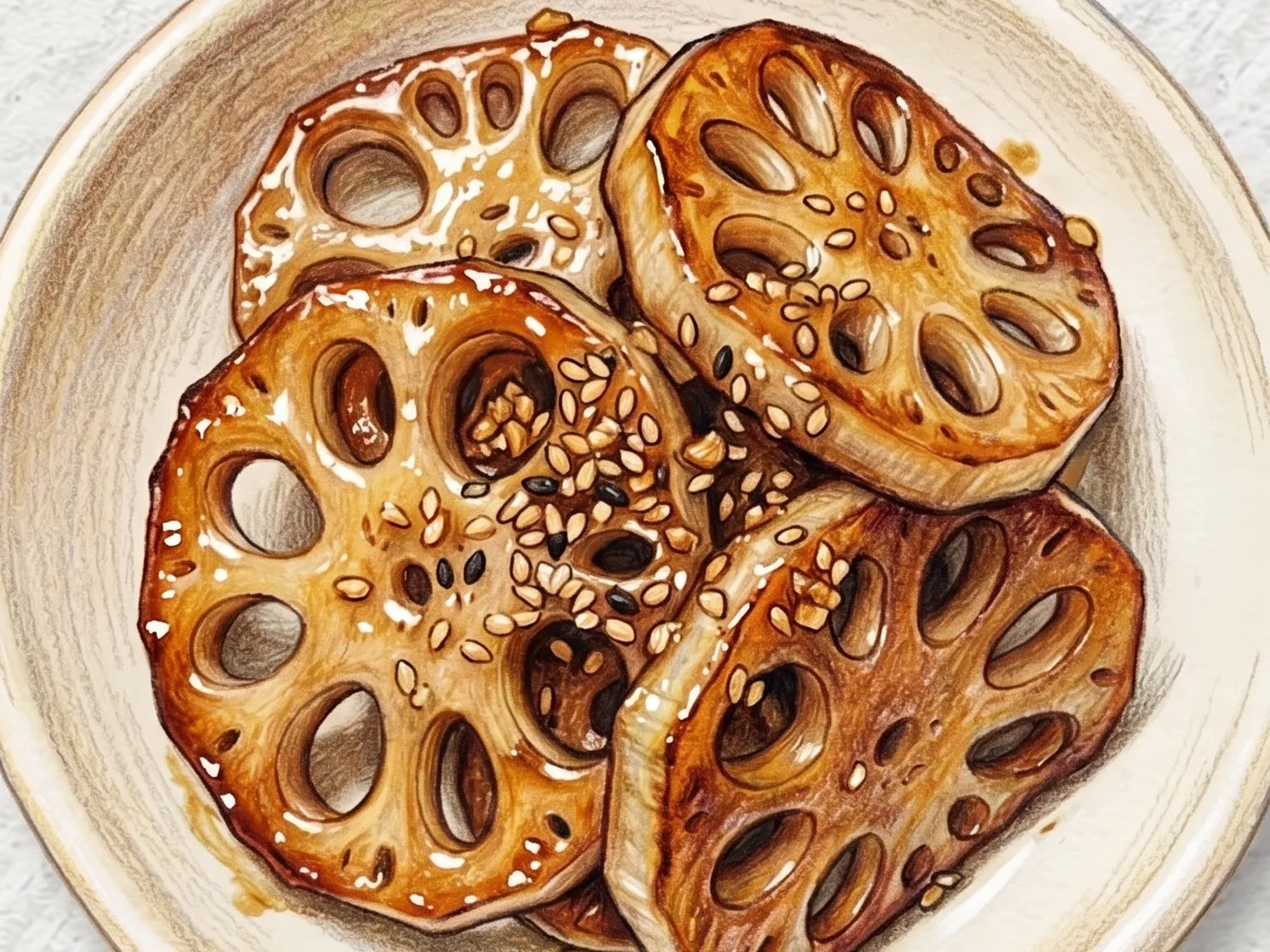
Lotus root rounds are simmered in soy sauce, sugar, and corn syrup until each slice glistens with a translucent, caramel-colored glaze. Cooking activates the starch in the lotus root, turning the exterior smooth and the interior pleasantly sticky, a texture unique to this root vegetable. As the soy sauce permeates the flesh, the ivory color deepens into a clear amber that signals the seasoning has reached the center. A splash of vinegar at the start prevents discoloration and introduces a faint tartness that prevents the sweetness from becoming cloying. The corn syrup reduces over low heat for fifteen to twenty minutes, forming a glass-like coating that catches the light on every surface. Because the liquid seeps through the root's hollow channels, every bite delivers consistent flavor regardless of angle. The finished jorim retains its crunch at the core while the outer layer yields with a gentle chew, and refrigerated in a sealed container the dish stays good for well over a week.

🏠 Everyday🍱 Lunchbox
Prep 10minCook 20min4 servings
Lotus Root Persimmon Salad
SaladsEasy

Lotus Root Persimmon Salad

Blanched lotus root delivers a clean crunch that pairs with sweet persimmon slices to capture autumn's character in a single plate. The dressing keeps to olive oil, honey, and lemon juice, letting the produce speak without distraction. Crumbled feta introduces a salty, tangy dairy note that sharpens the fruit's sweetness. Walnuts, toasted briefly in a dry pan, add earthy fat and a crisp contrast to the softer persimmon. Baby greens form the base layer for color, and splitting the dressing between two additions - tossing two-thirds with the salad, drizzling the rest on top - ensures seasoning reaches every component.

🥗 Light & Healthy🎉 Special Occasion
Prep 20minCook 8min2 servings
More Side dishes →