Charim

2686 Korean & World Recipes

2686+ Korean recipes, clean and organized. Ingredients to instructions, all at a glance.

Korean Lotus Root & Peanut Braise
Steamed Medium

Korean Lotus Root & Peanut Braise

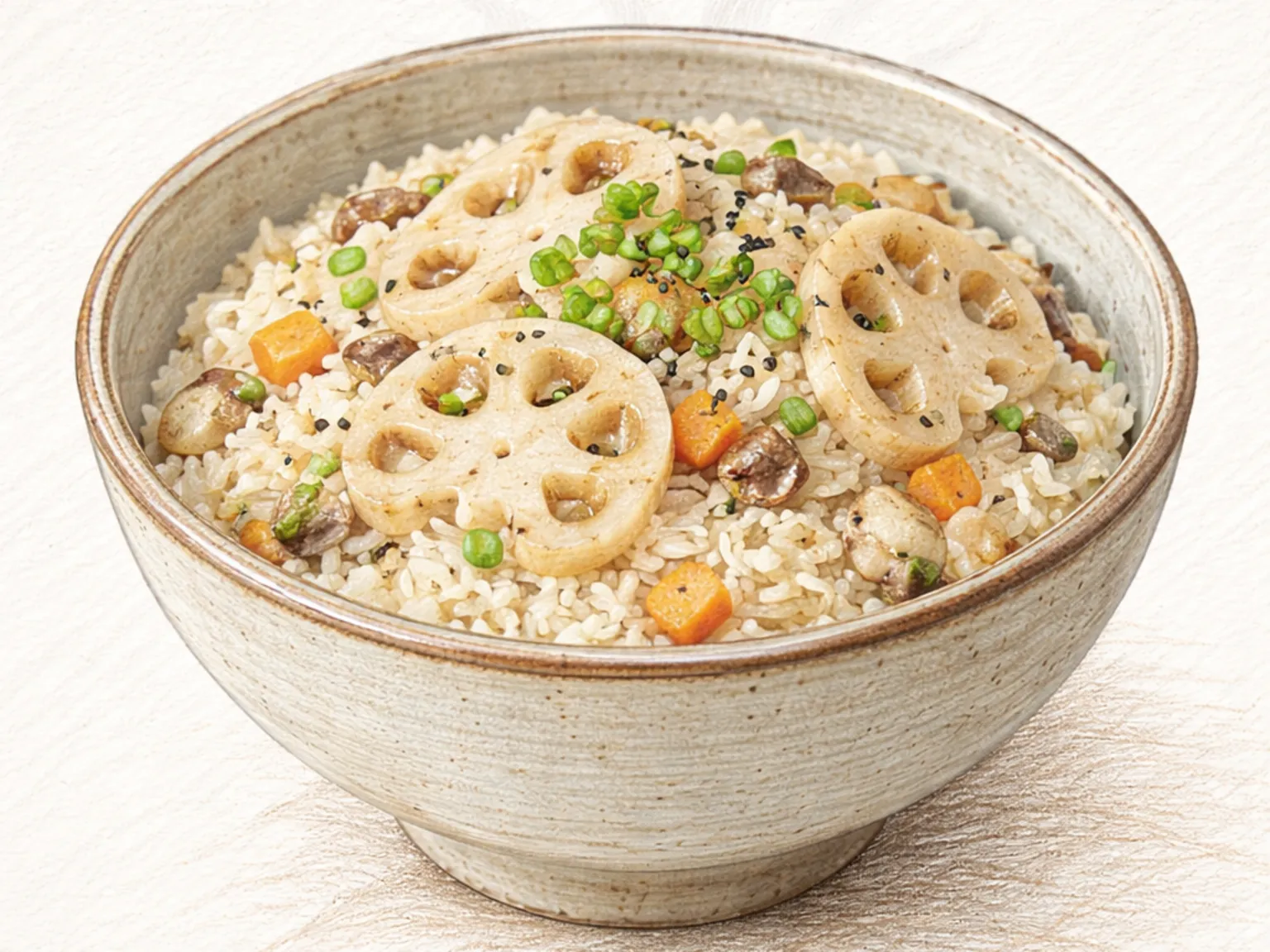
Yeongeun ttangkong jorim is a Korean soy-braised side dish of lotus root and roasted peanuts glazed in soy sauce, oligosaccharide syrup, and cooking wine. The crunchy lotus root contrasts with the toasted, nutty peanuts, and the combination releases layers of savory, roasted flavor as you chew. Soy sauce provides the salty foundation while the syrup rounds it out with a soft sweetness and glossy finish. This banchan keeps well refrigerated for several days, making it a reliable addition to lunchboxes and everyday meals.

Prep 20min Cook 30min 4 servings

Adjust Servings

2servings
servings

Instructions

  1. 1

    Slice lotus root to 0.7 cm and soak in vinegar water for 10 minutes.

  2. 2

    Blanch peanuts in boiling water for 3 minutes and drain.

  3. 3

    Combine lotus root, peanuts, water, soy sauce, and sugar; bring to a boil.

  4. 4

    Lower to medium-low and braise for 18 minutes until tender.

  5. 5

    Add rice syrup and salt, then reduce 5 more minutes until glossy.

  6. 6

    Turn off heat, mix in sesame oil, and cool before serving.

🛒Shop Ingredients on Amazon

As an Amazon Associate, we may earn from qualifying purchases.

Tips

Lotus root should be 0.6-0.8 cm thick to avoid breaking.
Add rice syrup near the end to prevent burning and keep shine.

Nutrition (per serving)

Calories
228
kcal
Protein
6
g
Carbs
34
g
Fat
9
g

More Recipes

Korean Yeongeun Ganjang Jorim (Soy-Braised Lotus Root)
SteamedEasy

Korean Yeongeun Ganjang Jorim (Soy-Braised Lotus Root)

Yeongeun ganjang jorim is a Korean soy-braised lotus root side dish simmered in soy sauce, oligosaccharide syrup, vinegar, and cooking wine. The starchy surface of the lotus root develops a glossy glaze from the reduced sauce while the interior stays distinctly crunchy. Vinegar brightens the soy's salinity, and the syrup contributes a gentle sweetness and visible sheen. This banchan improves overnight in the refrigerator as the seasoning continues to penetrate, making it one of the most practical make-ahead side dishes in Korean home cooking.

🏠 Everyday🎉 Special Occasion
Prep 15minCook 25min4 servings
Korean Soy-Braised Deodeok Root
SteamedMedium

Korean Soy-Braised Deodeok Root

Deodeok-jorim is mountain root braised in soy sauce, rice syrup, garlic, and sesame oil. The root's distinctive bitter-herbal aroma softens as the sweet-salty glaze coats it during simmering, while the interior stays dense and slightly chewy. A single green chili adds a quiet heat at the finish, and sesame seeds scattered on top bring a toasted nuttiness. It is a banchan that preserves the wild, earthy character of foraged deodeok and pairs naturally with other vegetable side dishes on a Korean table.

🏠 Everyday🍱 Lunchbox
Prep 20minCook 18min2 servings
Korean Braised Lotus Root with Pork
SteamedMedium

Korean Braised Lotus Root with Pork

Yeongeun dwaejigogi jorim is a Korean braise of lotus root and pork shoulder in a gochujang and soy sauce seasoning. The lotus root absorbs the spiced braising liquid while maintaining its signature crisp bite, and the pork shoulder softens as its fat renders into the sauce, building depth. Gochujang provides a steady warmth while soy sauce anchors the umami, and oligosaccharide syrup glazes everything in a glossy coat. The textures hold up well even after cooling, making this a practical banchan for lunchboxes and meal prep.

🏠 Everyday🎉 Special Occasion
Prep 20minCook 35min4 servings
Korean Lotus Root Kimchi (Crunchy Spiced Root Kimchi)
KimchiMedium

Korean Lotus Root Kimchi (Crunchy Spiced Root Kimchi)

Yeongeun kimchi is a lotus root kimchi made by blanching sliced root in vinegar water to lock in crunch, then seasoning with chili flakes, minced garlic, anchovy fish sauce, and pear juice. The pear juice adds natural sweetness and moisture, helping the paste coat each slice evenly without drying out. The root's dense, crisp bite survives fermentation intact, releasing alternating waves of heat and umami with each chew. Scallion pieces mixed in lighten the intensity of the seasoning with their fresh, grassy note. One day of refrigeration brings the texture to its crunchiest point.

🥗 Light & Healthy🍱 Lunchbox
Prep 35minCook 2min4 servings
Korean Steamed Lotus Root
SteamedEasy

Korean Steamed Lotus Root

Yeongeun-jjim is Korean steamed lotus root where thick-cut slices are braised gently in a soy sauce, sugar, and cooking wine seasoning under a covered lid. The thick cross-sections absorb the sauce slowly, developing a sweet-salty coating on the outside while maintaining a crisp-chewy dual texture inside. Sesame oil added at the end lifts a toasted fragrance, and scattered sesame seeds provide visual contrast. With only a handful of ingredients, this side dish showcases the lotus root's natural starchy character in a clean, understated preparation.

🍱 Lunchbox
Prep 15minCook 22min2 servings
Korean Lotus Root Pancakes
Side dishesMedium

Korean Lotus Root Pancakes

Lotus root is sliced into rounds and coated in a light batter of buchim flour and egg before being pan-fried until golden on both sides. The root's characteristic perforations show through the thin batter, creating a lace-like appearance on each piece that makes this jeon visually distinctive. Biting through the crisp exterior reveals the lotus root's dual texture: an initial crunch from the starchy flesh followed by a slightly sticky chew that clings pleasantly to the teeth. Slicing to a thickness of five to six millimeters strikes the right balance between maintaining the crunch and ensuring the center cooks through. The egg-enriched batter adheres evenly to the root's smooth surface and sets immediately upon contact with hot oil, sealing in moisture. Minimal salt in the batter allows the lotus root's faint natural sweetness to emerge, and a dipping sauce of soy sauce and vinegar provides the acidity needed to cut through the fried exterior's richness. Commonly served during Korean holidays, this jeon is simple enough for everyday cooking as well.

🏠 Everyday🍱 Lunchbox
Prep 15minCook 12min4 servings
More Steamed →