Korean Lotus Root Yuzu Salad
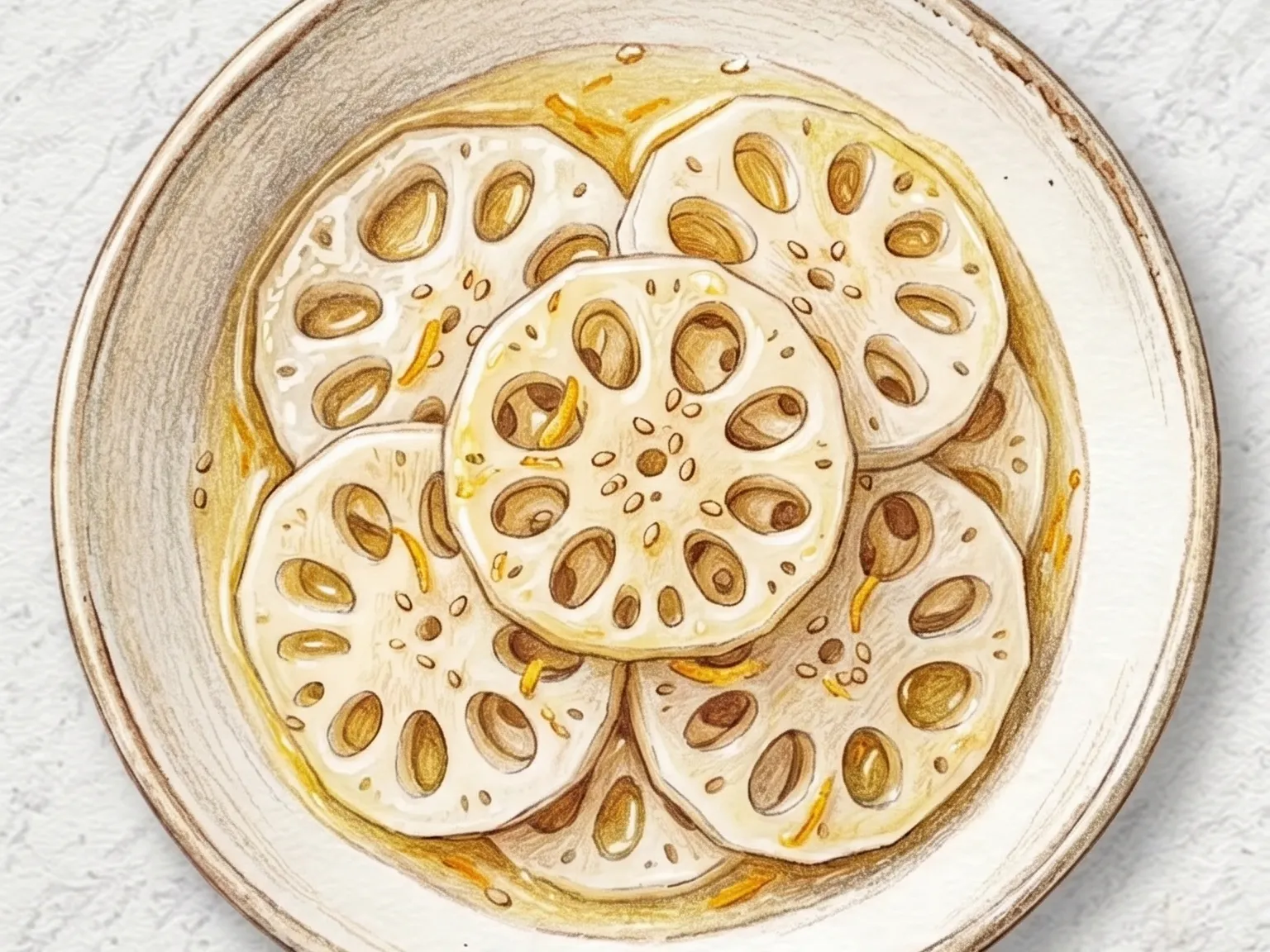
Blanched lotus root slices are dressed in a bright mixture of yuzu marmalade, rice vinegar, sesame oil, and a pinch of sugar. The citrusy yuzu lifts the otherwise neutral lotus root with floral tartness, while the 3 mm thick rounds keep a satisfying crunch even after boiling. Sesame seeds and oil round out the finish with a warm, nutty note. This banchan works especially well alongside richer main dishes, cutting through heaviness with its clean acidity.
Adjust Servings
Instructions
- 1
Peel lotus root and slice to 3 mm thickness.
- 2
Blanch for 3 minutes in boiling water with a little vinegar.
- 3
Rinse in cold water, drain, and cool completely.
- 4
Mix yuzu marmalade, vinegar, salt, sugar, and sesame oil.
- 5
Toss lotus root with dressing and sesame seeds.
As an Amazon Associate, we may earn from qualifying purchases.
Tips
Nutrition (per serving)
More Recipes

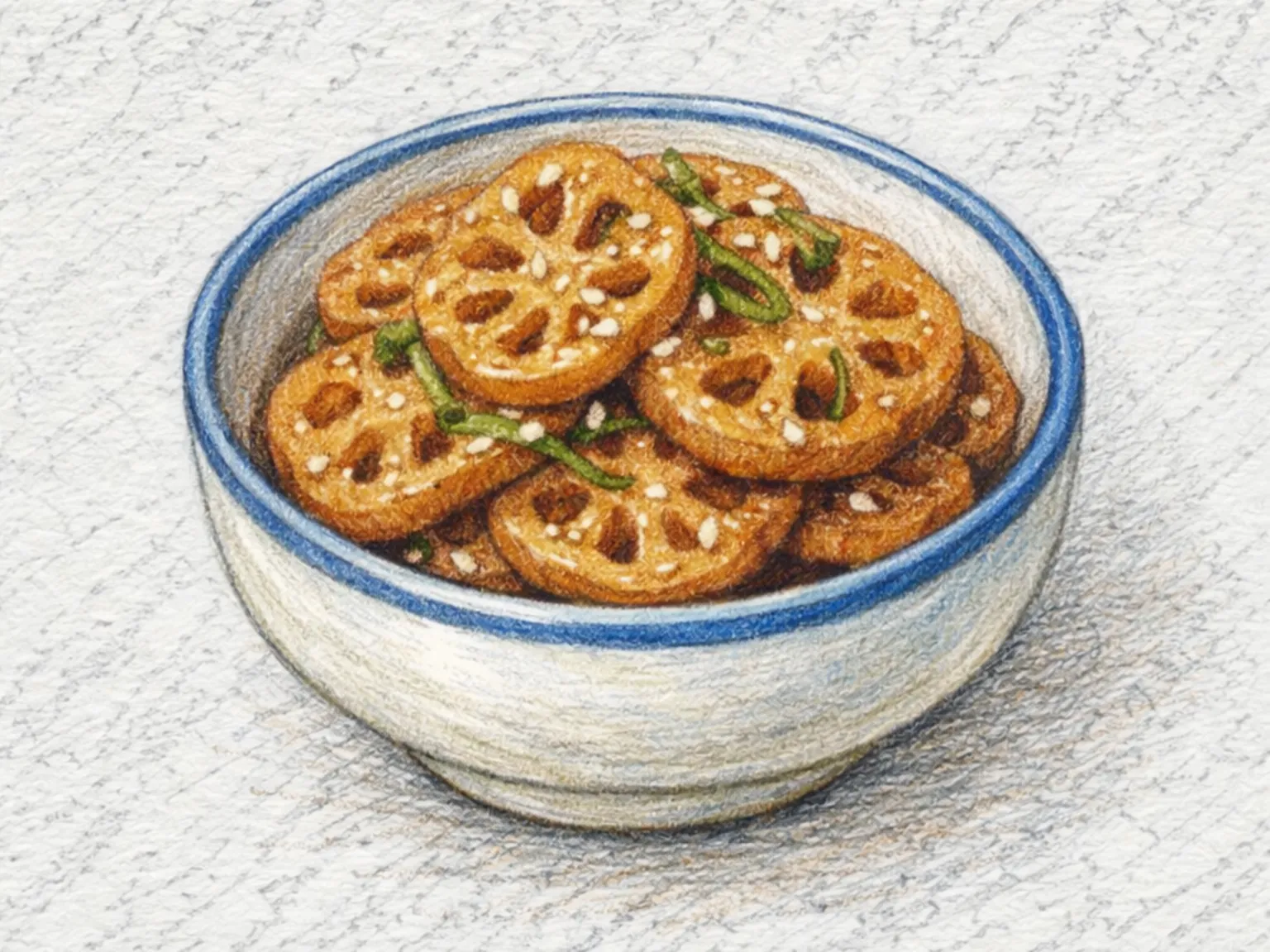
Korean Lotus Root Pancakes
Lotus root is sliced into rounds and coated in a light batter of buchim flour and egg before being pan-fried until golden on both sides. The root's characteristic perforations show through the thin batter, creating a lace-like appearance on each piece that makes this jeon visually distinctive. Biting through the crisp exterior reveals the lotus root's dual texture: an initial crunch from the starchy flesh followed by a slightly sticky chew that clings pleasantly to the teeth. Slicing to a thickness of five to six millimeters strikes the right balance between maintaining the crunch and ensuring the center cooks through. The egg-enriched batter adheres evenly to the root's smooth surface and sets immediately upon contact with hot oil, sealing in moisture. Minimal salt in the batter allows the lotus root's faint natural sweetness to emerge, and a dipping sauce of soy sauce and vinegar provides the acidity needed to cut through the fried exterior's richness. Commonly served during Korean holidays, this jeon is simple enough for everyday cooking as well.

Korean Lotus Root Kimchi (Crunchy Spiced Root Kimchi)
Yeongeun kimchi is a lotus root kimchi made by blanching sliced root in vinegar water to lock in crunch, then seasoning with chili flakes, minced garlic, anchovy fish sauce, and pear juice. The pear juice adds natural sweetness and moisture, helping the paste coat each slice evenly without drying out. The root's dense, crisp bite survives fermentation intact, releasing alternating waves of heat and umami with each chew. Scallion pieces mixed in lighten the intensity of the seasoning with their fresh, grassy note. One day of refrigeration brings the texture to its crunchiest point.

Korean Tofu Yuja Salad (Pan-Fried Tofu Citrus Dressing)
Dubu yuja muchim brings an uncommon citrus dimension to Korean tofu banchan by using yuja-cheong - a preserve of yuzu-like Korean citrus rind in honey or sugar. Soft tofu is blanched briefly to warm through and firm up slightly, then cut into bite-sized pieces and dressed while still warm so the pores open to absorb the vinaigrette. The dressing blends yuja-cheong with soy sauce, vinegar, and sesame oil - the citrus peel's fragrant bitterness cutting through the tofu's blandness in a way that soy sauce alone cannot. The dish sits in a category between Korean and Western salad sensibilities, light enough to serve as a starter. Yuja has been cultivated on Korea's southern coast - especially Goheung and Namhae - since the Joseon era. Best eaten cold or at room temperature within a few hours of assembly.

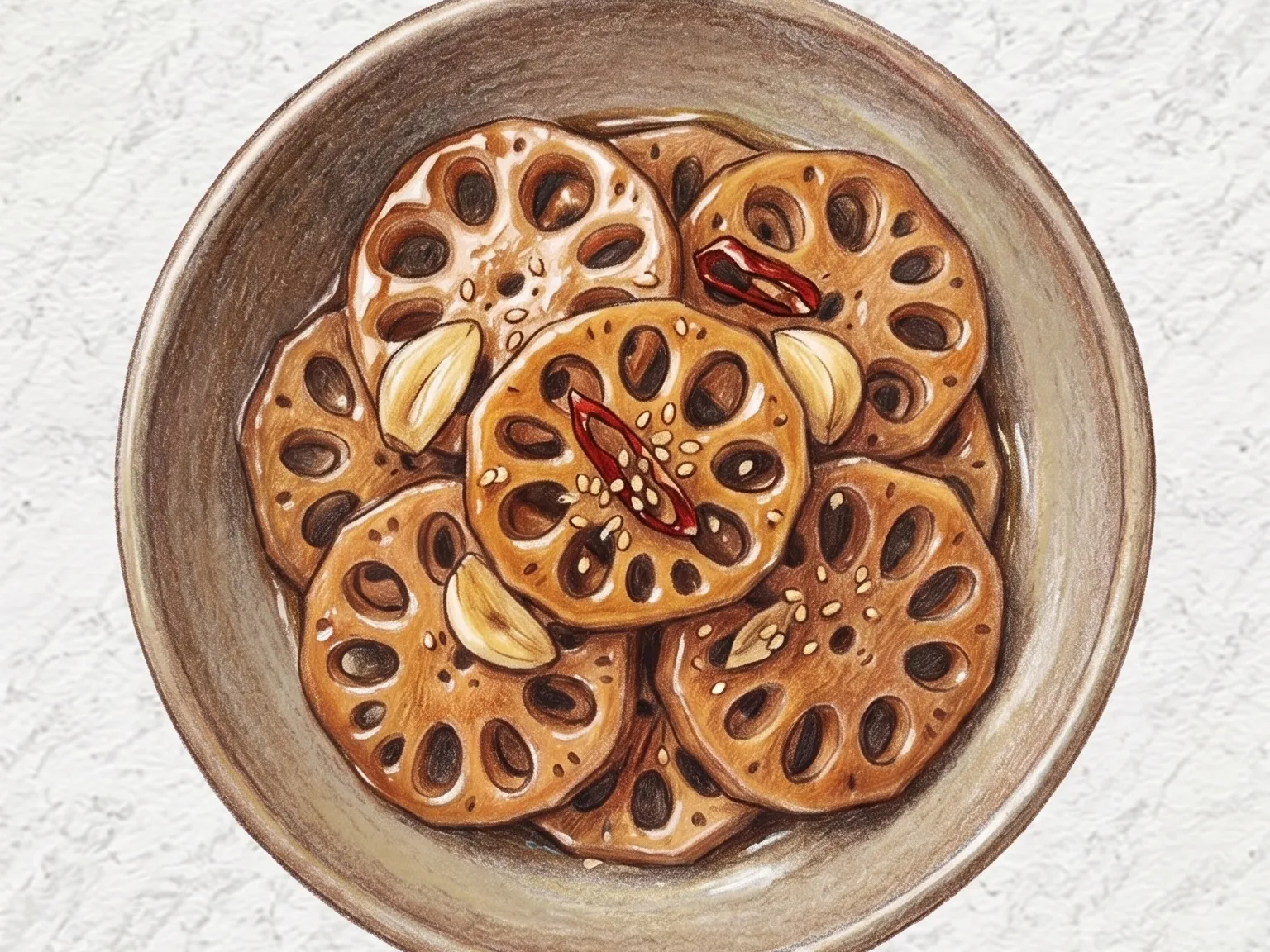
Korean Lotus Root & Peanut Braise
Yeongeun ttangkong jorim is a Korean soy-braised side dish of lotus root and roasted peanuts glazed in soy sauce, oligosaccharide syrup, and cooking wine. The crunchy lotus root contrasts with the toasted, nutty peanuts, and the combination releases layers of savory, roasted flavor as you chew. Soy sauce provides the salty foundation while the syrup rounds it out with a soft sweetness and glossy finish. This banchan keeps well refrigerated for several days, making it a reliable addition to lunchboxes and everyday meals.

Korean Cucumber Doenjang Salad
Oi-doenjang-muchim dresses cucumber in a doenjang-based seasoning - a milder alternative to the gochugaru-forward oi-muchim, foregrounding the fermented soybean paste's savory depth over spicy heat. Cucumber is sliced into half-moons or diagonal cuts and salted for five minutes to draw out moisture; skipping this step dilutes the dressing into a watery puddle. The seasoning blends doenjang, soup soy sauce, minced garlic, sesame oil, and sesame seeds, with the doenjang quantity being the critical ratio - too much and the dish is aggressively salty, too little and the cucumber's blandness dominates. Roughly one tablespoon of doenjang to two cucumbers is the working proportion. The cucumber's cool moisture meets doenjang's deep umami to produce a combination that is refreshing yet substantial enough to anchor a rice meal, especially in summer. This banchan must be eaten promptly after assembly - over time, osmotic pressure draws water from the cucumber and collapses its crunch. Served alongside grilled meat, the doenjang's savoriness complements the char while cleansing the palate.

Korean Lotus Root Salad (Sweet and Sour Vinegar Soy Dressing)
Thinly sliced lotus root is blanched in vinegar water to keep its bright white color, then tossed in a sweet-and-sour dressing of soy sauce, vinegar, and sugar. The honeycomb cross-section of each slice traps seasoning in its holes, distributing flavor evenly with every bite. A finishing sprinkle of sesame seeds adds a toasted aroma that complements the crisp, snappy texture. Because the dish stays dry rather than releasing liquid, it holds up well in packed lunches without turning soggy.