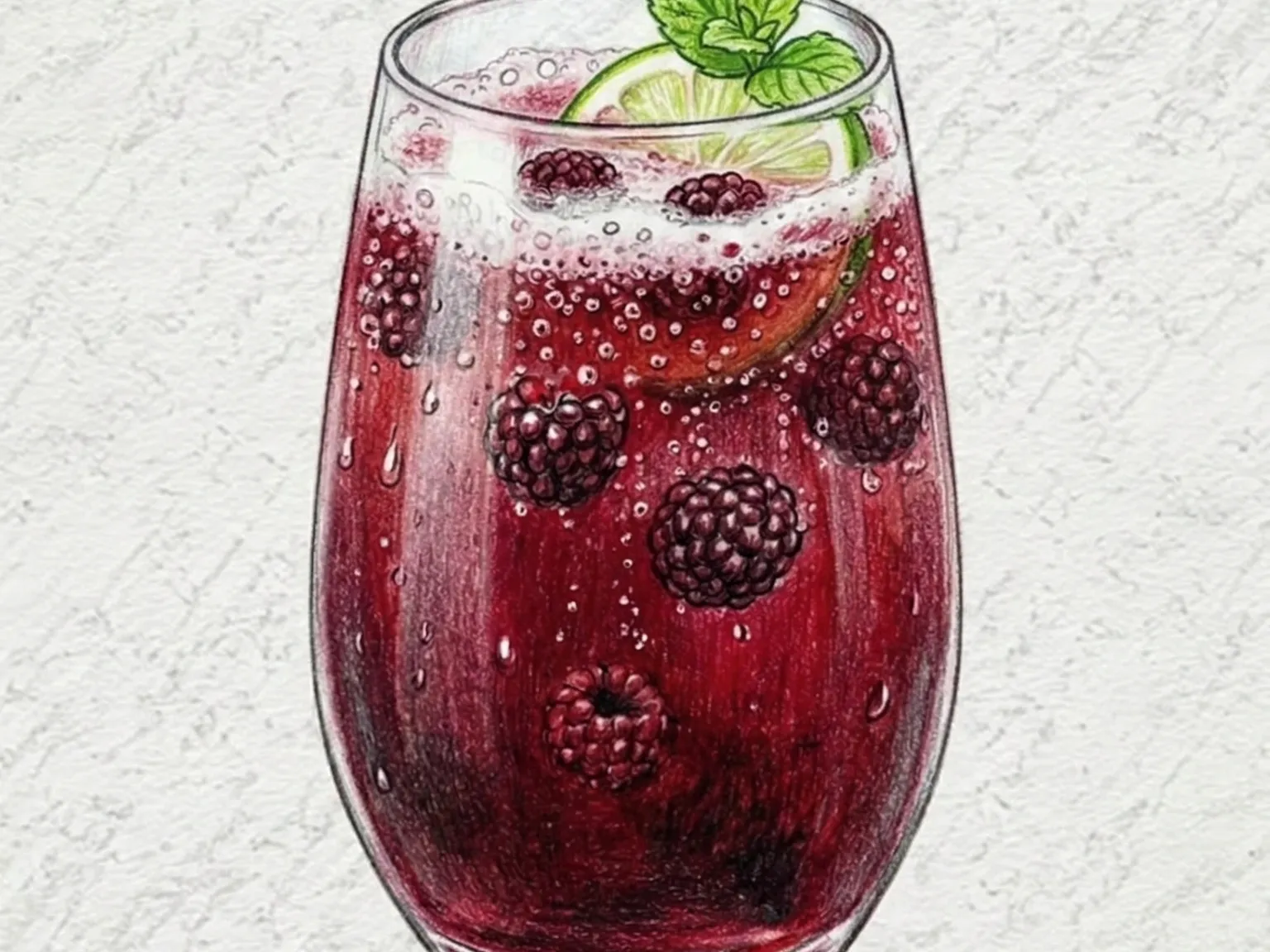
Korean Yuja Pear Sparkling Drink
Quick answer
Yuja-bae sparkling is a Korean non-alcoholic drink that pairs the bright, bittersweet citrus character of yuja marmalade with the gentle, round fruit sweetness of Korean...
What makes this special
- Bittersweet yuja marmalade meets gentle pear juice in this refreshing citrus soda called Yuja-bae-sparkling.
- Yuja marmalade's bitter citrus note is softened by pear juice's gentle sweetness
- Sparkling water poured last preserves bubbles that complete the refreshing effect
Key ingredients
Core cooking flow
- 1 Chill two serving glasses in the freezer for about 10 minutes or in an ice bath.
- 2 In a bowl, add 4 tablespoons yuja marmalade and 220 ml Korean pear juice first.
- 3 Add 1 tablespoon lemon juice and 1 tablespoon honey, then stir for about 30 seconds more.
Yuja-bae sparkling is a Korean non-alcoholic drink that pairs the bright, bittersweet citrus character of yuja marmalade with the gentle, round fruit sweetness of Korean pear juice, finished with sparkling water for a refreshing effervescence. The base is assembled by thoroughly mixing yuja marmalade, pear juice, lemon juice, and honey until the marmalade dissolves completely, then divided into ice-filled glasses. Sparkling water is poured on last, slowly and down the side of the glass to keep as much carbonation intact as possible. Lemon juice lifts the floral fragrance of the yuja and makes the citrus notes more vivid, while pear juice neutralizes excess tartness and leaves a clean, smooth finish on the palate. Pouring the sparkling water before adding the other ingredients collapses the bubbles immediately, so the order matters. A sprig of rosemary tucked into the glass releases a herbal aroma that drifts upward with the carbonation and pairs naturally with the citrus base, adding visual appeal at the same time. The sweetness can be adjusted by varying the amount of honey depending on how concentrated the yuja marmalade is.
Instructions
Read the steps as a cooking flow: prep, heat, seasoning, doneness control, and finish.
- 1Step
Chill two serving glasses in the freezer for about 10 minutes or in an ice bath.
Shake off any meltwater from 180 g of ice, then divide it between the glasses until each is about 70 percent full.
- 2Step
In a bowl, add 4 tablespoons yuja marmalade and 220 ml Korean pear juice first.
Press larger pieces of citrus pulp with a spoon and stir until the syrup loosens evenly through the pear juice.
- 3Step
Add 1 tablespoon lemon juice and 1 tablespoon honey, then stir for about 30 seconds more.
If the yuja marmalade is already sweet, hold back a little honey and adjust after tasting the base.
- 4Finish
Divide the finished base evenly between the two ice-filled glasses.
Use a long spoon to lift from the bottom two or three times, just enough to keep the yuja pulp from settling.
- 5Step
Slowly pour 360 ml cold sparkling water down the inside wall of the glasses, dividing it evenly.
If foam rises quickly, pause briefly, then turn the spoon once to settle any visible layers.
- 6Finish
Lightly tap the rosemary sprig between your palms to release its aroma, then place it in a glass.
Serve immediately while the ice is still firm and the bubbles are still active.
After the steps
Pick a recipe that fits this dish.
Continue with shared ingredients, meal pairings, or a similar method.
Recipes That Go Well With This
More Drinks →Based on shared ingredients and meal pairing
Korean Kiwi Mint Ade
Kiwi mint ade is a sparkling fruit drink built from a base of muddled fresh kiwi, sugar, and lemon juice, finished with well-chilled sparkling water poured in just before serving. The bright, almost tart acidity of ripe kiwi plays against the cool green note of lightly bruised mint leaves, producing a layered freshness that wakes the palate from the first sip. Floating thin rounds of sliced kiwi on top adds a visual element and gives the drink bursts of fruit texture between sips of carbonated liquid. Mint should be pressed gently rather than crushed hard, since breaking the leaves too aggressively extracts bitter compounds that muddy the clean kiwi flavor. Serving over plenty of ice keeps the carbonation lively and the overall impression as crisp as possible.
Korean Cactus Fruit Ade (Prickly Pear Citrus Sparkling Drink)
Baeknyeoncho ade is a chilled Korean fruit beverage prepared by combining a syrup made from the fruit of the prickly pear cactus with fresh lemon juice and grapefruit juice, eventually topped with carbonated water. The cactus fruit syrup is characterized by its intense magenta color and a flavor profile that resembles berries, though it also contains an earthy sweetness and a particular thickness that is unique to this specific fruit. The sharp acidity of the lemon and the characteristic bitter notes of the grapefruit juice work together to neutralize the sweetness of the syrup, ensuring the finished drink is fruity and balanced rather than syrupy or cloying. A small amount of salt is added to the mixture to function as a flavor enhancer rather than a seasoning, which makes the various fruit acids more prominent to the taste buds. During preparation, the sparkling water is added last and stirred only slightly after the syrup and ice have already been combined in the glass to preserve as much carbonation as possible. A single sprig of apple mint is placed on the surface to provide a subtle herbal aroma that the drinker notices with every sip, which helps to increase the cooling effect of the beverage. This prickly pear cactus grows in wild conditions on Jeju Island and across the southern coastal areas of Korea, where both the round fruits and the flat, paddle-shaped stems are harvested for culinary use. The fruit is notably rich in betacyanin pigment, a natural substance that retains its vivid coloration even when subjected to heat, making it a valuable source for natural food coloring. When presented in a clear glass vessel, the saturated magenta liquid creates a visual appearance that is as striking as the refreshing nature of the drink itself.
Gotgam Cream Cheese Roll (Dried Persimmon Rolls)
Gotgam cream cheese roll is a no-cook Korean dessert that requires nothing more than a knife, a bowl, and a refrigerator. Dried persimmons are slit open and flattened into thin sheets, each one acting as the outer wrapper. The filling is cream cheese mixed with honey and fresh lemon juice to balance its natural richness with acidity, and finely chopped walnuts are folded in throughout to add a crunchy, nutty element to every bite. The filling is spread across the opened persimmon, which is then rolled tightly and wrapped in plastic wrap. Twenty minutes in the refrigerator firms the roll enough to slice cleanly. Dipping the knife in warm water and wiping it dry before each cut produces the smoothest cross-sections. The finished slices reveal clearly defined layers: the chewy, caramel-sweet dried persimmon on the outside, the tangy cream cheese in the middle, and flecks of walnut distributed throughout. The combination makes it a natural pairing with wine or a polished addition to a traditional holiday table.
Korean Green Tangerine Ade
Unripe green tangerines harvested in Jeju island contain higher acidity and a more pungent fragrance than fully matured citrus. Making the base syrup involves layering thin slices of the whole fruit with an equal amount of sugar and letting them macerate for at least twenty four hours. This process allows the essential oils from the skin to dissolve into the liquid, creating a complex aromatic profile. Adding a small amount of lemon juice and a pinch of salt to the syrup helps soften the sharp tartness of the green tangerines. When finishing the drink, pouring sparkling water slowly helps maintain the carbonation level. Placing lightly pressed mint leaves on top adds a cooling element to the acidic base. The prepared syrup stays fresh in the refrigerator for two to three weeks and works well as a hot tea when mixed with warm water. For a frozen alternative on hot days, the mixture can be frozen and scraped into a granita. Sweetness levels remain flexible as the amount of sugar can be adjusted depending on the tartness of the specific batch of fruit.
Serve with this
Korean Spicy Octopus Skewers
Blanched octopus is cut into bite-sized pieces, threaded onto skewers, and grilled on a pan or open flame while being basted repeatedly with a spicy sauce of gochujang, soy sauce, sugar, minced garlic, and sesame oil. Octopus toughens dramatically with prolonged heat, so high-temperature, quick grilling is essential. Adding a slice of ginger to the blanching water removes any fishiness before the octopus hits the grill. The layered sauce builds up with each basting: gochujang contributes heat, sugar balances it with sweetness, soy sauce deepens the umami, and sesame oil finishes with a nutty fragrance. Keeping the heat at medium-high and turning the skewers frequently prevents the sugar in the glaze from burning while still achieving light char marks. The result has a caramelized, sticky crust over a chewy, springy center. Equally at home as street food or as bar snacks alongside cold beer or soju, these skewers are a reliable crowd-pleaser.
Shredded Chili Pickle
Shredded chili pickle is a spicy and sour side dish that pairs exceptionally well with grilled meat dishes. This recipe combines hot Cheongyang chilies and mild, crunchy cucumber peppers to balance the heat level and texture. The chilies are washed, dried, and cleaned of their seeds to eliminate any bitter taste. Slicing them into thin strips of two to three millimeters ensures that the brine penetrates quickly and evenly. The pickle liquid is made by boiling equal parts of soy sauce, vinegar, sugar, and water. Once boiled, the brine is cooled for ten to fifteen minutes to release the steam before being poured over the shredded chilies in an airtight container. The mixture is left at room temperature for four to six hours to cool, then sealed and kept in the refrigerator to be served from the next day.
Dasik (Korean Honey-Pressed Roasted Grain Confection)
Dasik is a traditional Korean pressed confection made by kneading roasted grain or nut powders with honey and pressing the mixture into carved wooden molds. Unlike baked goods, dasik holds its shape entirely through the binding power of honey, with no heat applied during preparation. This technique produces a texture that is slightly resistant at first contact, then dissolves gently at body temperature in a way that releases the full aroma of the main ingredient. Roasted soybean powder yields a nutty version, black sesame produces a deeply aromatic one, and additions of pine nut powder or cinnamon develop the flavor in different directions. The wooden molds carve decorative patterns into the surface of each piece, giving dasik a visual refinement that matches its restrained sweetness. For centuries, dasik has been a standard offering at Korean tea gatherings, and its subtle flavor remains a natural match for the gentle bitterness of green tea.
Similar recipes
Korean Sparkling Green Plum Ade
Maesil sparkling ade is a Korean beverage that pairs green plum syrup with fresh lemon juice and sparkling water over ice. The process begins by chilling a tall glass and filling it with ice to maintain a cold temperature. Plum syrup is poured first, followed by lemon juice, creating a sweet and sour base. Then, cold sparkling water is poured slowly down the inside wall of the glass to preserve the bubbles and form a visual gradient. Instead of stirring heavily, a long spoon is used to lift the syrup from the bottom with gentle movements to avoid losing carbonation. The beverage is finished with lemon slices and mint leaves, adding a citrus aroma. Its sweetness is easily adjusted by changing the ratio of syrup to sparkling water.
Yuja Cheesecake Bars (Citron Cheesecake)
Yuja cheesecake bars are a baked dessert that begins with a pressed crust of cracker crumbs and melted butter, pre-baked for eight minutes to set a firm base before the filling goes in. The filling combines softened cream cheese, eggs, sugar, and yuja citron marmalade, poured over the crust and baked at 170 degrees Celsius until just set. Pre-baking the crust is essential for keeping the layers distinct, and room-temperature cream cheese is non-negotiable for a batter free of lumps. Seventy grams of yuja marmalade introduces the fruit's sharp, floral citrus fragrance alongside clean acidity that cuts through the dense richness of the cheese layer, preventing the aftertaste from feeling heavy or cloying. Chilling for two full hours in the refrigerator before slicing produces straight, clean edges on each bar, and the texture sits between dense and silky, dissolving slowly once it hits the palate.
Omija Berry Frangipane Tart
A crisp, buttery tart shell cradles a filling of frangipane - the classic almond cream made from ground almonds, butter, eggs, and sugar - baked until the surface sets into a thin golden crust while the interior stays moist and dense. Omija berries and mixed berries are pressed into the frangipane before baking, and as they heat they release tart juices that seep into the almond cream, creating pockets of bright acidity that cut through the richness. Omija contributes a complex sourness with faintly astringent and floral undertones that distinguish this tart from standard berry versions. The almond flavor intensifies as the tart cools, and a light dusting of powdered sugar before serving adds a clean finishing touch. Sliced thin, each piece offers the full progression: crunchy pastry, dense nutty cream, and bursts of fruit.