Yuja Cream Cheese Tart (Korean Citron Cream Cheese No-Bake Tart)
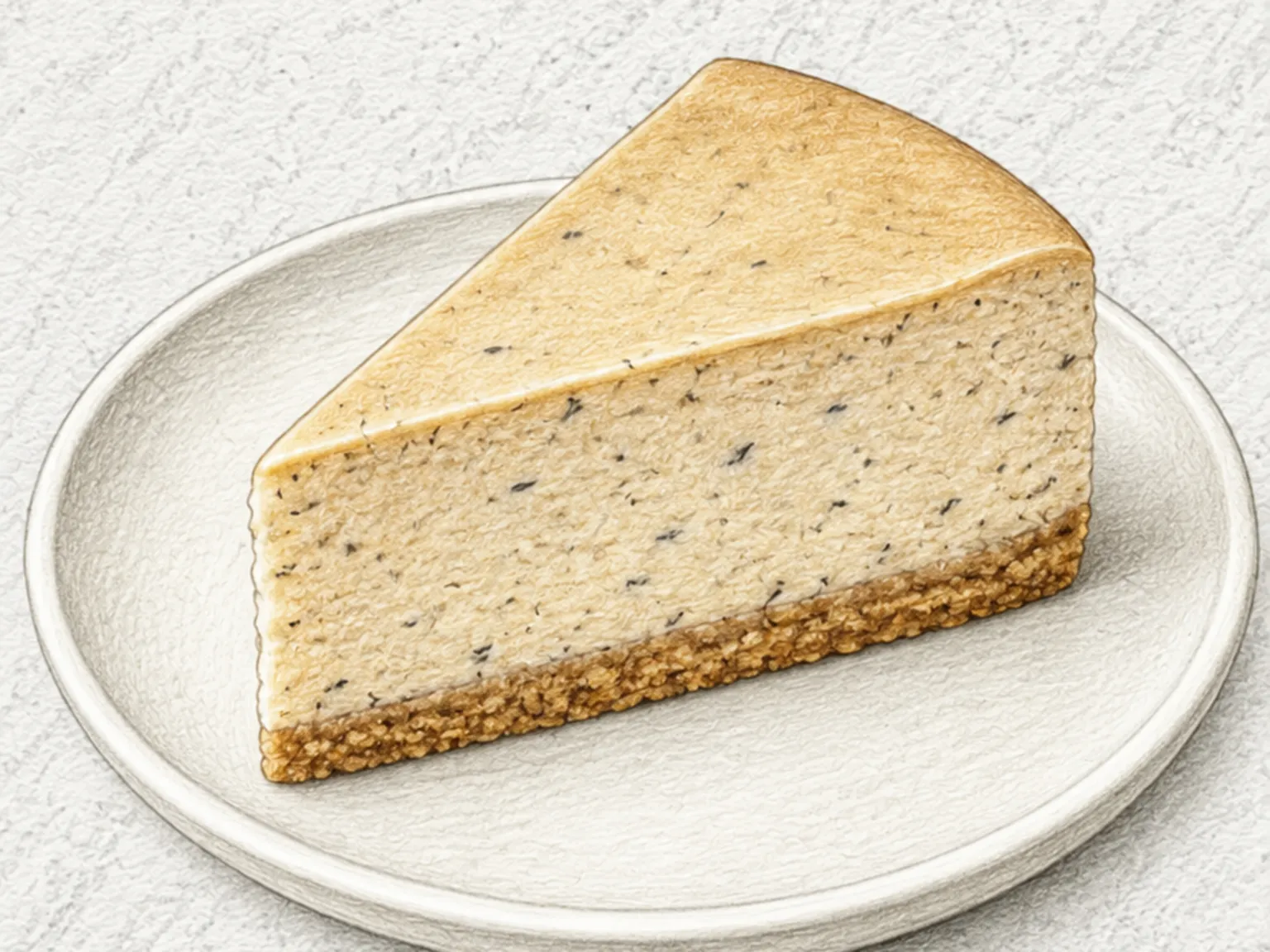
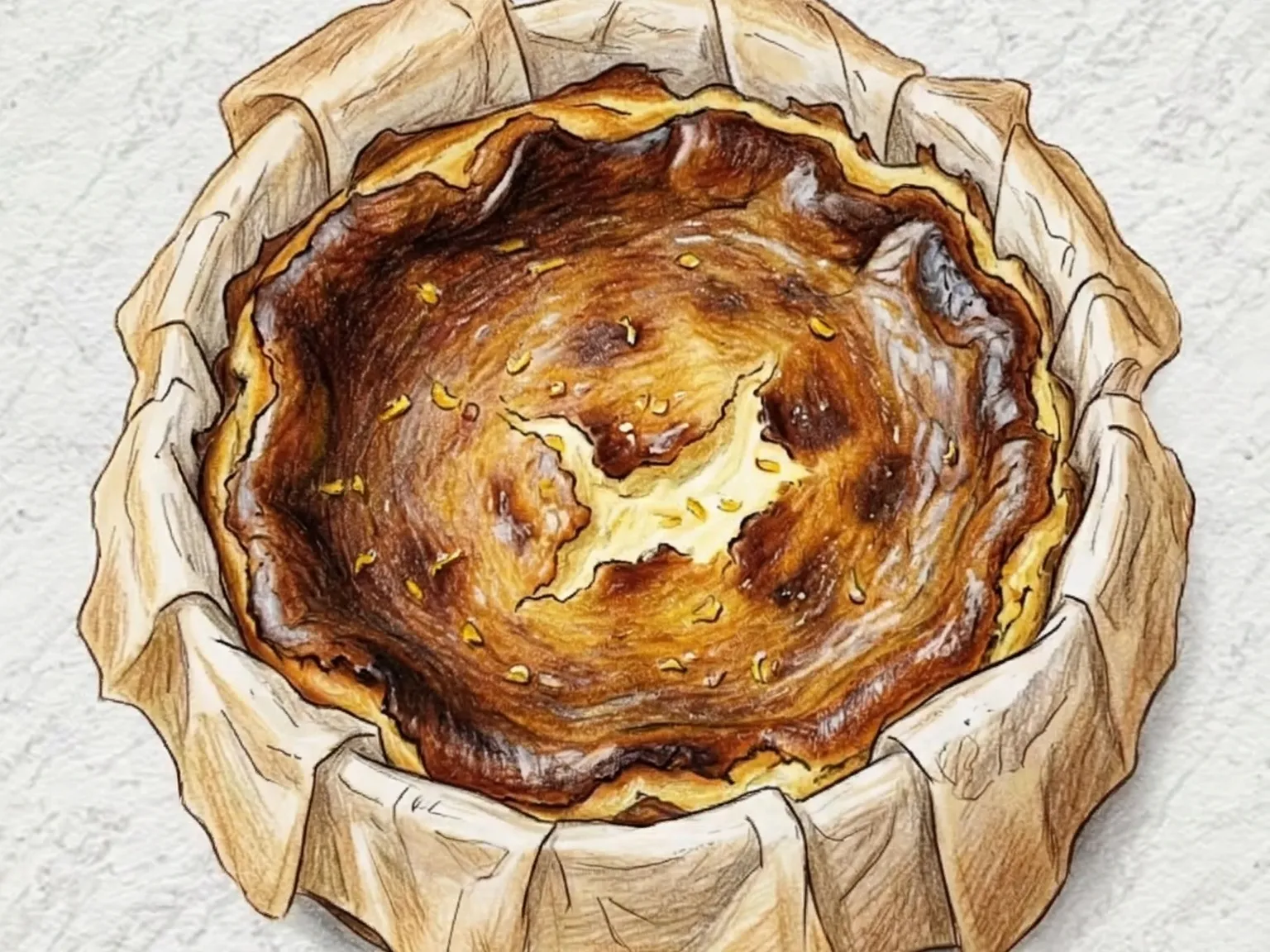
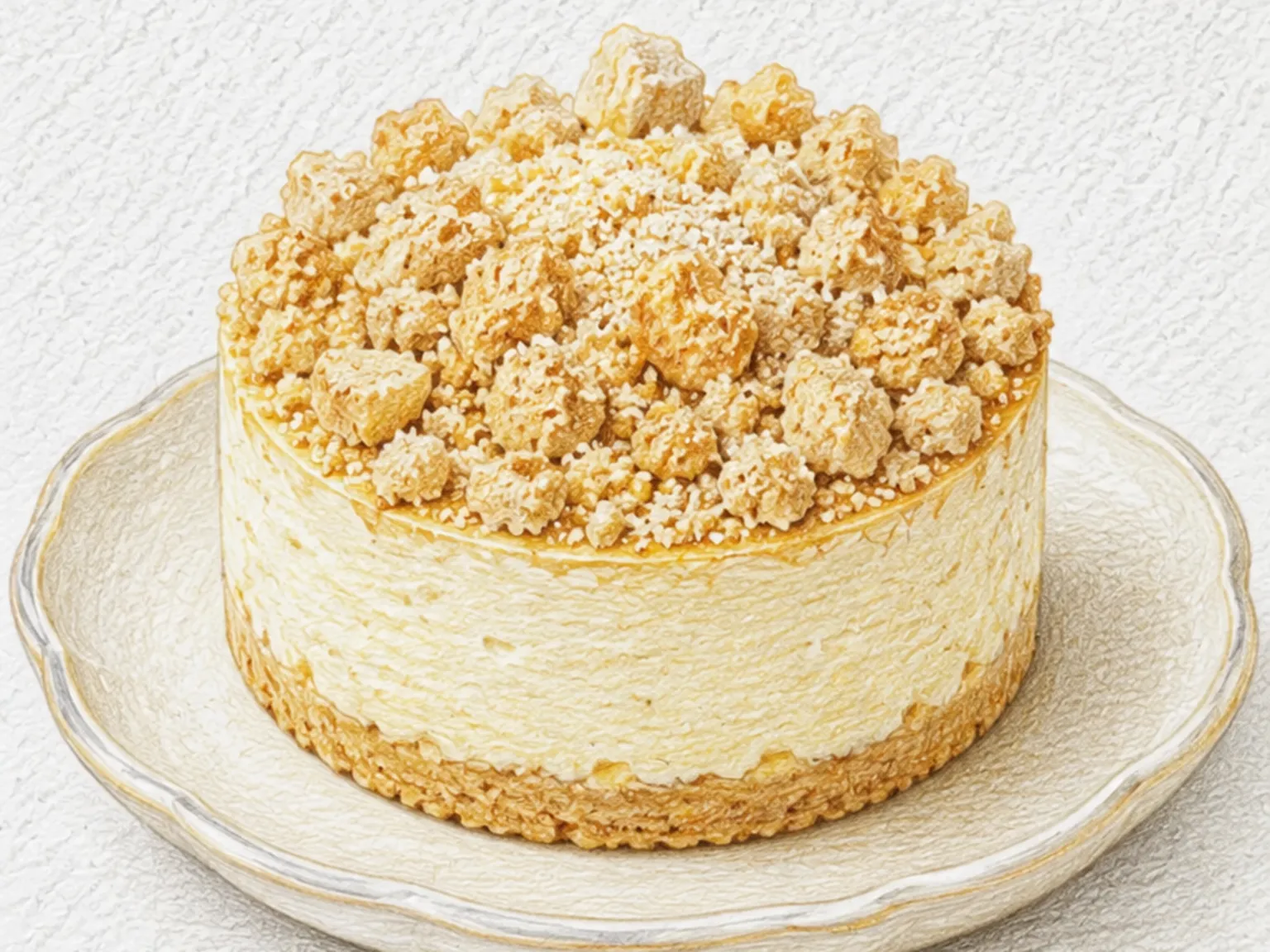
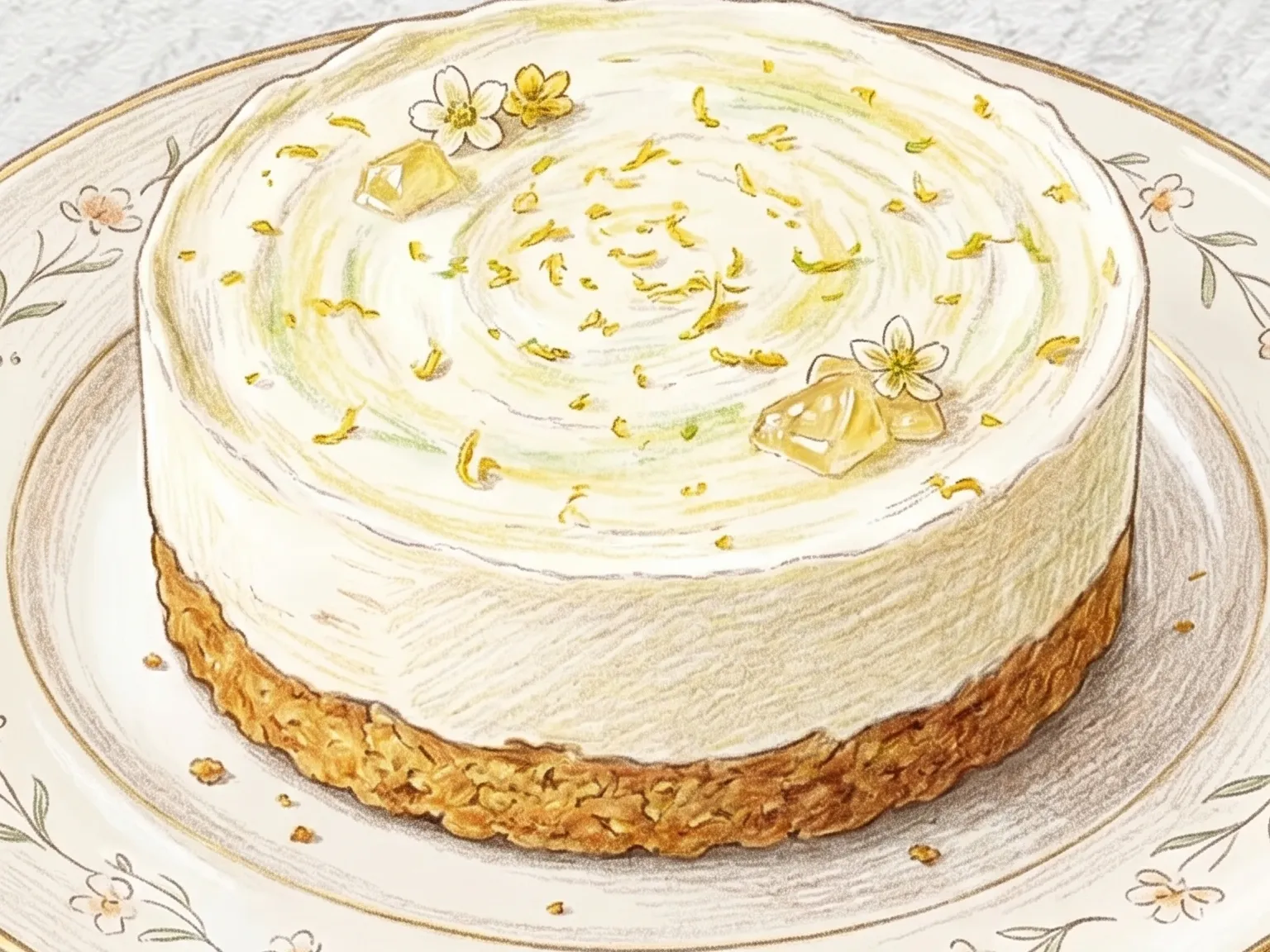
A crushed biscuit base supports a smooth filling of cream cheese sweetened with yuja-cheong, a Korean preserved citron syrup that carries an intensely floral and tart character. Yuja has a fragrance more complex than lemon, combining grapefruit-like bitterness with mandarin sweetness, and it perfumes the entire tart. A small addition of lemon juice sharpens the edge of the acidity, preventing the filling from tasting flat. Once baked and chilled, the filling sets to a mousse-like consistency that holds its shape when sliced but melts on the tongue. The biscuit crust provides a sandy, buttery crunch at the base. This tart is especially practical in winter, when leftover yuja-cheong from tea-making season needs a purpose beyond stirring into hot water.
Adjust Servings
Instructions
- 1
Crush biscuits, mix with melted butter, and press into tart pan base.
- 2
Pre-bake crust at 170C for 10 minutes and cool slightly.
- 3
Beat cream cheese with sugar, then add eggs one at a time.
- 4
Add cream, yuja marmalade, and lemon juice for a smooth filling.
- 5
Pour filling into crust, level the top, and bake for 20 minutes.
- 6
Remove when center still jiggles slightly, cool, then chill 2 hours.
As an Amazon Associate, we may earn from qualifying purchases.
Tips
Nutrition (per serving)
More Recipes

Sweet Potato Cream Cheese Galette
Cold butter is rubbed into flour to create a flaky pastry shell, which is rolled flat, spread with a blend of mashed sweet potato, cream cheese, honey, and cinnamon, and then folded at the edges into a free-form galette. The sweet potato contributes mellow sweetness while cream cheese adds a tangy counterpoint, and honey bridges the two into a cohesive filling. Cinnamon provides a warm spice note that suits the autumnal character of the galette. Keeping the butter cold throughout the process is essential for flaky layers - if the dough softens, it should return to the refrigerator immediately. Leaving a four-centimeter border of bare dough around the filling makes the folding step clean and prevents leaking. Drier sweet potato varieties, such as chestnut-type, absorb less moisture and keep the crust from turning soggy during baking. The galette is best served warm, when the pastry is at its crispest and the filling is still soft.

Hallabong Marmalade Madeleines
These shell-shaped madeleines incorporate hallabong marmalade directly into the batter, delivering bursts of candied citrus peel and sweet mandarin flavor in every bite. A properly baked madeleine rises with a characteristic bump on top, and these are no exception. The marmalade adds extra moisture, keeping the crumb softer and more tender than a classic plain version. Small pieces of preserved hallabong rind within the batter provide occasional chewy texture against the otherwise pillowy cake. They are best eaten warm, minutes after leaving the oven, though they hold their softness well in an airtight container through the next day. Black tea or Earl Grey is the natural companion, as the bergamot in the tea echoes the hallabong's citrus character.

Chestnut Mont Blanc Cupcakes
Chestnut Mont Blanc cupcakes stack three distinct layers into a single handheld dessert: a moist sponge base, a dome of whipped cream, and a tangle of piped chestnut cream on top. The sponge is whisked to a fine, airy crumb that stays soft without being fragile. Whipped cream is mounded over each cupcake, then chestnut paste - made from boiled chestnuts blended with butter and sugar - is piped through a Mont Blanc nozzle into thin vermicelli-like strands that pile up into a peak. The chestnut cream has a powdery, almost sandy texture on the tongue that dissolves into the cream underneath, creating a flavor shift from dense, nutty richness to light dairy. Each bite moves through all three layers. A single marron glace placed at the summit serves as both garnish and concentrated flavor accent. These cupcakes are a bakery staple in Japan, where the Mont Blanc has been embraced as a seasonal autumn specialty.

Lemon Curd Tart
A buttery shortcrust shell holds a hand-cooked lemon curd made from fresh juice, zest, egg yolks, sugar, and butter. The curd is simultaneously tart and rich, with the lemon's acidity cutting through the butter's weight to leave a clean, bright finish. Powdered sugar in the pastry dough gives the shell a delicate, crumbly snap that contrasts with the smooth filling. When refrigerated, the curd sets firmly enough to slice neatly, while at room temperature it softens to a spoonable consistency. The tart works beautifully on its own or with additions such as a crown of whipped cream or a torched meringue cap that adds sweetness and visual drama. Lemon zest oils in the curd ensure that the citrus fragrance lingers well after each bite.

Chocolate Lava Cake
Chocolate lava cake bakes a batter of melted dark chocolate, butter, eggs, sugar, and a small amount of flour in ramekins at high heat for a brief window, producing a set exterior with a molten chocolate core. At 220 degrees Celsius for ten to twelve minutes, the edges firm into a soft cake while the center stays liquid - breaking the surface releases a stream of warm, concentrated chocolate. The bittersweet depth of dark chocolate combines with the butterfat to create a dense, velvety richness, while vanilla extract rounds out the flavor. Timing is critical: overbaking by even two minutes solidifies the center and eliminates the signature lava effect.

French Onion Tart
French onion tart starts with onions cooked low and slow in butter for over twenty minutes until they collapse into a deep amber mass with concentrated sweetness and no trace of their raw sharpness. The caramelized onions are spread over a blind-baked tart shell, covered with a custard of egg, heavy cream, and thyme, then topped with grated Gruyere cheese before baking at 190 degrees until the filling sets and the cheese browns into a salty crust. The onion flavor dominates every bite, and thyme provides an herbal note that keeps the sweetness from becoming heavy. This tart holds up well at room temperature, making it practical for brunch spreads or outdoor meals alongside wine.