Yuja Saenggang Baked Donuts (Yuja Ginger Baked Donuts)
Quick answer
The preparation of these doughnuts involves folding yuja marmalade and finely grated fresh ginger into a light batter base.
What makes this special
- Yuja marmalade and fresh ginger fold into batter baked in a doughnut pan for a bright, oven-finished ring.
- Yuja-cheong and yogurt keep the baked crumb moist with bright citrus aroma
- 4g ginger adds gentle warmth behind the floral yuja without overpowering
Key ingredients
Core cooking flow
- 1 Preheat the oven fully to 180 C, then brush the inside of the donut pan with...
- 2 Put 170 g all-purpose flour, 70 g sugar, 5 g baking powder, and 2 g salt in a bowl.
- 3 In a second bowl, whisk the egg, 90 g plain yogurt, 70 ml milk, and 35 ml neutral oil first.
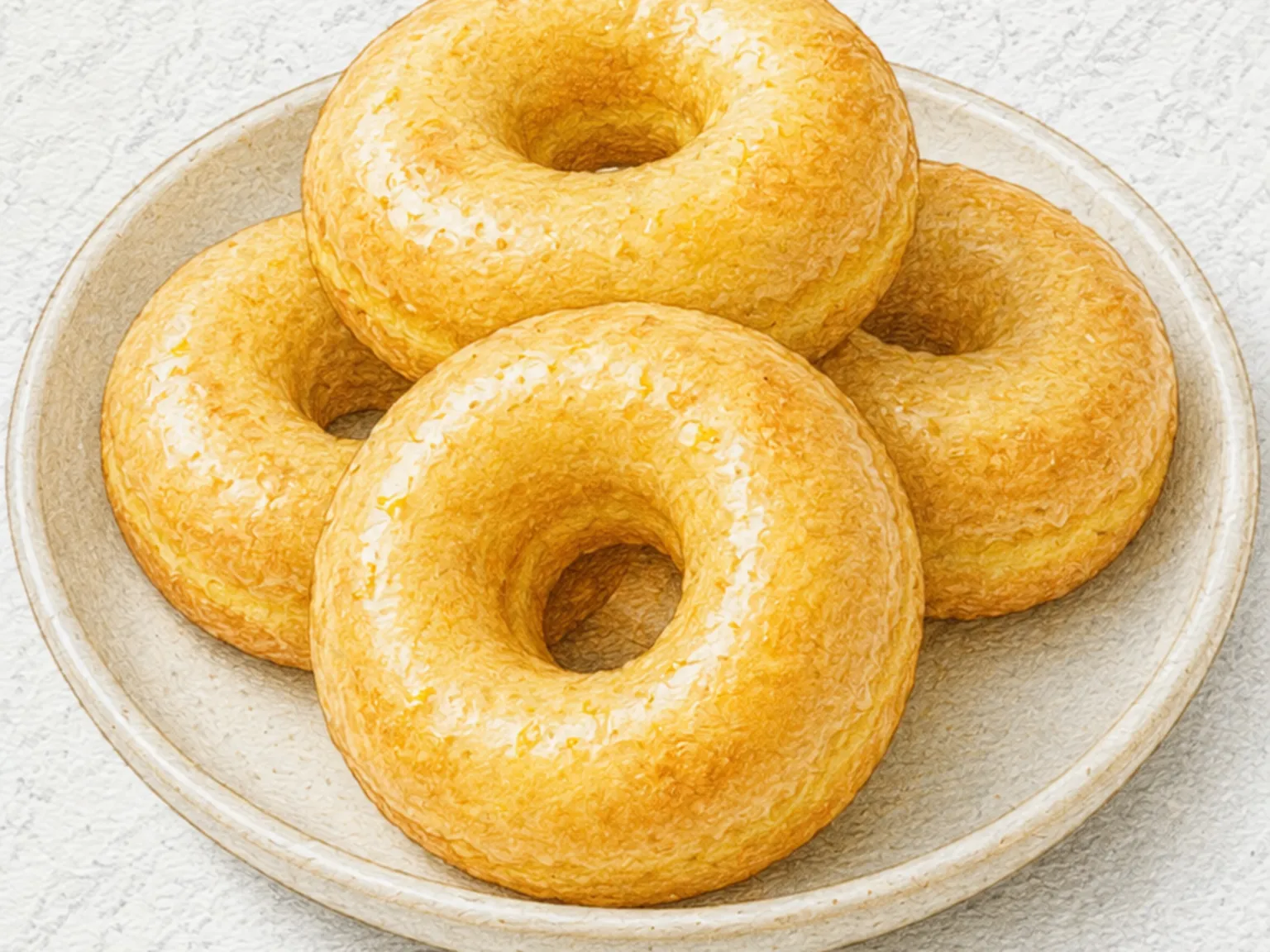
The preparation of these doughnuts involves folding yuja marmalade and finely grated fresh ginger into a light batter base. The mixture is then transferred to a doughnut pan and baked in the oven rather than being fried in oil. This specific cooking method produces an oil-free doughnut characterized by a soft and fluffy crumb that is highly fragrant with citrus notes. The yuja component contributes a floral and complex citrus profile that offers a perfumed quality more intricate than the flavor of a standard lemon or orange. Complementing this, the ginger provides a mild and warm spiciness that persists quietly in the background of each bite. Because the doughnuts are baked, the internal structure stays light, which ensures that the specific flavor of the yuja is not masked by the presence of frying oil. While the doughnuts are still warm from the oven, a thin honey glaze is brushed over the surface. This application creates a glossy appearance and adds a layer of sweetness that functions to seal in the moisture of the crumb. During the preparation of the batter, the ingredients should be combined only until the dry components are just incorporated. Mixing the batter too much will lead to a finished product that is tough and dense. Filling the pan cavities to eighty percent of their capacity allows for an even rise and prevents the batter from spilling over the edges during baking. Finally, the doughnuts require a five-minute rest period within the pan after they are removed from the oven. This time allows the structure to firm up, ensuring that each doughnut can be removed cleanly from the mold.
Instructions
Read the steps as a cooking flow: prep, heat, seasoning, doneness control, and finish.
- 1Step
Preheat the oven fully to 180 C, then brush the inside of the donut pan with a very thin layer of neutral oil.
Wipe away any pooled oil in the corners so the batter can rise evenly.
- 2Season
Put 170 g all-purpose flour, 70 g sugar, 5 g baking powder, and 2 g salt in a bowl.
Whisk until the mixture looks even and break up any large lumps before adding liquid ingredients.
- 3Prep
In a second bowl, whisk the egg, 90 g plain yogurt, 70 ml milk, and 35 ml neutral oil first.
Add 50 g yuja marmalade and 4 g minced ginger, then mix until the marmalade loosens.
- 4Prep
Pour the wet mixture into the dry ingredients and fold with a spatula, scraping the bottom of the bowl.
Stop as soon as no dry flour is visible, because extra mixing makes the donuts tough and dense.
- 5Heat
Transfer the batter to a piping bag and fill each cavity only to 80 percent.
Bake at 180 C for 12-14 minutes, checking from 12 minutes, until the tops spring back lightly and the edges look set.
- 6Finish
After baking, let the donuts rest in the pan for 5 minutes so they firm enough to release cleanly.
Move them to a rack, brush a thin layer of yuja marmalade on while warm, and serve once glossy.
After the steps
Pick a recipe that fits this dish.
Continue with shared ingredients, meal pairings, or a similar method.
Recipes That Go Well With This
More Baking →Based on shared ingredients and meal pairing
Yuzu Poppy Seed Loaf Cake
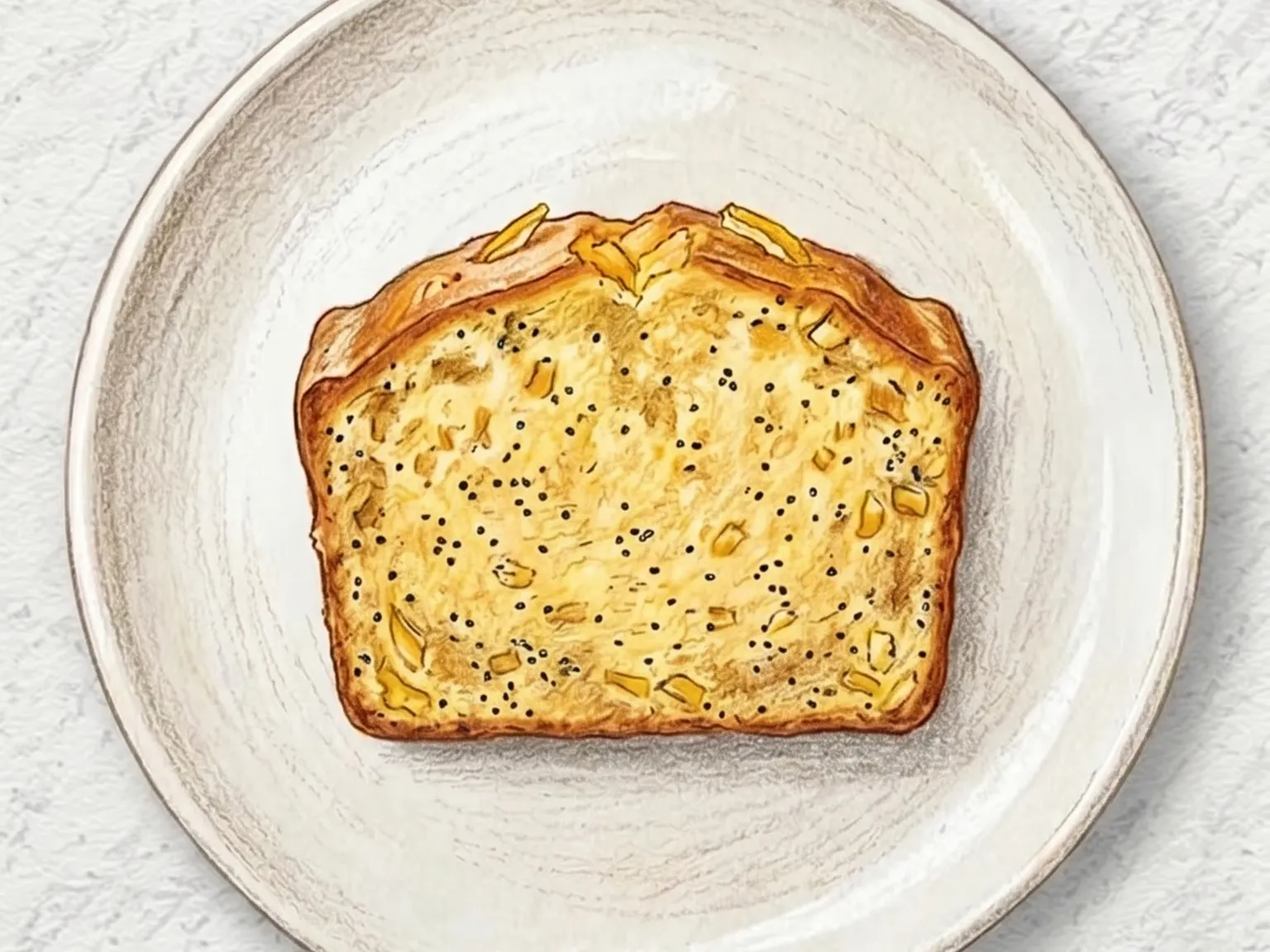
This loaf cake pairs the fragrant acidity of 80 grams of yuja marmalade with 12 grams of poppy seeds that add a subtle crunch to every slice. Creaming 120 grams of room-temperature butter with sugar traps air in the batter, producing a fine, tender crumb once baked. Eggs are added one at a time to maintain emulsion, and the dry ingredients are folded in gently to avoid toughening the gluten. Bits of yuja peel and pulp appear throughout the cross-section, releasing bursts of citrus when bitten. Baked at 175 degrees Celsius for 40 to 45 minutes, the loaf develops a golden crust on top while staying plush inside, holding its moisture well for a day or two after cooling.
Yuja Madeleines (Brown Butter Citrus French Shell Cakes)
These yuja madeleines rely on brown butter for a deeply nutty base that elevates the batter beyond a standard madeleine. About 35 grams of yuja marmalade is folded directly into the mixture, distributing bright citrus oil and small shreds of peel throughout each shell-shaped cake. A 30-minute rest in the refrigerator helps develop the signature madeleine hump during baking. The two-stage bake - 3 minutes at 200 degrees Celsius followed by 8 to 9 minutes at 180 degrees - crisps the thin edges while keeping the center moist and springy. A small measure of lemon juice reinforces the yuja acidity, preventing the sweetness from becoming one-dimensional.
Korean Dalgona Coffee (Whipped Instant Coffee Foam Milk)
Dalgona coffee is made by whipping equal parts instant coffee, sugar, and hot water with a hand mixer for three to five minutes until stiff, caramel-colored peaks form, then spooning the foam over iced milk. The whipped layer carries a concentrated, bittersweet coffee flavor that gradually blends into the cold, neutral milk below as you stir. A light dusting of cocoa powder on top introduces a faint chocolate note, and increasing the sugar slightly helps the whipped cream hold its stiff structure longer.
Gangjeong Crunch Cookies (Korean Rice Flour Nut Cookies)
Gangjeong crunch cookies translate the airy, shattering texture of traditional Korean gangjeong into a baked cookie that can be made at home and carried anywhere. Blending glutinous rice flour into the dough changes the bake fundamentally: the cookies spread thinner than all-wheat versions and develop a brittle, cracker-like snap that sets them apart from soft or chewy alternatives. Rice syrup or honey serves as the sweetening binder in place of plain sugar, contributing a faint grain fragrance and enough tackiness to fix toppings of sesame seeds, sunflower seeds, or pumpkin seeds firmly to the surface before baking. The cookies look done before they are, so trusting the timer matters; pulling them too early results in a soft center that never fully crisps. Crunch solidifies completely only once the cookies have cooled for fifteen minutes outside the oven. Swapping butter for vegetable oil thins the spread further and amplifies the crunch. With every chew the toasted grain and nut flavors deepen gradually, making each bite more satisfying than the last. Stored in an airtight container after fully cooling, they hold their snap for three days or more, making them practical for gifting. The cookies carry the spirit of a Korean holiday confection in a lightweight, portable format.
Serve with this
Sweet Rice Honey Muffins
Yakbap muffins bake soaked glutinous rice that has been marinated for 20 minutes in a seasoning of soy sauce, dark brown sugar, honey, and sesame oil, then portioned into muffin cups with sliced jujubes and diced chestnuts before going into a 180-degree oven. The soy sauce provides a savory depth that folds into the brown sugar and honey to produce the dark, caramel-like sweetness that distinguishes traditional yakbap, while sesame oil amplifies the grain aroma throughout. Jujubes are sliced thin so their juices seep between the rice grains during baking, and the chestnut cubes provide a starchy, crumbly resistance against the sticky glutinous rice. Pine nuts placed on top release their oils as they roast, filling the oven with a nutty fragrance that deepens as the muffins brown. A 10-minute rest after removing them from the oven allows the residual heat to distribute evenly, so the glutinous rice firms into a clean shape that separates easily from the mold. The recipe reinterprets traditional yakshik as individual servings suited to a modern table.
Fruit Salad (Fresh Seasonal Fruit in Yogurt)
Fruit salad dices apple, banana, kiwi, strawberries, and blueberries into uniform bite-sized pieces and folds them gently into a light dressing of plain yogurt, honey, and lemon juice. Cutting everything to a similar size ensures an even mix of crisp, soft, and juicy textures in every spoonful. The lemon juice serves two purposes - it adds a bright acidity that ties the different fruits together and slows the oxidation that turns apple flesh brown. Banana should be added last to prevent it from turning mushy under the weight of the other ingredients. Using unsweetened yogurt lets the natural sweetness of the fruit stand out more clearly, and chilling the finished salad for about ten minutes allows the fruit juices to merge with the dressing for a more cohesive flavor.
Panna Cotta
Panna cotta is a cold dessert from the Piedmont region of Italy, made by gently warming heavy cream with vanilla and sugar, then setting it with gelatin. The gelatin ratio is critical - too much produces a rubbery texture like firm pudding, while too little leaves it unable to hold its shape. A properly made panna cotta trembles when nudged with a spoon yet scoops cleanly. The cream must be heated only until small bubbles appear at the edges, never brought to a full boil, which would cause the fat to separate and ruin the silky consistency. Strawberry coulis or caramel sauce provides contrast - fruit acidity or bittersweet caramel against the rich cream. Using a whole vanilla bean rather than extract yields a more complex fragrance, and the dark seeds suspended in the white cream create visual appeal.
Similar recipes
Injeolmi Scone (Soybean Powder & Rice Cake Scone)
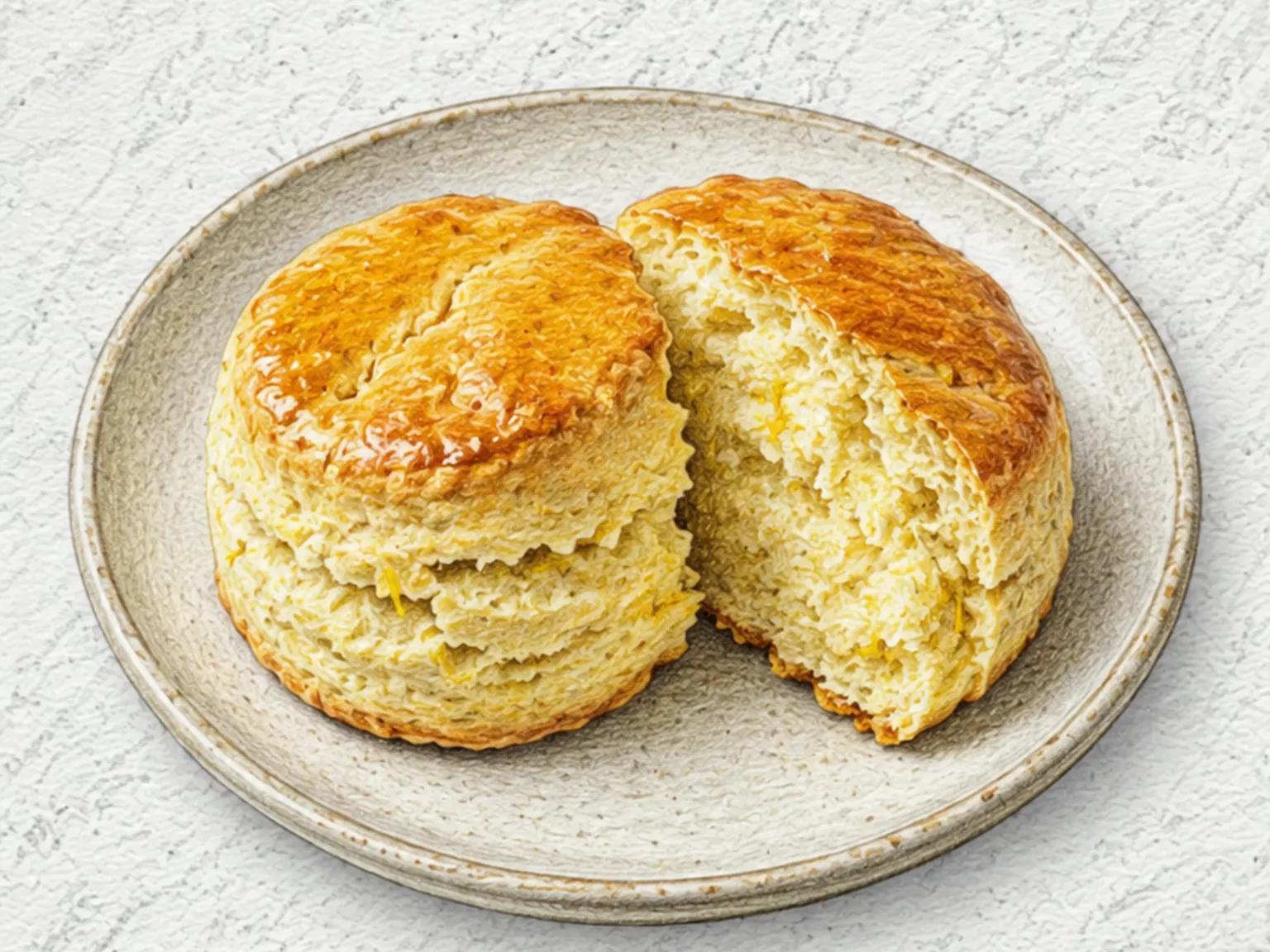
This scone folds roasted soybean powder and small pieces of glutinous rice cake into a classic British scone dough, capturing the flavor of Korean injeolmi in a handheld baked form. Soybean powder mixed into the dough lends the crumb a warm, toasted nuttiness that plain flour alone cannot produce, and the tteok pieces soften and melt in the oven, leaving behind chewy, stretchy pockets scattered throughout the crumb. Cold butter cut into small pieces and worked into the dry ingredients without fully melting is what allows the scone to develop distinct flaky layers that crack at the surface while the interior stays tender and moist. Minimal mixing is the central technique: working the dough only until the ingredients just come together prevents gluten development that would produce a tough, dense result instead of the desired crumbly tenderness. A drizzle of honey or a small bowl of sweetened condensed milk served alongside echoes the traditional way injeolmi is eaten and reinforces the sweet-nutty pairing that defines the dish. Warm green tea or pu-erh makes a natural companion for the afternoon. Cutting the tteok into pieces no larger than one centimeter ensures they melt evenly through the bake rather than leaving undercooked chunks in the center.
Yuja Cheesecake Bars (Citron Cheesecake)
Yuja cheesecake bars are a baked dessert that begins with a pressed crust of cracker crumbs and melted butter, pre-baked for eight minutes to set a firm base before the filling goes in. The filling combines softened cream cheese, eggs, sugar, and yuja citron marmalade, poured over the crust and baked at 170 degrees Celsius until just set. Pre-baking the crust is essential for keeping the layers distinct, and room-temperature cream cheese is non-negotiable for a batter free of lumps. Seventy grams of yuja marmalade introduces the fruit's sharp, floral citrus fragrance alongside clean acidity that cuts through the dense richness of the cheese layer, preventing the aftertaste from feeling heavy or cloying. Chilling for two full hours in the refrigerator before slicing produces straight, clean edges on each bar, and the texture sits between dense and silky, dissolving slowly once it hits the palate.
Walnut Cakes (Korean Bite-Sized Red Bean Walnut Pastries)
Hodu-gwaja are bite-sized Korean walnut cakes baked in a dedicated walnut-shaped cast iron mold, made from a batter of cake flour, baking powder, eggs, milk, and melted butter. Each cavity is half-filled with batter, then topped with sweet red bean paste and a toasted walnut half, sealed with a second pour of batter, and cooked over medium-low heat for six to eight minutes per side. The result is a thin, lightly browned shell encasing a moist, soft interior. Toasting the walnut halves at 160 degrees Celsius for five minutes beforehand makes a noticeable difference: the finished cakes carry a deeper, more fragrant nut aroma compared to those made with untoasted walnuts. Resting the batter for ten minutes before using it relaxes the gluten, which reduces air pockets during pouring and produces a smoother exterior surface. The cake originated as a regional specialty of Cheonan in South Chungcheong Province and has since become one of the most recognized snacks sold at highway rest stops and traditional markets across the country.