Yuja Saenggang Scone (Yuja Ginger Scone)

Yuja Saenggang Scone (Yuja Ginger Scone)

Quick answer

Cold butter is rubbed into flour to form coarse crumbs, then yuja marmalade and ginger juice are mixed in to create a dough that bakes into scones with a crumbly, flaky e...

What makes this special

  • Cold butter rubbed into flour with yuja marmalade and ginger juice produces flaky, citrus-forward scones.
  • Cold butter rubbed to coarse sand creates the flaky crumble-apart layers
  • Yuja citrus brightness and 8g ginger spice clean up the butter richness
Total time
38 min
Level
Easy
Servings
4 servings
Ingredients
10
Calories
360 kcal
Protein
7 g

Key ingredients

all-purpose flourbaking powdersugarsaltunsalted butter

Core cooking flow

  1. 1 Preheat the oven fully to 200°C and line a baking tray with parchment.
  2. 2 In a large bowl, mix 250 g all-purpose flour, 8 g baking powder, 40 g sugar...
  3. 3 Add the cold butter cubes and rub quickly with your fingertips until the mix...

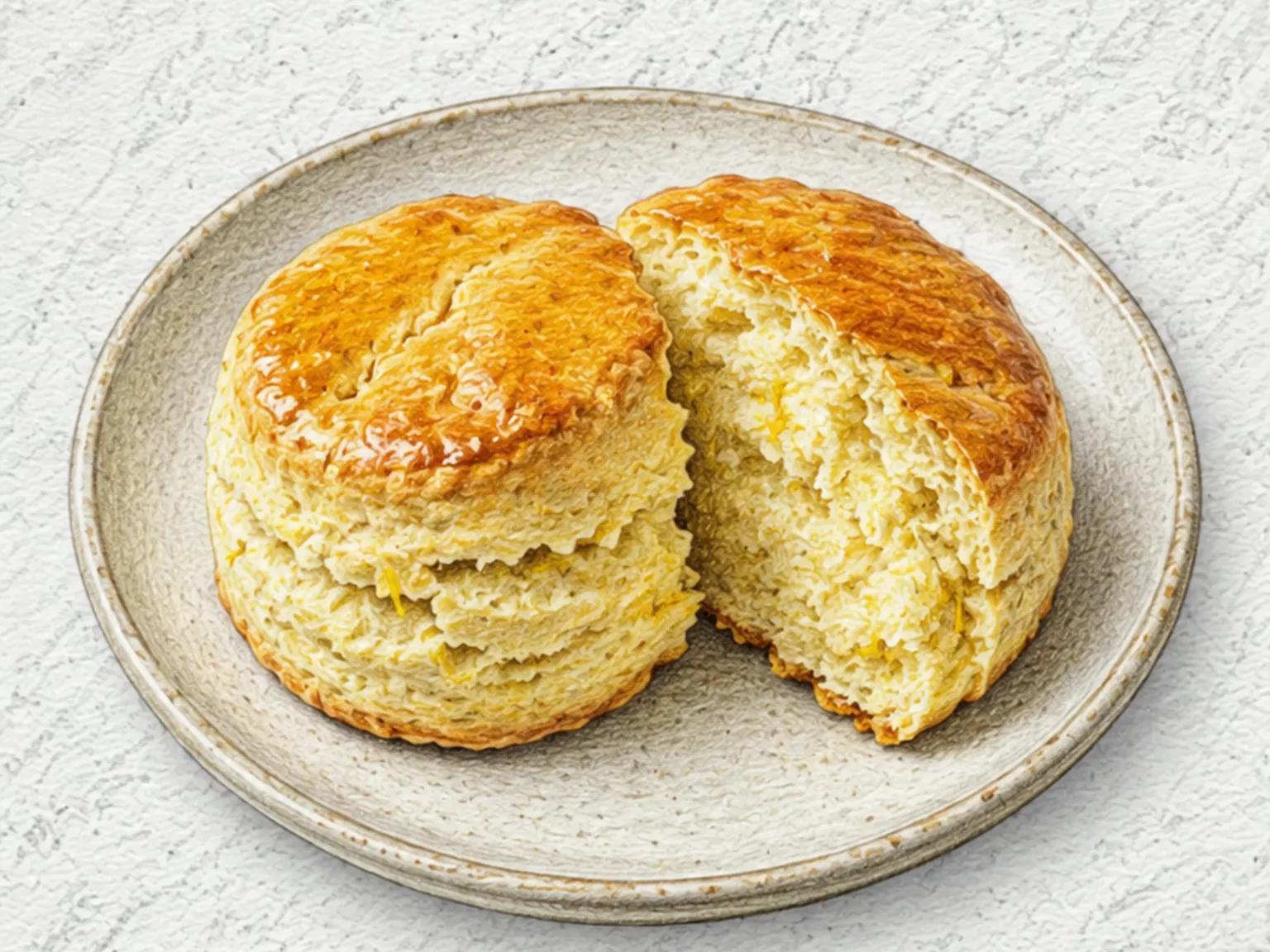
Cold butter is rubbed into flour to form coarse crumbs, then yuja marmalade and ginger juice are mixed in to create a dough that bakes into scones with a crumbly, flaky exterior and a moist, tender center. The yuja contributes a bright citrus fragrance that is more aromatic and floral than lemon, pairing naturally with the buttery richness of the scone. Ginger adds a subtle warmth that tempers the sweetness and leaves a clean finish. Minimal handling of the dough preserves the cold butter pockets that generate flaky layers during baking - if the dough warms, it should be returned to the refrigerator immediately. Shaping into rounds and brushing the tops with egg wash produces a golden, glossy crust. These scones are at their best served warm with clotted cream or yuja curd, where the citrus notes in the spread echo those baked into the scone itself. The combination of Korean citrus and British baking tradition makes this a distinctive cross-cultural pastry.

Prep 20min Cook 18min 4 servings

Instructions

Read the steps as a cooking flow: prep, heat, seasoning, doneness control, and finish.

6 steps
  1. 1
    Season

    Preheat the oven fully to 200°C and line a baking tray with parchment.

    Cut the 70 g unsalted butter into small cubes, then keep it cold until the moment it goes into the flour.

  2. 2
    Season

    In a large bowl, mix 250 g all-purpose flour, 8 g baking powder, 40 g sugar, and 2 g salt until evenly blended.

    Break up any small lumps with your fingertips so the leavening spreads evenly.

  3. 3
    Prep

    Add the cold butter cubes and rub quickly with your fingertips until the mixture has coarse crumbs with a few pea-size pieces.

    If the butter softens or smears, chill the bowl before continuing.

  4. 4
    Prep

    Stir in 8 g minced ginger, 45 g yuja marmalade, and the yuja zest lightly.

    Beat the milk and egg together separately, pour them in, and stop mixing while a little dry flour is still visible.

  5. 5
    Prep

    Pat the dough gently into a 2.5 cm thick round and cut it into 8 wedges.

    If it feels soft from hand warmth, chill it for 10 minutes, then place the pieces apart on the tray.

  6. 6
    Heat

    Brush the tops lightly with the remaining beaten egg and bake for 16-18 minutes.

    Remove them when the tops are golden and the side layers have opened, then cool on a rack for 10 minutes before serving warm.

After the steps

Pick a recipe that fits this dish.

Continue with shared ingredients, meal pairings, or a similar method.

Recipes That Go Well With This

More Baking →

Based on shared ingredients and meal pairing

Yuzu Poppy Seed Loaf Cake
Shared ingredient: all-purpose flour Baking

Yuzu Poppy Seed Loaf Cake

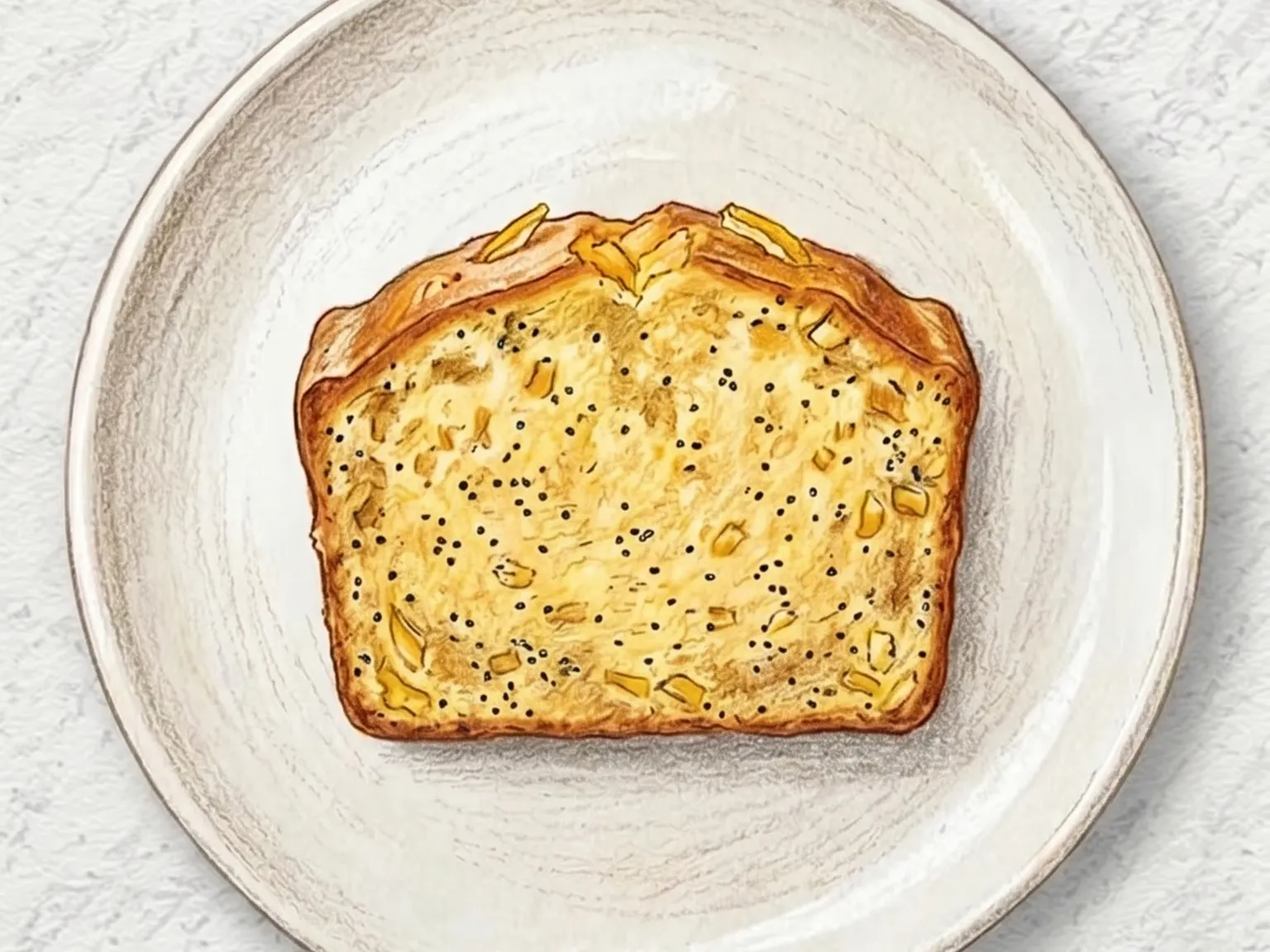
This loaf cake pairs the fragrant acidity of 80 grams of yuja marmalade with 12 grams of poppy seeds that add a subtle crunch to every slice. Creaming 120 grams of room-temperature butter with sugar traps air in the batter, producing a fine, tender crumb once baked. Eggs are added one at a time to maintain emulsion, and the dry ingredients are folded in gently to avoid toughening the gluten. Bits of yuja peel and pulp appear throughout the cross-section, releasing bursts of citrus when bitten. Baked at 175 degrees Celsius for 40 to 45 minutes, the loaf develops a golden crust on top while staying plush inside, holding its moisture well for a day or two after cooling.

Yuja Madeleines (Brown Butter Citrus French Shell Cakes)
Shared ingredient: baking powder Baking

Yuja Madeleines (Brown Butter Citrus French Shell Cakes)

These yuja madeleines rely on brown butter for a deeply nutty base that elevates the batter beyond a standard madeleine. About 35 grams of yuja marmalade is folded directly into the mixture, distributing bright citrus oil and small shreds of peel throughout each shell-shaped cake. A 30-minute rest in the refrigerator helps develop the signature madeleine hump during baking. The two-stage bake - 3 minutes at 200 degrees Celsius followed by 8 to 9 minutes at 180 degrees - crisps the thin edges while keeping the center moist and springy. A small measure of lemon juice reinforces the yuja acidity, preventing the sweetness from becoming one-dimensional.

Korean Job's Tears Walnut Latte
Serve together Drinks

Korean Job's Tears Walnut Latte

Yulmu-hodu latte is a traditional Korean grain-based beverage prepared by combining job's tears and walnuts with milk to create a thick and consistent texture. The preparation begins by soaking the job's tears in water for a minimum of two hours. This extended soaking period is necessary to soften the grains thoroughly, ensuring they pulverize completely during the blending process to avoid a gritty or sandy mouthfeel. Once softened, the job's tears are dry-toasted along with the walnuts in a pan. This heat application serves to caramelize the starches within the grains, which effectively removes the scent of raw grain and replaces it with a concentrated, roasted aroma. After the toasted ingredients are blended with milk, the liquid is passed through a fine strainer to achieve a smooth and silky finish. Sweetness is added using honey, accompanied by a small amount of salt to highlight the deep profile of the roasted nuts. A light sprinkle of ground cinnamon is applied to the surface to provide a subtle spice that balances the grounded flavor of the grain base. For cold servings, it is important to dissolve the honey while the liquid is still warm to ensure it distributes thoroughly throughout the drink instead of settling at the bottom of the container. The resulting beverage offers a depth of flavor and a rounded profile that is far more prominent than what is found in mass-produced, packaged versions of similar grain drinks.

Classic British Scones
Similar recipe Baking

Classic British Scones

Classic British scones are made by rubbing cold butter into flour and binding the mixture with milk, using minimal handling to keep the dough light. This restraint is what creates the signature crumbly, layered texture. Overworking develops gluten and produces a tough result instead of the delicate flake the scone is known for. In the oven, the butter melts and generates steam between the flour layers, causing the scone to rise and split naturally along its sides. The exterior, brushed with egg wash before baking, turns golden and slightly crisp, while the interior stays soft and flaky, somewhere between bread and biscuit. Traditionally served during afternoon tea with clotted cream and strawberry jam, scones are split by hand rather than cut with a knife. The warmth of a freshly baked scone against the cool richness of clotted cream is the combination that defines the English tea table.

Serve with this

Half-moon Rice Cake (Sesame Honey Filled Steamed Rice Cake)
Desserts Medium

Half-moon Rice Cake (Sesame Honey Filled Steamed Rice Cake)

Kkul songpyeon are traditional half-moon rice cakes shaped by hand from rice flour dough and filled with a paste of finely ground toasted sesame seeds, honey, and dark brown sugar, then steamed over a bed of fresh pine needles. Grinding the sesame seeds fine enough to form a cohesive mixture with honey and sugar is important -- the oil-rich nuttiness and dense sweetness bind together into a smooth filling that turns moist and paste-like as steam penetrates the rice dough during cooking. Arranging pine needles at the bottom of the steamer imparts a faint resinous, woody fragrance to the surface of each rice cake after 15 minutes of steaming, layering over the natural grain aroma of the rice flour dough. After steaming, a quick rinse in cold water stops carry-over cooking, and a thin brush of sesame oil gives each songpyeon a glossy sheen while preventing them from sticking together. Shaping songpyeon together as a family at Chuseok is one of the most recognizable autumn traditions in Korea, and the saying that beautifully shaped songpyeon foretells a beautiful daughter remains widely repeated today.

🎉 Special Occasion 🧒 Kid-Friendly
Prep 35min Cook 20min 4 servings
Fruit Salad (Fresh Seasonal Fruit in Yogurt)
Salads Easy

Fruit Salad (Fresh Seasonal Fruit in Yogurt)

Fruit salad dices apple, banana, kiwi, strawberries, and blueberries into uniform bite-sized pieces and folds them gently into a light dressing of plain yogurt, honey, and lemon juice. Cutting everything to a similar size ensures an even mix of crisp, soft, and juicy textures in every spoonful. The lemon juice serves two purposes - it adds a bright acidity that ties the different fruits together and slows the oxidation that turns apple flesh brown. Banana should be added last to prevent it from turning mushy under the weight of the other ingredients. Using unsweetened yogurt lets the natural sweetness of the fruit stand out more clearly, and chilling the finished salad for about ten minutes allows the fruit juices to merge with the dressing for a more cohesive flavor.

🥗 Light & Healthy 🧒 Kid-Friendly
Prep 20min 4 servings
Broccoli Cheddar Soup
Western Easy

Broccoli Cheddar Soup

Broccoli cheddar soup builds from a roux - butter and flour cooked together until the raw flour smell cooks out - which gives the soup its body and prevents the dairy from separating when added. Chicken stock and whole milk are whisked in gradually to keep lumps from forming, then broccoli florets go in and cook until fork-tender. The critical moment is adding the cheddar: heat must be reduced to low first, because the proteins in cheese seize and become grainy when exposed to high temperatures, rather than melting smoothly into the liquid. Sharp cheddar is the standard choice because its strong, salty punch holds up against the mild broccoli. Blending only half the soup while leaving florets intact creates a contrast between the velvety liquid and the chunks of green vegetable. A small addition of mustard or Worcestershire sauce deepens the savory complexity. Served inside a hollowed sourdough bread bowl, the crust absorbs the soup from the inside out, turning it into a satisfying complete meal rather than a starter.

🏠 Everyday 🧒 Kid-Friendly
Prep 15min Cook 25min 4 servings

Similar recipes

Injeolmi Scone (Soybean Powder & Rice Cake Scone)
Baking Easy

Injeolmi Scone (Soybean Powder & Rice Cake Scone)

This scone folds roasted soybean powder and small pieces of glutinous rice cake into a classic British scone dough, capturing the flavor of Korean injeolmi in a handheld baked form. Soybean powder mixed into the dough lends the crumb a warm, toasted nuttiness that plain flour alone cannot produce, and the tteok pieces soften and melt in the oven, leaving behind chewy, stretchy pockets scattered throughout the crumb. Cold butter cut into small pieces and worked into the dry ingredients without fully melting is what allows the scone to develop distinct flaky layers that crack at the surface while the interior stays tender and moist. Minimal mixing is the central technique: working the dough only until the ingredients just come together prevents gluten development that would produce a tough, dense result instead of the desired crumbly tenderness. A drizzle of honey or a small bowl of sweetened condensed milk served alongside echoes the traditional way injeolmi is eaten and reinforces the sweet-nutty pairing that defines the dish. Warm green tea or pu-erh makes a natural companion for the afternoon. Cutting the tteok into pieces no larger than one centimeter ensures they melt evenly through the bake rather than leaving undercooked chunks in the center.

🧒 Kid-Friendly 🎉 Special Occasion
Prep 20min Cook 22min 4 servings
Korean Ginger Tea (Spiced Jujube Honey Ginger Brew)
Drinks Easy

Korean Ginger Tea (Spiced Jujube Honey Ginger Brew)

Saenggangcha is a Korean ginger tea made by simmering thinly sliced fresh ginger and halved, pitted jujubes in water for 15 minutes on medium heat followed by 5 more minutes on low. The two-stage simmering extracts both the sharp warmth of ginger and the quiet, honeyed fruitiness of jujubes without letting either dominate. Peeling the ginger before slicing removes any earthy or bitter notes from the skin and produces a cleaner cup. Slicing it thin rather than thick maximizes the surface area, allowing gingerol, the compound responsible for the tea's peppery bite, to dissolve into the water more rapidly within the same simmering time. Splitting and pitting the jujubes exposes the flesh, which gives up its fruit aroma far more readily than whole dried fruit. After straining, the pot should be removed from the heat and allowed to cool slightly before the honey goes in, because dissolving honey into near-boiling liquid destroys the delicate floral compounds that distinguish quality honey from plain sugar. A small pinch of ground cinnamon deepens the spice profile by adding warmth that complements rather than competes with the ginger. Floating lemon slices on the surface adds a citrus brightness that lifts the body of the tea. The drink is especially associated with the transitional seasons in Korea, when the weather shifts and sore throats become more common.

🍺 Bar Snacks ⚡ Quick
Prep 10min Cook 20min 2 servings
Korean Street Egg Bread (Sweet Batter Muffin with Whole Egg)
Desserts Easy

Korean Street Egg Bread (Sweet Batter Muffin with Whole Egg)

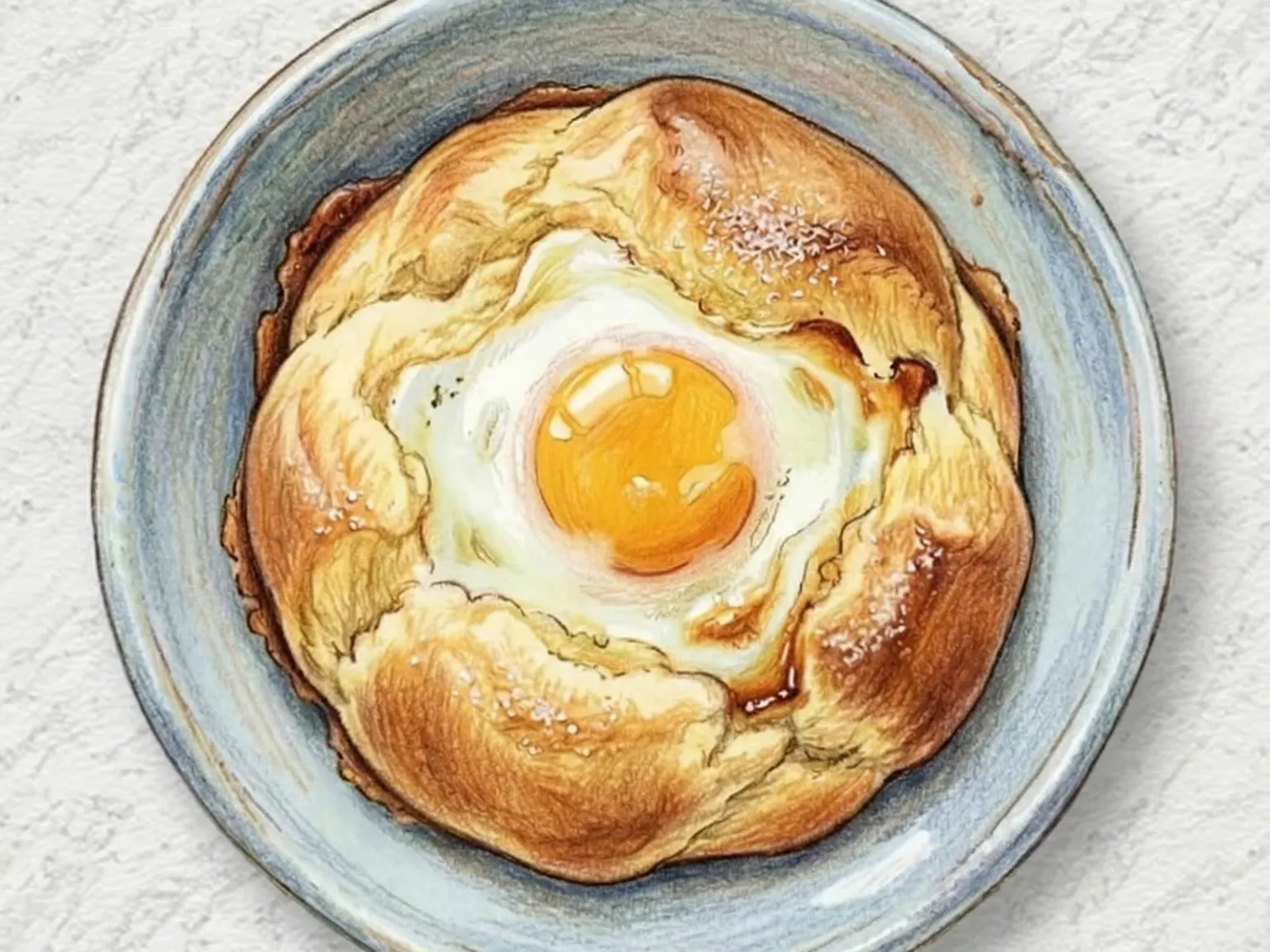
Winter streets in Seoul feature this warm handheld snack prepared by baking a whole egg atop a sweet batter. The base consists of cake flour, baking powder, milk, and melted butter poured into muffin molds. Adding a layer of finely diced ham beneath the egg creates a salty contrast against the sweetness of the dough. When baked at 180 degrees Celsius, sixteen minutes results in a soft and runny yolk, while eighteen minutes produces a firm center. Vanilla extract mixed into the batter helps neutralize the natural scent of the egg for a clean finish. A light dusting of dried parsley on the domed surface adds a subtle herbal scent as the bread turns golden in the oven. Small amounts of shredded cheese can be added to the batter to balance the sweetness. Serving the bread while it remains warm ensures the interior stays moist. This egg bread functions well as a quick breakfast option and can be made in paper muffin cups if metal molds are unavailable.

🧒 Kid-Friendly 🌙 Late Night
Prep 15min Cook 18min 4 servings

Tips

Keep the butter cold for flaky layers.
Mix minimally to avoid tough scones.

Nutrition (per serving)

Calories
360
kcal
Protein
7
g
Carbs
44
g
Fat
17
g